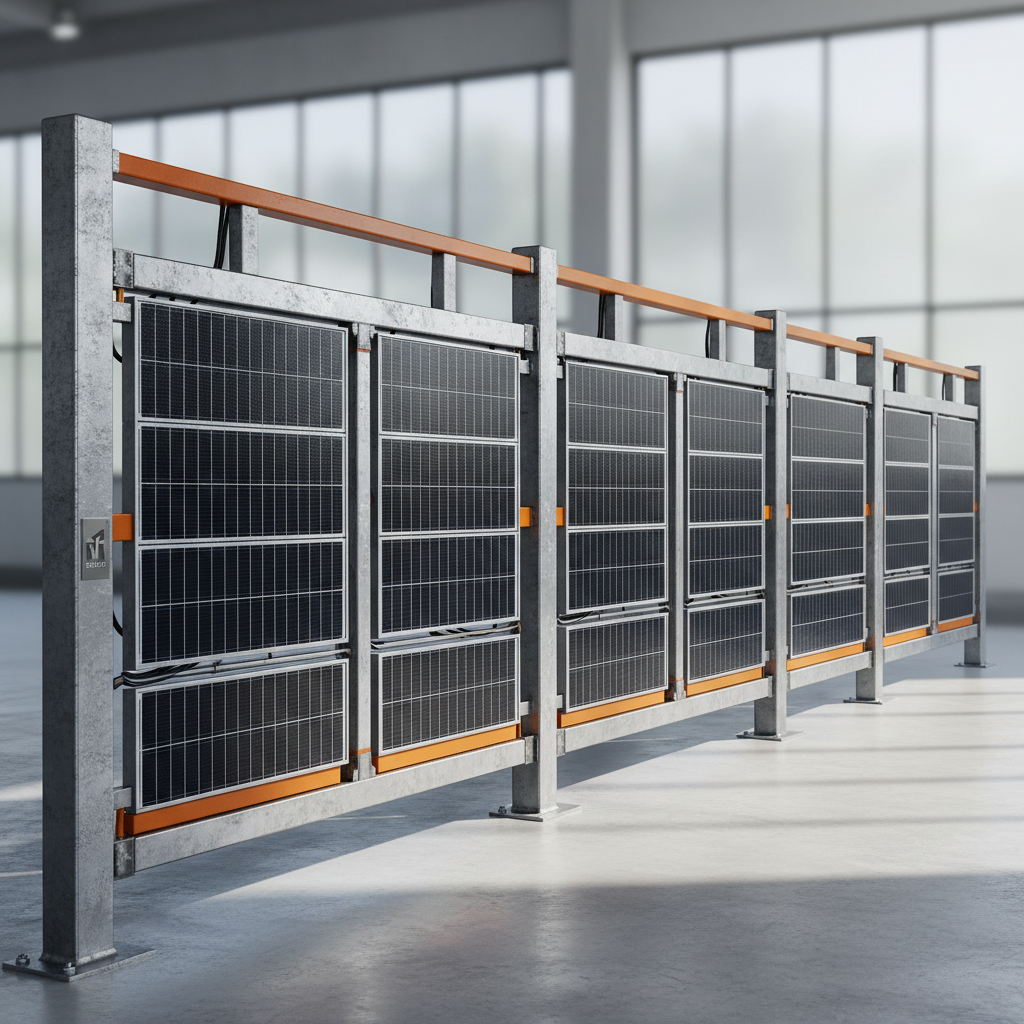
The shift toward decentralized energy production has brought balcony photovoltaic systems to the forefront of urban sustainability. As cities become more densely populated, the ability for apartment dwellers to generate their own clean electricity without requiring massive roof space has become a game-changer for global carbon reduction goals.
Integrating solar technology into residential balconies allows individuals to take immediate action against rising energy costs and environmental degradation. These "plug-and-play" systems simplify the transition to renewable energy, making it accessible to renters and homeowners alike who previously felt excluded from the solar revolution.
Understanding the technical nuances of balcony photovoltaic installations—from mounting security to energy conversion efficiency—is essential for maximizing return on investment. By leveraging high-quality materials and smart integration, urban residents can transform passive outdoor spaces into active power plants.
Global Context of Balcony Photovoltaic Energy
On a global scale, the adoption of balcony photovoltaic solutions aligns with the International Energy Agency's (IEA) push for distributed energy resources. As urbanization increases, the traditional model of large-scale solar farms is being complemented by "micro-generation" in cities, where millions of small-scale balconies collectively contribute to a significant reduction in grid dependency.
The primary challenge addressed by these systems is the "barrier to entry" for urban renters. Unlike traditional rooftop arrays that require ownership and structural permits, balcony-mounted solar panels offer a flexible, non-permanent alternative that empowers the average citizen to participate in the green energy transition without long-term structural commitments.
Defining Balcony Photovoltaic Systems
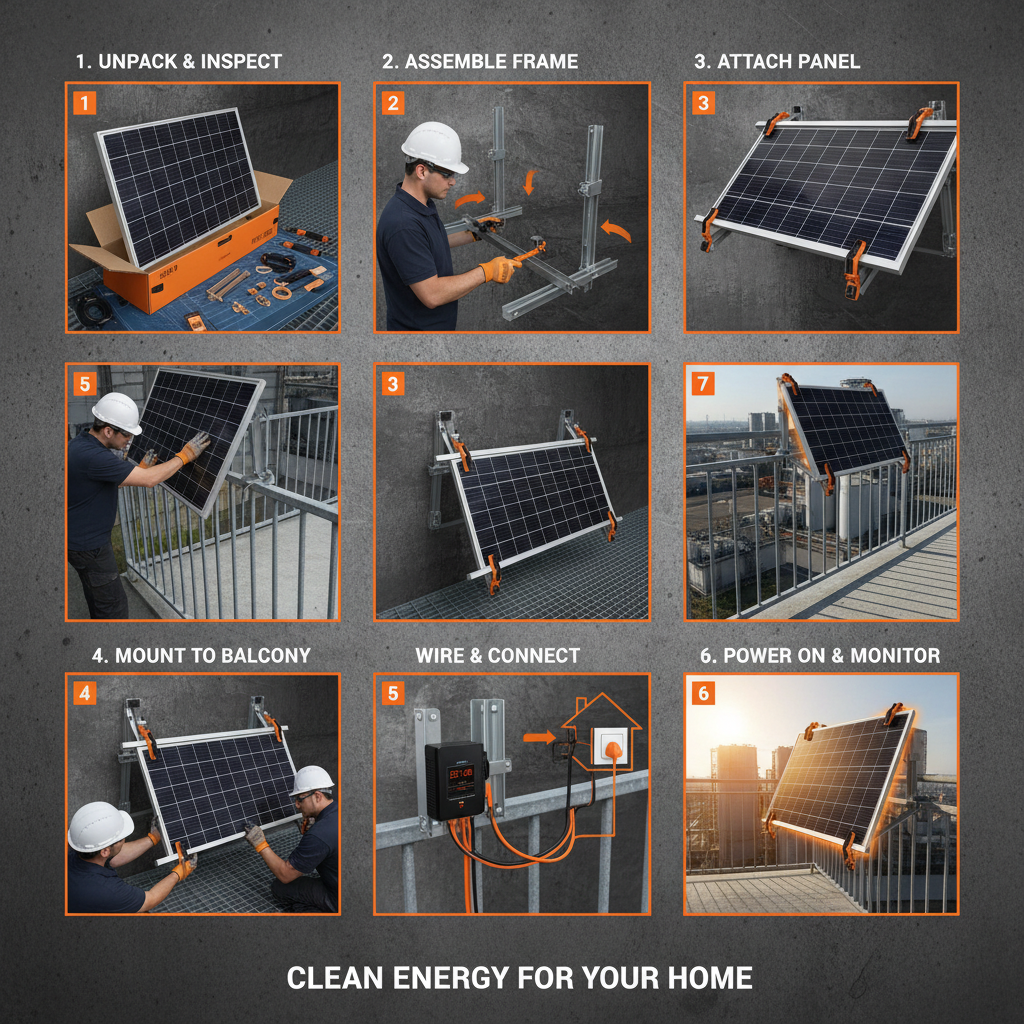
A balcony photovoltaic system is a compact, modular solar energy setup designed to be mounted on balcony railings or exterior walls of residential buildings. Unlike industrial installations, these systems typically consist of one or two high-efficiency monocrystalline panels paired with a micro-inverter that converts DC electricity into AC power suitable for immediate use in household appliances.
From a technical standpoint, these systems are often categorized as "plug-in solar." This means they can be connected directly to a standard wall socket, feeding power back into the home's internal electrical circuit. This eliminates the need for complex rewiring, making the balcony photovoltaic approach highly attractive for the modern, fast-paced urban lifestyle.
Beyond simple electricity generation, these systems represent a shift toward "energy democratization." By allowing individuals to produce their own power, it reduces the reliance on centralized utility companies and provides a safety net against volatile energy prices, integrating humanitarian needs for affordable power with cutting-edge materials science.
Core Components for Maximum Efficiency
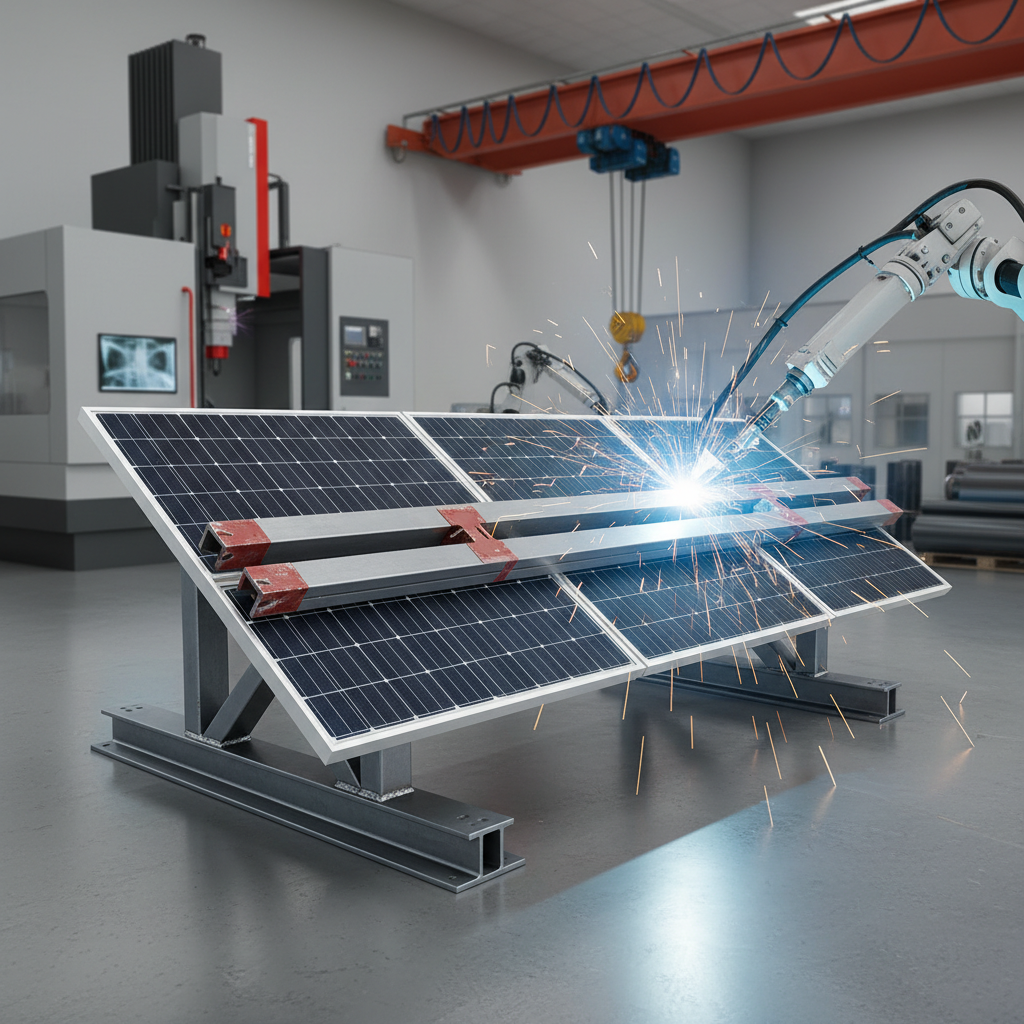
The durability of a balcony photovoltaic setup depends heavily on the mounting hardware. Given the exposure to high winds and urban pollutants, the use of high-grade stainless steel or reinforced aluminum frames is non-negotiable. These materials ensure that the panels remain secure and do not corrode over years of exposure to the elements.
Efficiency is further driven by the choice of inverter technology. Modern balcony photovoltaic systems utilize Maximum Power Point Tracking (MPPT) inverters, which optimize the voltage and current to ensure that even in partial shade—a common occurrence in city environments—the system continues to produce the maximum possible energy.
Finally, the integration of energy storage options, such as small-scale lithium-iron-phosphate (LiFePO4) batteries, allows users to store excess daytime energy for use at night. This scalability transforms a simple panel into a comprehensive energy management system, increasing the overall autonomy of the household.
Technical Performance Metrics
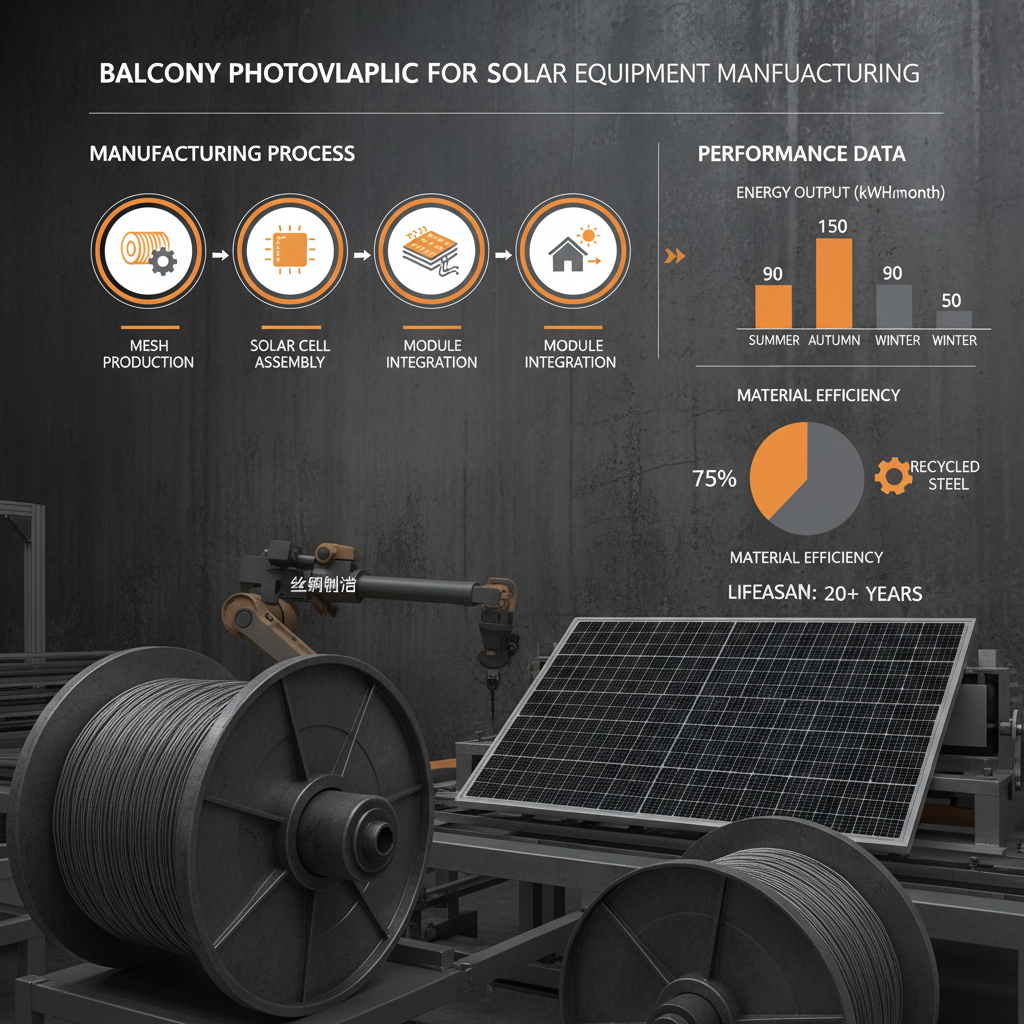
Evaluating the success of a balcony photovoltaic installation requires looking at a combination of conversion efficiency, wind load resistance, and the payback period. While a standard panel might have a conversion rate of 20-22%, the actual yield is affected by the angle of the balcony and the local climate.
To provide a clearer picture of how different configurations perform, we analyze various setup methods based on their real-world effectiveness in urban environments. This allows users to choose the method that best fits their specific balcony orientation and energy needs.
Performance Comparison of Balcony Photovoltaic Configurations
Global Applications and Urban Use Cases
In European cities like Berlin and Vienna, balcony photovoltaic systems have seen explosive growth due to supportive legislation and high electricity costs. These regions have pioneered "balcony solar clusters," where entire apartment complexes synchronize their energy production to reduce the load on the city's aging electrical infrastructure.
Beyond luxury apartments, these systems are being deployed in social housing projects to lower the cost of living for low-income families. In remote industrial zones or temporary employee housing, modular solar panels provide a reliable way to power essential electronics and lighting without the need for expensive grid extensions.
Long-Term Value and Sustainability Impact
The tangible benefits of adopting balcony photovoltaic technology extend far beyond the monthly electricity bill. From a logical perspective, the return on investment (ROI) is typically achieved within 4 to 7 years, after which the energy produced is essentially free for the remainder of the panel's 25-year lifespan.
Emotionally, owning a personal energy source fosters a sense of independence and digital-age dignity. It transforms the user from a passive consumer into a "prosumer"—someone who both produces and consumes—creating a deeper psychological connection to the health of the planet.
Moreover, the reliability of these systems in critical moments cannot be overstated. During grid instability or brownouts, a balcony system equipped with a small battery can maintain power for routers, security cameras, and emergency lighting, providing an essential layer of security for urban dwellers.
Future Trends in Urban Solar Integration
The future of balcony photovoltaic lies in the development of Perovskite solar cells. These next-generation materials are thinner, flexible, and can be printed onto surfaces, potentially allowing balconies to be completely wrapped in energy-harvesting "skins" rather than relying on rigid glass panels.
Digital transformation is also playing a key role. We are seeing the rise of AI-driven energy management apps that predict weather patterns and automatically shift high-energy household tasks to peak production hours, maximizing the utility of every kilowatt-hour generated.
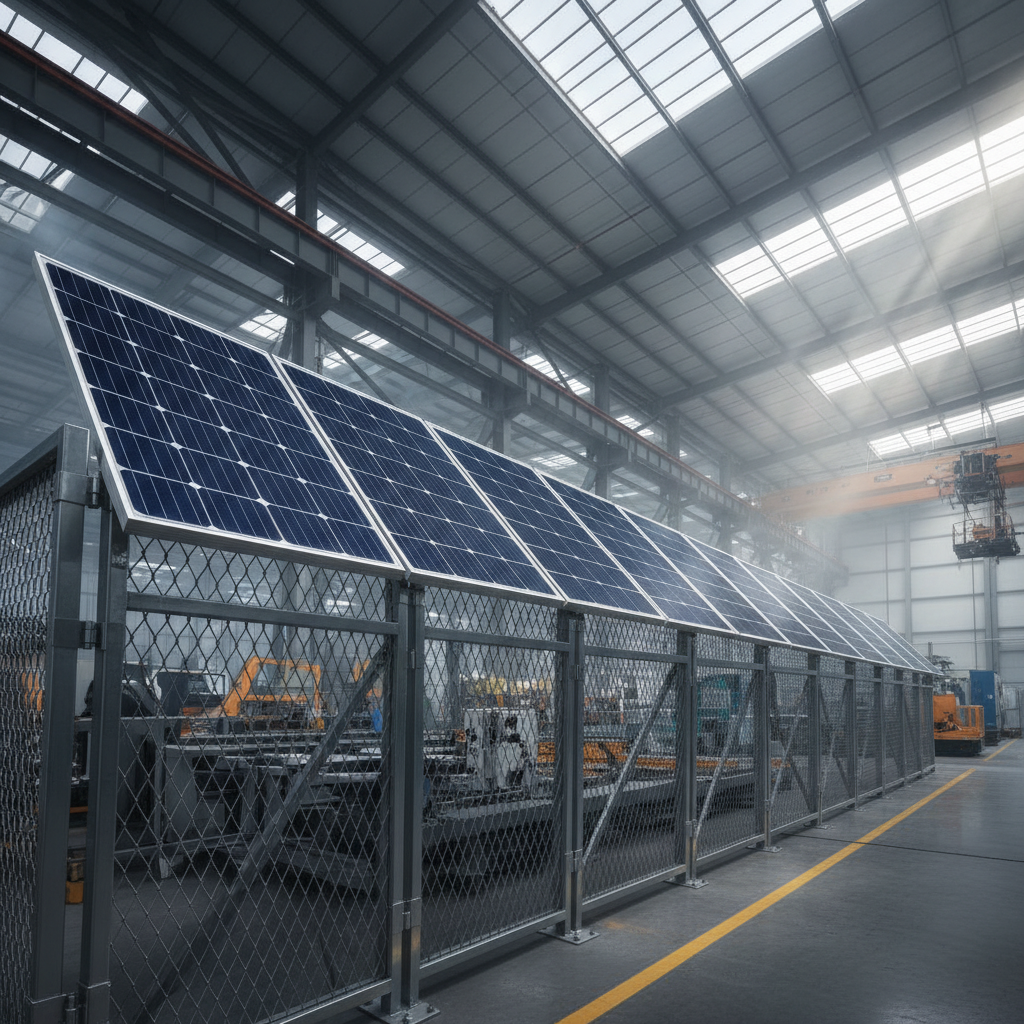
Furthermore, the integration of solar technology with architectural decorative mesh—combining aesthetics with energy production—is becoming a trend in high-end urban design. This ensures that sustainability does not come at the cost of visual appeal, blending form and function seamlessly.
Comprehensive Analysis of Balcony Photovoltaic Implementation Trends
| Technology Tier |
Installation Complexity |
Avg. Energy Yield |
Eco-Impact Score |
| Entry-Level Plug-in |
Very Low |
300-600 kWh/year |
6/10 |
| Advanced Storage Kit |
Medium |
800-1200 kWh/year |
8/10 |
| Bifacial High-Gain |
Medium |
1000-1500 kWh/year |
9/10 |
| Perovskite Flexible |
Low |
600-900 kWh/year |
7/10 |
| Smart Grid-Tied |
High |
1500-2000 kWh/year |
10/10 |
| Integrated Mesh Solar |
Medium |
700-1100 kWh/year |
9/10 |
FAQS
In many regions, yes, provided the installation is non-permanent and does not alter the building's structure. Since most balcony solar systems use clamps or brackets that don't require drilling into the facade, they are generally permitted. However, it is always recommended to check your local rental agreement or HOA rules regarding exterior modifications to ensure full compliance.
A standard setup with one or two 400W panels typically produces between 300 and 800 kWh per year, depending on the sun exposure and geographical location. While this won't power an entire apartment, it is often enough to cover the "base load"—the constant energy consumption of your refrigerator, router, and standby electronics—significantly reducing your monthly bill.
For basic "plug-and-play" balcony photovoltaic systems, a professional is not strictly required as they connect to standard sockets. However, if you are integrating a large battery storage system or modifying your home's electrical panel for grid-feeding, hiring a certified electrician is crucial for safety and to ensure the system meets local building codes and insurance requirements.
Shading can reduce efficiency, but modern micro-inverters with MPPT (Maximum Power Point Tracking) technology mitigate this. Unlike traditional string inverters where one shaded panel drops the output of the entire array, micro-inverters allow each panel to operate independently. This means the unshaded portions of your balcony photovoltaic system will still produce power at full capacity.
Safety depends entirely on the mounting system. High-quality brackets made from stainless steel or aircraft-grade aluminum are designed to withstand significant wind loads. It is essential to use secure fastening systems and periodically check the tension of the clamps. For exceptionally high-wind areas, we recommend using reinforced safety tethers to prevent the panels from becoming projectiles.
Yes, this is one of the greatest advantages of balcony photovoltaic setups. Because they are modular and non-permanent, you can simply unplug the system, disassemble the brackets, and transport the panels to your new home. This makes the investment portable and ensures that you continue to save on energy costs regardless of where you live in the city.
Conclusion
The integration of balcony photovoltaic systems represents a vital step toward sustainable urban living. By combining high-efficiency solar cells with durable mounting hardware and smart energy management, city dwellers can effectively reduce their carbon footprint and energy expenditures. The transition from a centralized power model to a distributed, user-driven approach not only provides economic relief but also empowers individuals to take tangible ownership of their environmental impact.
As technology evolves toward flexible materials and AI-optimized storage, the potential for urban energy autonomy will only grow. We encourage homeowners and renters to explore these modular solutions as a low-risk, high-reward investment in a greener future. For those seeking professional-grade components and expert guidance on metal integration for solar systems, visit our website: www.qhfilter.com.