The global shift toward decentralized energy production has brought the balcony solar system into the spotlight as a viable solution for urban dwellers. As electricity costs rise and environmental concerns mount, the ability to generate clean power from a small outdoor space is no longer a futuristic luxury but a practical necessity for the modern apartment resident.
Integrating a balcony solar system allows individuals to reduce their carbon footprint without needing a traditional rooftop or owning a large plot of land. By utilizing plug-and-play technology, these systems democratize energy production, empowering renters and homeowners alike to take control of their energy consumption.
Understanding the technical nuances, from photovoltaic efficiency to mounting security, is essential for maximizing the return on investment. This guide explores how a balcony solar system transforms idle architectural spaces into active power plants, contributing to the broader global goal of sustainable urban living.
Global Context of Balcony Solar Systems
In the current climate crisis, the International Energy Agency (IEA) has highlighted the urgent need for distributed energy resources to meet net-zero targets. The urban environment, characterized by high-density living, has traditionally been a blind spot for solar adoption due to limited roof access. The rise of the balcony solar system addresses this gap, allowing millions of apartment dwellers to participate in the energy transition.
Across Europe and Asia, government incentives are increasingly favoring "mini-PV" installations. This shift is driven by the need to stabilize urban grids and reduce peak load demand. By deploying a balcony solar system, cities can create a tapestry of micro-generators that collectively lower the reliance on fossil-fuel-based centralized power plants.
Defining the Balcony Solar System
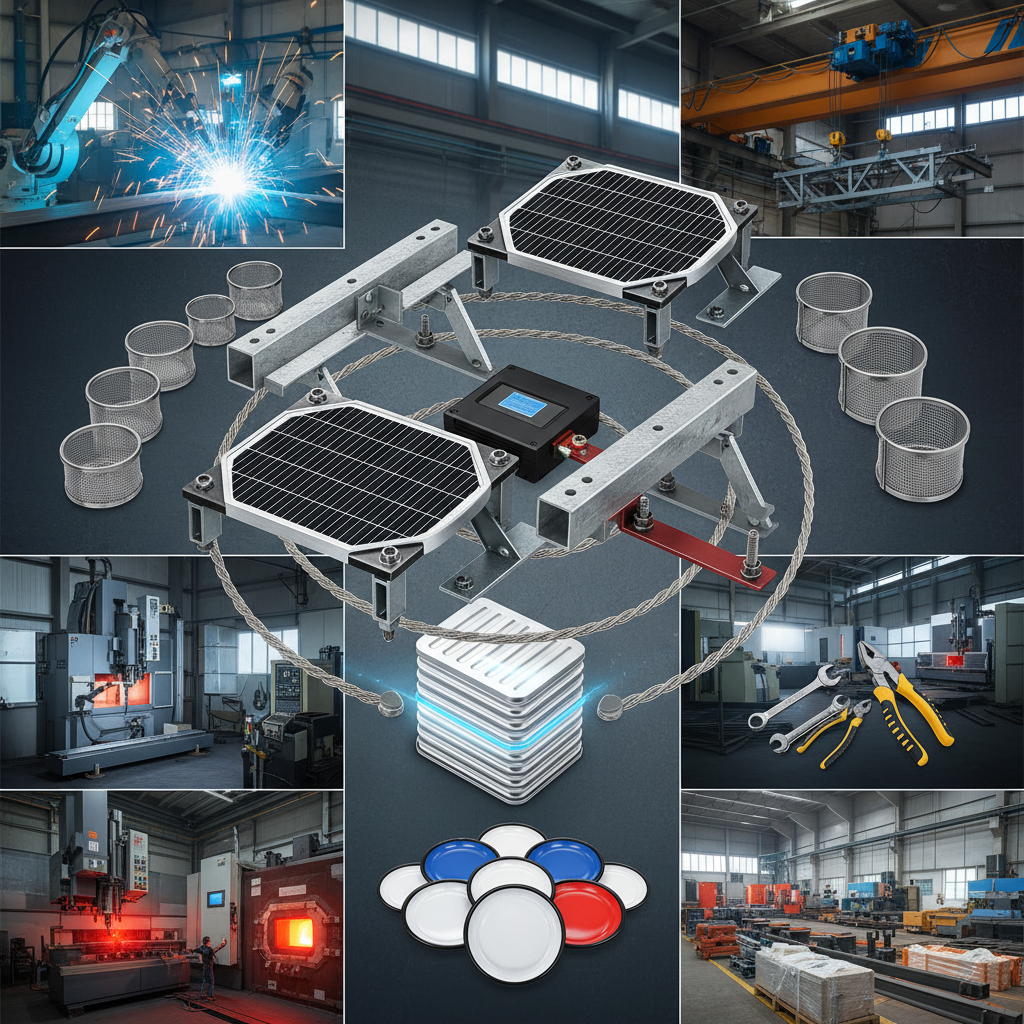
A balcony solar system is a compact, modular photovoltaic installation designed to be mounted on balcony railings or walls. Unlike traditional rooftop arrays, these systems typically consist of one or two high-efficiency solar panels, a micro-inverter, and a standard plug that connects directly into a household wall socket, feeding electricity directly into the home's internal circuit.
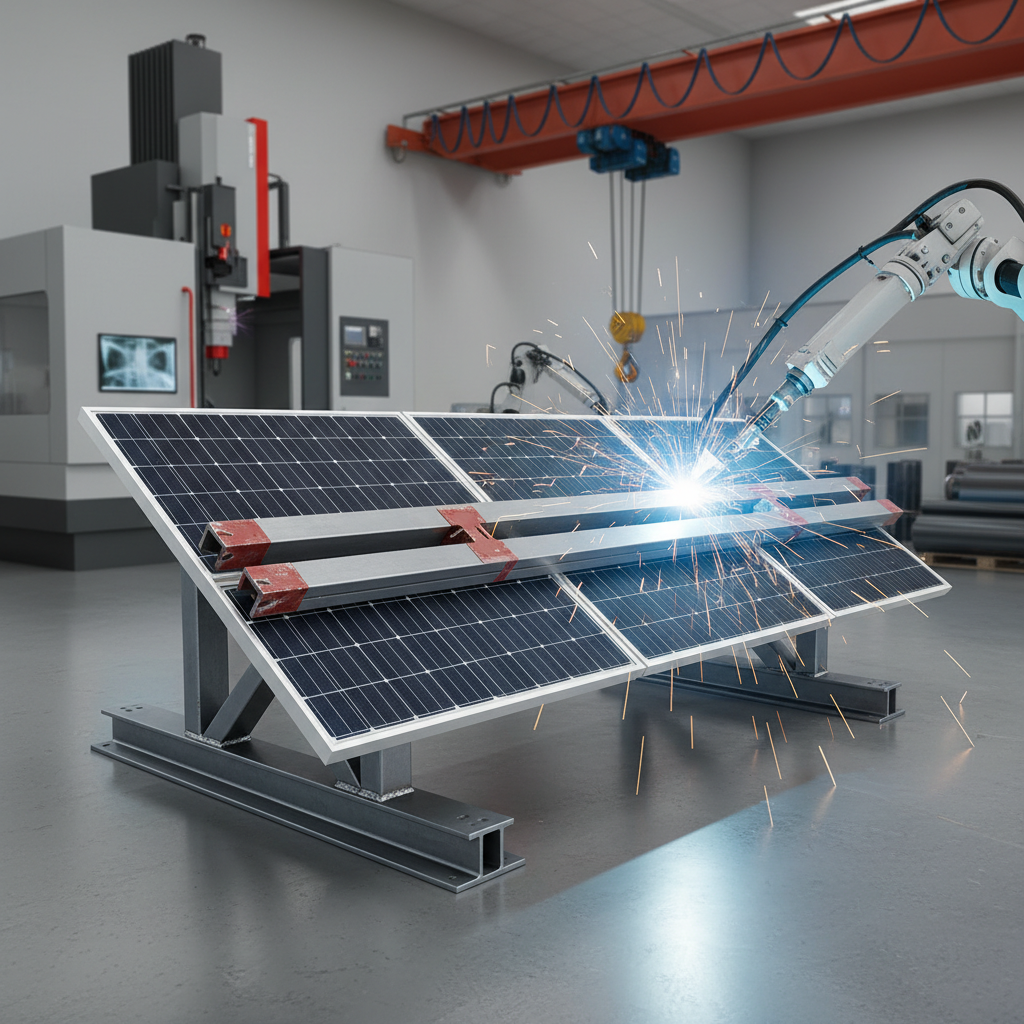
From an industrial perspective, these systems represent the intersection of semiconductor technology and deep-processing metal fabrication. The frames and mounting brackets require high-precision engineering to ensure wind resistance and structural integrity, often utilizing stainless steel or anodized aluminum to prevent corrosion in diverse weather conditions.
Ultimately, the goal of a balcony solar system is "energy autonomy for the urbanite." It bridges the gap between total dependence on the grid and the high cost of full-scale residential solar, providing a scalable entry point for sustainable living.
Core Components for Maximum Efficiency
The heart of any balcony solar system is the photovoltaic panel. Modern monocrystalline cells are preferred for their high efficiency in limited spaces, ensuring that even a small surface area can generate significant wattage during peak sunlight hours.
Crucial to the system's performance is the micro-inverter, which converts the DC power generated by the balcony solar system into AC power compatible with home appliances. This component must be weather-resistant and highly efficient to minimize energy loss during conversion.
Lastly, the mounting hardware—often involving specialized metal decorative mesh or stainless steel brackets—ensures the balcony solar system remains secure against high winds while maintaining an optimal tilt angle for sun exposure.
Practical Applications and Use Cases
In dense metropolitan areas like Berlin or Tokyo, the balcony solar system is being used to power baseline loads such as refrigerators, Wi-Fi routers, and standby electronics. By offsetting these "always-on" devices, users notice a tangible drop in their monthly utility bills.
Beyond simple cost-saving, these systems are integrated into smart-home ecosystems. For instance, a balcony solar system can be paired with a small energy storage unit (battery), allowing users to store excess midday energy for use during the evening, further increasing their independence from the grid.
Performance Comparison of Balcony Solar System Configurations
Long-Term Value and Sustainability
The long-term value of a balcony solar system extends beyond financial savings. It fosters a psychological shift toward mindful energy consumption. When users can monitor their energy production in real-time via apps, they become more aware of their habits, leading to a secondary reduction in waste.
From a sustainability standpoint, these systems reduce the overall demand for large-scale energy infrastructure expansion. By utilizing existing balcony surfaces, a balcony solar system avoids the land-use conflicts often associated with massive solar farms, making it a truly "invisible" yet powerful tool for urban ecology.
Future Trends in Urban Photovoltaics
We are moving toward "invisible solar," where the balcony solar system will be integrated directly into building materials. Future iterations will likely feature transparent PV glass or solar-active metal meshes that serve as both a safety railing and a power generator, blending aesthetics with utility.
Digital transformation is also playing a role. The integration of AI-driven energy management will allow a balcony solar system to automatically shift loads to appliances during peak production times, optimizing every single watt generated.
Furthermore, the move toward circular economy principles means that the next generation of balcony solar system components will be designed for 100% recyclability, using bio-resins and reclaimed metals to ensure the "green" energy doesn't leave a "grey" footprint.
Overcoming Technical Challenges
One of the primary hurdles for a balcony solar system is the issue of shading. In urban canyons, sunlight is often intermittent. To solve this, the industry is shifting toward micro-inverters and optimizers that prevent a single shaded cell from dragging down the performance of the entire panel.
Another challenge is regulatory compliance and safety. To ensure a balcony solar system is safe, high-quality grounding and certified plug-in connectors are mandatory. Using deep-processed stainless steel for mounts ensures that the systems do not fail under extreme wind loads, providing peace of mind to neighbors and owners.
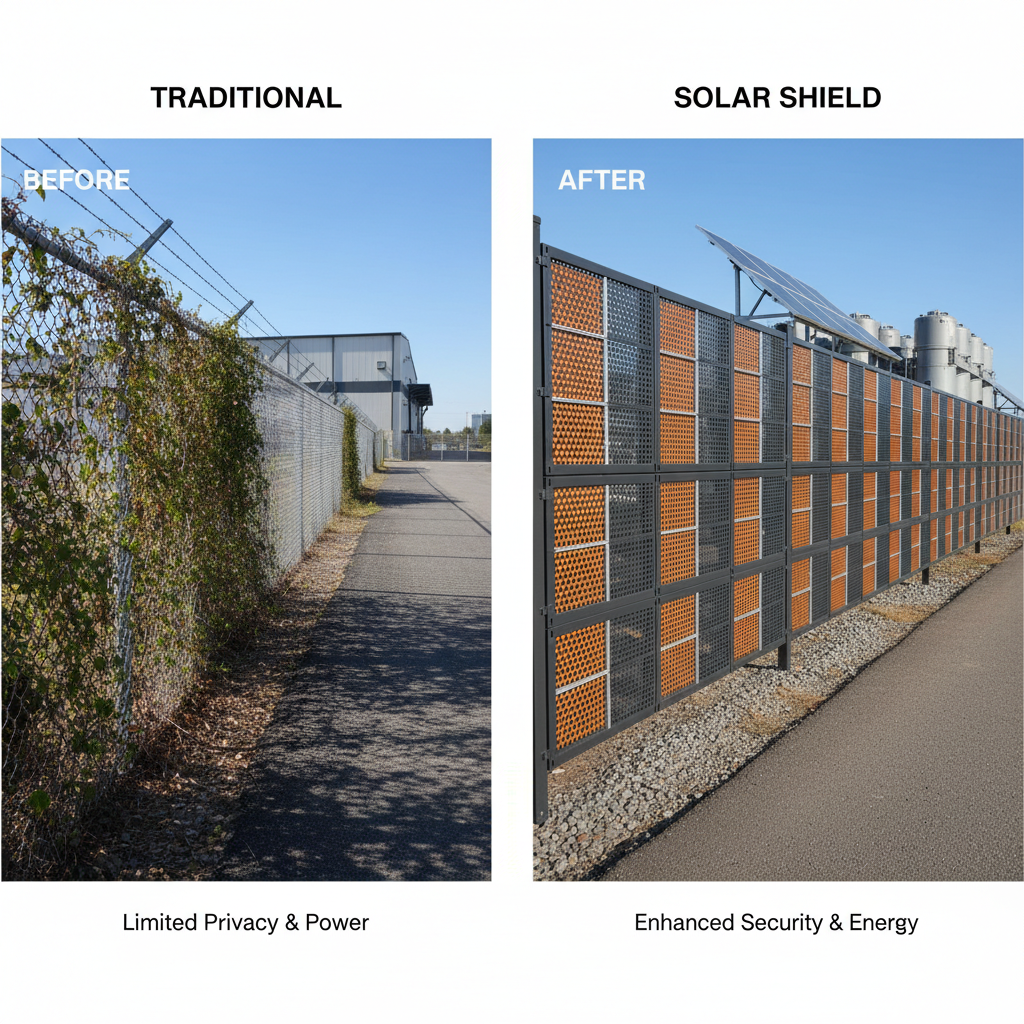
Finally, aesthetic resistance from homeowners' associations (HOAs) is being overcome through the use of "architectural PV." By designing a balcony solar system that looks like a modern decorative screen or a privacy fence, manufacturers are making green energy visually appealing.
Comparative Analysis of Balcony Solar System Implementation Strategies
| Installation Type |
Setup Complexity |
Energy Yield |
Aesthetic Impact |
| Plug-and-Play Kit |
Very Low |
Moderate |
Noticeable |
| Custom Rail Mount |
Medium |
High |
Integrated |
| Solar Fence Mesh |
Medium |
Moderate |
High Elegance |
| Wall-Mounted Array |
High |
High |
Industrial |
| Portable Foldable |
Very Low |
Low |
Temporary |
| Hybrid Storage System |
High |
Optimized |
Complex |
FAQS
In many regions, yes, because they are considered "temporary installations" since they don't require permanent structural changes to the building. However, it is always recommended to check your local building codes and lease agreement to ensure compliance with safety and aesthetic regulations.
A standard kit with two 400W panels can generate between 500kWh to 1,200kWh per year, depending on the sun exposure and geographic location. This is usually enough to cover the "base load" of a small apartment, such as the fridge, router, and some LED lighting.
Most balcony solar system kits are designed as plug-and-play. However, if you are adding a battery storage system or modifying your internal wiring, a certified electrician is highly recommended to ensure the system is grounded and safe.
Without a battery, the system only provides power while the sun is shining. During the night, your home automatically draws power from the grid. If you add a photovoltaic energy storage unit, you can save the daytime surplus for nighttime use.
Security is paramount. We recommend using high-grade stainless steel mounting brackets and safety cables. Ensuring the panels are flush against the railing or securely bolted to the wall prevents them from becoming hazardous during storms.
While efficiency drops during overcast days, modern monocrystalline panels can still harvest diffuse light. You won't get peak production, but the balcony solar system will continue to contribute some energy to your home.
Conclusion
The adoption of a balcony solar system represents a pivotal shift in urban energy dynamics, moving the power from centralized utilities to the hands of the individual. By combining high-efficiency photovoltaic cells with durable, deep-processed metal supports, these systems provide a low-barrier entry into sustainable living, reducing both monthly costs and environmental impact.
Looking forward, the integration of smart-grid technology and architectural aesthetics will make these installations an invisible yet essential part of the modern cityscape. For those looking to embrace energy independence, the time to invest in a balcony solar system is now. Visit our website: www.qhfilter.com to explore professional solutions.