The global shift toward decentralized energy has brought balcony solar power into the spotlight as a viable solution for urban dwellers. As electricity costs rise and climate goals become more pressing, the ability to generate clean energy from a small apartment balcony transforms a passive living space into a micro-power plant, empowering individuals to reduce their carbon footprint without needing a traditional roof.
Integrating sustainable technology into dense residential areas is no longer just a trend; it is a necessity for modern urban planning. By utilizing compact photovoltaic panels and smart inverters, balcony solar power allows renters and homeowners alike to bypass the complexities of large-scale installations, providing an accessible entry point into the renewable energy ecosystem.
Understanding the mechanics and benefits of these systems is crucial for maximizing energy yield and ensuring safety. From the selection of high-efficiency monocrystalline cells to the implementation of secure mounting frames—often drawing on advanced metal deep processing techniques—the evolution of balcony solar power represents the intersection of industrial precision and environmental stewardship.
Global Relevance of Balcony Solar Power
On a global scale, the urgency to transition to green energy is underscored by data from the International Energy Agency (IEA), which emphasizes that urban areas consume over two-thirds of the world's energy. For millions living in high-rise apartments, rooftop solar is an impossibility, creating a "solar divide" where urban residents are excluded from energy independence. balcony solar power bridges this gap by democratizing energy production.
This shift is particularly evident in Europe and Asia, where government subsidies and rising utility prices have accelerated the adoption of "plug-and-play" solar kits. The challenge lies in optimizing limited space and managing the structural integrity of balconies, necessitating the use of high-strength, corrosion-resistant materials like stainless steel mesh and reinforced frames to ensure long-term safety and durability.
Defining the Mechanism of Balcony Solar Power
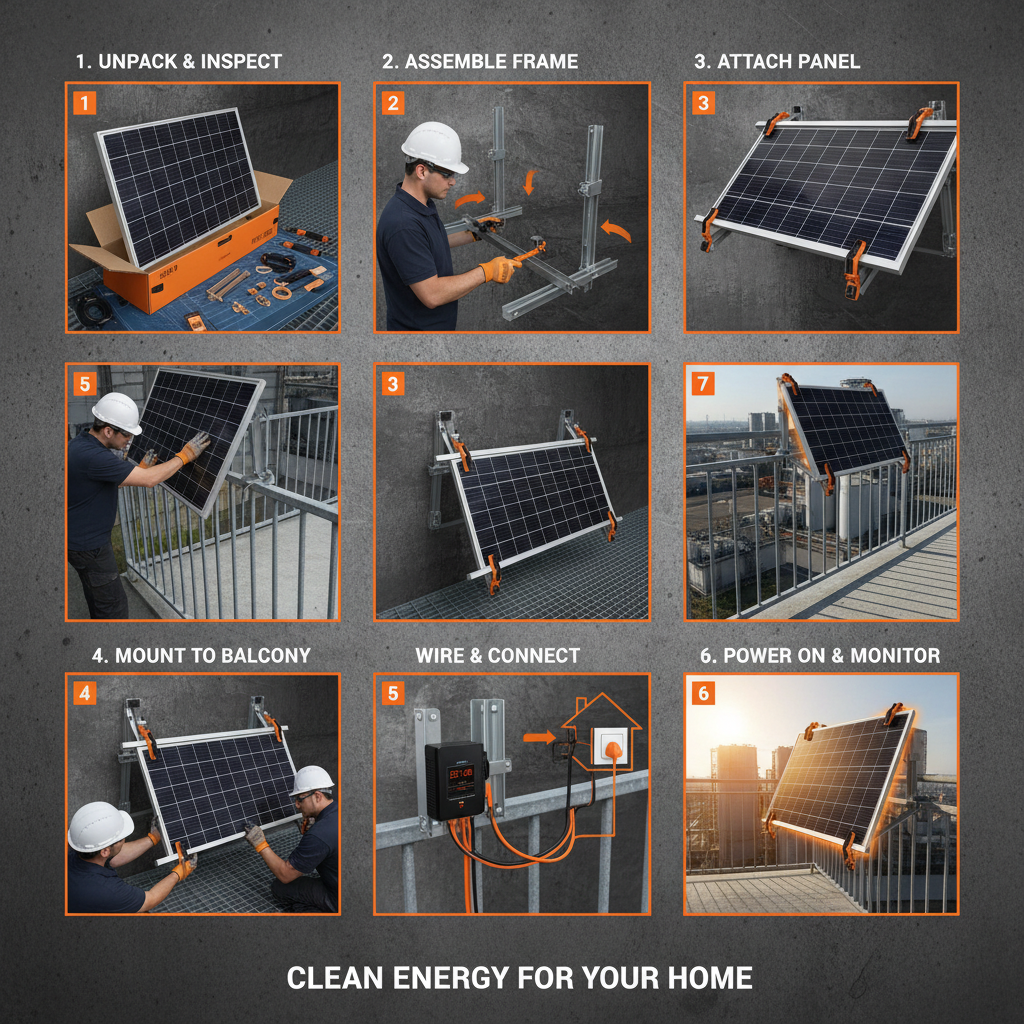
In simple terms, balcony solar power is a small-scale photovoltaic (PV) system designed to be installed on a balcony railing or wall. Unlike massive residential arrays, these systems typically consist of one or two high-efficiency panels connected to a micro-inverter, which converts the direct current (DC) generated by the sun into alternating current (AC) that can be fed directly into a standard home wall socket.
This technology aligns with the modern humanitarian need for energy resilience. In cities prone to grid instability or in regions with expensive energy tariffs, these systems provide a baseline of power for essential electronics. It is a form of "energy harvesting" that turns unused vertical space into a productive asset, reducing the reliance on centralized fossil-fuel-based grids.
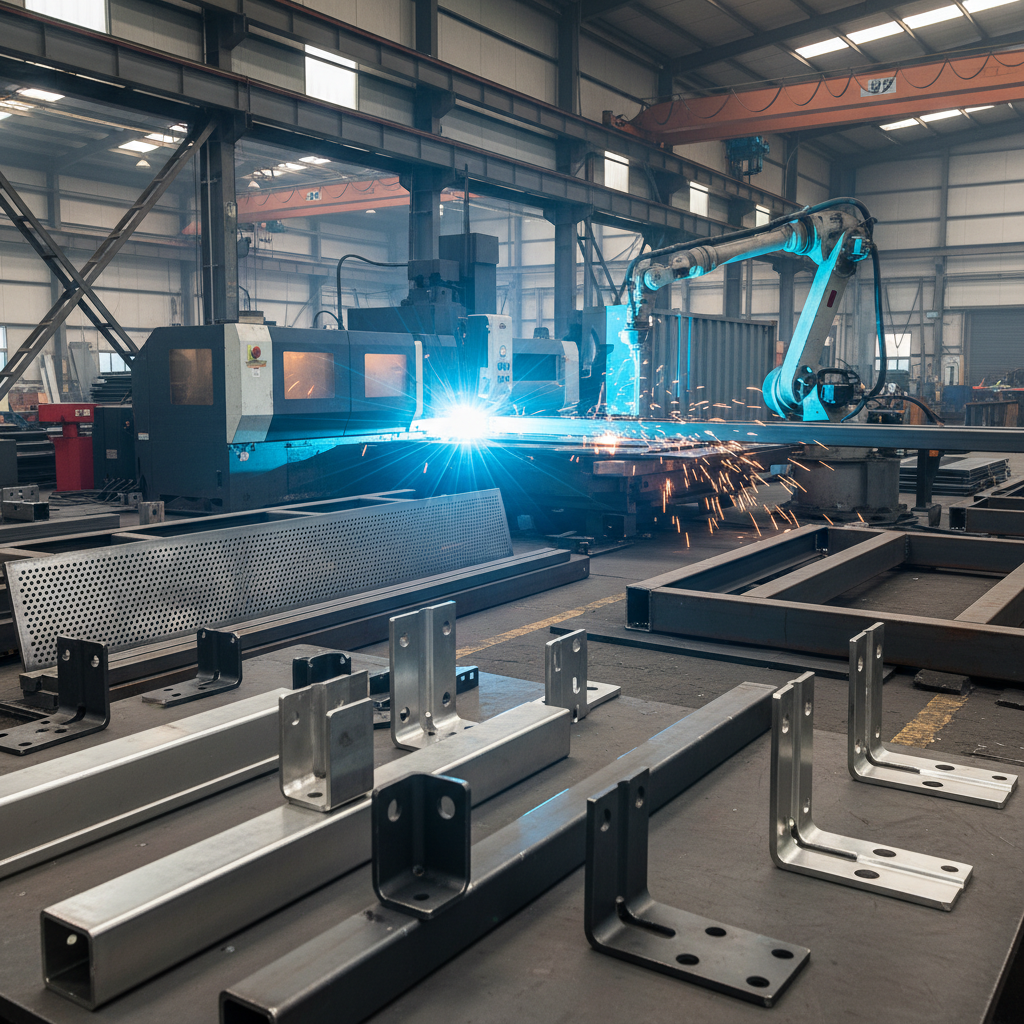
From an industrial perspective, the development of these systems relies heavily on deep processing of metals for the mounting hardware. The use of specialized alloys and precise cutting ensures that the panels remain stable under wind loads while resisting the oxidation common in outdoor urban environments, making the hardware as sustainable as the energy it produces.
Core Components for Maximum Efficiency
The first critical factor in any balcony solar power setup is the photovoltaic cell quality. Monocrystalline panels are generally preferred due to their higher efficiency rates in limited spaces, allowing users to generate more wattage per square inch of balcony railing.
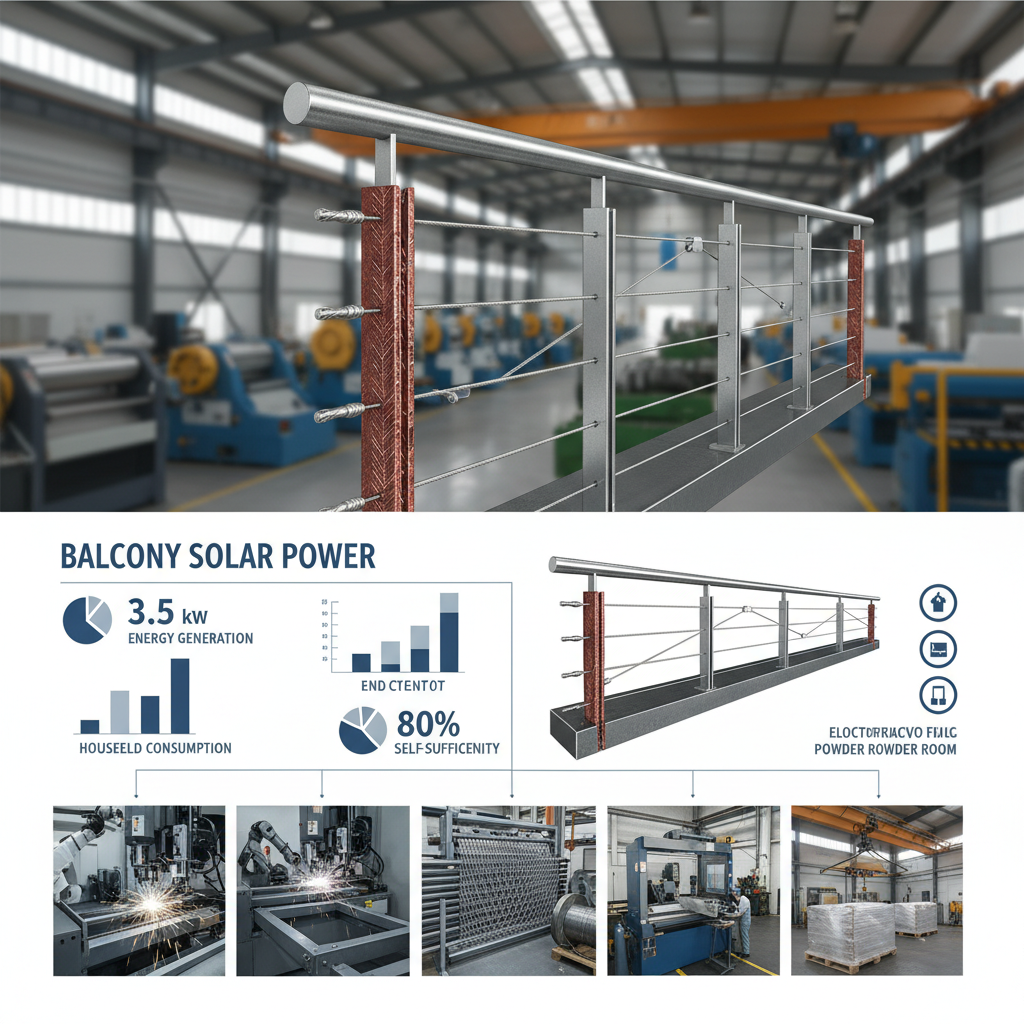
Equally important is the micro-inverter and the mounting system. A high-quality inverter ensures minimal energy loss during the DC-to-AC conversion, while the mounting frames—often utilizing advanced stainless steel wire mesh processing for stability—provide the necessary rigidity to withstand harsh weather conditions without damaging the building's facade.
Finally, scalability is key. Modern balcony solar power systems are designed to be modular. Users can start with a single panel and add more as their energy needs grow or as they integrate energy storage solutions, such as small lithium-ion battery packs, to store excess power for nighttime use.
Technical Factors and Performance Metrics
Evaluating the success of a balcony solar power installation requires looking at several performance metrics, including the solar irradiance of the location, the angle of inclination, and the conversion efficiency of the hardware. Because balconies often face partial shade from neighboring buildings, the use of micro-inverters is essential to prevent a single shaded cell from dropping the output of the entire string.
When comparing different installation methods, the balance between weight, wind resistance, and energy yield becomes the primary focus for engineers. The following data illustrates how different configurations of balcony solar systems perform based on efficiency and installation ease.
Comparative Efficiency of Balcony Solar Power Configurations
Real-World Applications in Urban Zones
In densely populated cities like Berlin, Tokyo, and New York, balcony solar power is being deployed as a tool for "energy democratization." In Germany, the "Balkonkraftwerk" (balcony power plant) has become a cultural phenomenon, with thousands of residents utilizing these systems to offset the costs of standby appliances like refrigerators and Wi-Fi routers.
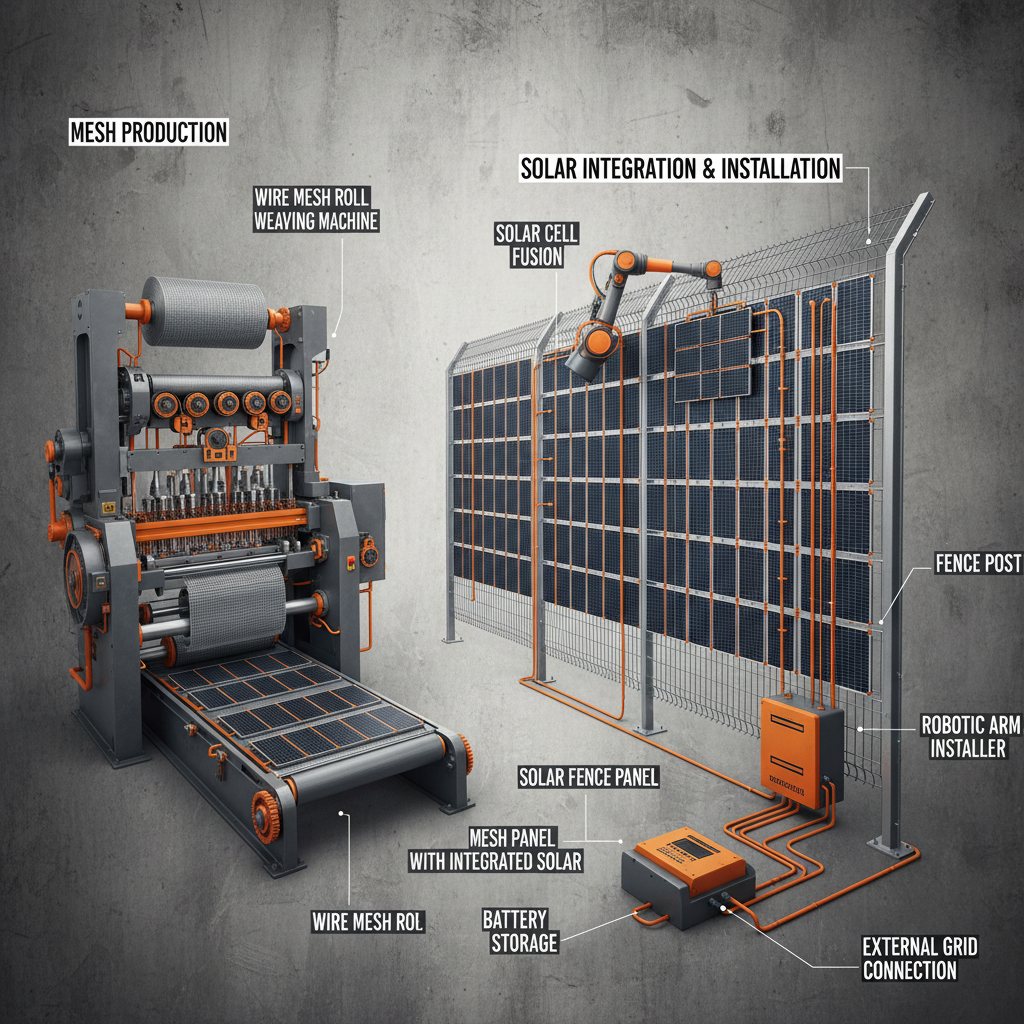
Beyond individual homes, these systems are finding use in remote industrial zones and temporary worker housing. By integrating PV panels into the protective metal mesh fencing of a balcony, companies can provide low-voltage power for lighting and charging stations without the need for extensive electrical rewiring of existing structures.
Long-Term Value and Economic Impact
The primary tangible benefit of balcony solar power is the immediate reduction in monthly electricity bills. While the system may not make a household entirely energy-independent, it significantly lowers the "base load" cost. Over a five-to-ten-year period, the initial investment is typically recovered through energy savings, making it a low-risk financial decision for most urbanites.
Beyond the logic of cost, there is a profound emotional value in the transition to self-sufficiency. The sense of agency—knowing that one's coffee machine or laptop is powered by the sun—builds trust in renewable technology and encourages a more mindful consumption of energy. This psychological shift is a critical driver for broader societal acceptance of green energy policies.
Furthermore, the installation of these systems increases the property value of rental units and apartments. As "green certifications" become more common in real estate, homes equipped with sustainable energy infrastructure like balcony solar power are viewed as more attractive and forward-thinking investments.
Future Innovations in Solar Integration
The future of balcony solar power lies in the development of BIPV (Building-Integrated Photovoltaics). We are moving toward a world where solar cells are not just panels bolted onto a railing, but are integrated into the very materials of the balcony, such as transparent solar glass or energy-generating metal decorative meshes.
Digital transformation is also playing a role through AI-driven energy management apps. These tools allow users to track their balcony solar power production in real-time and automatically shift high-energy tasks (like laundry) to peak production hours, optimizing the use of every single photon captured.
Moreover, the synergy between solar power and energy storage is evolving. New, safer solid-state batteries will allow balcony users to store larger amounts of energy in smaller, safer footprints, effectively turning the balcony into a reliable energy reserve for the entire apartment.
Comparative Analysis of Balcony Solar Integration Technologies
| Technology Type |
Installation Complexity |
Energy Yield (Avg) |
Durability Score |
| Standard Plug-in Kit |
Low |
Moderate |
7/10 |
| Custom Railing Array |
Medium |
High |
8/10 |
| BIPV Solar Glass |
High |
Moderate |
9/10 |
| Solar Mesh Fencing |
Medium |
Moderate |
10/10 |
| Hybrid Battery System |
Medium |
Very High |
8/10 |
| Portable Folding Panels |
Very Low |
Low |
6/10 |
FAQS
In many regions, especially in the EU, plug-in balcony solar systems are permitted as they are considered temporary installations. However, laws vary by city and lease agreement. It is always recommended to check with your landlord or local building authority regarding safety regulations and facade aesthetics before installation.
Depending on the panel wattage (usually 300W-800W) and the amount of sunlight your balcony receives, a typical system can offset 10% to 30% of a small apartment's annual electricity usage. This is ideal for powering "always-on" devices like routers, smart home hubs, and refrigerators.
Many balcony solar power kits are designed as "Plug-and-Play," meaning they connect directly to a standard wall outlet. However, for safety and to ensure compliance with local electrical codes, having a certified professional verify the connection is highly recommended, especially when integrating energy storage.
Solar panels still produce electricity in cloudy weather, though at a significantly reduced rate. To maintain a consistent power supply, many users pair their balcony solar power with a small battery storage unit that saves excess energy from sunny days for use during overcast periods.
This is a critical safety concern. Using high-quality mounting hardware, such as those made from deep-processed stainless steel or reinforced aluminum, ensures the panels are securely anchored. Proper installation according to wind-load specifications is essential to prevent accidents in high-rise environments.
Most high-quality photovoltaic panels are rated for 20 to 25 years, though their efficiency drops slightly over time. The micro-inverters typically have a lifespan of 10 to 15 years. With proper maintenance and durable mounting frames, your investment will provide clean energy for over a decade.
Conclusion
The adoption of balcony solar power represents a significant step toward urban sustainability, turning neglected spaces into active energy assets. By combining high-efficiency PV technology with robust industrial materials, city dwellers can effectively lower their energy costs, reduce their reliance on fossil fuels, and participate in the global transition to green energy.
As technology advances toward more seamless integration and smarter energy management, the "solar balcony" will likely become a standard feature of modern architecture. For those looking to start their journey toward energy independence, investing in quality components and secure installation is the best way to ensure a safe and productive future. Visit our website for more industrial solutions: www.qhfilter.com