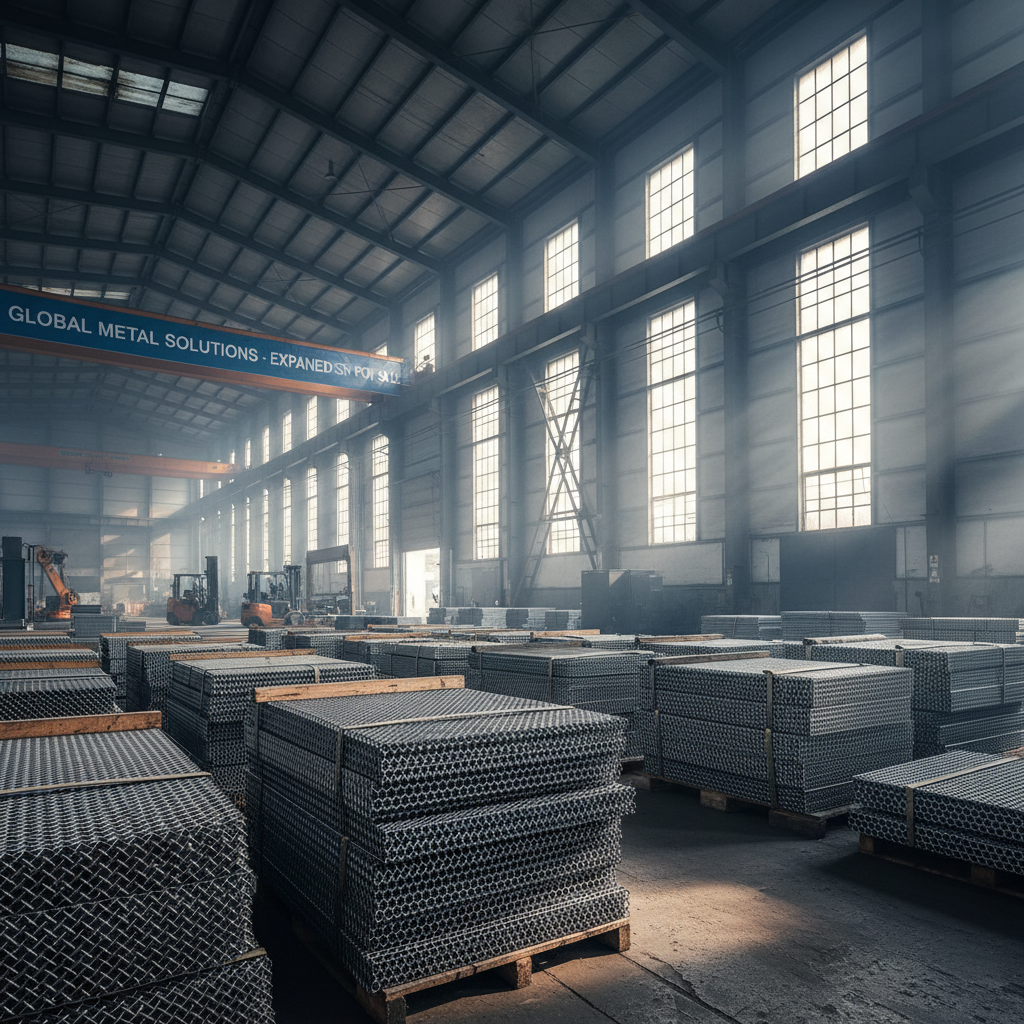
Stainless steel net price is a critical factor in a multitude of industries, ranging from construction and manufacturing to food processing and healthcare. Understanding its fluctuations, influencing factors, and long-term trends is essential for effective budgeting, project planning, and overall business success. Global economic conditions, raw material costs, and geopolitical events all contribute to the dynamic nature of stainless steel net price, making informed analysis crucial for stakeholders across the supply chain.
The importance of accurately assessing stainless steel net price extends beyond purely economic considerations. Access to affordable and reliable stainless steel is vital for infrastructure development, particularly in rapidly growing economies. Furthermore, variations in price impact the cost of essential products, influencing consumer spending and potentially exacerbating economic inequalities. A stable and predictable stainless steel net price fosters confidence and promotes sustainable growth.
Ultimately, comprehending the intricacies of stainless steel net price empowers businesses and governments to make strategic decisions, optimize resource allocation, and navigate the complexities of the global marketplace. A thorough grasp of this critical metric is no longer a luxury but a necessity for long-term prosperity and resilience.
The Significance of Stainless Steel Net Price
The accurate determination of stainless steel net price is paramount for businesses involved in procurement, manufacturing, and distribution. Fluctuations can significantly impact project budgets, profit margins, and competitive positioning. Understanding the drivers behind these changes—such as raw material availability, energy costs, and global demand—allows organizations to proactively mitigate risks and capitalize on opportunities. stainless steel net price plays a huge role here.
Beyond the immediate financial implications, the stability of stainless steel net price is essential for fostering long-term investment and innovation. Predictable pricing encourages companies to develop new applications for stainless steel, driving technological advancements and creating economic value. Conversely, volatile pricing can discourage investment and hinder growth.
Global Market Dynamics of Stainless Steel Net Price
The stainless steel market is a complex global ecosystem, heavily influenced by macroeconomic trends and geopolitical factors. China, as the world’s largest producer and consumer of stainless steel, exerts a significant influence on net price. Demand from sectors like construction, automotive, and consumer goods in China—and increasingly in India and Southeast Asia—directly impacts global supply and pricing.
Furthermore, trade policies, such as tariffs and quotas, can create distortions in the market, affecting the stainless steel net price in different regions. The imposition of tariffs on stainless steel imports can increase costs for downstream industries, while trade agreements can facilitate more competitive pricing. Global events, like the Russia-Ukraine war, also significantly disrupt supply chains and consequently influence stainless steel net price.
International organizations like the World Steel Association provide valuable data and insights into global stainless steel production, consumption, and trade patterns. Monitoring these trends is crucial for understanding the forces shaping stainless steel net price and making informed business decisions.
Defining Stainless Steel Net Price
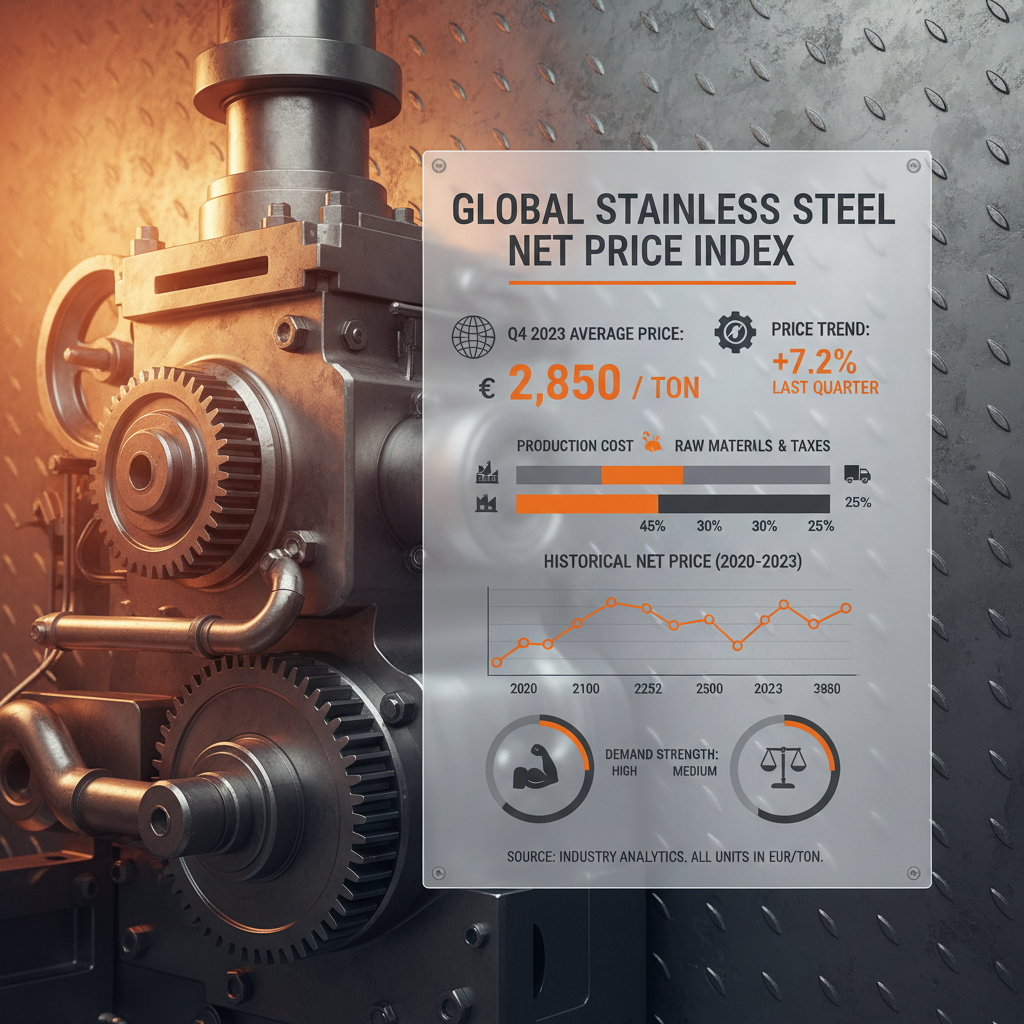
Stainless steel net price refers to the final cost of stainless steel after deducting any discounts, rebates, or transportation expenses. It represents the actual amount a buyer pays for the material, providing a clear understanding of the true cost of procurement. This differs from the list price or quoted price, as it accounts for all relevant deductions.
It’s important to distinguish between different types of stainless steel, as the net price varies considerably depending on the alloy composition (e.g., 304, 316, 410). The specific grade, form (e.g., sheet, plate, bar, tube), and finish also influence the final cost. Accurate specification and clear communication between buyer and seller are therefore essential for determining the correct stainless steel net price.
In modern industrial applications, stainless steel is ubiquitous due to its corrosion resistance, durability, and aesthetic appeal. From medical instruments and food processing equipment to architectural structures and automotive components, its versatility makes it a vital material in countless industries, making a precise understanding of its net price essential for effective cost management.
Core Factors Influencing Stainless Steel Net Price
Several key factors contribute to fluctuations in stainless steel net price. The cost of raw materials—particularly nickel, chromium, and molybdenum—is a major determinant. These metals are essential alloying elements in stainless steel, and their prices are subject to market volatility. stainless steel net price are directly related to these costs.
Energy costs also play a significant role, as stainless steel production is an energy-intensive process. Rising energy prices can increase production costs and, consequently, the net price. Additionally, supply chain disruptions, labor costs, and exchange rate fluctuations can all contribute to price volatility.
Stainless Steel Net Price Influencing Factors
Applications Across Industries
Stainless steel is used extensively across numerous industries. In the food and beverage sector, its corrosion resistance and hygienic properties make it ideal for processing equipment and storage tanks. The chemical processing industry relies on stainless steel's ability to withstand harsh environments and corrosive substances.
Construction utilizes stainless steel for structural components, cladding, and roofing, benefiting from its durability and aesthetic appeal. The medical industry depends on stainless steel for surgical instruments, implants, and sterilization equipment due to its biocompatibility and ease of sterilization. In post-disaster relief operations, stainless steel's strength and longevity make it a valuable material for temporary shelters and water purification systems.
Long-Term Value and Sustainability
Investing in stainless steel, despite initial cost considerations, often yields significant long-term value. Its exceptional durability and corrosion resistance minimize maintenance and replacement costs, reducing the total cost of ownership. This is a crucial aspect when considering stainless steel net price in relation to life cycle costs.
Furthermore, stainless steel is 100% recyclable, contributing to a circular economy and reducing environmental impact. Its long lifespan and recyclability align with sustainability goals, making it a responsible material choice for environmentally conscious organizations and consumers. The ability to re-use and recycle stainless steel mitigates the need for new production, reducing energy consumption and greenhouse gas emissions.
The superior performance and longevity of stainless steel contribute to safety, reliability, and innovation in various applications, bolstering its value proposition and fostering trust among stakeholders.
Future Trends and Challenges
The future of stainless steel net price will be shaped by several emerging trends. Increased demand for high-alloy stainless steels with enhanced corrosion resistance will likely drive up prices for specific grades. The development of more sustainable production methods, such as utilizing recycled content and reducing energy consumption, could also influence pricing.
Digitalization and automation in the stainless steel industry promise to improve efficiency and reduce costs, potentially mitigating some price pressures. However, challenges remain, including geopolitical instability, supply chain disruptions, and the increasing cost of raw materials. Continued monitoring of these factors is crucial for accurately forecasting stainless steel net price.
Advancements in materials science may also lead to the development of alternative alloys with comparable properties to stainless steel, potentially impacting market dynamics and influencing future net price trends.
Summary of Challenges and Potential Solutions
| Challenge |
Impact on Stainless Steel Net Price |
Potential Solution |
Implementation Difficulty (1-10) |
| Raw Material Volatility |
Increased production costs, fluctuating net price |
Long-term supply contracts, diversification of sourcing |
7 |
| Supply Chain Disruptions |
Delays in delivery, increased lead times, higher net price |
Regionalization of supply chains, buffer stock management |
8 |
| Energy Costs |
Increased production costs, elevated net price |
Investment in energy-efficient technologies, renewable energy sources |
6 |
| Geopolitical Instability |
Trade restrictions, supply disruptions, price volatility |
Diversification of markets, political risk insurance |
9 |
| Trade Tariffs |
Increased import costs, higher net price for consumers |
Negotiating trade agreements, exploring alternative sourcing options |
7 |
| Lack of Transparency |
Difficulty in accurate price forecasting |
Industry standardization of pricing data |
5 |
FAQS
Several factors dramatically influence stainless steel net price, with raw material costs (nickel, chromium, molybdenum) being the most prominent. Fluctuations in energy prices, especially electricity and gas, also significantly impact production costs. Global supply and demand, geopolitical events, trade policies like tariffs, and even exchange rate variations all contribute to net price volatility. Accurate forecasting requires monitoring all these elements.
To mitigate risks, consider long-term supply contracts with fixed or indexed pricing. Diversifying your sourcing base reduces reliance on any single supplier or region. Implementing effective inventory management strategies and exploring hedging instruments can also offer protection. Staying informed about market trends and geopolitical events allows for proactive decision-making. Consider exploring alternative materials where suitable.
List price is the initial quoted price by the supplier, while net price is the final amount you actually pay after deductions. These deductions can include discounts (volume, early payment), rebates, shipping costs, and any other applicable charges. Net price represents the true cost of the material, making it a more accurate figure for budgeting and cost analysis.
Different stainless steel grades have varying compositions and production processes, directly affecting their net price. Grades with higher alloy content, like 316 (containing molybdenum for enhanced corrosion resistance), are typically more expensive than grades like 304. Specialty grades designed for specific applications will also command a premium. The form (sheet, bar, tube) and finish also contribute to price variations.
China is the world's largest producer and consumer of stainless steel, wielding significant influence over global net prices. Demand from China’s construction, manufacturing, and automotive sectors drives global supply and pricing. Changes in Chinese production capacity, trade policies, and domestic consumption patterns have a ripple effect on the global market. Monitoring Chinese market dynamics is crucial for understanding trends.
Staying informed requires regularly monitoring industry publications (World Steel Association, MetalMiner), tracking commodity price indices, and consulting with metal suppliers and analysts. Subscribing to price alerts and participating in industry events can also provide valuable insights. Analyzing geopolitical events and economic forecasts helps anticipate potential price fluctuations.
Conclusion
In conclusion, understanding stainless steel net price is paramount for success across a wide range of industries. Its fluctuations are driven by a complex interplay of factors, including raw material costs, energy prices, geopolitical events, and global supply and demand. Proactive risk management, informed sourcing strategies, and diligent market monitoring are essential for mitigating volatility and maximizing value.
Looking ahead, embracing sustainable practices, investing in technological innovation, and fostering transparency in the supply chain will be crucial for ensuring a stable and responsible stainless steel market. By prioritizing long-term value over short-term gains, businesses and governments can unlock the full potential of this versatile material and contribute to a more sustainable future. For competitive stainless steel net price, contact us today.