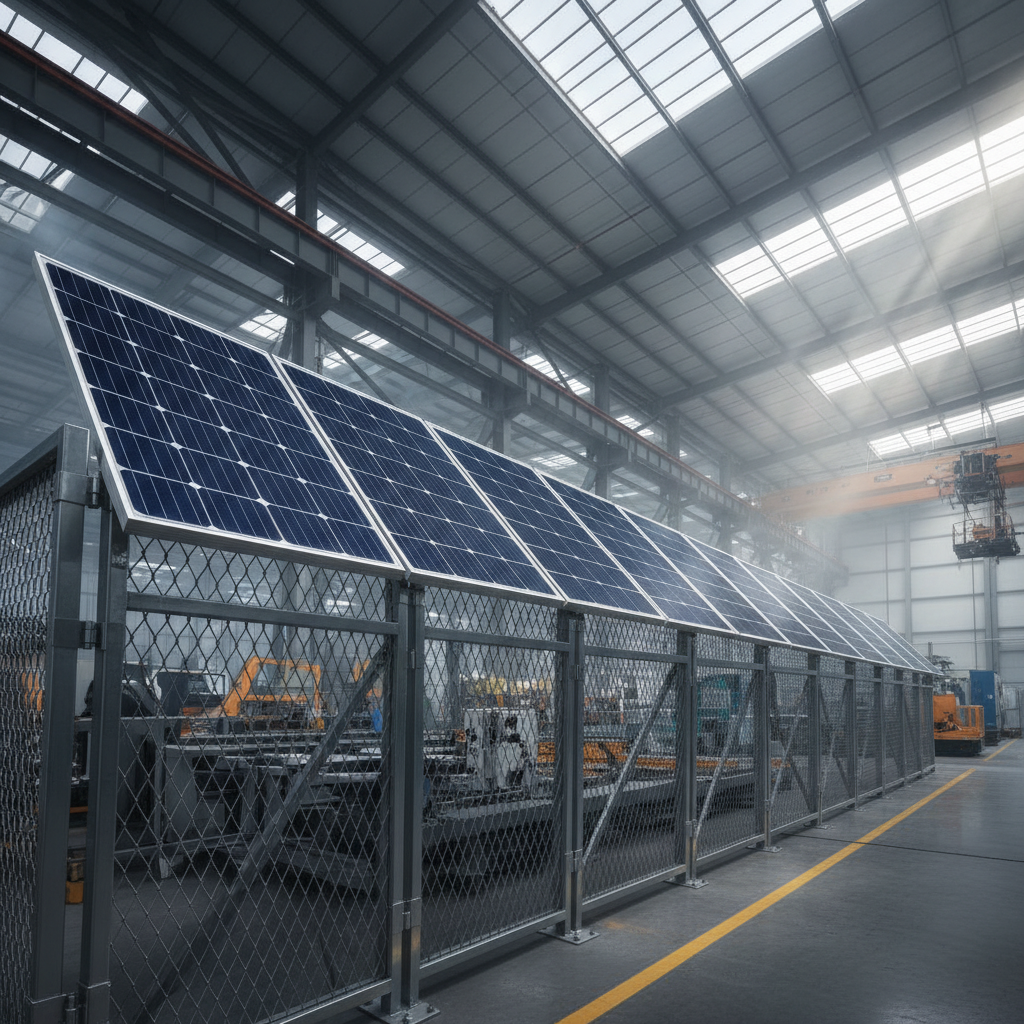
Solar fence price is a critical consideration for a growing number of applications, ranging from perimeter security for critical infrastructure to safeguarding agricultural lands and residential properties. The demand for robust, cost-effective, and energy-efficient fencing solutions is increasing globally, driven by factors like rising security concerns, the need for sustainable practices, and the integration of smart technologies. Understanding the nuances of solar fence price allows for informed decision-making and optimized investments in security and asset protection.
The global security fencing market is experiencing significant growth, projected to reach substantial figures in the coming years (data from sources like the World Bank and industry reports). This growth is fueled by geopolitical instability, increased urbanization, and the rising cost of traditional security measures. Solar-powered fencing offers a compelling alternative, reducing reliance on grid power and associated costs, particularly in remote locations. Understanding the solar fence price breakdown is vital for budgeting and project feasibility.
A key challenge addressed by understanding the solar fence price is the often-high operational costs of traditional electric fences, which require a constant power source. Solar-powered fences eliminate this dependency, offering a sustainable and often more affordable long-term solution. This makes them especially valuable in areas with limited or unreliable access to electricity, contributing to improved security and peace of mind for homeowners, farmers, and businesses.
Introduction to solar fence price
The term 'solar fence price' encompasses more than just the initial cost of materials. It’s a comprehensive assessment of the entire system’s lifetime expenses, including installation, maintenance, battery replacements, and potential repairs. A thorough understanding of these factors is crucial for accurately evaluating the return on investment and comparing different solar fence solutions. solar fence price varies widely based on features and complexity.
Factors impacting the solar fence price significantly include the length of the fence, the type of energizer used, the number of strands of wire, the terrain's difficulty (affecting installation costs), and any additional security features incorporated. Exploring different vendor options and comparing quotes is paramount to securing the most competitive solar fence price.
Defining Solar Fence Price
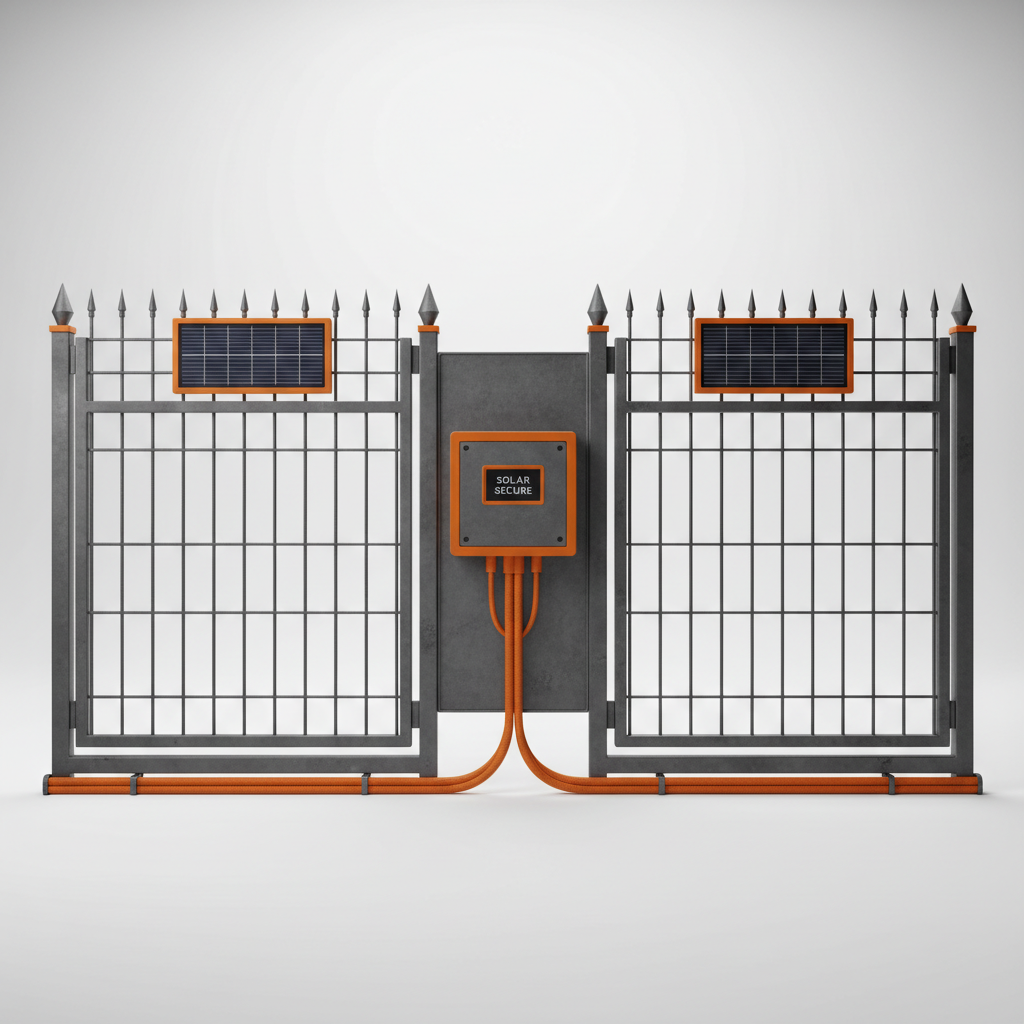
Solar fence price refers to the total expenditure associated with acquiring, installing, and maintaining a fencing system powered by solar energy. This includes the cost of the solar panel, battery, energizer, fencing wire, posts, grounding rods, installation labor, and any ongoing maintenance or replacement parts. The price is often expressed as a cost per meter or cost per acre, allowing for easier comparison between different systems.
The concept of solar fence price is increasingly relevant in the context of sustainable energy solutions. Traditional electric fences rely on grid electricity, which can be expensive, unreliable, or unavailable in remote areas. Solar-powered fences offer a cleaner, more sustainable alternative, reducing carbon footprints and operating costs over the long term.
Understanding the solar fence price allows for a clear cost-benefit analysis, comparing it to the expenses of traditional fencing or other security measures. This analysis should consider the system’s lifespan, maintenance requirements, and potential savings on electricity bills to determine the overall economic viability of the investment.
Core Components Influencing Solar Fence Price
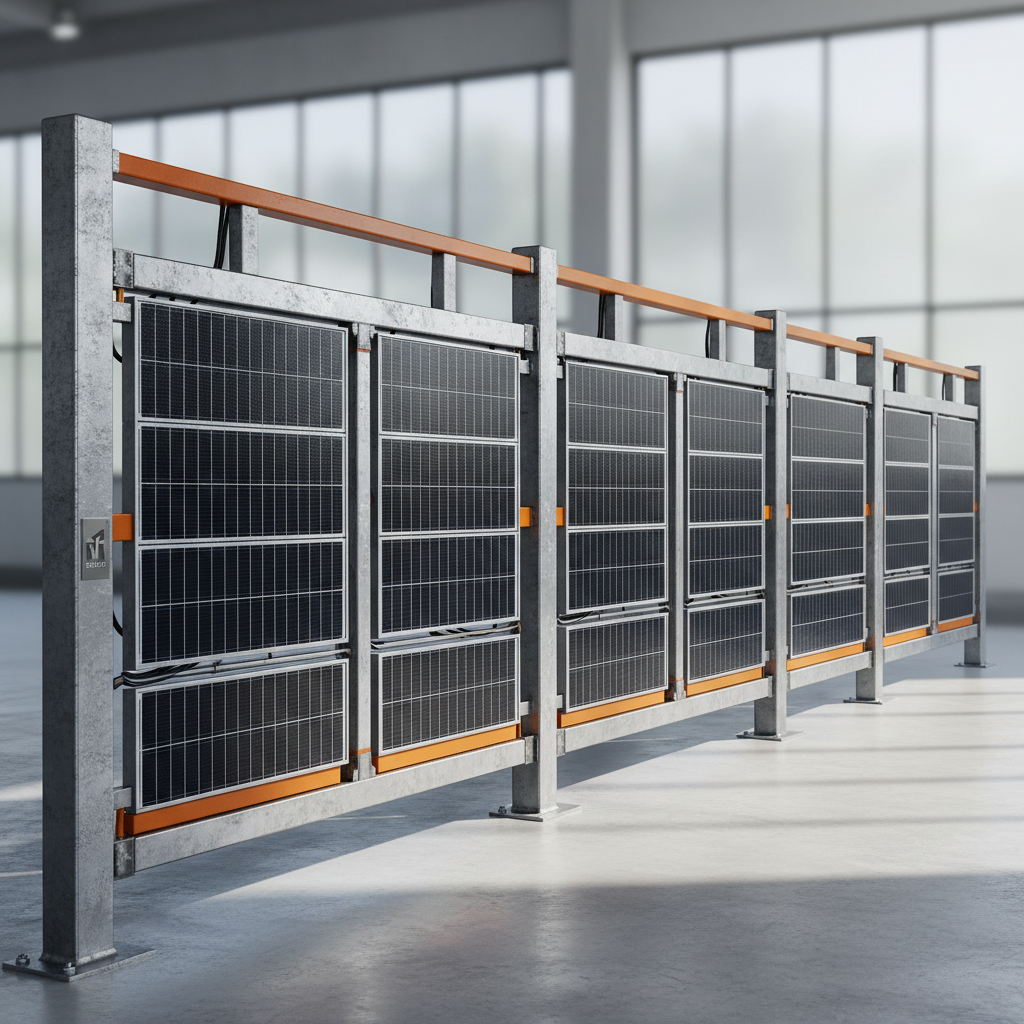
Several key components contribute to the overall solar fence price. The solar panel's wattage and efficiency directly impact the system’s ability to generate sufficient power, influencing the panel’s cost. The battery's capacity and lifespan determine how long the fence can operate without sunlight, and the battery type (lead-acid, lithium-ion, etc.) significantly affects the price.
The energizer, responsible for delivering the electric pulse, varies in power output and features, impacting its cost. Higher-powered energizers are needed for longer fences or areas with dense vegetation. The fencing wire's material (steel, aluminum, polywire) and gauge also contribute to the price. Finally, installation costs – which depend on terrain, distance, and labor rates – can significantly alter the overall cost.
Beyond these core components, additional features like remote monitoring systems, gate controllers, and lightning protection can further influence the solar fence price. Careful consideration of these factors is necessary to select a system that meets specific security needs and budgetary constraints, optimizing the solar fence price.
Real-World Applications of Solar Fence Price
The affordability of a competitive solar fence price makes it viable across numerous sectors. In agriculture, solar fences protect livestock from predators and prevent animals from straying, reducing losses and improving farm efficiency. The price point is particularly attractive for large-scale farming operations in remote areas.
For perimeter security, solar fences safeguard industrial sites, power stations, telecommunications facilities, and critical infrastructure. The self-sufficiency of solar power eliminates the need for expensive grid connections, making it a cost-effective security solution. The total solar fence price is often justified by the value of assets protected.
Solar Fence Price Comparison by System Type
Advantages and Long-Term Value
The primary advantage of a competitive solar fence price lies in the reduction of long-term operating costs. Eliminating electricity bills and minimizing maintenance requirements translate into significant savings over the fence’s lifespan. This makes it a financially prudent choice for long-term security and asset protection.
Beyond cost savings, solar fences offer environmental benefits by reducing reliance on fossil fuels. They also provide a reliable security solution in remote locations where grid power is unavailable or unreliable. The increased safety and security contribute to peace of mind and enhanced property value.
Future Trends in Solar Fence Price
Advancements in solar panel technology, particularly the development of more efficient and affordable panels, are expected to drive down the overall solar fence price in the coming years. The integration of smart technologies, such as remote monitoring and control systems, will also become more prevalent and potentially influence pricing.
Furthermore, the increasing demand for sustainable security solutions is likely to incentivize manufacturers to develop innovative and cost-effective solar fence designs. The use of longer-lasting batteries, like lithium-ion, will reduce the frequency of replacements, lowering lifecycle costs.
Policy initiatives promoting renewable energy and sustainable agriculture could also lead to government incentives or subsidies, making solar fencing more accessible and affordable. This will further boost the market and potentially lower the solar fence price for consumers.
Common Challenges and Solutions
One common challenge is the initial investment cost, which can be higher than traditional fencing. However, a careful cost-benefit analysis, considering long-term savings, often reveals the economic advantages of solar fencing. Optimizing system design and sourcing components from reputable suppliers can help minimize the initial solar fence price.
Battery life and replacement costs are another concern. Choosing high-quality batteries with extended warranties and implementing proper battery maintenance practices can mitigate this issue. Utilizing energy-efficient energizers and optimizing fence design to minimize power consumption can also extend battery life.
Finally, ensuring proper grounding and lightning protection is crucial to prevent damage to the system. Installing surge protectors and following best practices for grounding can safeguard the solar fence and minimize the risk of costly repairs, ultimately protecting the solar fence price investment.
Summary of Common Challenges and Solutions for Solar Fence Systems
| Challenge |
Impact on Solar Fence Price |
Solution |
Cost Impact of Solution |
| High Initial Investment |
Increases upfront solar fence price. |
System optimization & component sourcing. |
Low – Moderate |
| Battery Life |
Frequent replacement increases lifecycle cost. |
High-quality batteries, efficient energizers. |
Moderate – High |
| Environmental Factors |
Extreme weather can damage components. |
Durable materials, weather-resistant design. |
Moderate |
| Installation Complexity |
Difficult terrain raises labor costs. |
Professional installation, proper planning. |
Moderate |
| Lightning Strikes |
Can severely damage the system. |
Surge protectors, proper grounding. |
Low |
| Vegetation Interference |
Reduces fence effectiveness. |
Regular vegetation control & stronger energizer. |
Low - Moderate |
FAQS
The solar panel wattage, battery capacity and type, energizer power, fence length, and installation complexity are the biggest price drivers. Terrain difficulty and the need for additional security features also play a role. A detailed quote outlining these components is crucial for understanding the total cost and ensuring a fair solar fence price.
While the initial solar fence price might be higher, the elimination of electricity costs often leads to lower lifecycle costs. Traditional fences require a constant power supply, incurring ongoing expenses. Battery replacement costs for solar fences are decreasing, and the long-term savings generally outweigh the initial investment, making it a financially advantageous choice.
A well-maintained solar fence system can last 10-20 years or more. The lifespan of key components like the solar panel and energizer will significantly influence the overall solar fence price. Choosing quality components with extended warranties is crucial for maximizing the return on investment and minimizing long-term maintenance costs.
While some DIY kits are available, professional installation is generally recommended, especially for larger or more complex systems. Proper grounding, wiring, and energizer setup are critical for safety and effectiveness. A professional installer can ensure the system is properly configured and meets local electrical codes, avoiding potential issues and safeguarding the solar fence price investment.
Regular maintenance includes keeping the solar panel clean, checking battery connections, and inspecting the fence line for damage or vegetation interference. Battery replacement is the most significant ongoing cost. The frequency of battery replacement depends on usage and battery type, but generally falls every 3-7 years. Periodic vegetation control also adds to the maintenance costs.
Some regions offer incentives or rebates for renewable energy installations, including solar-powered fencing. These incentives can help reduce the overall solar fence price. It’s important to check with local authorities and energy providers to see if any programs are available in your area. Programs often target agricultural or rural security applications.
Conclusion
In conclusion, the solar fence price represents a strategic investment in long-term security, sustainability, and cost savings. By carefully considering the core components, understanding real-world applications, and anticipating future trends, individuals and organizations can make informed decisions about adopting this innovative fencing solution. The benefits extend beyond mere security, encompassing environmental responsibility and reduced operating expenses.
Looking ahead, the evolution of solar technology and the increasing demand for sustainable solutions will likely drive down the solar fence price and enhance its accessibility. Investing in a well-designed and properly installed solar fence is a proactive step towards a more secure, efficient, and environmentally friendly future. Visit our website to learn more about optimizing your solar fence price: solar fence price.