Solar fencing price is a crucial factor for securing properties, especially in agricultural and rural settings. Understanding the components that contribute to the overall cost, from the solar energizer and wiring to the posts and insulators, is paramount for effective budgeting and implementation. This knowledge empowers landowners and security professionals to make informed decisions about protecting their assets.
The global demand for secure perimeter solutions is consistently rising, driven by factors such as increasing livestock theft, crop damage from wildlife, and overall security concerns in rural areas. Solar fencing offers a cost-effective and environmentally friendly alternative to traditional electric fencing powered by mains electricity, especially in remote locations. The escalating costs of conventional energy sources further underscore the appeal of solar-powered options and directly influence the solar fencing price.
Ultimately, the solar fencing price isn’t merely a number; it's an investment in peace of mind, asset protection, and sustainable security. A thorough understanding of the factors influencing this price allows for optimized solutions tailored to specific needs and budgets. It's an area where smart planning yields long-term savings and enhanced security.
Introduction to Solar Fencing Price
The solar fencing price varies significantly depending on numerous factors, including the length of the fence, the terrain, the type of animals being contained or excluded, and the quality of the components used. A basic system can be quite affordable, while more robust and extensive installations will naturally command a higher price point. Understanding these variables is the first step towards obtaining a realistic estimate.
Ultimately, assessing the solar fencing price requires a holistic view, considering not just the upfront costs but also the long-term savings associated with reduced electricity bills and minimal maintenance. When evaluating quotes, it’s essential to compare apples to apples, ensuring that all components and installation services are accounted for. You can find more information about pricing at solar fencing price.
Global Relevance & Market Dynamics
The market for solar fencing is experiencing steady growth globally, particularly in regions with extensive agricultural lands and wildlife concerns. Countries like Australia, New Zealand, South Africa, and the United States represent significant markets, driven by the need to protect livestock and crops from predators and thieves. The increasing awareness of sustainable energy solutions is further fueling demand.
According to a recent report by the Food and Agriculture Organization (FAO) of the United Nations, livestock losses due to predation and theft cost farmers billions of dollars annually. Solar fencing provides a viable solution to mitigate these losses, offering a reliable and cost-effective alternative to traditional fencing methods. The UN’s Sustainable Development Goals (SDGs), particularly those related to food security and sustainable agriculture, also indirectly support the adoption of solar fencing.
The price of solar panels and batteries, key components of solar fencing systems, has decreased substantially over the past decade, making solar fencing more accessible to a wider range of consumers. This downward trend in component costs, combined with increasing demand, is shaping the current market dynamics and driving innovation in the industry.
Defining Solar Fencing Price
Solar fencing price encompasses the total cost of establishing a perimeter security system powered by solar energy. This isn’t simply the cost of the energizer; it’s a comprehensive sum covering all components – the energizer itself, solar panel(s), batteries (if applicable), posts, wire or tape, insulators, grounding rods, gates, and installation labor.
The ‘price’ also needs to be viewed considering the total cost of ownership. While a cheaper initial system might seem appealing, it could lead to higher maintenance costs or shorter lifespan, ultimately making it more expensive in the long run. Therefore, assessing the quality and durability of the components is essential when evaluating different options.
Effectively, understanding the solar fencing price involves a nuanced approach, considering both upfront investment and long-term operational expenses. The price is a reflection of the security, sustainability, and independence it offers, especially in areas lacking access to reliable grid power.
Core Components Influencing Price
Several key factors contribute to the overall solar fencing price. The solar energizer is the heart of the system and its cost varies based on its power output, features, and brand reputation. Higher-powered energizers are necessary for longer fences or areas with dense vegetation.
The solar panel’s wattage and efficiency directly impact the system’s ability to charge the battery and power the energizer. Larger, more efficient panels will cost more but provide greater reliability, especially in regions with limited sunlight. Battery type and capacity also play a crucial role, with lithium-ion batteries generally being more expensive but offering longer lifespan and better performance than lead-acid batteries.
Solar Fencing Price Breakdown
Real-World Applications and Scenarios
Solar fencing is widely utilized in agricultural settings to protect livestock from predators like coyotes, wolves, and wild dogs. Farmers and ranchers benefit from reduced animal losses and improved productivity. It’s also increasingly employed to deter crop raiding by wildlife such as deer and elephants, safeguarding harvests and livelihoods.
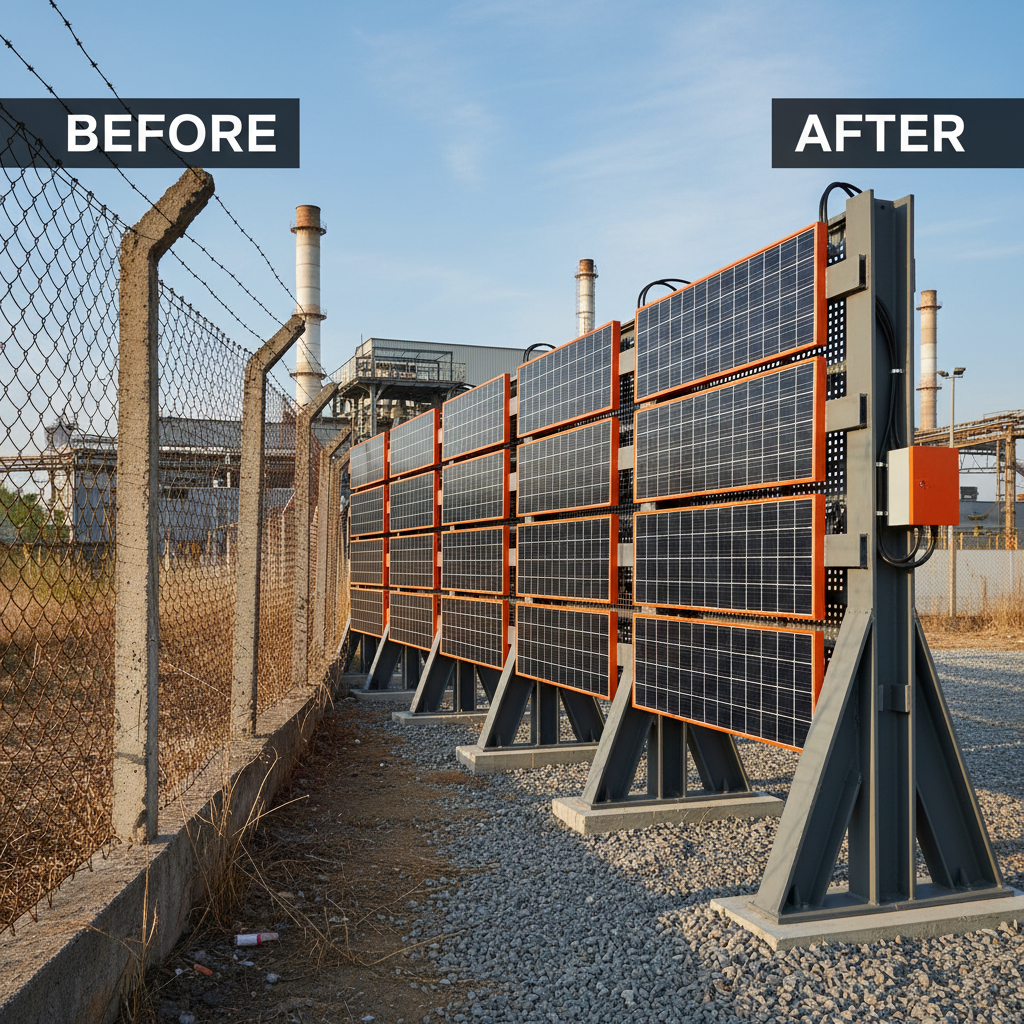
Beyond agriculture, solar fencing finds applications in securing critical infrastructure like power substations and communication towers. Its remote operation capability and lack of reliance on grid power make it ideal for protecting assets in isolated locations. It's even used to create secure perimeters around conservation areas, preventing poaching and illegal logging.
Advantages & Long-Term Cost Benefits
The primary advantage of solar fencing lies in its independence from the electrical grid, eliminating the need for costly trenching and wiring, especially in remote areas. This reduces installation costs and ongoing energy expenses. Furthermore, solar fencing is environmentally friendly, reducing carbon emissions compared to traditional electric fences powered by fossil fuels.
The long-term cost benefits are significant. While the initial investment might be higher than for a conventional fence, the elimination of electricity bills and reduced maintenance requirements translate into substantial savings over the system's lifespan. Solar fencing also enhances security, protecting valuable assets and preventing losses, providing a tangible return on investment.
Future Trends and Innovation in Solar Fencing
Ongoing research and development are focused on improving the efficiency of solar panels and batteries, leading to more powerful and reliable solar fencing systems. The integration of smart technologies, such as remote monitoring and control via smartphone apps, is becoming increasingly common, allowing users to manage their fences remotely and receive alerts in case of breaches.
The development of new materials, such as lightweight and durable fence posts made from recycled plastics, is also contributing to the sustainability of solar fencing. Advancements in battery technology, including solid-state batteries, promise to further enhance the lifespan and performance of these systems. The falling price of solar technology ensures that solar fencing will become even more affordable and accessible in the future.
FAQS
A well-maintained solar fencing system can last for 15-20 years, although the lifespan of individual components may vary. Solar panels typically have a warranty of 25 years, while batteries may need to be replaced every 5-7 years depending on the type and usage. Regular inspection and maintenance are crucial to maximizing the system’s longevity. The overall solar fencing price should be considered in relation to this long-term usability.
The cost per mile of solar fencing varies widely depending on terrain, materials, and installation requirements, but generally falls between $5,000 and $15,000. Factors influencing the price include the type of energizer, the number of strands of wire, and the labor costs in your region. solar fencing price can vary significantly, so obtaining multiple quotes is essential.
Yes, solar fencing can work effectively in cloudy climates, but it may require larger solar panels or a battery backup system to ensure consistent power. The amount of sunlight needed depends on the energizer’s power consumption and the fence’s length. Utilizing high-efficiency solar panels and properly sizing the battery can mitigate the impact of reduced sunlight. This will affect the overall solar fencing price.
While it’s possible to install solar fencing yourself, professional installation is highly recommended. Properly grounding the system and configuring the energizer require technical expertise to ensure safety and effectiveness. A professional installer will also be familiar with local regulations and best practices. Installation costs contribute to the total solar fencing price.
Solar fencing requires minimal maintenance, but regular inspections are essential. Check for broken wires, damaged insulators, and vegetation growth that may be shorting the fence. Clean the solar panel periodically to ensure optimal performance and monitor the battery’s charge level. These routine checks will prolong the lifespan of your investment and maintain the integrity of your solar fencing price.
To obtain an accurate quote, provide potential installers with detailed information about your property, including the length and layout of the fence line, the type of animals you need to contain or exclude, and any specific challenges posed by the terrain. Request itemized quotes that clearly outline the cost of all components and labor, and compare multiple bids before making a decision. Understanding the solar fencing price starts with a detailed assessment.
Conclusion
In conclusion, solar fencing represents a sustainable, cost-effective, and reliable solution for perimeter security in a wide range of applications. From protecting livestock and crops to securing critical infrastructure, the benefits of this technology are clear. Understanding the factors influencing the solar fencing price, from component selection to installation costs, is paramount for making informed investment decisions.
As technology continues to advance and the demand for sustainable solutions grows, solar fencing is poised to become even more prevalent. Investing in solar fencing is not merely about securing your property; it’s about investing in a more sustainable future. For more information and to explore your options, visit our website: solar fencing price.