The global demand for efficient and affordable kitchen solutions is consistently high, and the ss kitchen basket price is a crucial factor for both consumers and businesses. Understanding the factors influencing this price, from material costs to manufacturing processes and distribution networks, is essential for making informed purchasing decisions. This understanding also allows businesses to optimize their supply chains and offer competitive pricing.
The ss kitchen basket price impacts a wide range of stakeholders, including homeowners, restaurant owners, food processing facilities, and retailers. Fluctuations in stainless steel prices, global economic conditions, and logistical challenges all contribute to the variability of this key metric. Furthermore, the quality and durability of the basket itself, alongside features like size, design, and included accessories, directly correlate to its price point.
Ultimately, analyzing the ss kitchen basket price provides valuable insights into market trends, consumer behavior, and the overall health of the kitchenware industry. Recognizing the interplay of factors influencing the price enables businesses to respond to changing market dynamics and maintain profitability while offering customers value.
The Significance of ss kitchen basket price
The ss kitchen basket price is not merely a monetary value; it’s an indicator of material quality, manufacturing efficiency, and market demand. For consumers, it represents the balance between cost and functionality. A competitive price allows for broader accessibility, while higher prices often reflect superior craftsmanship and durable materials.
For businesses, understanding this price point is vital for maintaining profit margins and securing a competitive edge. Tracking fluctuations and analyzing cost drivers helps to optimize pricing strategies and ensure long-term sustainability. Therefore, a diligent assessment of the ss kitchen basket price benefits all involved parties.
Global Market Overview of ss kitchen basket price
The global market for stainless steel kitchen baskets is influenced by factors like raw material availability, geopolitical stability, and evolving consumer preferences. Regions with established stainless steel production facilities, such as China, India, and Europe, often exhibit competitive pricing. Conversely, areas reliant on imports may experience higher costs.
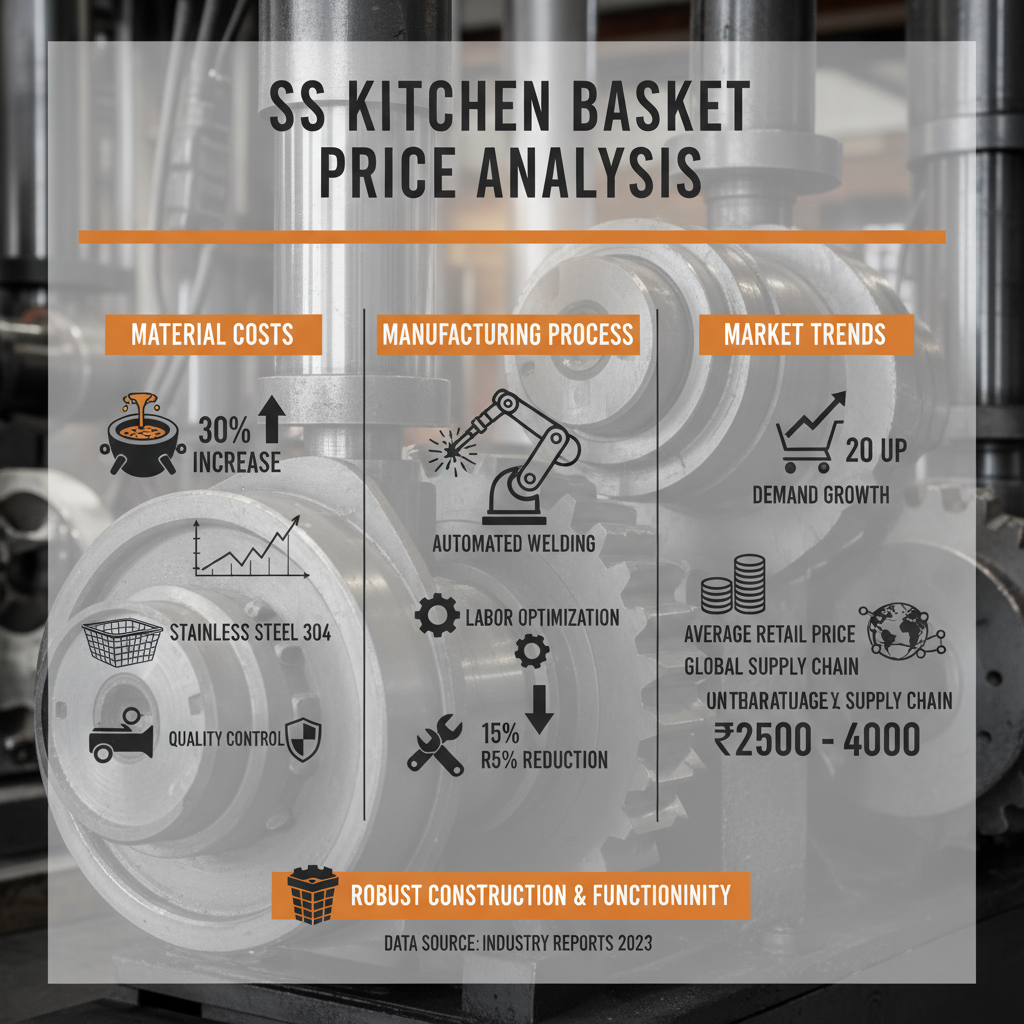
According to recent industry reports, the market size for kitchenware, including baskets, is projected to grow steadily over the next decade, driven by increasing urbanization and a rising demand for convenient cooking solutions. This growth is particularly noticeable in emerging economies. The ss kitchen basket price, therefore, remains a key indicator of this broader market trend.
The global stainless steel market, which directly affects the ss kitchen basket price, is subject to tariffs, trade agreements, and fluctuating exchange rates, all contributing to price volatility. Understanding these dynamics is essential for accurate forecasting and proactive supply chain management.
Defining ss kitchen basket price
The ss kitchen basket price encompasses the total cost associated with acquiring a kitchen basket constructed primarily from stainless steel. This includes not only the cost of the raw materials (stainless steel), but also labor, manufacturing overhead, packaging, transportation, and retailer markup. Different grades of stainless steel (e.g., 304, 316) influence the final cost.
In essence, the ss kitchen basket price reflects the value proposition offered to the consumer. A higher price often indicates enhanced durability, corrosion resistance, and aesthetic appeal, features valued in professional kitchens and demanding home environments.
The definition extends beyond the initial purchase price to consider the total cost of ownership, including factors like maintenance requirements and lifespan. A durable, high-quality stainless steel basket may have a higher upfront cost, but its longevity and reduced need for replacement can ultimately make it a more cost-effective solution.
Key Determinants of ss kitchen basket price
Several factors directly impact the ss kitchen basket price. The primary driver is the cost of stainless steel itself, which fluctuates based on global supply and demand, mining costs, and energy prices. The grade of stainless steel used (304, 316, etc.) also significantly affects the price.
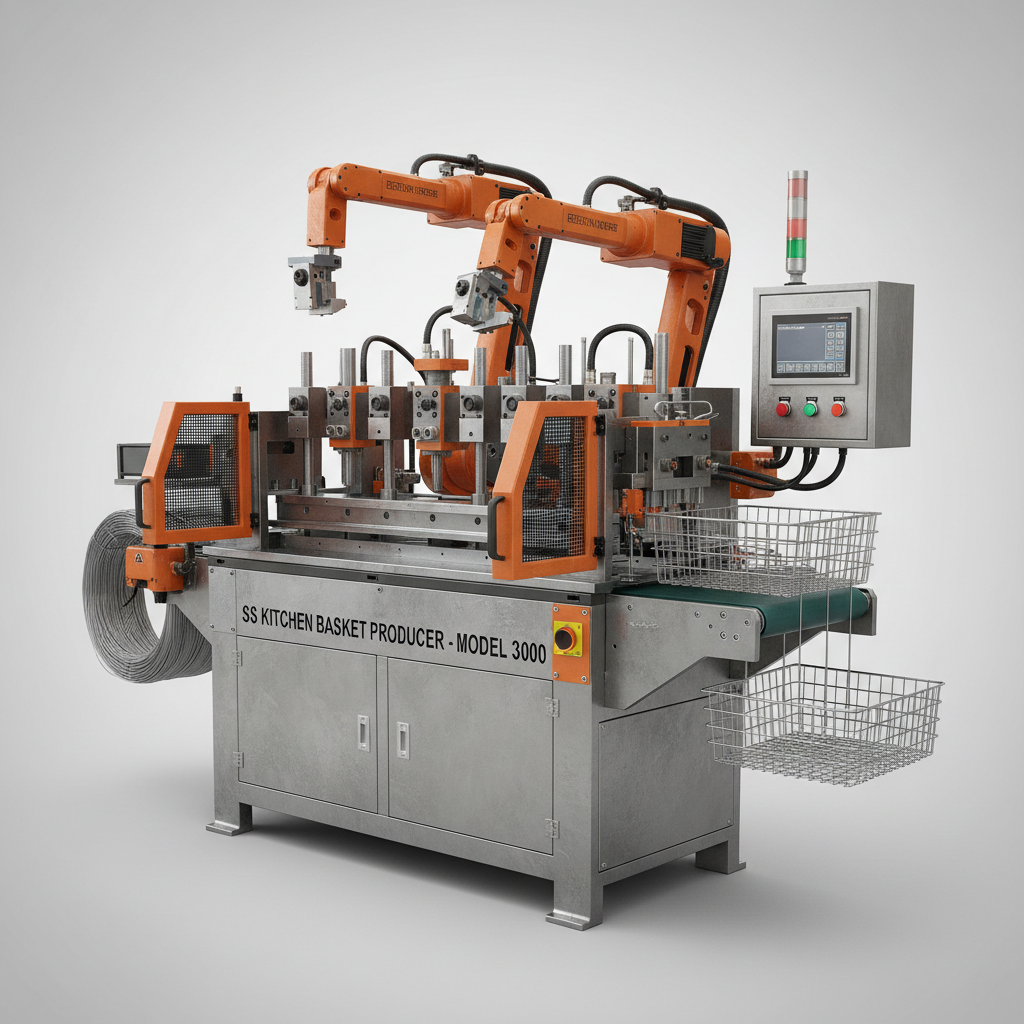
Manufacturing processes, including cutting, welding, and finishing, contribute substantially to the overall cost. Labor costs, energy consumption, and the level of automation employed by the manufacturer all play a role. Additionally, design complexity and customization options can increase the price.
Factors Impacting ss kitchen basket price
Applications Across Industries
Stainless steel kitchen baskets find widespread use across diverse industries. In the food processing sector, they are essential for washing, sanitizing, and transporting produce, meat, and other food items. Their durability and resistance to corrosion make them ideal for harsh environments.
Restaurants and catering services rely on stainless steel baskets for efficient food preparation, storage, and service. Their hygienic properties ensure food safety and compliance with health regulations. From small cafes to large-scale food production facilities, the ss kitchen basket price is a critical consideration for operational efficiency.
Advantages of Stainless Steel Kitchen Baskets
Stainless steel kitchen baskets offer numerous advantages over alternatives like plastic or coated metal. Primarily, they exhibit exceptional durability and resistance to corrosion, ensuring a long lifespan even with frequent use and exposure to harsh chemicals.
Their hygienic properties are paramount, preventing bacterial growth and promoting food safety. Stainless steel is also easy to clean and sanitize, simplifying maintenance procedures. The inherent strength of stainless steel allows for heavier loads and rigorous handling, enhancing operational efficiency.
Future Trends and Innovations in ss kitchen basket price
The future of ss kitchen basket price is likely to be shaped by advancements in materials science, manufacturing technology, and sustainability practices. Research into new stainless steel alloys with enhanced corrosion resistance and improved weldability may lead to cost reductions and performance improvements.
Automation and robotics in manufacturing processes can further streamline production, reducing labor costs and increasing efficiency. Increased emphasis on circular economy principles may drive the adoption of recycled stainless steel, impacting the ss kitchen basket price structure.
The integration of smart technologies, such as RFID tagging for inventory management and sensor-based monitoring of food safety, could add value and potentially increase the price point, offering enhanced traceability and control.
Summary of Key Factors Influencing ss kitchen basket price
| Material Grade |
Manufacturing Process |
Supply Chain Efficiency |
Market Demand |
| 304 Stainless Steel |
Automated Welding |
Direct Factory Sales |
High (Restaurant Industry) |
| 316 Stainless Steel |
Manual Fabrication |
Multi-Tier Distribution |
Medium (Household Use) |
| 201 Stainless Steel |
Semi-Automated Cutting |
Regional Warehousing |
Low (Seasonal Demand) |
| Recycled Stainless Steel |
Lean Manufacturing |
Online Retail |
Medium-High (Eco-Conscious Consumers) |
| High-Grade 304L |
Precision Laser Cutting |
Integrated Logistics |
High (Food Processing) |
| Standard 304 |
Basic Forming Techniques |
Wholesale Distribution |
Medium (General Commercial Use) |
FAQS
The cost of stainless steel, which fluctuates with global market conditions, is the primary driver of price. Manufacturing complexity, labor costs, and transportation expenses also significantly impact the final cost. Higher grades of stainless steel and intricate designs will naturally command a higher ss kitchen basket price.
Higher grades of stainless steel, such as 316, offer superior corrosion resistance and durability compared to 304. This enhanced performance comes at a higher material cost, directly influencing the ss kitchen basket price. 304 stainless steel is more common and generally less expensive.
Consider purchasing from direct manufacturers or suppliers to eliminate intermediary markups. Look for baskets made from standard 304 stainless steel, as opposed to higher-grade alloys if corrosion resistance isn't a critical requirement. Comparing prices from multiple vendors is also essential.
A well-maintained, high-quality stainless steel kitchen basket can last for many years – often exceeding a decade – even with frequent and demanding use. The durability of stainless steel and its resistance to corrosion contribute to its longevity, providing a good return on investment.
Shipping costs, particularly for international deliveries, can significantly add to the overall ss kitchen basket price. Factors such as distance, weight, and shipping method all play a role. Consider vendors offering free or reduced shipping options to minimize these costs.
Beyond the initial ss kitchen basket price, evaluate the stainless steel grade, construction quality, dimensions, features (e.g., handles, drainage), and warranty offered. Consider the intended use and prioritize features that align with your specific needs.
Conclusion
In conclusion, the ss kitchen basket price is a complex metric shaped by a multitude of factors, from raw material costs to manufacturing processes and market dynamics. Understanding these influences allows for informed purchasing decisions and optimized supply chain management. By prioritizing quality, durability, and value, consumers and businesses can benefit from the numerous advantages offered by stainless steel kitchen baskets.
Looking ahead, continued innovation in materials science and manufacturing technologies will likely lead to more affordable and efficient production methods, potentially lowering the ss kitchen basket price without compromising quality. Embracing sustainable practices, such as utilizing recycled stainless steel, will further enhance the long-term value and environmental responsibility of these essential kitchen tools. Visit our website at www.qhfilter.com to explore our range of high-quality kitchen baskets.