Solar fencing, a rapidly evolving technology, is gaining prominence globally as a robust and sustainable solution for perimeter security. Its core principle revolves around utilizing solar energy to power electrified fences, providing a reliable deterrent against intruders and protecting valuable assets. Understanding the solar fencing working principle is crucial for effective implementation and optimization of these systems, ensuring optimal performance and longevity. This knowledge is increasingly important given the escalating security concerns across diverse sectors, from agriculture and infrastructure to residential and commercial properties.
The rising demand for cost-effective and environmentally friendly security solutions is driving the adoption of solar fencing worldwide. Traditional fencing methods often require extensive grid connectivity or expensive generator systems, posing logistical and environmental challenges. Solar fencing offers a viable alternative, particularly in remote locations where access to power is limited. The solar fencing working principle is proving to be a game-changer in scenarios demanding autonomous and self-sufficient security measures.
Furthermore, advancements in solar technology and battery storage are continually enhancing the efficiency and reliability of these systems. As awareness of the benefits of renewable energy grows, solar fencing is poised to become an integral component of modern security infrastructure, offering a powerful combination of protection, sustainability, and cost savings. The nuanced solar fencing working principle is often misunderstood, leading to improper installations and compromised security.
Introduction to Solar Fencing
Solar fencing represents a significant advancement in perimeter security, moving away from traditional, power-dependent systems. At its heart, the solar fencing working principle hinges on converting sunlight into electrical energy to power a fence that delivers a non-lethal but highly effective shock to deter intruders. This provides a robust barrier without the ongoing expense and logistical complexities of grid power or fuel-based generators.
The increasing prevalence of solar fencing reflects a growing awareness of the benefits of renewable energy sources combined with the need for reliable security solutions. From protecting agricultural lands from livestock and thieves to safeguarding critical infrastructure, the applications are diverse and expanding. A thorough understanding of the solar fencing working principle is paramount for successful deployment in varying environments and security needs.
Defining Solar Fencing and Its Relevance
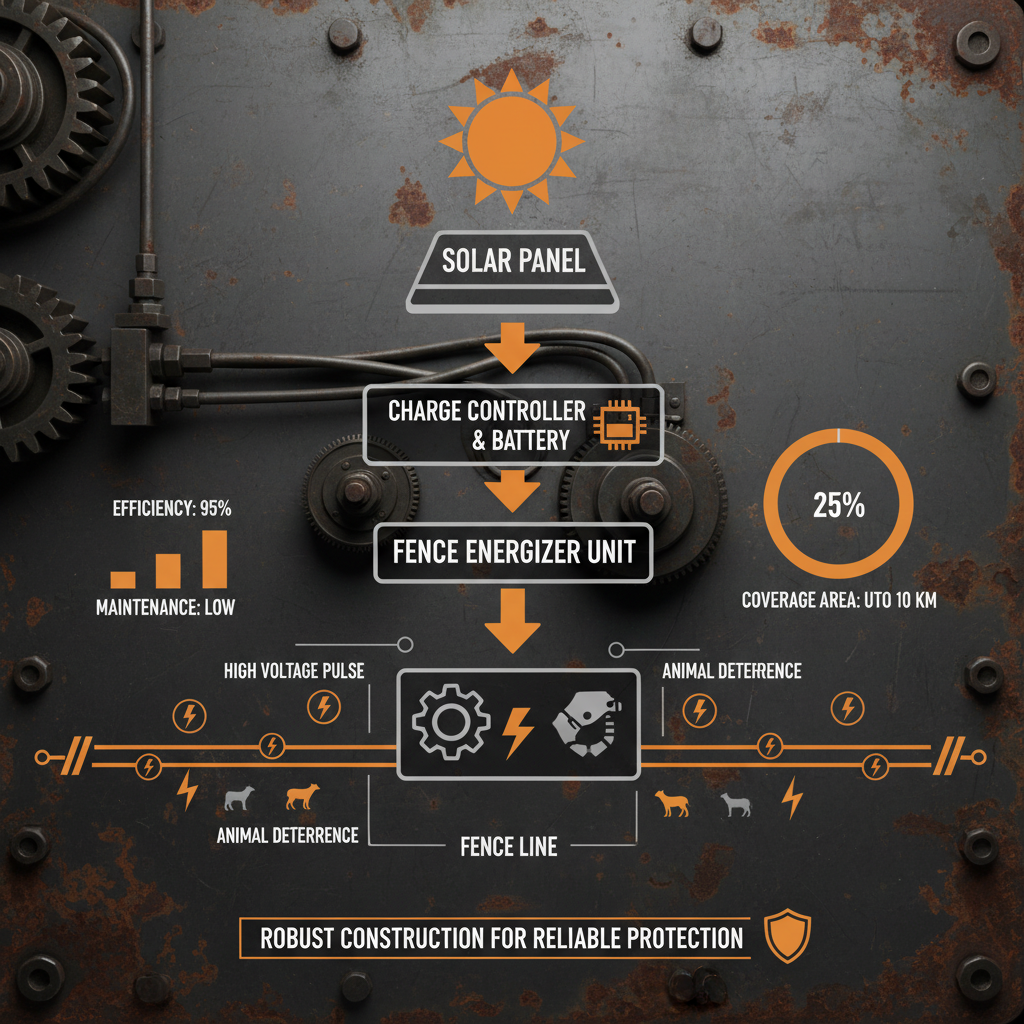
Solar fencing, fundamentally, is an electrified fence system powered by a solar panel and a battery. It's designed to deliver a short, sharp, but non-lethal electrical shock to anyone or anything that comes into contact with it, acting as a strong psychological and physical deterrent. The solar fencing working principle differs from traditional electric fences primarily in its independence from the electrical grid, making it ideal for remote locations.
This technology's relevance stems from several factors. Global security concerns are on the rise, driving demand for effective perimeter protection. Simultaneously, there's a growing emphasis on sustainable and eco-friendly solutions, aligning perfectly with the renewable energy source powering these systems. The World Bank estimates that losses due to theft and vandalism in developing countries account for a significant portion of economic setbacks, highlighting the need for robust security measures.
Furthermore, the escalating costs of traditional power sources make solar fencing an economically attractive alternative, especially for large-scale deployments. Its ability to function autonomously, with minimal maintenance, makes it particularly valuable in areas lacking reliable infrastructure. Understanding the solar fencing working principle allows for optimized system design to maximize efficiency and cost-effectiveness.
Core Components of Solar Fencing Systems
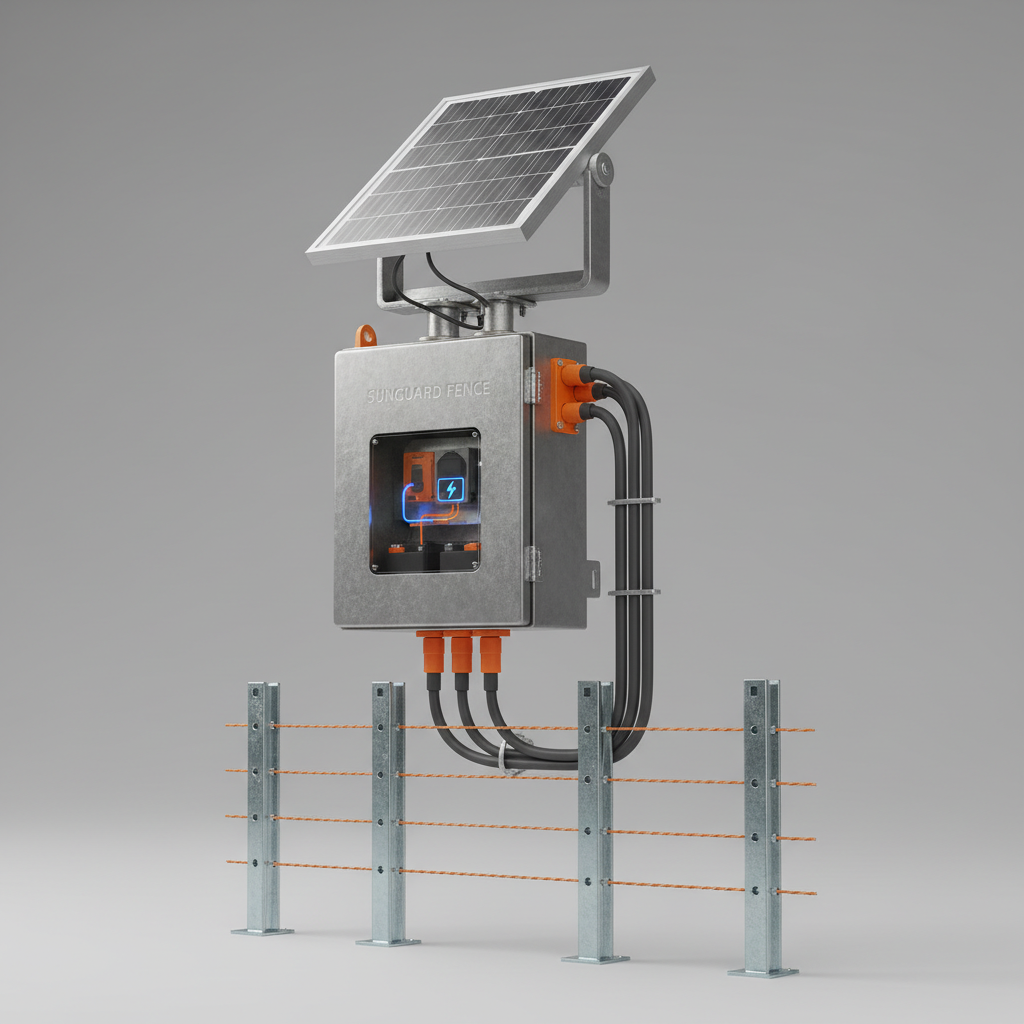
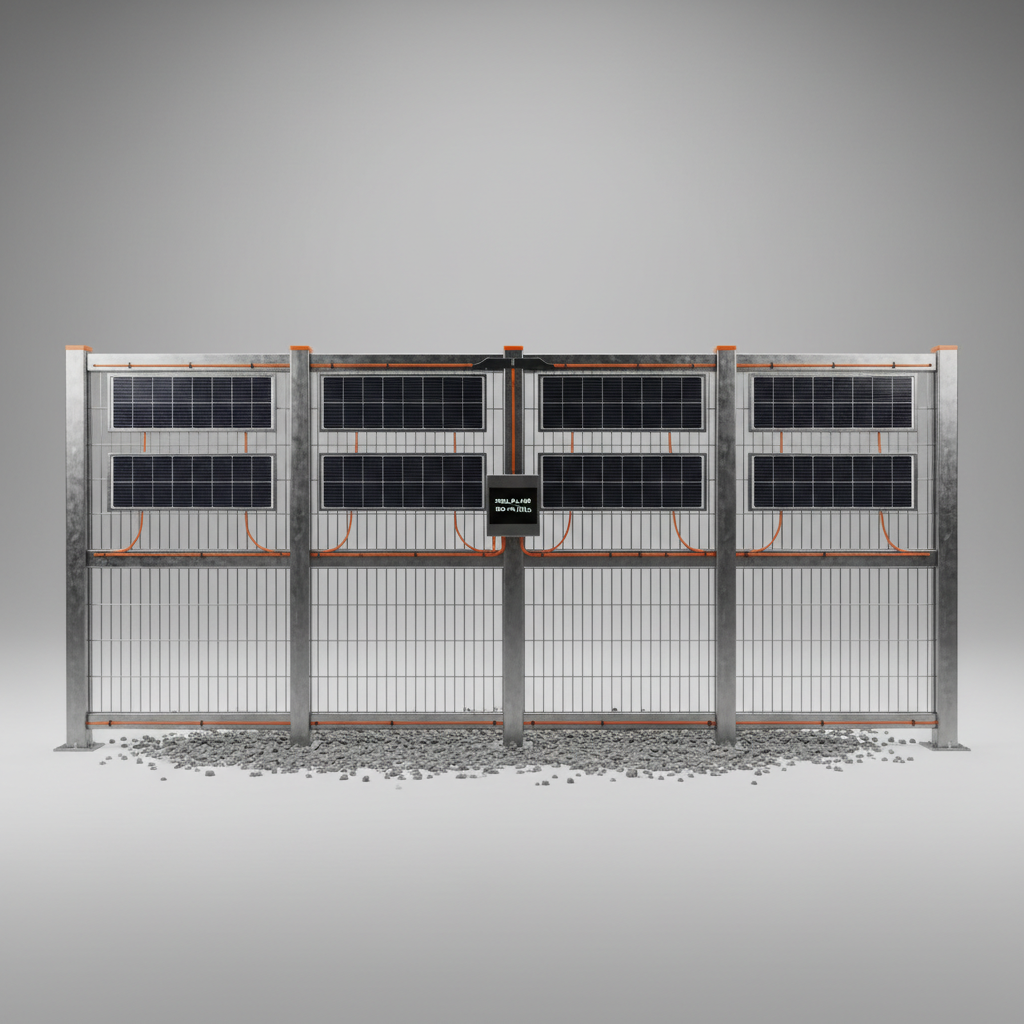
Several key components work in concert to enable the solar fencing working principle. The solar panel captures sunlight and converts it into DC electricity. The battery stores this energy, providing power even during periods of low sunlight or at night. A fence energizer, the heart of the system, converts the DC power into a high-voltage pulse, intermittently applying it to the fence wires.
Additional essential components include insulators, which prevent the electrical current from escaping to the posts supporting the fence; conductive wires, carrying the electrical pulse; grounding rods, ensuring a safe and effective return path for the current; and a control box, housing the energizer, battery, and other control mechanisms. The efficient interaction of these components defines the effectiveness of the solar fencing working principle.
The quality of each component significantly impacts the system's overall performance and lifespan. High-efficiency solar panels, deep-cycle batteries, and robust energizers are crucial for ensuring reliable operation and minimizing maintenance requirements. The proper selection and installation of these components are critical to realizing the full potential of the solar fencing working principle.
Practical Applications of Solar Fencing Globally
The applications of solar fencing are remarkably diverse. In agriculture, it’s widely used to protect crops and livestock from predators and thieves, particularly in regions with limited access to electricity. In infrastructure security, solar fencing safeguards power substations, communication towers, and pipelines, deterring vandalism and unauthorized access.
Remote industrial zones, such as mining operations and oil & gas facilities, benefit significantly from the self-sufficiency and reliability of solar fencing. Residential applications are also increasing, with homeowners utilizing it to secure properties in rural areas. In post-disaster relief operations, solar fencing provides rapid perimeter security for temporary shelters and aid distribution centers.
Solar Fencing Application Effectiveness
Advantages and Long-Term Value Proposition
The advantages of solar fencing are multifaceted. The most prominent is its cost-effectiveness, particularly over the long term, due to the elimination of electricity bills and reduced maintenance compared to traditional systems. The sustainable nature of solar power aligns with growing environmental concerns, enhancing its appeal. The solar fencing working principle directly contributes to reducing carbon footprints.
Beyond cost and sustainability, solar fencing offers enhanced reliability, particularly in remote locations where grid power is unreliable or unavailable. The psychological deterrent provided by the visible fence and the potential for a shock significantly reduces the risk of intrusion. Furthermore, the modular design allows for scalability, enabling users to easily expand the system as their needs evolve.
Future Trends and Innovations in Solar Fencing
The future of solar fencing is bright, with several exciting innovations on the horizon. Advancements in battery technology, such as lithium-ion and solid-state batteries, will increase energy storage capacity and lifespan, further enhancing system reliability. Integration with smart technologies, including IoT sensors and remote monitoring systems, will enable real-time alerts and enhanced control.
The development of more efficient solar panels, utilizing perovskite or other advanced materials, will further reduce costs and improve performance. Furthermore, the incorporation of AI-powered analytics will allow for predictive maintenance and optimized energy management. These innovations will solidify the solar fencing working principle as a leading security solution.
Challenges and Solutions in Solar Fencing Implementation
Despite its numerous advantages, solar fencing implementation faces some challenges. The initial investment cost can be higher than traditional fencing, although this is often offset by long-term savings. The performance of solar panels is affected by weather conditions, requiring careful system sizing and battery capacity planning. Vandalism and theft of solar panels and batteries are potential security concerns.
These challenges can be addressed through several solutions. Government incentives and financing options can reduce the initial investment cost. Using high-quality, weatherproof components and incorporating redundant systems can enhance reliability. Implementing robust security measures, such as surveillance cameras and alarms, can deter vandalism and theft. A deep understanding of the solar fencing working principle is crucial to avoid these issues.
Proper system design and installation, conducted by qualified professionals, are essential to maximizing performance and ensuring long-term reliability. Ongoing monitoring and maintenance are also critical for identifying and addressing potential issues before they escalate.
Key Aspects of Addressing Solar Fencing Challenges
| Challenge |
Severity (1-10) |
Potential Solution |
Implementation Cost (USD) |
| High Initial Investment |
7 |
Government Incentives & Leasing Options |
500-2000 |
| Weather Dependency |
6 |
Oversized Solar Array & Battery Capacity |
1000-5000 |
| Vandalism/Theft |
8 |
Surveillance Systems & Reinforced Mounting |
500-3000 |
| Battery Life Degradation |
5 |
High-Quality Deep Cycle Batteries & Monitoring |
300-1500 |
| Improper Installation |
9 |
Certified Installers & Training Programs |
200-800 |
| Limited Maintenance Expertise |
7 |
Remote Monitoring & Preventative Maintenance Contracts |
100-500/year |
FAQS
A well-maintained solar fencing system typically has a lifespan of 15-20 years. The solar panels themselves often have a 25-year performance warranty, but battery life is a key factor, usually requiring replacement every 3-5 years depending on usage and climate. Understanding the solar fencing working principle and regular maintenance significantly contribute to longevity.
Initial installation costs for solar fencing can be higher than traditional fencing, typically ranging from $5 to $15 per foot, depending on the complexity of the terrain and system components. However, the long-term operating costs are significantly lower due to the elimination of electricity bills and reduced maintenance. The solar fencing working principle enables substantial savings over time.
When installed and maintained correctly, solar fencing is generally safe. The shock delivered is non-lethal but unpleasant, providing a deterrent effect. However, it’s crucial to follow safety guidelines during installation and maintenance, and to clearly mark the fence perimeter. Proper application of the solar fencing working principle prioritizes safety.
Maintenance typically involves periodic vegetation control around the fence line, checking battery voltage and connections, and inspecting insulators for damage. Regular cleaning of the solar panel to maximize energy capture is also recommended. Understanding the solar fencing working principle will help to recognize signs of system malfunction.
Yes, solar fencing can operate effectively in cloudy or rainy conditions, although performance will be reduced. The battery stores energy generated during sunny periods, providing power during less optimal weather. System sizing should account for regional weather patterns to ensure adequate energy storage. The solar fencing working principle is designed to handle variable sunlight conditions.
The optimal height and number of wires depend on the intended application and the type of intruders you're trying to deter. Generally, a height of 4-5 feet with 7-12 wires is effective for livestock and human deterrence. The solar fencing working principle relies on creating a dense electrical barrier to discourage attempts at breaching the perimeter.
Conclusion
Solar fencing represents a paradigm shift in perimeter security, offering a sustainable, cost-effective, and reliable solution for a wide range of applications. From safeguarding agricultural lands and protecting critical infrastructure to enhancing residential security, the benefits are substantial and far-reaching. The solar fencing working principle, when properly understood and implemented, delivers a powerful combination of protection and environmental responsibility.
As technology continues to advance and the demand for sustainable solutions grows, solar fencing is poised to become an increasingly integral component of modern security infrastructure. Investing in this technology not only enhances security but also contributes to a more sustainable future. For more information and to explore how solar fencing can benefit your specific needs, visit our website: www.qhfilter.com.