Look, I’ve spent the last fifteen years knee-deep in dust and concrete, watching projects go up – and sometimes, unfortunately, fall apart. And let me tell you, one thing that's becoming increasingly crucial, especially with everything going on in the world, is securing your property effectively and affordably. That’s where solar fencing for house cost comes into play. It's not just about keeping unwanted visitors out; it’s about peace of mind, long-term savings, and a reliable security solution that doesn't rely on running miles of expensive cabling. We're seeing a real shift towards self-powered security, and frankly, it's about time.
The old ways of perimeter security – relying solely on grid power or constant battery replacements – are becoming unsustainable. Costs are rising, and outages are happening more frequently. Solar fencing for house cost addresses these issues head-on. It’s a system that leverages the sun's energy to power your electric fence, making it a cost-effective and environmentally friendly solution. I've seen firsthand how this can be a game changer for rural properties, farms, and even residential areas where security is a top concern.
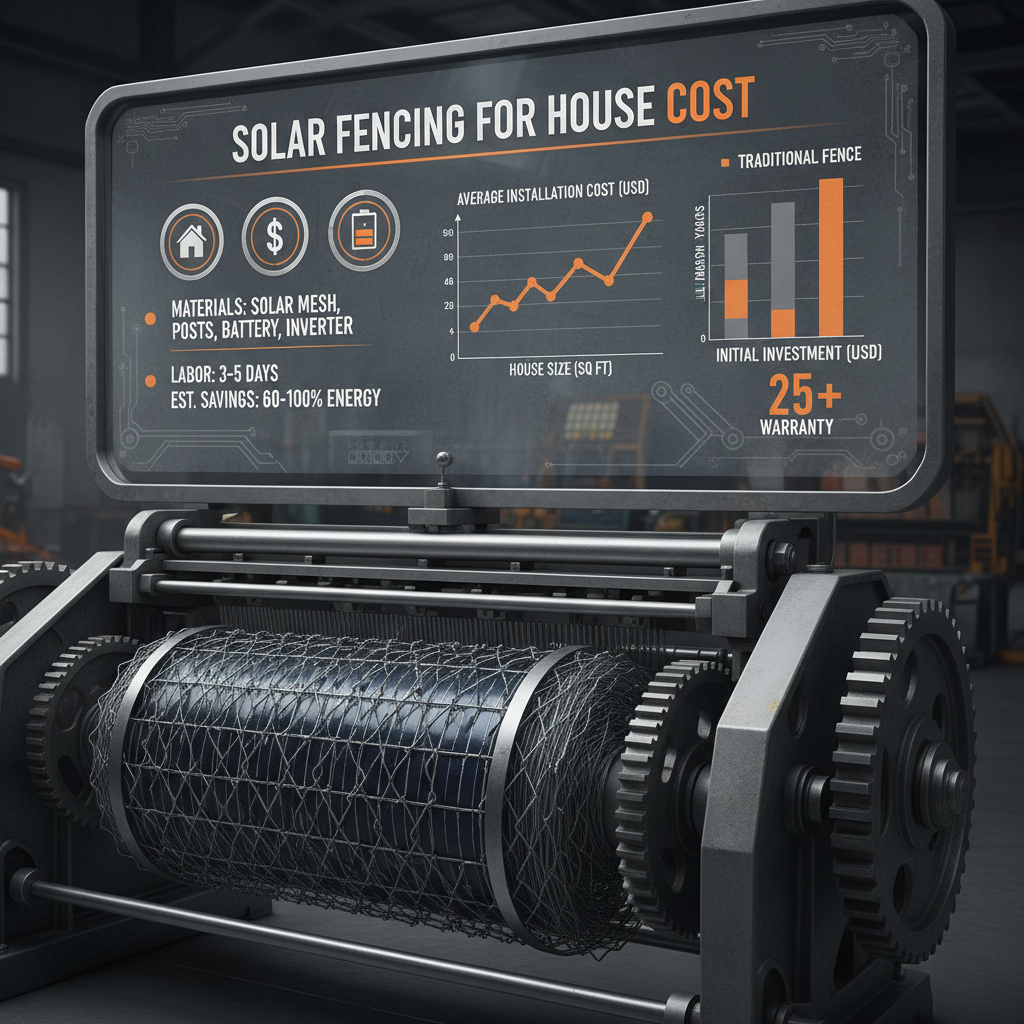
Now, I’m not a salesman; I’m a practical guy. I need solutions that work, and I need them to be tough. That’s why I’m talking about solar fencing. It’s a technology that’s maturing rapidly, becoming more reliable and easier to install. Understanding the total solar fencing for house cost, considering both upfront investment and long-term savings, is essential for making an informed decision. It's about more than just the initial price tag.
The Importance of Solar Fencing for House Cost
Let’s be honest, security is a constant concern, whether you’re protecting your home, your livestock, or your business. Traditional fencing requires a power source, and that can get expensive, especially in remote locations. And think about the hassle of running wires, dealing with power outages, or constantly replacing batteries. It's a headache. Solar fencing for house cost offers a viable alternative. It’s about independence, resilience, and minimizing your operating costs over the long haul.
I've seen situations where a simple power outage compromised an entire security system, leaving properties vulnerable. With solar fencing, you’re less reliant on the grid, meaning your security isn’t interrupted when the power goes out. That's a big deal. And with rising energy costs, the long-term savings can be significant.
Defining Solar Fencing for House Cost
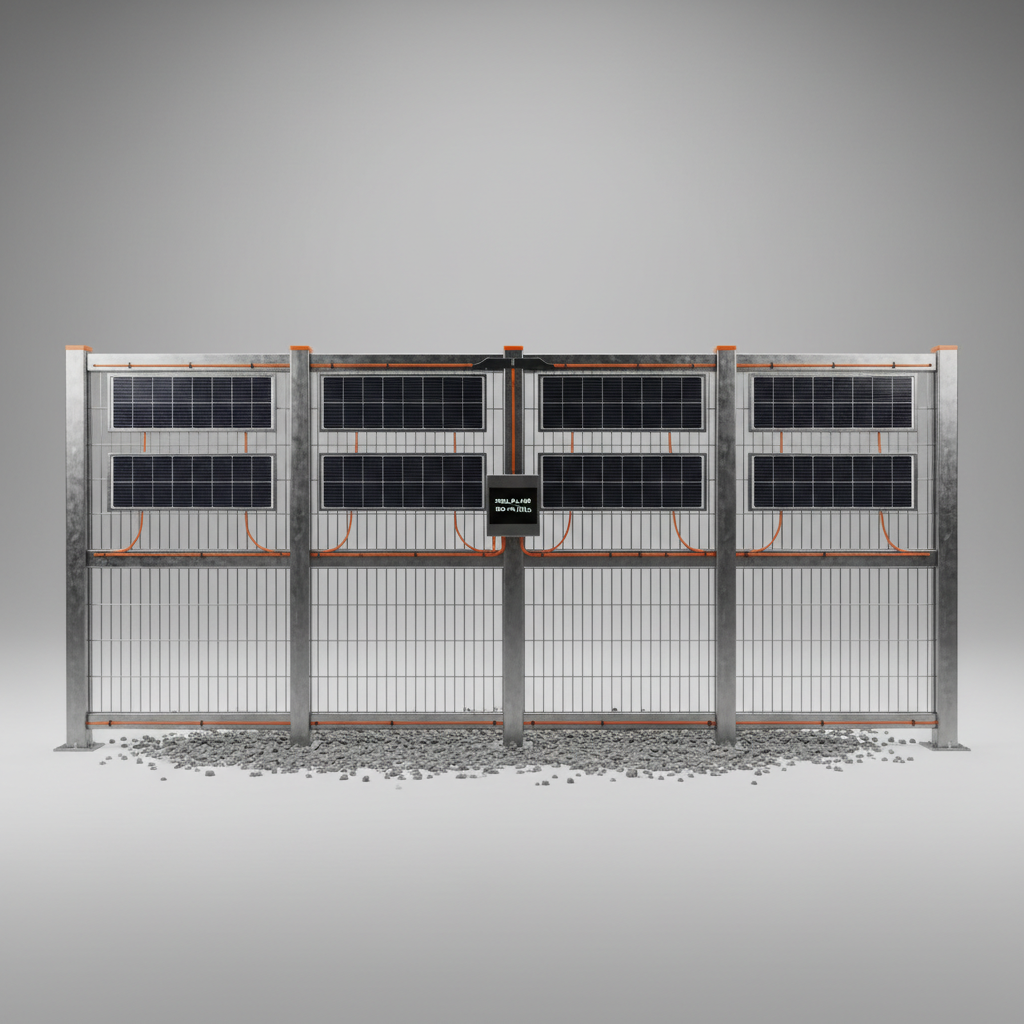
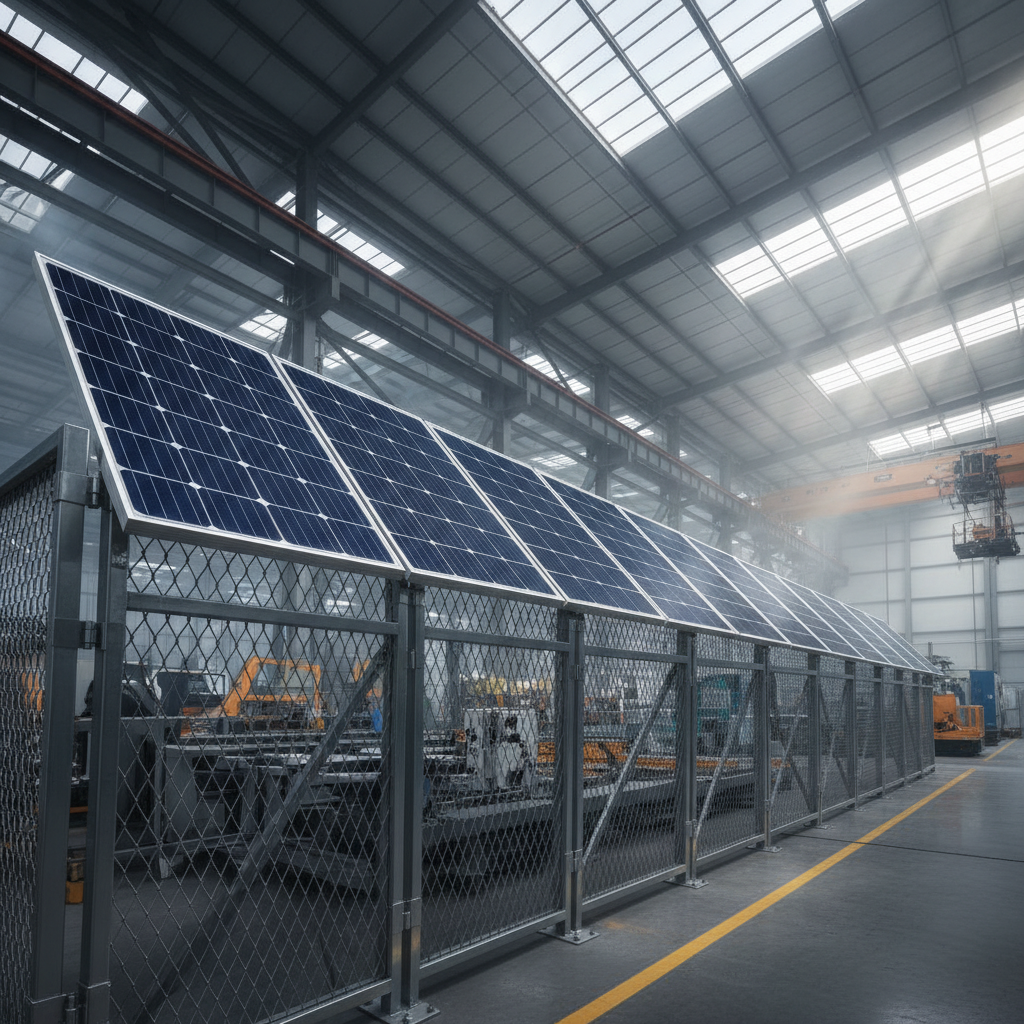
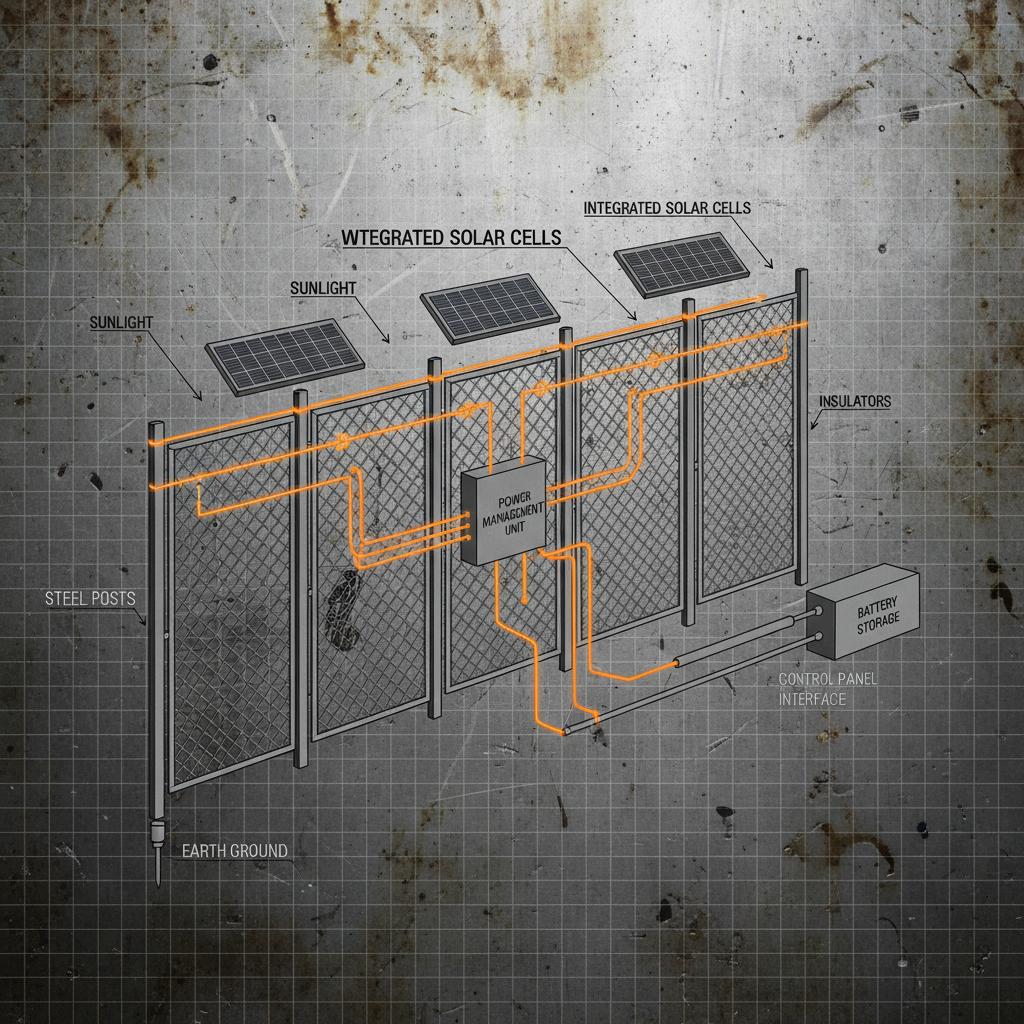
Simply put, solar fencing for house cost is an electrified perimeter security system powered by solar energy. It consists of a standard electric fence, but instead of being plugged into the grid, it’s powered by a solar panel and a battery. The solar panel charges the battery during the day, and the battery powers the fence energizer, delivering a non-lethal but highly effective shock to deter intruders. It's a self-contained system, reducing the need for extensive wiring and minimizing energy bills.
It's not a new concept, but the technology has improved drastically in recent years. Early systems were often unreliable and required frequent maintenance. Now, you've got more efficient solar panels, longer-lasting batteries, and more robust energizers. This makes solar fencing a much more practical and dependable security solution.
The connection to modern needs is clear. We're seeing increasing demand for sustainable and off-grid solutions, particularly in areas where grid access is limited or unreliable. Solar fencing aligns perfectly with these trends, offering a secure and environmentally responsible way to protect your property.
Key Components of a Solar Fencing System
A good solar fencing system isn’t just slapping a panel on a wire. There are several key components that determine its effectiveness. First, you’ve got the solar panel itself – its wattage dictates how quickly the battery charges. Then, there's the battery, which stores the energy and provides power when the sun isn’t shining. Battery capacity is critical, especially in areas with limited sunlight.
The energizer is the heart of the system. It’s what delivers the shock. Different energizers have different output levels (measured in joules), and you need to choose one that’s appropriate for the length of your fence and the type of animals or intruders you’re trying to deter. Don't skimp on the energizer – it’s what makes the system work. And finally, you have the fencing wire itself, insulators, grounding rods, and all the hardware to connect everything together. Quality components matter.
Understanding these components and how they interact is crucial for designing a system that meets your specific needs. I've seen too many installations fail because someone tried to cut corners on a key component. It's an investment, and you need to do it right.
Practical Applications and Global Use Cases
Solar fencing isn’t limited to just farms and ranches. We’re seeing it used in a wide range of applications. In Australia, it’s a common sight on sheep and cattle stations, protecting livestock from predators like dingoes. In Africa, it’s used to protect crops from elephants and other wildlife. In the US, it’s becoming increasingly popular for securing rural properties and deterring theft.
I’ve even seen it used in industrial settings to protect valuable equipment and materials. Think about remote cell towers or construction sites. Traditional security systems can be difficult and expensive to install and maintain in these locations. Solar fencing provides a cost-effective and reliable alternative.
And it's not just about protecting physical assets. In some regions, it’s being used to secure perimeters around critical infrastructure, like power substations and water treatment plants. The ability to operate independently of the grid makes it an attractive option for these types of applications.
Solar Fencing for House Cost - Method Comparison
Advantages and Long-Term Value Proposition
The biggest advantage, hands down, is cost savings. Once the system is installed, your operating costs are minimal. No more electricity bills, no more battery replacements. That adds up over time. And, as I mentioned before, the independence from the grid provides a level of security that traditional systems simply can’t match. Beyond the financial benefits, there's the environmental aspect. You're using a clean, renewable energy source to power your security system, which is a win-win.
But it's not just about money and the environment. It's also about peace of mind. Knowing that your property is secure, even during a power outage, is invaluable. It’s about protecting your family, your livelihood, and your investments. And let's be honest, a visible security system like solar fencing can be a deterrent in itself. Most intruders aren't looking for a hassle, and a high-voltage fence sends a clear message.
Future Trends and Innovations in Solar Fencing
We're already seeing some exciting developments in this space. Battery technology is improving rapidly, with longer-lasting and more efficient batteries becoming available. Solar panel efficiency is also increasing, meaning you can get more power from a smaller panel. And the integration of smart technology is taking solar fencing to the next level.
Imagine a system that can remotely monitor the fence's performance, alert you to any breaches, and even adjust the voltage based on the threat level. That's where we're headed. And I predict we’ll see more integration with other security systems, like cameras and alarm systems, creating a comprehensive security solution.
Challenges and Solutions for Solar Fencing Implementation
It's not all sunshine and roses. One of the biggest challenges is ensuring adequate sunlight. In areas with limited sunlight, you may need to invest in larger solar panels or a larger battery bank. Another challenge is proper grounding. A poorly grounded system won't work effectively. You need to make sure you have a good, solid ground connection.
And then there's the issue of maintenance. While solar fencing requires less maintenance than traditional systems, it's not maintenance-free. You need to periodically check the battery, the solar panel, and the energizer to ensure they're working properly. But with proper planning and installation, these challenges can be overcome.
I recommend working with an experienced installer who understands the nuances of solar fencing. They can help you design a system that's tailored to your specific needs and ensure it's installed correctly. Don't try to DIY this one unless you really know what you’re doing.
Summary of Factors Influencing Solar Fencing for House Cost
| Component Quality |
System Complexity |
Installation Costs |
Geographical Location |
| High-quality components (solar panels, batteries, energizers) generally increase the initial cost but offer long-term reliability. |
Simple, straightforward systems are less expensive to install and maintain than complex, feature-rich systems. |
Labor costs, permitting fees, and terrain challenges can significantly impact the overall installation expenses. |
Areas with abundant sunshine reduce reliance on battery storage, lowering overall system costs. |
| Using lower-grade components might reduce upfront investment, but increases risk of failure and higher replacement costs. |
Adding features like remote monitoring and automated adjustments can increase system cost but enhance security and convenience. |
DIY installation can save on labor costs, but requires technical expertise and may void warranties. |
Regions with frequent cloud cover necessitate larger battery storage capacity, increasing the system’s upfront cost. |
| Durability and lifespan of components play a crucial role in calculating the total cost of ownership. |
The length of the fence and the complexity of the terrain influence the amount of materials and labor needed. |
Accessibility of the installation site can affect labor costs and transportation expenses. |
Local climate conditions (temperature, humidity) can impact the performance and lifespan of solar panels and batteries. |
| Choosing a reputable brand with strong warranties provides peace of mind and protects your investment. |
Scalability – the ability to expand the system in the future – should be considered during initial planning. |
Obtaining multiple quotes from different installers is essential to compare prices and services. |
Government incentives and rebates can help offset the initial cost of the system. |
| Consider maintenance contracts to ensure the system remains operational and efficient over time. |
Integration with existing security systems can enhance overall security and efficiency. |
Proper grounding and surge protection are crucial for protecting the system from electrical damage. |
Understanding local regulations and permitting requirements is essential before starting the installation. |
| Energy efficiency of the energizer directly impacts battery drain and overall solar panel sizing requirements. |
The type of fencing wire used can affect the system’s effectiveness and longevity. |
Long-term operating costs (battery replacements, maintenance) should be factored into the overall cost analysis. |
Regular cleaning of solar panels is necessary to maintain optimal performance. |
FAQS
A well-maintained solar fencing system, using quality components, can realistically last 10-15 years, or even longer. The solar panel itself usually has a 25-year performance warranty, but the battery will likely need replacing every 3-5 years, depending on usage and climate. Regular inspections and maintenance are key to maximizing the lifespan of the entire system. It's an investment, and like any investment, it needs to be looked after.
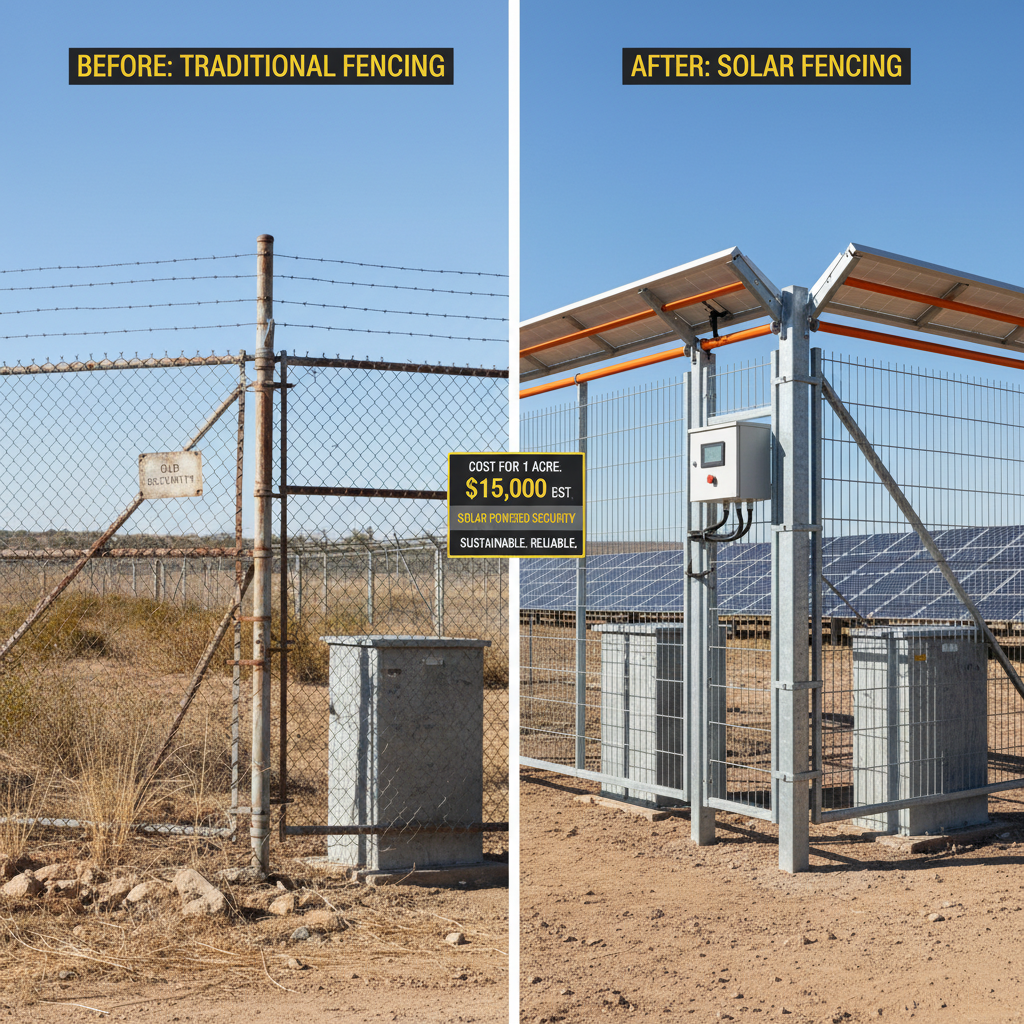
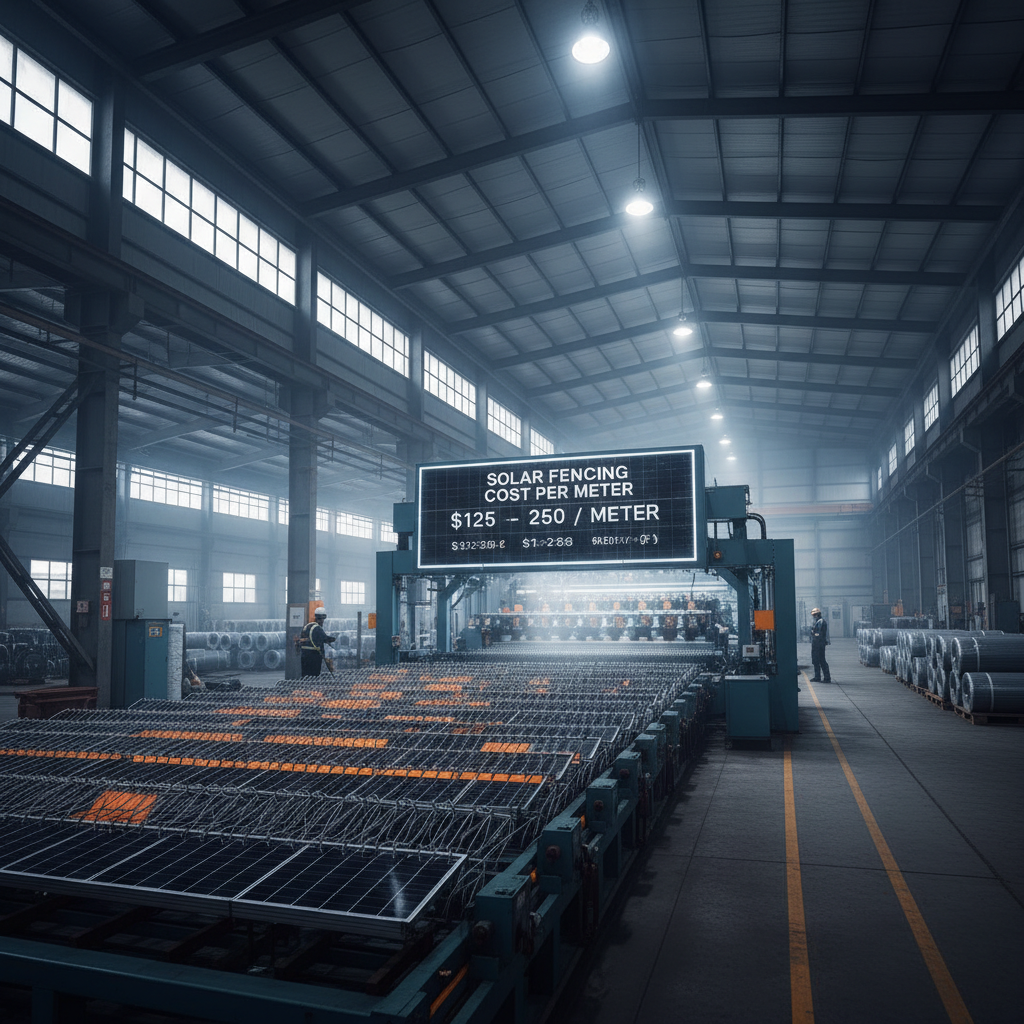
Initially, solar fencing will be more expensive than a standard electric fence due to the cost of the solar panel, battery, and charge controller. However, over the long term, it’s often cheaper. You eliminate ongoing electricity costs and reduce battery replacement expenses. A typical traditional fence might cost $2-$5 per foot to install and then have ongoing power costs. A solar system can run $5-$10 per foot upfront, but those operating costs disappear.
Yes, when properly installed and maintained. The shock delivered by a solar fence is non-lethal, but it’s certainly unpleasant enough to deter intruders. The voltage is relatively low, but the amperage is sufficient to deliver a startling shock. It's important to follow all safety guidelines during installation and operation, and to clearly mark the fence with warning signs. We always recommend professional installation to ensure safety standards are met.
While it is possible to DIY solar fencing, it's generally recommended to hire a professional installer. Electrical work can be dangerous, and a poorly installed system may not function properly or could even pose a safety hazard. A professional will ensure the system is properly grounded, the wiring is correct, and the energizer is set to the appropriate voltage. It's a small price to pay for peace of mind.
The battery is designed to store enough energy to power the fence even during periods of low sunlight. The size of the battery needed will depend on the amount of sunlight in your area and the length of the fence. In areas with frequent cloudy days, you’ll need a larger battery bank to ensure reliable operation. Some systems also have a backup power option, allowing you to connect to the grid if necessary.
Maintenance is relatively minimal, but it's important to stay on top of it. Regularly check the battery voltage to ensure it's being properly charged. Clean the solar panel to remove any dirt or debris that could reduce its efficiency. Inspect the fence line for any damage or broken wires. And periodically check the energizer to make sure it's functioning correctly. A little preventative maintenance can go a long way.
Conclusion
So, there you have it. Solar fencing for house cost isn’t just a trend; it’s a practical, cost-effective, and sustainable solution for perimeter security. From livestock protection to safeguarding your property, the benefits are clear. It’s about gaining independence from the grid, reducing your operating costs, and having peace of mind knowing your investment is secure.
Looking ahead, I expect to see even more innovation in this space, with smarter systems and more efficient components becoming available. If you're considering a security solution, I highly recommend taking a serious look at solar fencing. It’s a smart investment that will pay dividends for years to come. For more information and to discuss your specific needs, visit our website: solar fencing for house cost.