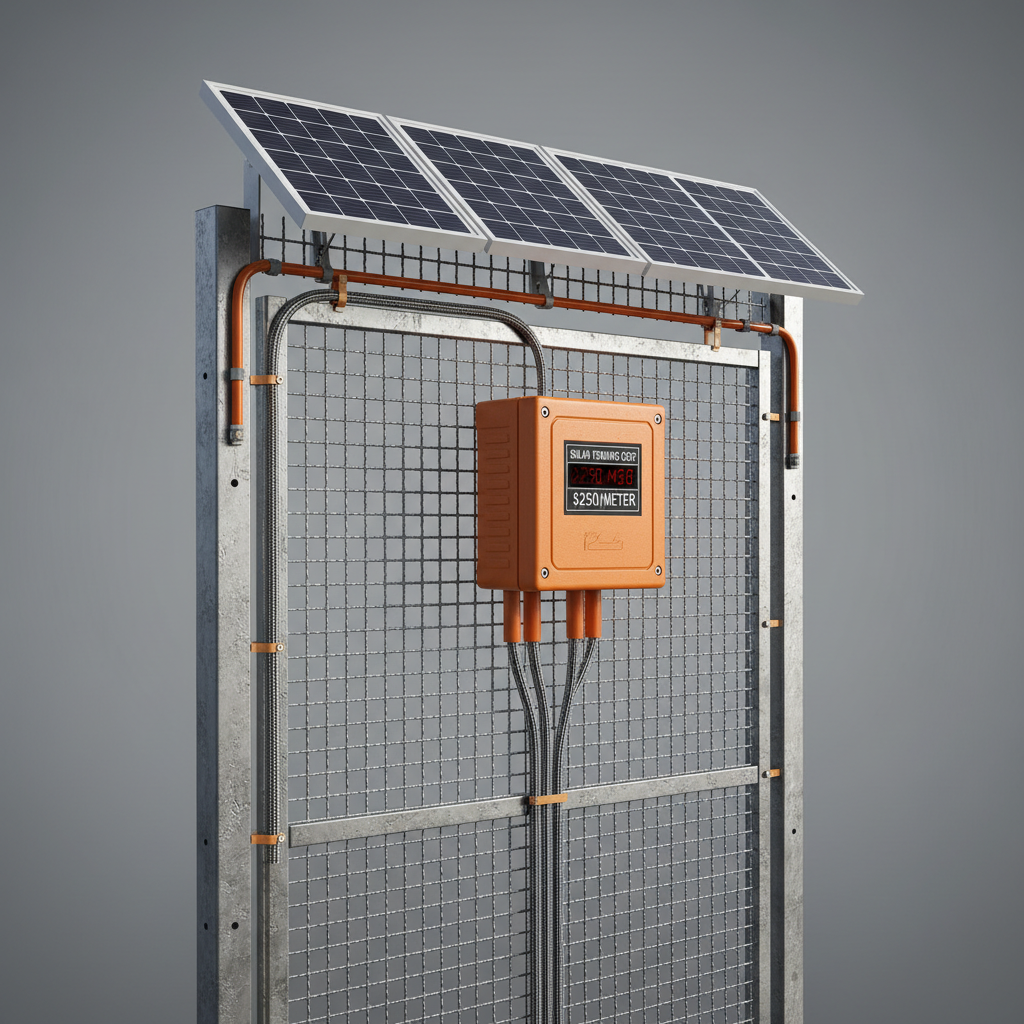
Solar fencing is becoming increasingly critical, not just for agricultural protection, but for securing critical infrastructure and even residential properties. It's about more than just keeping animals out; it’s about robust, reliable perimeter security powered by a sustainable energy source. The initial solar fencing cost can seem like a significant investment, but when you factor in long-term operational savings, reduced maintenance compared to traditional electrified fences, and the inherent environmental benefits, it quickly becomes a very compelling solution. We're seeing a surge in demand from landowners, utilities, and even government agencies looking for self-sufficient security systems.
The traditional fencing options – barbed wire, chain link, even standard electric fences – all have limitations. Barbed wire requires constant maintenance, chain link is easily breached, and standard electric fences are reliant on a consistent power supply, which is often problematic in remote locations. Solar fencing elegantly addresses these issues. It’s a truly ‘fit and forget’ system in many applications, drastically reducing ongoing costs and labor. And let’s be honest, the peace of mind knowing your perimeter is secure, even during power outages, is invaluable. We've moved beyond simply selling a product; we're providing a security solution, and understanding the solar fencing cost is the first step.
From my time on sites, I’ve seen first-hand the headaches associated with running power to remote fence lines. Digging trenches, permits, the cost of transformers – it adds up fast. Solar fencing bypasses all of that. It’s a standalone system, powered by the sun, and designed to withstand harsh weather conditions. It's a game-changer for landowners in areas where grid access is limited or expensive. We're seeing increased adoption in areas with extreme climates, proving its durability and reliability in the field.
Understanding Solar Fencing and Its Relevance
We're seeing a real shift in how people approach perimeter security. It's no longer just about keeping things in or keeping things out; it’s about creating a secure environment with minimal environmental impact and long-term cost savings. Solar fencing fits squarely into that trend. It provides a robust, self-powered security solution for a wide range of applications, from protecting livestock to securing critical infrastructure. Understanding the total solar fencing cost, including installation and maintenance, is crucial for making informed decisions.
I spend a lot of time talking to landowners, and they’re often surprised by how competitive solar fencing is when you compare it to the ongoing costs of traditional systems. The initial outlay is higher, yes, but the lack of electricity bills and reduced maintenance really add up over the lifespan of the fence. It’s a smart investment for anyone looking for a reliable, sustainable, and cost-effective security solution.
Defining Solar Fencing Cost
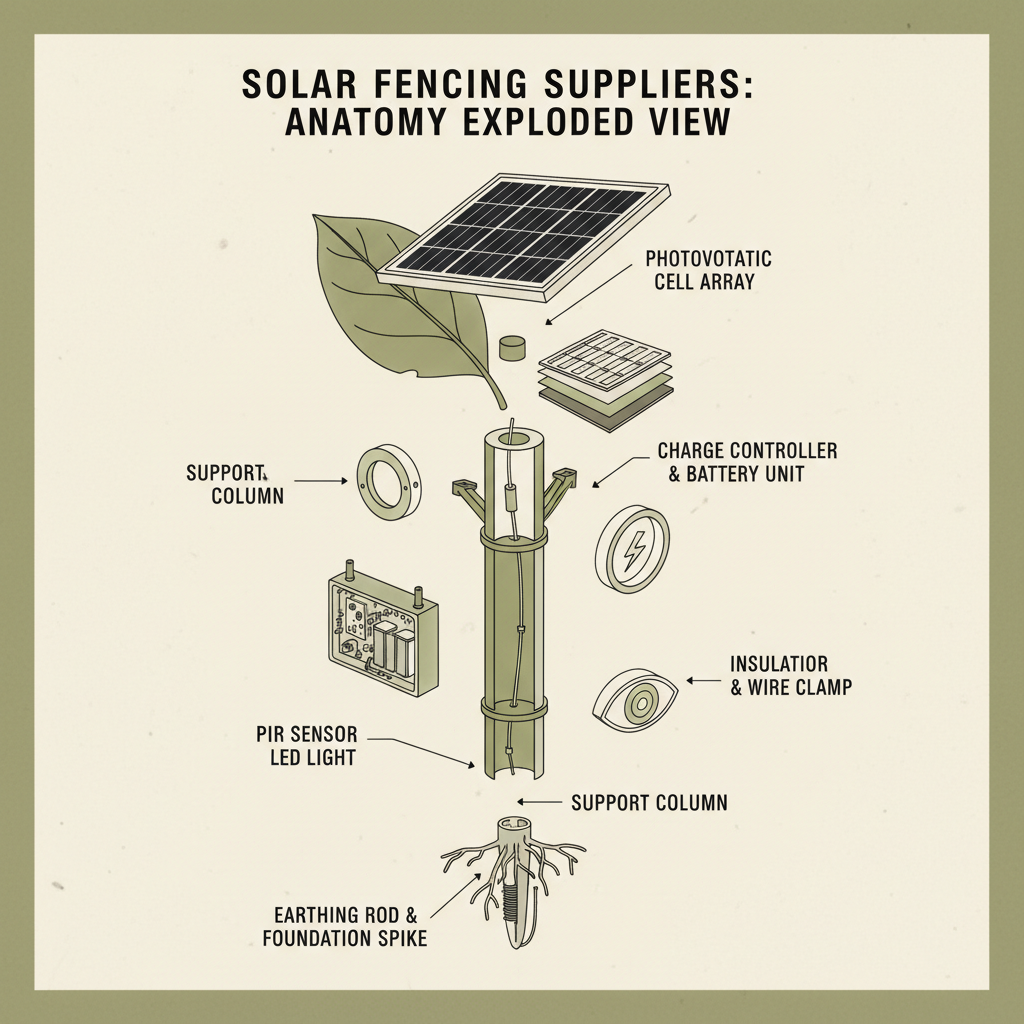
When we talk about solar fencing cost, it's not just the price of the panels and the fence itself. It's a complete system cost. That includes the solar panels, the energizer, the battery (if you're opting for a battery backup system), the fencing wire or tape, posts, insulators, grounding rods, and the labor for installation. A lot of folks underestimate the installation costs, especially if the terrain is challenging.
The energizer is the heart of the system, and its capacity dictates how much fence you can power effectively. Higher capacity energizers cost more, but they can handle longer fence lines and are less affected by vegetation touching the fence. We've found that investing in a good quality energizer upfront is always worth it – it reduces the risk of failures and ensures reliable security.
Ultimately, the solar fencing cost is dependent on the scale of the project, the complexity of the terrain, and the specific components chosen. Getting a detailed quote from a reputable supplier is essential. Don’t just look at the bottom line; understand what’s included in the quote and what’s not.
Key Factors Influencing Solar Fencing Cost
Durability is a huge factor. Cheaper fencing materials might lower the initial solar fencing cost, but they’ll likely need to be replaced sooner, leading to higher long-term expenses. We recommend using high-tensile steel wire or heavy-duty polyethylene tape – materials that can withstand the elements and resist damage from animals or vandalism.
The size of the solar panel array is directly linked to the energizer's power requirements and the amount of sunlight the location receives. Areas with less sunlight will require larger panels to generate sufficient power. This is where a proper site assessment is crucial. I’ve seen installations fail because they underestimated the amount of solar power needed.
The complexity of the installation also plays a significant role. Difficult terrain, rocky soil, or the need to clear vegetation will all increase labor costs. It’s essential to choose an experienced installer who is familiar with the challenges of installing solar fencing in your specific region. Don't skimp on installation; a poorly installed fence is a security risk.
Global Applications and Use Cases of Solar Fencing
We’re seeing solar fencing deployed in a huge range of applications worldwide. In Australia, it’s widely used to protect livestock from predators like dingoes. In Africa, it’s helping farmers protect their crops from elephants and other wildlife. In North America, it’s used to secure oil and gas facilities, as well as agricultural land.
I recently worked on a project securing a water treatment plant in a remote area of South America. Running power to that site would have been incredibly expensive and logistically challenging. Solar fencing was the perfect solution – it provided a reliable, self-sufficient security system without the need for grid connection.
Even in developed countries, we're seeing increased demand for solar fencing in residential applications, particularly in rural areas where power outages are common. It’s a great way to secure property and provide peace of mind.
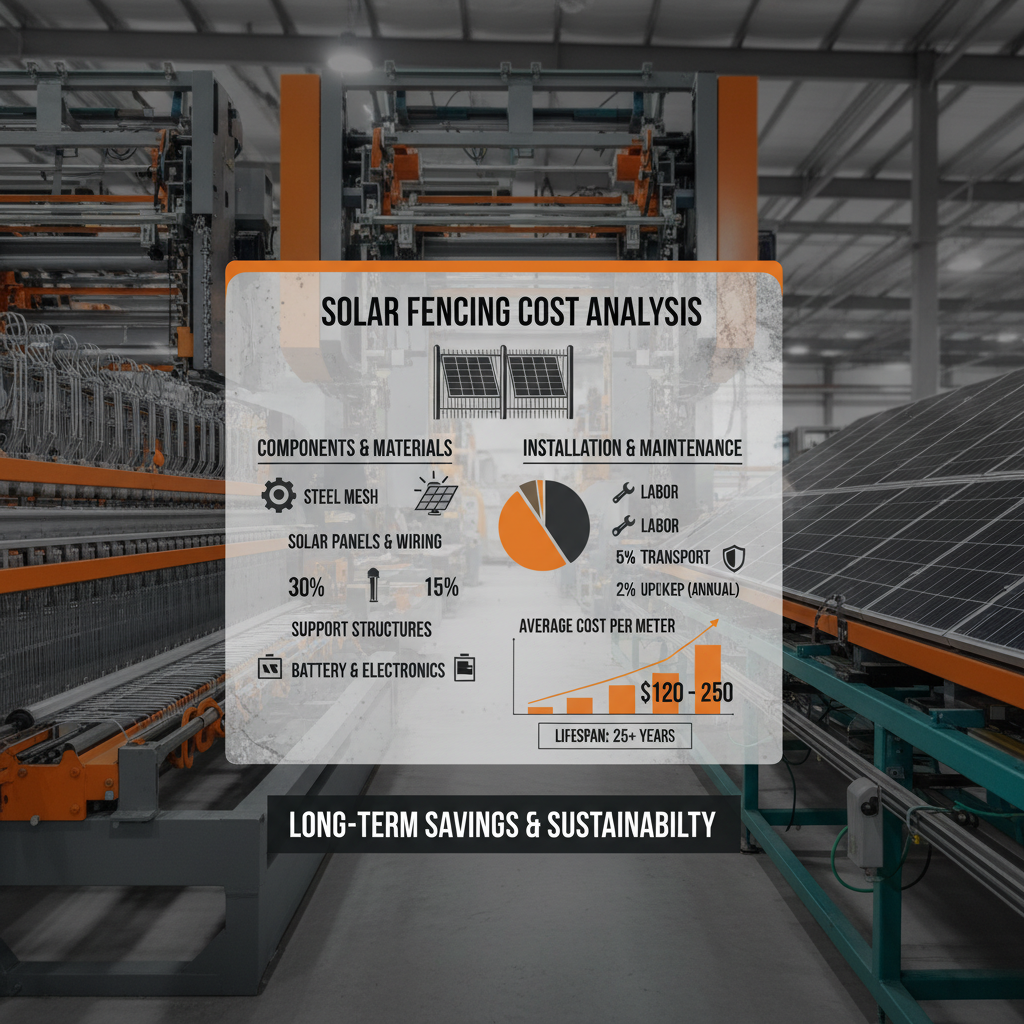
Solar Fencing Cost Breakdown
Advantages and Long-Term Value of Solar Fencing
The biggest advantage, hands down, is the reduced operating cost. No electricity bills, minimal maintenance – it really adds up over time. I've seen landowners save thousands of dollars per year by switching to solar fencing. That's money that can be reinvested back into their operations.
Beyond the financial benefits, there's the environmental aspect. Solar fencing is a sustainable solution that reduces your carbon footprint. And in many cases, it eliminates the need for digging trenches and running power lines, minimizing environmental disruption.
Future Trends and Innovations in Solar Fencing
We’re starting to see integration of smart technology into solar fencing systems. Things like remote monitoring, automated fault detection, and even smart energizers that adjust the voltage based on environmental conditions. These technologies will further enhance the reliability and efficiency of solar fencing.
Battery technology is also improving rapidly, which will allow for longer run times during periods of low sunlight. And we're exploring the use of more efficient solar panels to reduce the overall system size and cost.
I think we’ll also see a greater emphasis on predictive maintenance. Using data analytics to identify potential problems before they occur will be key to maximizing the lifespan of these systems.
Challenges and Solutions in Solar Fencing Implementation
One of the biggest challenges is dealing with vegetation. If the fence line is overgrown with weeds or brush, it can cause the fence to short out, reducing its effectiveness. Regular vegetation control is essential. We recommend using a combination of mechanical mowing and herbicide application.
Another challenge is protecting the solar panels from theft or vandalism. Mounting the panels securely and installing security cameras can help deter thieves. We also offer tamper-proof mounting hardware.
Finally, proper grounding is critical for safety and performance. A poorly grounded fence can be ineffective and even dangerous. It’s important to follow the manufacturer’s instructions carefully and use high-quality grounding rods.
Summary of Solar Fencing Implementation Challenges and Solutions
| Challenge |
Impact on Solar Fencing Cost |
Potential Solution |
Cost of Solution (1-10) |
| Vegetation Interference |
Reduced Fence Effectiveness, Increased Maintenance |
Regular Vegetation Control |
4 |
| Theft/Vandalism of Panels |
Significant Replacement Costs |
Security Cameras, Tamper-Proof Mounting |
7 |
| Inadequate Grounding |
Safety Hazard, Reduced Effectiveness |
Proper Installation, Quality Grounding Rods |
3 |
| Extreme Weather Events |
Panel Damage, System Failure |
Robust Panel Mounting, Surge Protection |
6 |
| Incorrect Energizer Sizing |
Insufficient Power, Ineffective Fence |
Professional Site Assessment & Sizing |
5 |
| Soil Conductivity Issues |
Reduced Fence Range |
Additional Grounding Rods, System Optimization |
4 |
FAQS
With proper maintenance, a well-installed solar fencing system can easily last 15-20 years. The solar panels themselves often have a 25-year warranty. The key is using durable materials, regularly inspecting the system, and replacing components as needed. Battery lifespan is a factor to consider, generally needing replacement every 5-7 years depending on usage and climate.
Compared to traditional electric fencing, solar fencing requires minimal maintenance. The main tasks involve vegetation control around the fence line, periodic inspection of the panels for dirt and debris, and checking the battery voltage (if applicable). A visual inspection of the wire for breaks or damage should also be done regularly.
Yes, but you'll need a larger solar panel array to compensate for the reduced sunlight. We always recommend a thorough site assessment to determine the optimal panel size for your location. Battery backup is also a good idea in cloudy climates to ensure continuous operation during extended periods of low sunlight.
Yes, when installed and maintained correctly. Solar fencing delivers a short, sharp shock that is designed to deter animals, not harm them. It's important to follow all safety guidelines and ensure that the fence is properly grounded. We use energizers with adjustable voltage to customize the output for different animal types.
Look for an installer with experience specifically in solar fencing. Check their references and make sure they are licensed and insured. A good installer will conduct a thorough site assessment, provide a detailed quote, and be able to answer all your questions. Don’t hesitate to ask about their warranty and service policies.
While the initial solar fencing cost is higher, the long-term costs are often lower. Traditional electric fencing requires a continuous power supply, resulting in ongoing electricity bills. Solar fencing eliminates those bills and typically requires less maintenance, leading to significant savings over the system's lifespan. The break-even point typically occurs within 5-7 years.
Conclusion
In conclusion, while the initial solar fencing cost may seem substantial, the long-term benefits—reduced operating expenses, increased reliability, environmental sustainability, and enhanced security—make it a compelling investment. Solar fencing isn’t just a product; it’s a solution that addresses a real need for secure, self-sufficient perimeter protection in a wide range of applications. The advancements in solar technology and smart fencing systems continue to drive down costs and improve performance, making it an increasingly attractive option.
Looking ahead, we anticipate even wider adoption of solar fencing as the demand for sustainable and cost-effective security solutions grows. We encourage anyone considering perimeter security to explore the benefits of solar fencing. For a detailed quote and expert advice, visit our website at www.qhfilter.com.