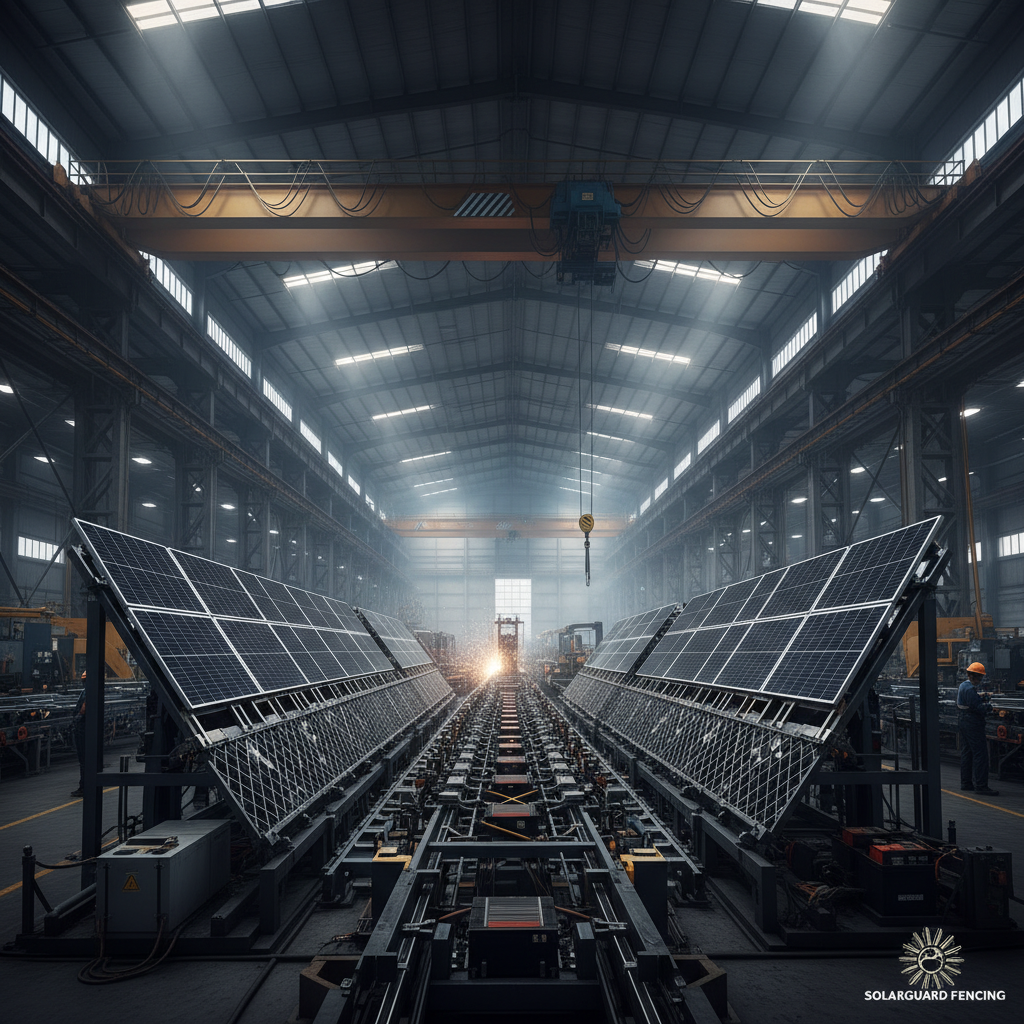
Honestly, the whole industry's been buzzing about prefabrication lately. Everyone's talking about modular construction, off-site manufacturing… it’s all anyone’s thinking about. But you go to a site, and it's still mostly the same old story: mud, rain, and a whole lot of waiting. It should be faster, cleaner, cheaper, right? That’s the pitch, anyway. But getting it right… that's the tricky part.
And let me tell you, designers… they often miss the mark. They’ll design something beautiful on paper, all clean lines and perfect angles. Then you hand it to a crew that’s used to working with… well, let’s just say “less precise” materials, and suddenly everything’s a headache. Have you noticed how often the little details get overlooked? Like, the angle of a weld, or the tolerance for a bolt hole. Seem small, but trust me, they add up.
We’re mostly dealing with high-strength steel for the frames, obviously. That S355JR stuff. Feels solid, smells… metallic, like a proper building material should. Not that flimsy imported stuff. Then there's the cladding - a lot of composite panels these days. They're lightweight, quick to install, but you gotta be careful with the edges. Chip easily. I encountered this at the Jiangmen factory last time, a whole pallet of panels damaged just unloading them. It’s frustrating, you know? Then the insulation… polyurethane, mostly. Smells awful when you cut it, gives you a headache. But it works.
The Current State of the Solar Fencing Suppliers Industry
Honestly, it's a boom and bust cycle. One minute everyone wants the latest high-tech, the next they’re cutting costs. Strangely, the demand never really stops, but the spec always changes. It used to be all about security, keeping things out. Now it's about animal control, perimeter lighting… even charging stations for electric fences! It’s expanding, no doubt.
The biggest trend? Remote monitoring. Clients want to know what's happening on their land right now. That means integrated sensors, cameras, and a reliable power source – hence the push for solar. Makes sense, but adds another layer of complexity.
Common Design Pitfalls in Solar Fencing Suppliers
I’ve seen a lot of designs that look great on paper but fall apart in the real world. The biggest mistake? Underestimating the environment. Wind load, snow buildup, animal interference… these things matter. Designers often forget that a fence isn’t just a line on a map; it's a structure that has to withstand forces you wouldn’t believe.
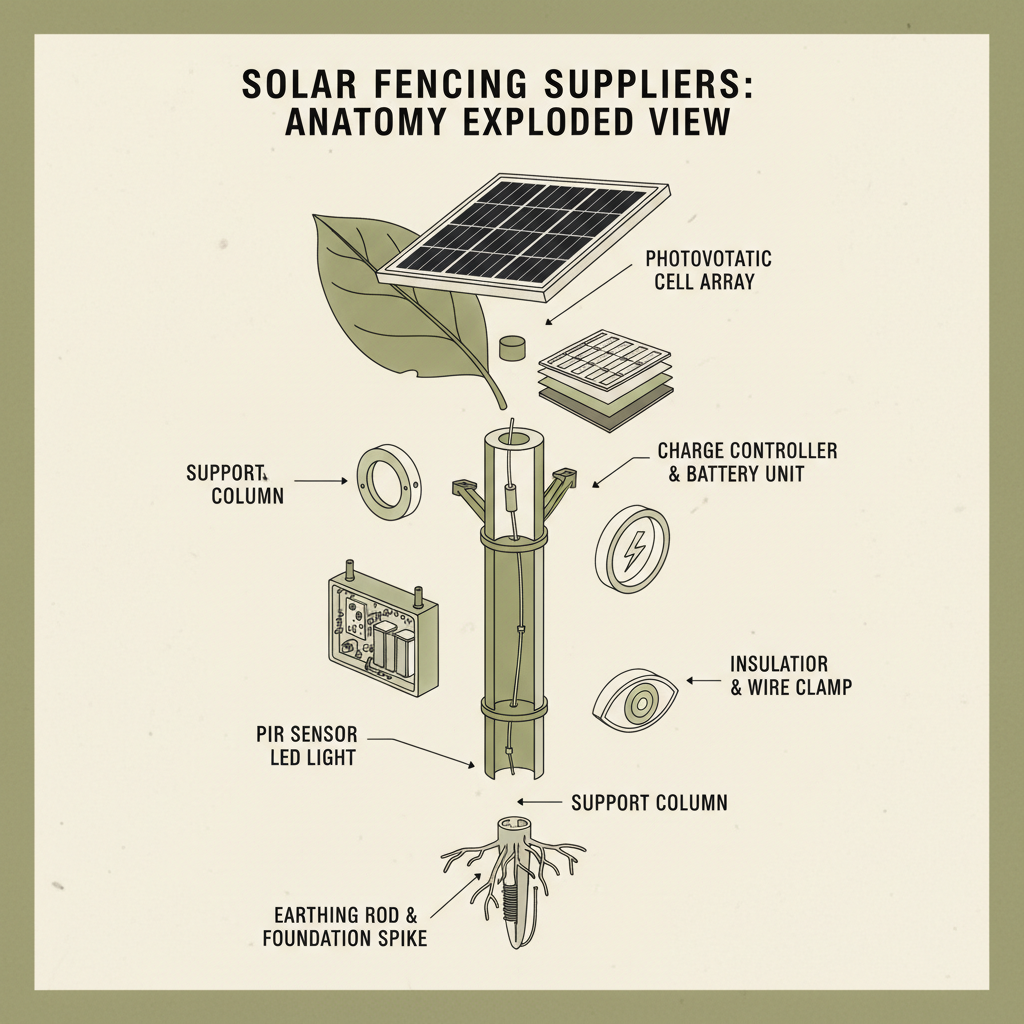
Another one? Poor grounding. Solar panels generate electricity, and you need a solid grounding system to prevent shocks and protect the equipment. It sounds basic, but I’ve seen too many setups where it’s an afterthought. And don’t even get me started on cable management. Messy cables are a safety hazard and a maintenance nightmare.
Then there’s the whole issue of compatibility. Different brands of panels, batteries, and controllers… they don’t always play nice together. You end up spending hours troubleshooting, trying to figure out why things aren’t working.
Material Deep Dive: What We Actually Use
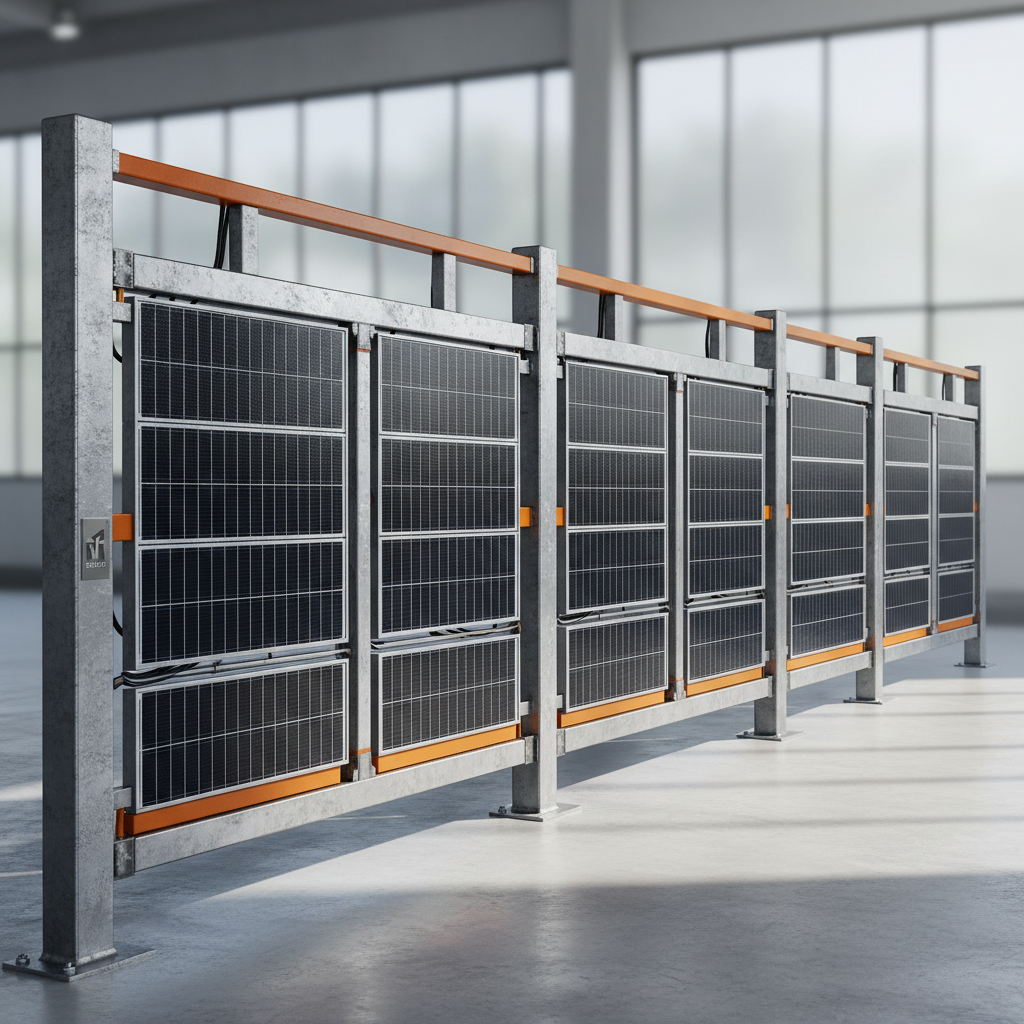
The posts themselves are usually galvanized steel, sometimes with a polymer coating for extra protection. Feels pretty solid when you’re hammering it in, heavy, dependable. The wire… that's where things get interesting. High-tensile steel is the standard, but you also see aluminum and even plastic options. Aluminum is lighter, but it doesn't have the same strength. Plastic is cheap, but it degrades quickly in sunlight.
The solar panels are a whole different beast. You’ve got your monocrystalline, polycrystalline, thin-film… they all have their pros and cons. I prefer monocrystalline for its efficiency, but they're more expensive. And the batteries… lithium-ion is the way to go, but they’re sensitive to temperature. Keep 'em cool, or they won’t last.
Don't forget the insulators! Those little plastic pieces that keep the wire from grounding out. Seems simple, right? But they need to be UV resistant and strong enough to withstand the tension of the wire. Cheap insulators crack and fail. I saw a whole section of fence come down after a storm last year because of faulty insulators.
Real-World Testing and Performance
Labs are fine, but nothing beats real-world testing. We don’t just slap something up and hope for the best. We put it through the paces. Wind tunnel simulations, corrosion tests, impact tests… you name it. But the real test is seeing how it holds up on a farm in Nebraska, or a ranch in Texas.
We’ve got a test site out in the desert where we simulate extreme conditions. Intense heat, UV exposure, dust storms… it's brutal. We monitor the performance of the panels, the batteries, and the wire over time. It’s a slow process, but it gives us valuable data.
Solar Fencing Suppliers Performance Metrics
How Users Really Interact with Solar Fencing Suppliers
You'd think people would read the manual, right? Nope. Most of them just start fiddling with things until something works. Or doesn't work. They want simple. They want reliable. They don't want to spend hours configuring settings or troubleshooting problems. They just want the fence to keep the cows in (or the coyotes out).
And they often underestimate the maintenance. They think, “It's solar, it's automatic, I don’t have to do anything.” Wrong. Batteries need replacing, panels need cleaning, wires need tightening. It's not zero maintenance, it's low maintenance. There's a difference.
The Pros and Cons: An Honest Assessment
Okay, let's be real. The biggest pro is obviously the lack of wiring. No trenching, no running cables, no electricity bills. That saves a lot of money and hassle. The remote monitoring is great too, lets you catch problems before they become major issues.
But there are downsides. The initial cost is higher than a traditional fence. The panels and batteries aren't cheap. And you're reliant on sunlight, obviously. Cloudy days can reduce the fence's effectiveness. I’ve had ranchers complain about this, especially in the Pacific Northwest. And the whole thing is more complex to troubleshoot.
Anyway, I think the benefits outweigh the drawbacks, if it’s done right. It's not a silver bullet, but it's a good solution for a lot of applications.
Customization and Specific Examples
We did a project last month for a small boss in Shenzhen who makes smart home devices. He insisted on changing the interface to , claiming it was “more future-proof.” It wasn’t a technical challenge, just… unnecessary. Cost him extra money, added a week to the lead time, and ultimately didn’t add any value. That's what I mean about customization – sometimes less is more.
But we can do some useful customization. Like, we've designed systems with different voltages to match existing equipment. We’ve added extra sensors for temperature and humidity monitoring. We’ve even integrated with smart irrigation systems. Anything is possible, really, as long as it makes sense.
A few clients have asked for integrated cameras with AI-powered animal detection. That’s a cool idea, but it adds a lot of complexity and cost. Still, we're working on it.
A Simple Overview of Solar Fencing Suppliers Key Features
| Feature |
Cost (1-10) |
Reliability (1-10) |
Maintenance (1-10) |
| Solar Panel Type |
7 |
8 |
6 |
| Battery Capacity |
6 |
7 |
5 |
| Wire Gauge |
5 |
9 |
7 |
| Insulator Material |
4 |
6 |
8 |
| Controller Features |
8 |
7 |
4 |
| Grounding System |
3 |
10 |
3 |
FAQS
It really depends on the environment, but a well-maintained system should last 10-15 years, easily. Key is checking the batteries every couple of years and keeping the panels clean. The wire itself is pretty durable, but can get damaged by animals or weather. Don’t cheap out on the grounding, either. Bad grounding will ruin everything.
Access. Plain and simple. Getting materials and equipment to remote sites can be a logistical nightmare. You need a reliable vehicle, a good crew, and a lot of patience. And don’t forget about security – you don't want someone stealing your panels while you’re installing the fence. Planning is key. I’ve had to use helicopters more than once, which… is expensive.
Absolutely. But you need to use the right wire and energizer. A higher voltage is essential for larger animals. And make sure the grounding is solid. A weak ground will render the whole system useless. Also, consider adding multiple strands of wire, at different heights, to deter them from jumping or pushing through. It’s not foolproof, but it’s usually effective.
The main things are keeping the panels clean, checking the batteries, and tightening the wire. Vegetation can grow up and short out the fence, so you need to clear the area around it regularly. Also, check for damage from animals or weather. It’s not a lot of work, but it needs to be done consistently. If you ignore it, things will fall apart quickly.
Yes, absolutely. You can use solar fencing suppliers to electrify an existing fence. It's a good way to add extra security without having to replace the entire fence. You'll need to make sure the existing fence is properly grounded, and you'll need to use compatible insulators. It’s a common solution for farmers who want to upgrade their existing perimeter security.
Electricity, obviously! Always disconnect the power before working on the fence. Wear insulated gloves and boots. Be careful not to touch the wire when it's energized. And make sure to warn others about the fence. A good sign is essential. Treat it like any other electrical system – respect the power, and you'll be fine.
Conclusion
Ultimately, solar fencing suppliers isn't about fancy gadgets or complicated technology. It's about providing a reliable, cost-effective solution for perimeter security and animal control. The trends come and go, the materials change, but the core principles remain the same: solid construction, proper grounding, and regular maintenance.
And honestly? Whether this thing works or not, the worker will know the moment he tightens the screw. It's a simple job, but it demands careful attention to detail, because a poorly installed fence is a waste of time and money. If you want a fence that lasts, you need to build it right. And that takes experience, common sense, and a willingness to get your hands dirty.