The integration of solar energy into garden fencing represents a burgeoning field, offering a unique convergence of aesthetics, security, and sustainable power generation. This innovative approach, often referred to as a solar panel garden fence, addresses the growing demand for eco-friendly solutions in both residential and commercial landscapes. It’s a trend fueled by increasing environmental awareness, government incentives for renewable energy adoption, and the desire for self-sufficiency in energy consumption.
Globally, the need for sustainable infrastructure is escalating, driven by climate change concerns and resource depletion. Solar panel garden fences provide a practical application of renewable energy principles, seamlessly integrating into existing environments. Data from the International Renewable Energy Agency (IRENA) indicates a consistent growth in solar PV capacity worldwide, highlighting the increasing viability and demand for these technologies.
This technology offers numerous benefits, ranging from reduced electricity bills and a lower carbon footprint to enhanced property value and improved security. Understanding the nuances of solar panel garden fence design, installation, and maintenance is crucial for maximizing its potential and ensuring long-term sustainability.
The Fundamentals of Solar Panel Garden Fence
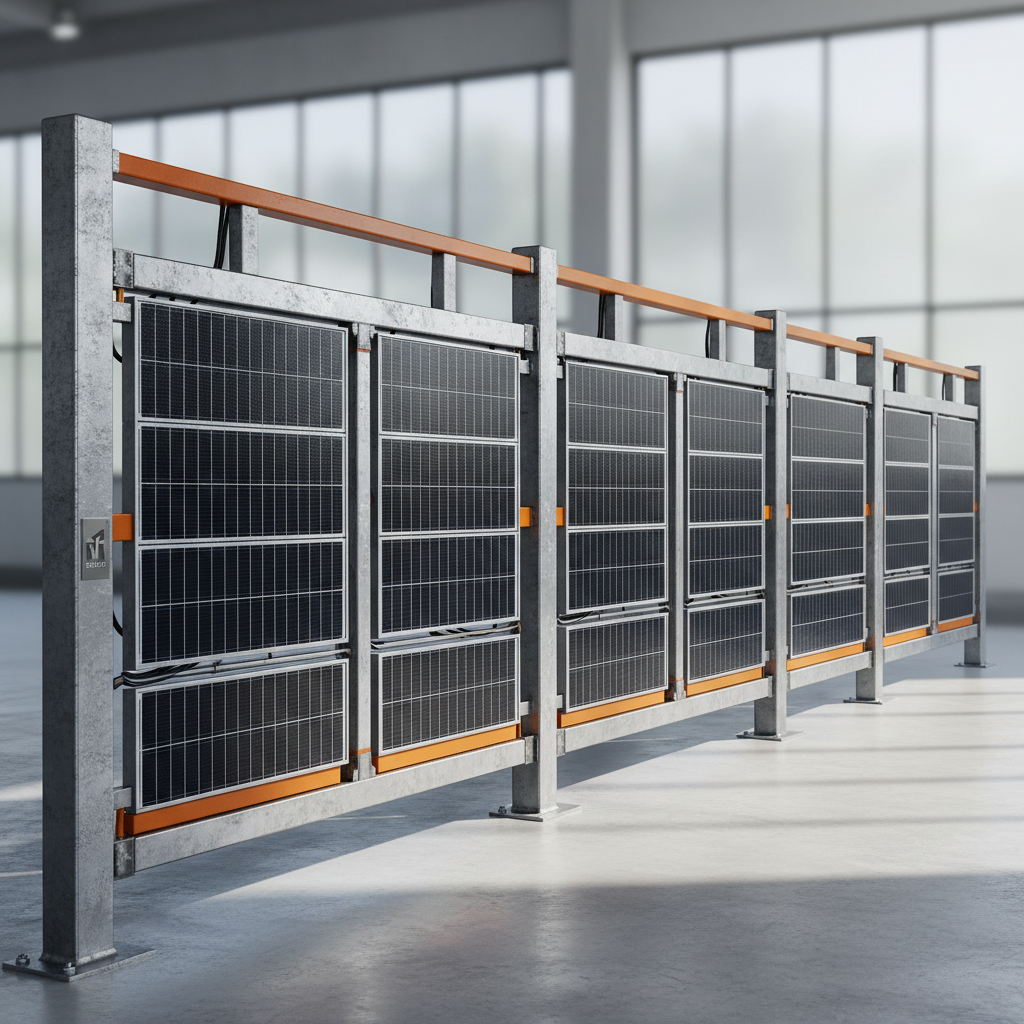
At its core, a solar panel garden fence integrates photovoltaic (PV) cells directly into the structure of a traditional garden fence. These PV cells capture sunlight and convert it into electricity, which can be used to power various applications, from garden lighting and irrigation systems to home appliances and electric vehicle charging.
The fence itself serves a dual purpose: providing physical security and acting as a renewable energy generator. This integration minimizes land use and maximizes energy production within an existing landscape element. Careful consideration of fence design, panel orientation, and electrical system integration is essential for optimal performance and safety.
Global Relevance and Market Trends
The demand for renewable energy sources is surging globally, driven by international agreements like the Paris Agreement and a growing commitment to decarbonization. Solar panel garden fences align with this trend, offering a decentralized and accessible renewable energy solution. The market for residential and commercial solar installations is experiencing significant growth, with increasing adoption rates in regions with high solar irradiance and supportive government policies.
According to the World Bank, investment in renewable energy reached record levels in recent years, indicating a strong market appetite for sustainable technologies. The integration of solar panels into architectural elements, like fences, represents a shift towards more aesthetically pleasing and functional renewable energy systems. This is particularly appealing to homeowners and businesses seeking to reduce their environmental impact without compromising on design.
The rising costs of traditional energy sources, coupled with decreasing prices for solar technology, further contribute to the growing appeal of solar panel garden fences. The trend towards smart homes and energy management systems also drives demand for integrated renewable energy solutions that can be seamlessly monitored and controlled.
Defining Solar Panel Garden Fence
A solar panel garden fence is essentially a hybrid structure that combines the functional purpose of a boundary fence with the energy-generating capabilities of photovoltaic (PV) technology. It typically involves mounting solar panels onto a fence framework, utilizing the fence’s existing structure to support the panels and maximize their sun exposure.
Unlike traditional solar panel installations that require dedicated roof space or ground-mounted arrays, a solar panel garden fence utilizes vertical space, making it an ideal solution for properties with limited area. This innovative approach caters to the growing need for sustainable energy solutions in densely populated areas and urban environments.
Its application extends beyond purely residential scenarios. Agricultural settings can leverage solar panel garden fences for powering irrigation systems, lighting for livestock enclosures, or electric fencing. The modular nature of these fences also allows for scalability, adapting to varying energy needs and property sizes.
Key Components and Performance Factors
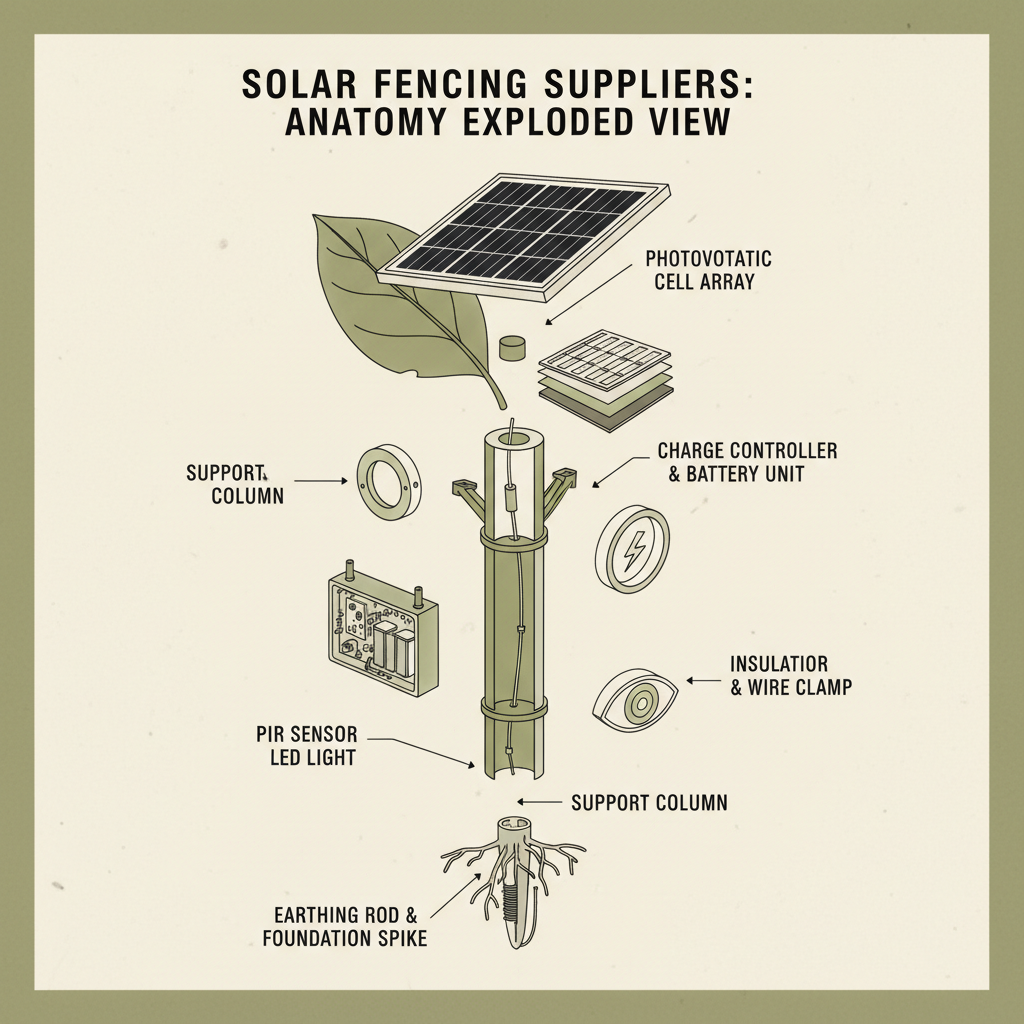
Several key components contribute to the functionality and performance of a solar panel garden fence. These include the PV modules themselves, the fence framework (often aluminum or treated wood), mounting hardware, wiring, inverters, and battery storage (optional). The choice of materials directly impacts the durability, aesthetics, and overall cost of the system.
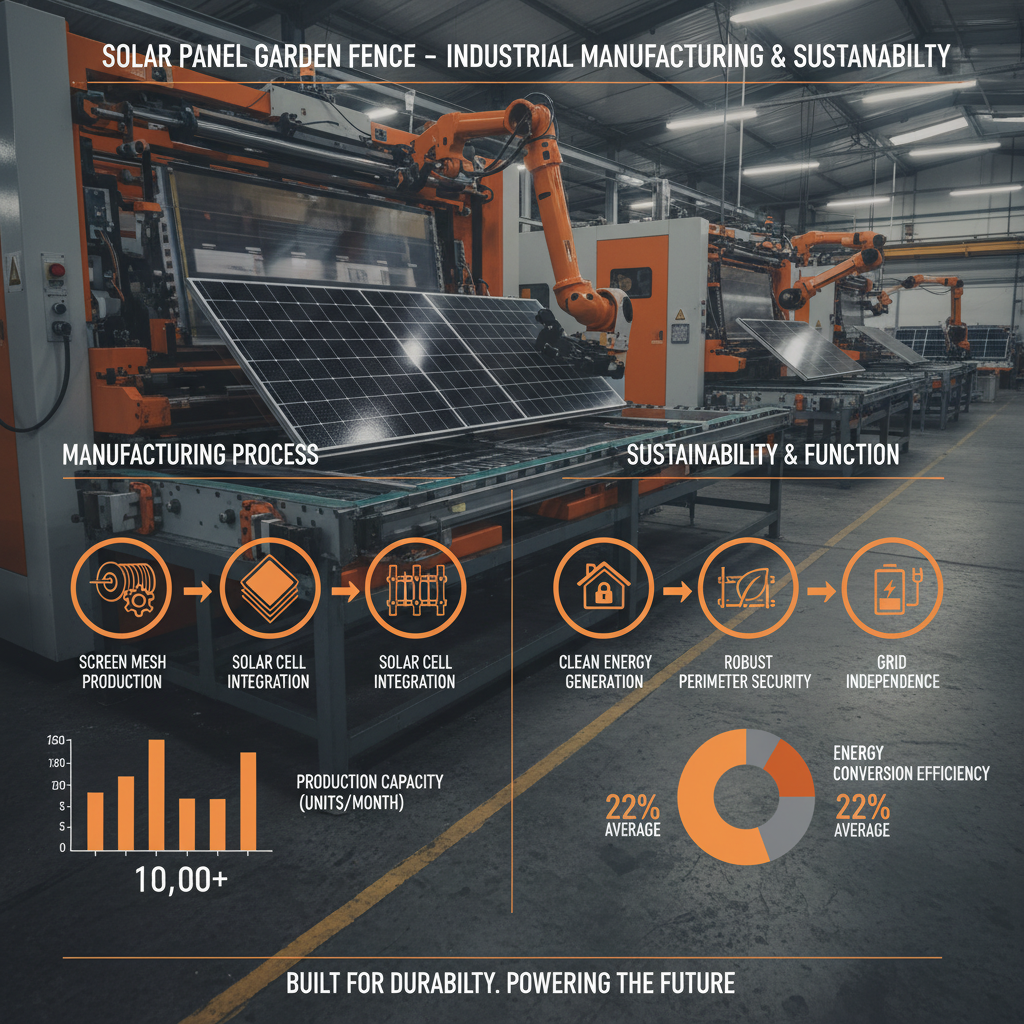
Performance factors such as panel efficiency, sun exposure, tilt angle, and shading all play a crucial role in maximizing energy generation. Regular maintenance, including panel cleaning and inspection of wiring, is essential for maintaining optimal performance over the lifespan of the system.
Solar Panel Garden Fence Performance Metrics
Real-World Applications and Case Studies
Solar panel garden fences are finding applications in a diverse range of settings. In rural communities, they can provide power for remote homes, farms, and livestock enclosures. In urban areas, they offer a sustainable alternative for powering garden lighting, security systems, and small appliances.
Several pilot projects demonstrate the viability of this technology. For instance, in agricultural regions, solar-powered fences are used to electrify livestock barriers, eliminating the need for traditional power sources. Residential installations showcase their ability to significantly reduce electricity bills and contribute to a lower carbon footprint.
Advantages and Long-Term Value Proposition
The benefits of a solar panel garden fence are multifaceted. Economically, it offers long-term cost savings through reduced electricity bills and potential income from net metering (selling excess energy back to the grid). Environmentally, it reduces reliance on fossil fuels, minimizing carbon emissions and promoting sustainability.
Beyond these tangible benefits, the technology enhances property value, improves security, and demonstrates a commitment to environmental responsibility. The durability and longevity of modern solar panels, coupled with the inherent strength of a well-constructed fence, ensure a long-term return on investment.
Furthermore, the aesthetic appeal of integrated solar fences can be a significant advantage, blending functionality with a modern and eco-conscious design.
Future Innovations and Emerging Technologies
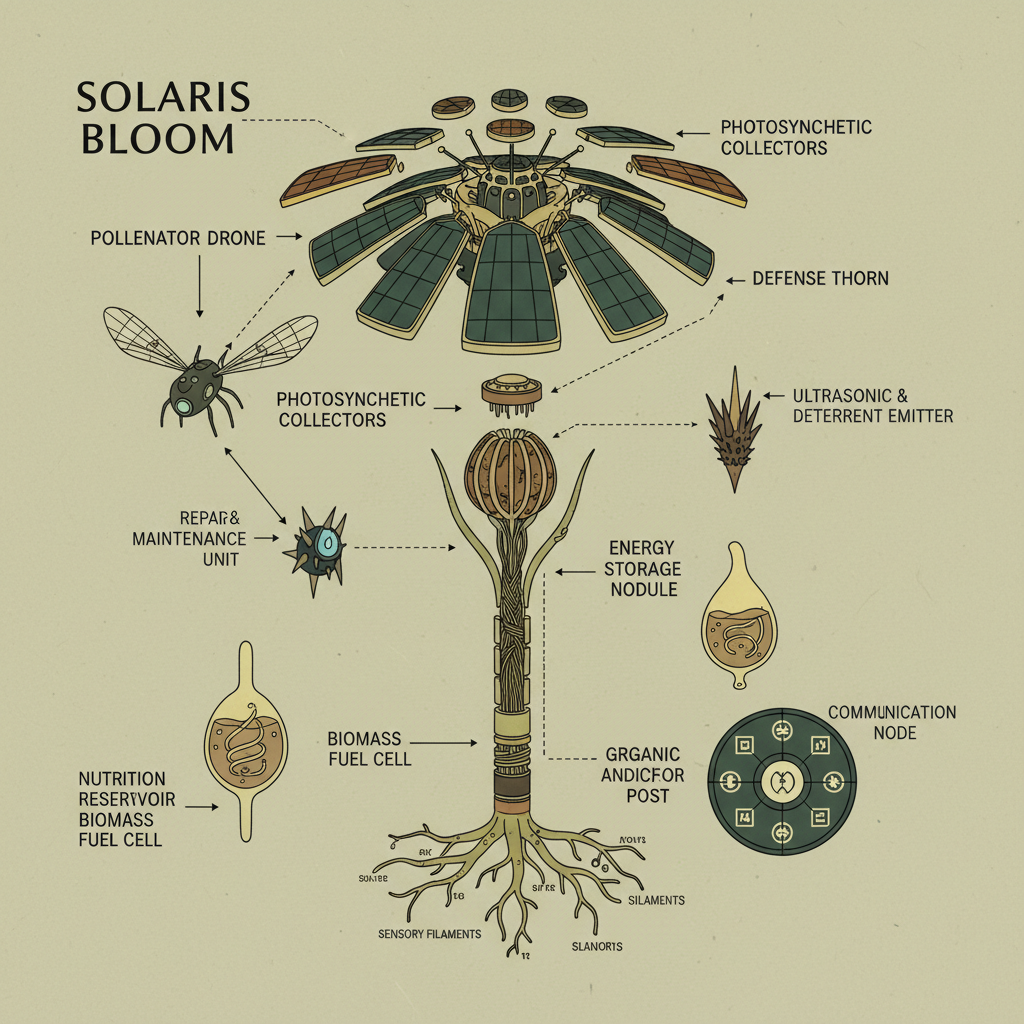
The field of solar panel garden fence technology is constantly evolving. Researchers are exploring new materials, such as perovskite solar cells, which offer higher efficiency and lower manufacturing costs. Improvements in battery storage technology are also enhancing the reliability and usability of these systems.
Smart grid integration and advanced energy management systems will play an increasingly important role in optimizing energy production and consumption. The development of more aesthetically pleasing and customizable fence designs will further drive adoption.
The convergence of IoT (Internet of Things) technology with solar fences enables remote monitoring, performance analysis, and automated control, making these systems even more efficient and user-friendly.
Summary of Factors Influencing Solar Panel Garden Fence Suitability
| Geographical Location |
Fence Material |
Energy Demand |
Installation Cost |
| High Solar Irradiance Regions |
Aluminum Alloy |
Low-Moderate |
$5,000 - $10,000 |
| Moderate Solar Irradiance Regions |
Treated Wood |
Moderate-High |
$7,000 - $12,000 |
| Urban Areas (Limited Space) |
Composite Materials |
Low |
$6,000 - $11,000 |
| Rural Agricultural Settings |
Steel |
High (Irrigation, Lighting) |
$8,000 - $15,000 |
| Coastal Environments (High Corrosion) |
Stainless Steel |
Moderate |
$9,000 - $16,000 |
| Areas with Strict Aesthetic Regulations |
Vinyl/PVC |
Low-Moderate |
$4,000 - $9,000 |
FAQS
The installation cost of a solar panel garden fence varies greatly depending on several factors, including the length of the fence, the type of solar panels used, the complexity of the electrical system, and local labor rates. Generally, you can expect to pay between $5,000 and $15,000 for a complete installation, but this is just an estimate. Factors like permitting fees and battery storage (if desired) can also add to the overall cost.
A well-maintained solar panel garden fence can last for 25-30 years, similar to traditional rooftop solar installations. The solar panels themselves typically come with a 25-year performance warranty, guaranteeing a certain level of energy output over that period. The fence structure’s lifespan depends on the materials used, with aluminum and treated wood offering excellent durability.
While not always necessary, a battery storage system significantly enhances the benefits of a solar panel garden fence. It allows you to store excess energy generated during the day for use at night or during cloudy periods, increasing self-sufficiency and reducing reliance on the grid. The cost of battery storage can be substantial, so it’s important to assess your energy needs and budget.
Permitting requirements vary depending on your location and local regulations. Generally, you’ll need to obtain permits from your local building department and possibly your utility company. These permits ensure that the installation meets safety standards and complies with zoning regulations. It's best to consult with a qualified installer who can navigate the permitting process for you.
Solar panel garden fences require minimal maintenance. Regular cleaning of the panels (once or twice a year) to remove dirt and debris is recommended. Periodic inspection of wiring and connections should also be conducted to ensure optimal performance and safety. The fence structure itself may require occasional painting or staining, depending on the material.
Yes, in many jurisdictions, you can connect a solar panel garden fence to the electrical grid through a process called net metering. Net metering allows you to receive credit on your electricity bill for any excess energy that you send back to the grid. However, the rules and regulations for net metering vary significantly by location, so it’s essential to check with your utility company.
Conclusion
In conclusion, solar panel garden fences represent a compelling intersection of sustainable energy, security, and aesthetic design. They offer a practical and efficient solution for generating clean energy while simultaneously providing a functional boundary. The long-term benefits, including reduced energy costs, environmental impact, and enhanced property value, make them an increasingly attractive investment for homeowners and businesses alike.
As technology continues to advance and costs decline, we can expect to see wider adoption of these innovative systems. Further research and development in areas like battery storage, panel efficiency, and smart grid integration will unlock even greater potential. By embracing solar panel garden fences, we can contribute to a more sustainable and energy-independent future.