Solar photovoltaic fencing represents a burgeoning field, seamlessly integrating security infrastructure with renewable energy generation. Globally, the demand for secure perimeters is ever-present, driven by concerns ranging from property protection to national security. Simultaneously, the urgent need to transition towards sustainable energy sources is reshaping industries worldwide. Solar photovoltaic fencing directly addresses both these needs, offering a robust security solution powered by clean energy. Understanding this technology is crucial for stakeholders in security, energy, agriculture, and infrastructure development, offering a path toward enhanced security and sustainability.
The increasing prevalence of remote installations – from agricultural farms to critical infrastructure sites – necessitates self-sufficient security solutions. Traditional perimeter security often relies on grid-connected power, creating vulnerabilities and operational costs. Furthermore, the environmental impact of traditional power sources is a growing concern. Solar photovoltaic fencing provides a resilient, cost-effective, and environmentally friendly alternative, eliminating dependence on the grid and reducing carbon footprint. Its versatility allows for adaptation to diverse landscapes and security requirements.
Investing in research, development, and deployment of solar photovoltaic fencing is no longer just a matter of innovation but a strategic imperative for a secure and sustainable future. Understanding its potential benefits, challenges, and evolving technologies is key to unlocking its full potential.
Introduction to Solar Photovoltaic Fencing
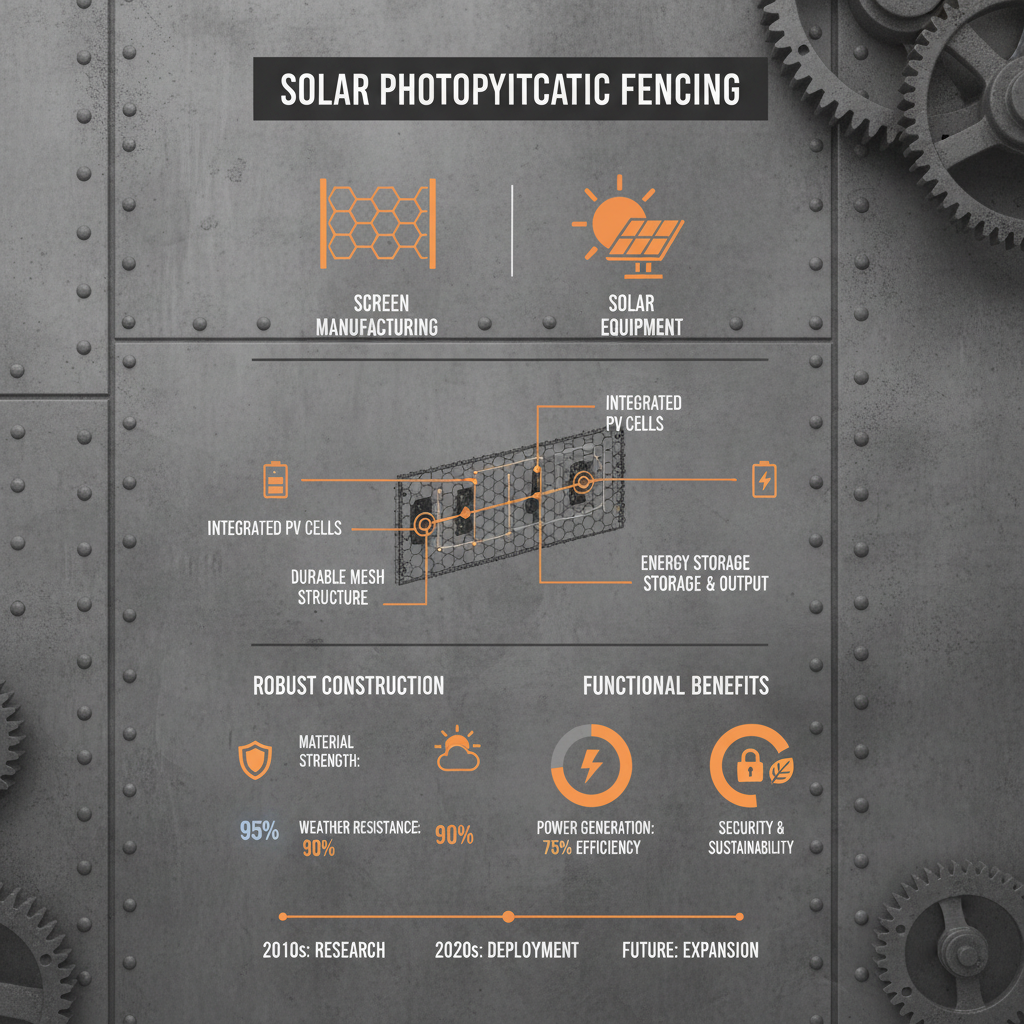
Solar photovoltaic fencing is an innovative integration of security perimeter systems with solar energy harvesting technology. This creates a dual-purpose infrastructure that not only safeguards properties and assets but also generates clean, renewable energy. The core concept involves incorporating photovoltaic (PV) cells directly into the fencing structure, transforming the perimeter into a power-generating asset. solar photovoltaic fencing presents a sustainable alternative to traditional, grid-dependent fencing solutions.
The design of solar photovoltaic fencing allows for a wide range of applications, from securing agricultural lands and industrial facilities to protecting critical infrastructure and residential properties. The energy generated can be used to power the fencing system itself (cameras, alarms, lighting), as well as contribute to the overall energy needs of the site, reducing electricity bills and carbon emissions. The inherent resilience and scalability of this technology makes it particularly suitable for remote and off-grid locations.
Defining Solar Photovoltaic Fencing
Solar photovoltaic fencing, at its core, is a perimeter security system enhanced with integrated solar panels. Unlike conventional fences that merely provide a physical barrier, this technology actively converts sunlight into usable electricity. This electricity can then be utilized to power the fence's security features, such as electric currents, alarms, surveillance cameras, and lighting, creating a self-sufficient and energy-efficient security solution.
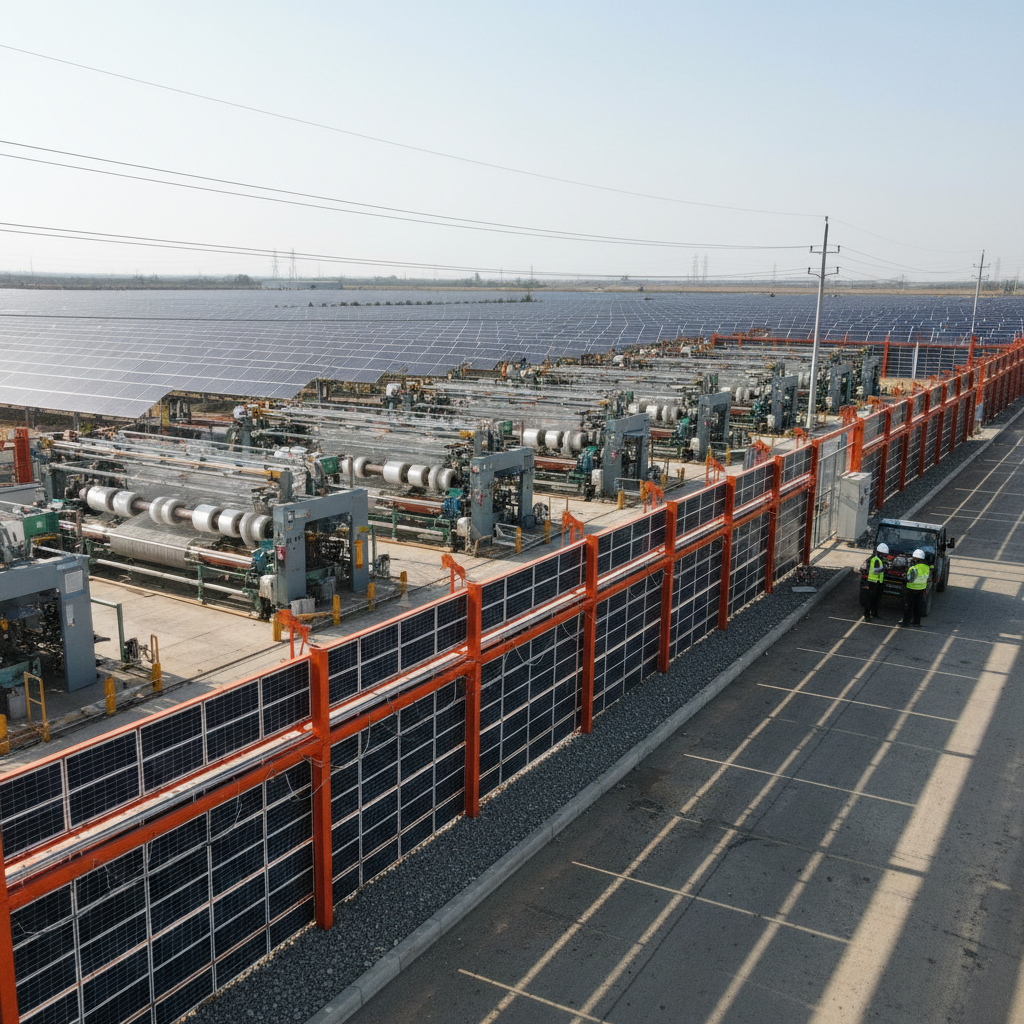
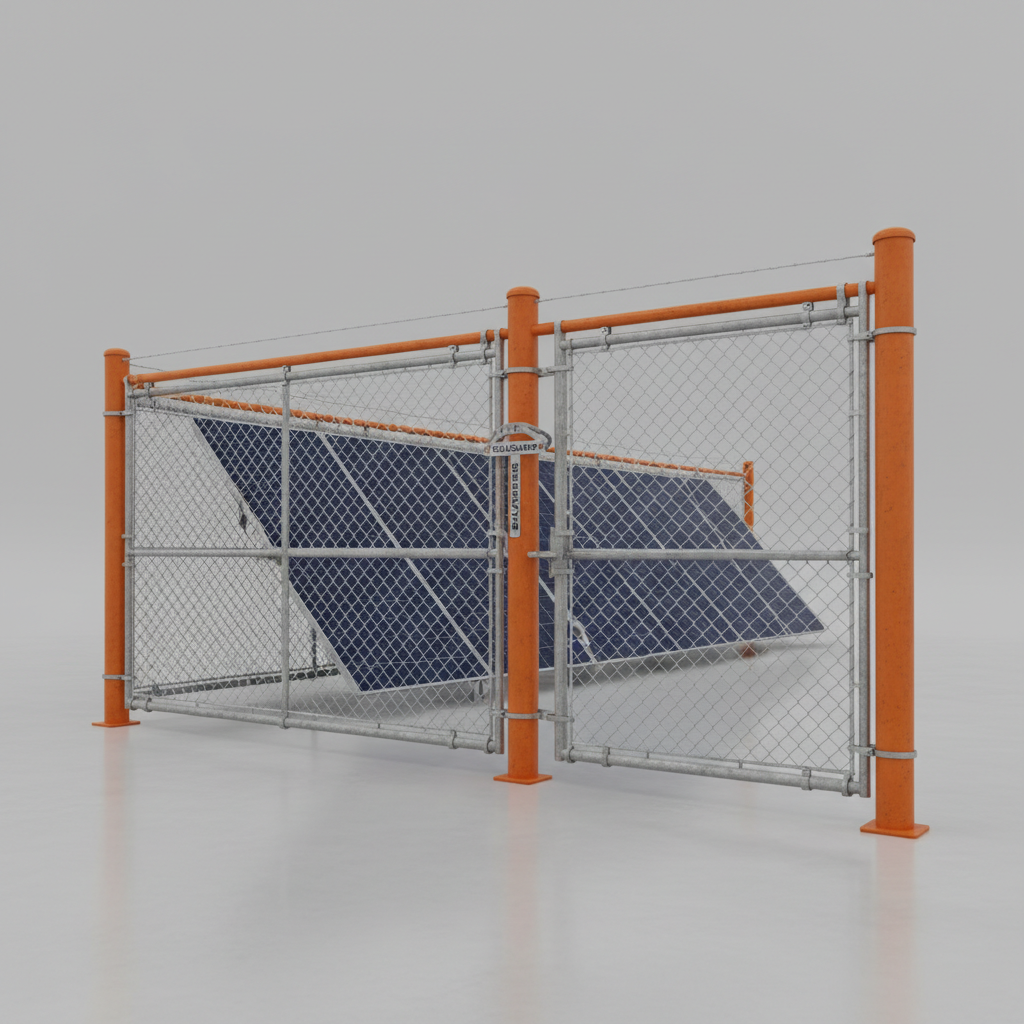
The system comprises standard fencing materials (steel, chain-link, or composite materials) with PV modules strategically incorporated into the design. These modules are typically mounted onto or within the fence structure, maximizing sunlight exposure. The generated electricity is then managed by an inverter system, converting DC power to AC power for compatibility with standard electrical devices.
The connection to modern industry and humanitarian needs is significant. In industrial settings, it provides reliable and cost-effective security. In remote agricultural areas, it offers protection from theft and animal intrusion, while simultaneously powering irrigation systems or rural electrification projects. It's even finding use in disaster relief scenarios, offering temporary security and power in affected areas.
Core Components and Key Factors
Several key factors contribute to the effectiveness and efficiency of solar photovoltaic fencing. First, Durability is paramount. The fencing must withstand harsh weather conditions, potential impacts, and attempted breaches, requiring robust materials and construction. Secondly, Scalability allows for customization to diverse property sizes and security needs, meaning the system can be expanded or contracted as required.
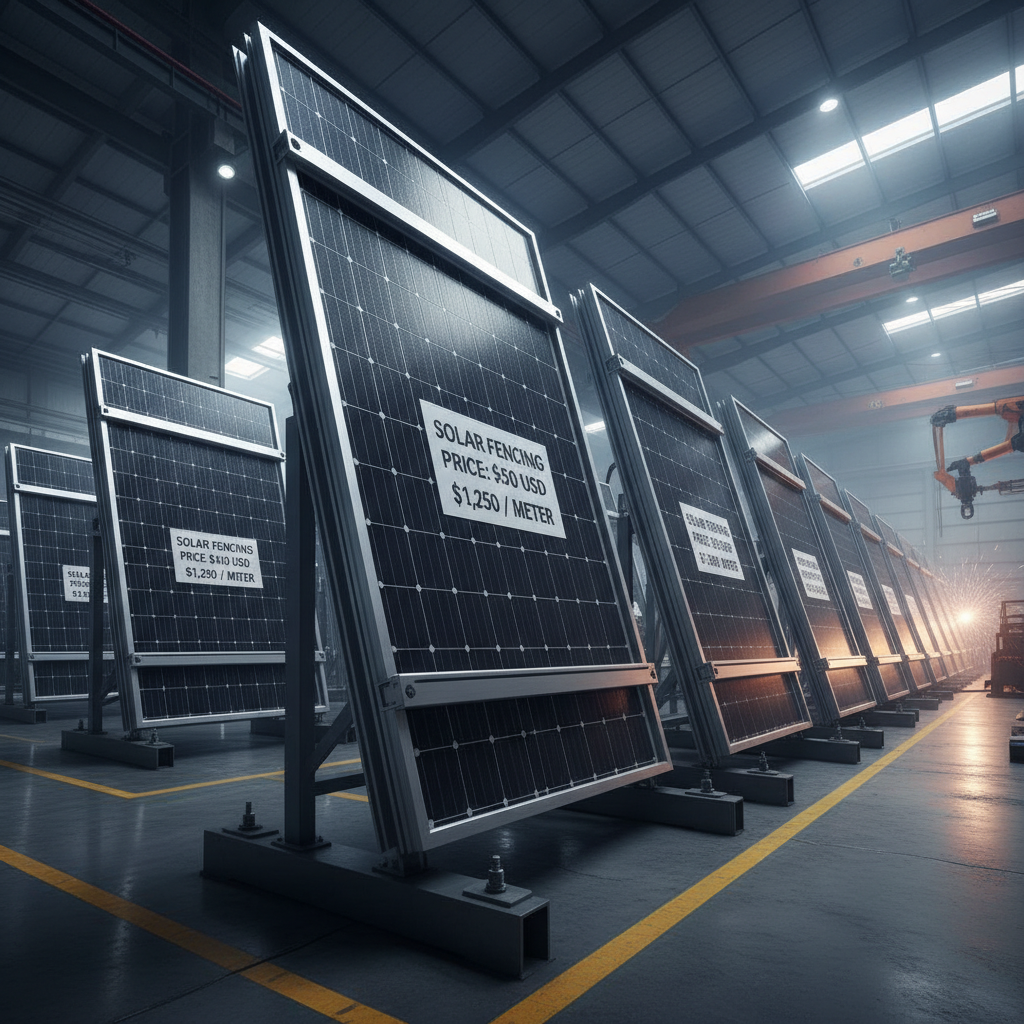
Cost Efficiency is a significant driver for adoption. While the initial investment may be higher than traditional fencing, the long-term savings from reduced energy costs and enhanced security can offset this difference. The fourth key component is Energy Yield, which is directly affected by panel efficiency, sunlight exposure, and climate conditions. Maximizing energy yield is crucial for achieving the full potential of the system. Furthermore, Integration Complexity needs to be considered; the seamless integration of PV modules with the fence structure is vital for both performance and aesthetics.
Finally, Maintenance Requirements play a critical role. The system should be designed for ease of maintenance, minimizing downtime and maximizing the lifespan of the components. These factors directly impact the practical applications, influencing the selection of materials, design configurations, and overall system performance.
Global Applications of Solar Photovoltaic Fencing
The applications of solar photovoltaic fencing are surprisingly diverse. In agriculture, it safeguards valuable crops and livestock from theft and wildlife intrusion, while simultaneously powering irrigation systems and remote monitoring equipment. In the industrial sector, it secures factories, warehouses, and storage facilities, reducing energy costs and enhancing security.
The technology is also gaining traction in the realm of critical infrastructure protection, safeguarding power plants, water treatment facilities, and communication towers. In post-disaster relief operations, solar photovoltaic fencing can provide immediate perimeter security and power for temporary shelters and medical facilities. Similarly, in remote industrial zones – such as mining operations or oil and gas facilities – where grid access is limited or unreliable, it offers a self-sufficient security solution.
Countries with extensive agricultural lands, such as the United States, Brazil, and Australia, are seeing increasing adoption. Governments and organizations are investing in these systems to improve food security and reduce energy costs. Furthermore, regions prone to security threats, like border areas in Europe and the Middle East, are exploring solar photovoltaic fencing as a robust and sustainable security measure.
Solar Photovoltaic Fencing Performance Metrics
Advantages and Long-Term Value
The advantages of deploying solar photovoltaic fencing extend far beyond simple security. Tangible benefits include significant cost savings stemming from reduced electricity consumption and minimized reliance on grid power. The sustainability aspect is undeniable, lowering carbon emissions and contributing to a greener footprint. Enhanced reliability is another key advantage, as the system is not susceptible to power outages.
From a social impact perspective, solar photovoltaic fencing can empower remote communities by providing access to clean and reliable energy, fostering economic development and improved quality of life. The emotional benefits of increased security – providing peace of mind for property owners and residents – are also significant. The intrinsic innovation represented by this technology builds trust and showcases a commitment to sustainable practices.
Future Trends and Innovations
The future of solar photovoltaic fencing is brimming with potential. Advancements in solar panel technology – such as perovskite solar cells – promise higher efficiency and lower production costs. Integration with smart grid technologies will allow for optimized energy management and potential revenue generation through energy export.
The incorporation of artificial intelligence (AI) and machine learning (ML) into security systems will enhance threat detection and response capabilities. Furthermore, the development of more durable and lightweight materials will improve the longevity and ease of installation of these systems. Digital transformation and automation will play a critical role in monitoring and controlling these systems remotely.
Challenges and Solutions
Despite its advantages, solar photovoltaic fencing faces certain challenges. Initial investment costs can be a barrier to entry for some. Intermittency of sunlight – affecting energy generation – requires robust energy storage solutions. Maintaining optimal panel orientation for maximum sunlight exposure can be complex in certain terrains.
Solutions include government incentives and financing options to lower upfront costs. Investing in advanced battery storage technologies, such as lithium-ion or flow batteries, can address intermittency. Utilizing intelligent tracking systems that automatically adjust panel angles to maximize sunlight capture is a viable solution. Furthermore, standardized designs and streamlined installation processes can reduce complexity and lower labor costs.
Continued research and development focused on material science, energy storage, and system integration will be crucial for overcoming these challenges and unlocking the full potential of solar photovoltaic fencing.
Summary of Challenges and Corresponding Solutions for Solar Photovoltaic Fencing
| Challenge |
Impact on System Performance |
Proposed Solution |
Implementation Cost (1-10) |
| High Initial Cost |
Limits accessibility for smaller projects |
Government incentives & financing options |
6 |
| Sunlight Intermittency |
Reduced power output during cloudy days/nights |
Advanced battery storage (Lithium-ion) |
8 |
| Panel Orientation |
Suboptimal energy capture in complex terrains |
Intelligent panel tracking systems |
7 |
| Material Durability |
Susceptibility to damage from weather/impact |
Use of corrosion-resistant & impact-resistant materials |
5 |
| Installation Complexity |
Increased labor costs and project timelines |
Standardized designs and pre-fabricated components |
4 |
| Maintenance Requirements |
Regular cleaning and inspection to maintain performance |
Remote monitoring & automated cleaning systems |
3 |
FAQS
A well-maintained solar photovoltaic fencing system can realistically be expected to last for 25-30 years, mirroring the lifespan of most modern solar panels. The fencing materials themselves (steel, composite) can have even longer lifespans with proper maintenance. However, battery storage components typically need replacing every 5-10 years, depending on usage and technology. Regular inspections and preventative maintenance are crucial for maximizing the overall system lifespan and return on investment.
Solar photovoltaic fencing is adaptable to a wide range of terrains, but some sites may require more customized solutions. Uneven ground or steep slopes can necessitate specialized foundation designs and panel mounting systems. Areas with heavy snowfall require structures capable of withstanding significant snow loads. The feasibility of installation is typically assessed during a site survey, considering factors like soil composition, slope, and potential obstructions.
While modern solar panels are designed to withstand a wide range of temperatures, extreme conditions can affect performance. High temperatures can slightly reduce panel efficiency, while extremely cold temperatures can also cause a temporary decrease in output. However, these effects are typically minimal and are accounted for in system design. Robust materials and proper ventilation are essential for mitigating the impact of extreme weather conditions.
Regular maintenance primarily involves cleaning the solar panels to remove dust and debris, inspecting the fencing structure for damage, and monitoring the performance of the battery storage system. Panel cleaning can be done manually or with automated systems. Battery monitoring should be performed regularly to ensure optimal function and timely replacement when needed. Annual professional inspections are recommended to identify and address potential issues before they escalate.
A wide array of security features can be seamlessly integrated. These include electric shock fencing, intrusion detection sensors, surveillance cameras (CCTV), motion detectors, and alarm systems. The solar-generated power provides a reliable and independent energy source for these security components, enhancing overall system effectiveness. Remote monitoring and control capabilities add another layer of security.
In many regions, net metering programs allow property owners to sell excess electricity generated by their solar photovoltaic fencing systems back to the grid. This can provide an additional revenue stream and further reduce the overall cost of the system. The eligibility for net metering varies depending on local regulations and utility policies, so it’s important to check with the local power provider.
Conclusion
Solar photovoltaic fencing represents a paradigm shift in perimeter security, seamlessly blending robust protection with sustainable energy generation. Its versatility, scalability, and long-term cost savings make it an attractive option for a wide range of applications, from agriculture and industry to critical infrastructure and remote communities. By embracing this innovative technology, we can enhance security, reduce our environmental impact, and create a more sustainable future.
Looking ahead, continued investment in research and development will unlock even greater potential for solar photovoltaic fencing. As technology advances and costs continue to decline, we can expect to see wider adoption and innovative new applications. Consider exploring the benefits of this solution for your security needs and join the movement towards a more secure and sustainable world. Visit our website at www.qhfilter.com to learn more.