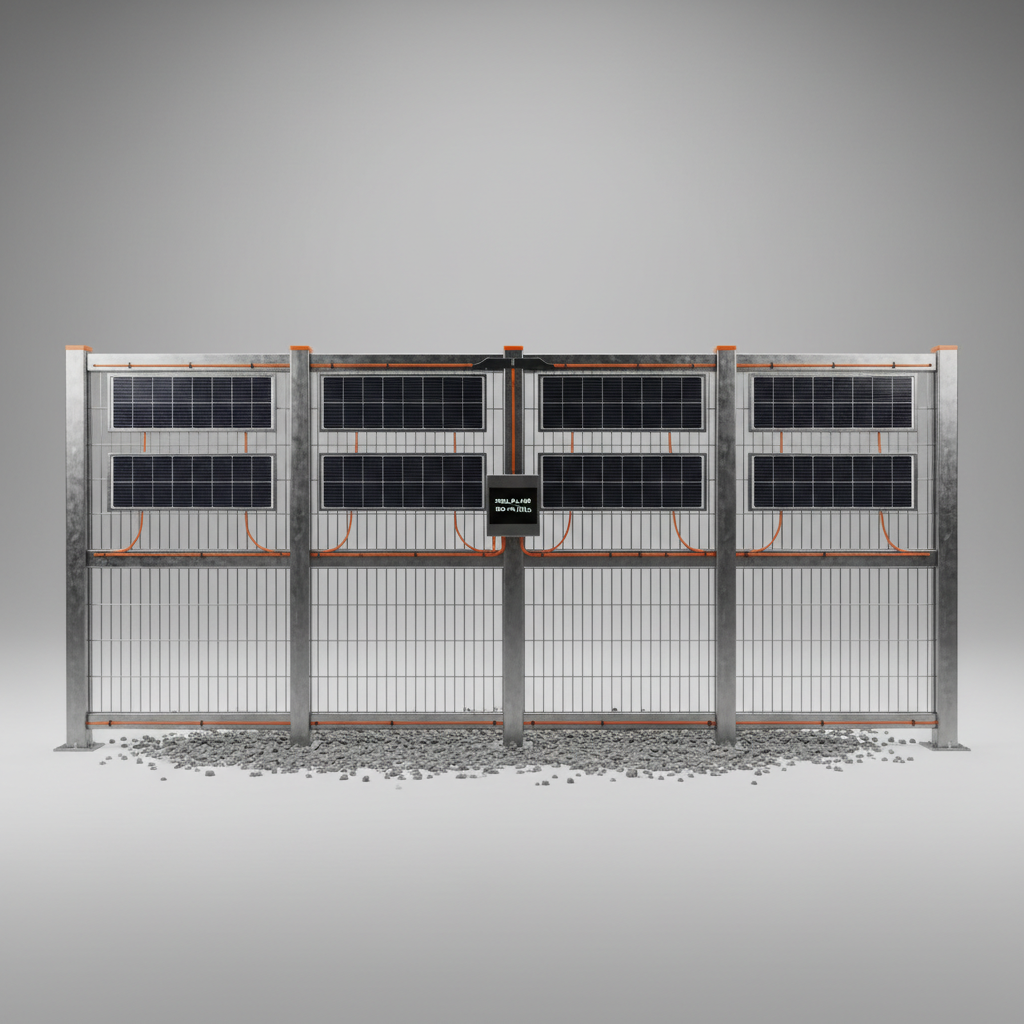
Solar fencing isn't just about keeping critters out; it's a robust, reliable power source for remote security systems, livestock management, and even agricultural automation. As someone who’s spent years in the field, wrestling with everything from faulty wiring to unreliable grid connections, the appeal of a self-sufficient, solar-powered fence is obvious. The cost, naturally, is a key consideration, and understanding the solar fencing cost per meter is crucial for anyone planning a project, whether it's a small farm or a large-scale industrial operation. We’re talking about more than just buying wire and panels; it's a complete system integration, and getting the math right upfront avoids headaches down the line.
The demand for secure, off-grid perimeter solutions is steadily increasing. Globally, we’re seeing a rise in rural property protection needs, driven by increased theft and the challenges of maintaining traditional security systems in remote areas. According to the UN’s Sustainable Development Goals, access to reliable energy is vital for rural development, and solar fencing neatly addresses both security and energy needs. This isn't limited to agriculture, either. Mining operations, remote infrastructure projects, and even wildlife conservation areas all benefit from this technology. The challenge, as always, is translating that demand into affordable and scalable solutions, and the biggest piece of that is nailing down the solar fencing cost per meter.
Ultimately, solar fencing represents a shift towards self-reliance and sustainable security. It’s a practical answer to the limitations of grid power, particularly in areas where extending the grid is prohibitively expensive or simply impossible. It’s about building systems that work, that minimize ongoing maintenance, and that offer genuine peace of mind. It's the kind of solution that makes a tangible difference, and that’s why I’ve seen it become so popular with landowners and security professionals alike.
Introduction to Solar Fencing Cost Per Meter
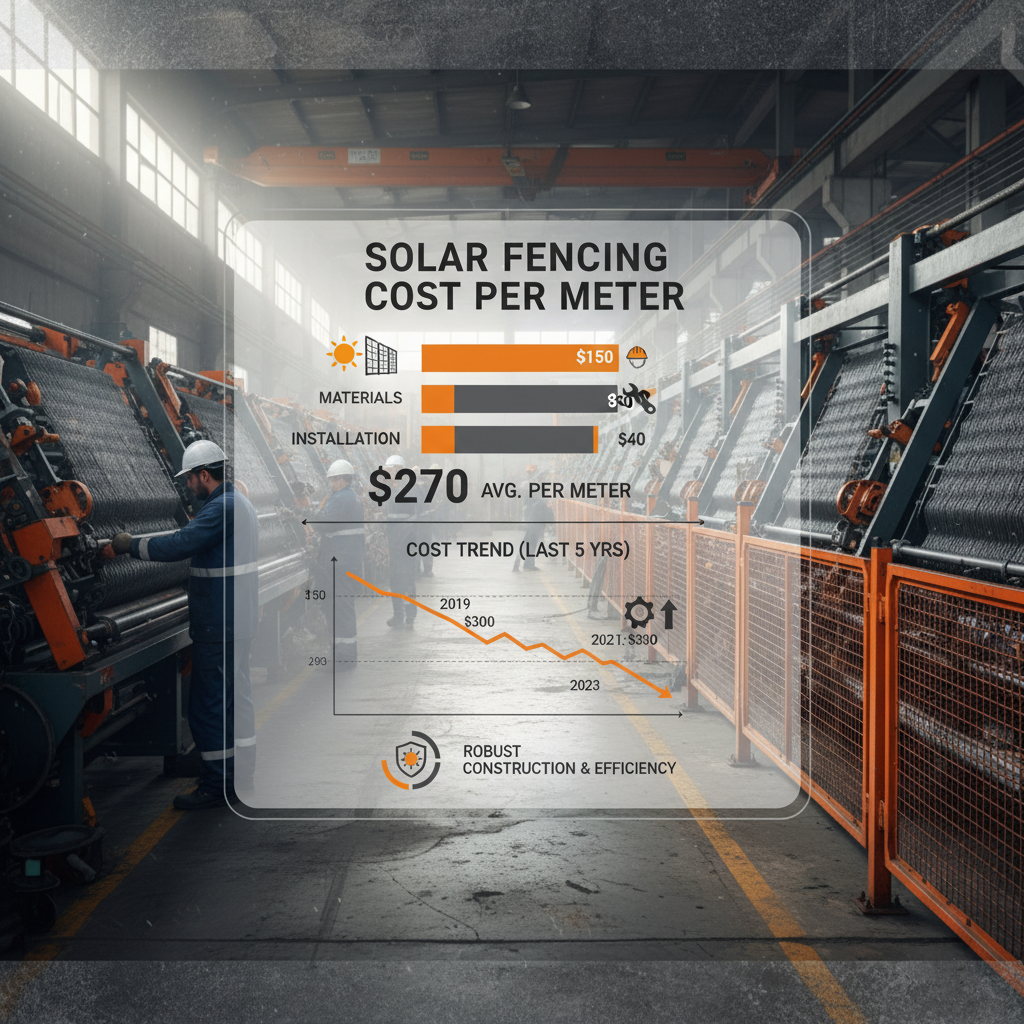
Let's be upfront: there’s no single answer to what solar fencing costs. The solar fencing cost per meter is heavily dependent on the specifics of the installation, from the terrain and required security level to the length of the fence and the power demands of any connected devices. I’ve seen projects range from a few dollars per meter for basic livestock containment to upwards of $20 per meter for high-security industrial applications. It’s about understanding the components, the labor involved, and factoring in the long-term operational savings.
It’s also important to remember that the initial cost is only part of the equation. A cheap system built with inferior materials will likely require more maintenance and may not provide the level of security you need. Focusing on quality components – the solar panels, the energizer, the wiring – will pay dividends in the long run. A well-designed system can operate for years with minimal intervention, ultimately lowering the total cost of ownership.
Defining Solar Fencing Cost Per Meter
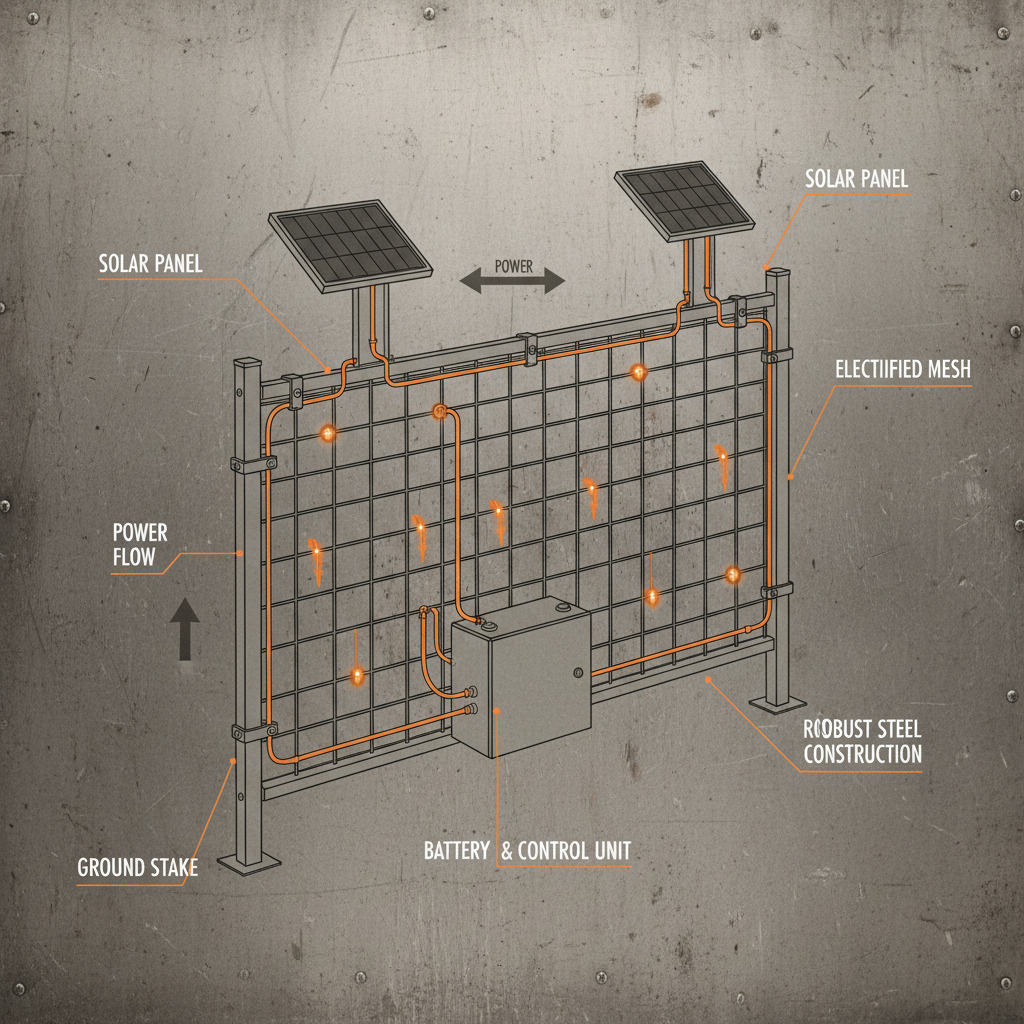
The solar fencing cost per meter represents the total expense of installing a one-meter length of solar-powered fencing, encompassing all materials and labor. This isn’t just the cost of the wire and posts; it includes the solar panel, the energizer (the device that delivers the electric shock), the battery (for nighttime operation and cloudy days), the wiring, grounding materials, and the installation labor. It is critical to factor in permits and site preparation too.
This metric allows for straightforward comparisons between different systems and quotes. However, it's essential to ensure you're comparing "apples to apples" – that all quotes include the same components and level of installation. Often, contractors will quote different energizer sizes or panel wattages, which significantly impacts the overall cost.
Understanding the definition is directly linked to modern needs for rural security and efficient livestock management. With increasing rural crime rates and the growing demand for sustainable farming practices, the ability to accurately estimate and manage the solar fencing cost per meter becomes paramount for both landowners and security professionals.
Key Factors Influencing Solar Fencing Cost Per Meter
Several key factors contribute to the final solar fencing cost per meter. First, the type of energizer required. Larger energizers, needed for longer fences or areas with dense vegetation, are significantly more expensive. Second, the size and efficiency of the solar panel. More powerful panels cost more, but they also provide more reliable power, especially in less sunny climates.
The terrain also plays a crucial role. Rocky ground requires more intensive post installation, increasing labor costs. Similarly, forested areas necessitate clearing vegetation, adding to the overall expense. Finally, the complexity of the system – whether it includes remote monitoring, alarms, or gates – will also impact the price.
Material choices are significant too. High-tensile steel wire is more durable and requires less maintenance than lighter gauge wire, but it's also more expensive upfront. The quality of the posts, insulators, and grounding materials all contribute to the overall cost and long-term performance of the fence.
Global Applications and Use Cases
The applications for solar fencing are incredibly diverse. In Australia, it's widely used for keeping kangaroos and other wildlife out of farmland. Across the US, ranchers utilize it for livestock containment, particularly in areas without access to grid power. In Africa, it’s employed to protect crops from elephants and other animals.
We're also seeing increased use in security applications. Mining companies in South America use solar fencing to secure remote operations, while government agencies employ it to protect critical infrastructure. In post-disaster relief operations, rapidly deployable solar fencing can provide temporary security perimeters.
Even in developed countries, solar fencing is gaining traction. Estate owners are employing it for perimeter security, and conservation organizations are using it to protect endangered species. It's becoming a preferred solution for anyone looking for a reliable, off-grid security system, and understanding the solar fencing cost per meter is the first step in making it a reality.
Solar Fencing Cost Per Meter Breakdown
Advantages and Long-Term Value
The primary advantage of solar fencing is its independence from the grid. This eliminates ongoing electricity costs and ensures operation even during power outages. It’s also environmentally friendly, reducing reliance on fossil fuels. Beyond that, it offers robust security, deterring intruders and protecting livestock.
The long-term value is undeniable. While the initial investment might be higher than a traditional fence, the lack of electricity bills and reduced maintenance requirements result in significant cost savings over the fence’s lifespan. It provides peace of mind, knowing your property is secure and self-sufficient.
Future Trends and Innovations
We’re seeing advancements in battery technology, with longer-lasting and more efficient batteries reducing the need for frequent replacements. Integration with smart home systems is also becoming more common, allowing remote monitoring and control of the fence.
Expect to see the use of more sophisticated sensors, such as thermal cameras and motion detectors, integrated into solar fencing systems, providing enhanced security features. Furthermore, the development of more durable and lightweight solar panels will reduce installation costs and improve overall system performance.
The focus is on making these systems smarter, more efficient, and more user-friendly. The combination of solar power and intelligent security technologies represents the future of perimeter protection.
Challenges and Solutions
One of the main challenges is the initial cost. While prices are coming down, it can still be a significant investment. Financing options and government incentives can help mitigate this. Another challenge is ensuring the system is properly grounded to prevent electrical hazards. Proper installation by a qualified professional is crucial.
Vegetation growth can also be a problem, reducing the effectiveness of the fence. Regular maintenance, including vegetation control, is necessary. Finally, theft of solar panels and energizers can occur. Using tamper-proof mounting hardware and incorporating alarm systems can deter theft.
These challenges are addressable with careful planning, quality installation, and ongoing maintenance. The benefits of a reliable, self-sufficient security system far outweigh the potential drawbacks, especially when considering the long-term value and peace of mind it provides.
Summary of Challenges and Solutions for Solar Fencing Installations
| Challenge |
Impact on Cost |
Potential Solution |
Cost of Solution (Estimate) |
| High Initial Investment |
Increases solar fencing cost per meter significantly. |
Explore financing options, government incentives. |
$0 - $500 (application fees) |
| Inadequate Grounding |
Safety hazard, potential system failure. |
Professional installation with thorough grounding. |
$100 - $300 (labor) |
| Vegetation Interference |
Reduced fence effectiveness, increased maintenance. |
Regular vegetation control (mowing, spraying). |
$50 - $200/year (maintenance) |
| Theft of Components |
Replacement costs, system downtime. |
Tamper-proof hardware, alarm systems. |
$200 - $500 (security measures) |
| Remote Location Logistics |
Increased delivery and installation costs. |
Careful planning, local sourcing of materials. |
$100 - $1000 (transport) |
| Panel Degradation |
Reduced power output over time. |
High-quality panel selection, regular cleaning. |
$0 - $100/year (cleaning) |
FAQS
The biggest factors are the length of the fence, the terrain (rocky ground increases labor costs), the type of energizer needed (higher power = higher cost), and the quality of the components. Remote locations also add to the cost due to transportation. Focus on the energizer and solar panel – those are the biggest investments and will define your system’s performance and longevity. Getting a detailed quote is crucial.
Rocky terrain and heavily forested areas significantly increase installation costs. Rocky ground requires more effort to dig post holes, while forests require clearing vegetation. These activities require extra labor and potentially specialized equipment, driving up the solar fencing cost per meter. A site assessment is essential to accurately estimate these costs.
A well-maintained solar fencing system can last 15-20 years. The solar panel itself typically has a 25-year warranty, but the battery will likely need replacement every 5-7 years. The energizer and wiring should also last a decade or more with proper care. Regular inspections and maintenance are key to maximizing the system’s lifespan.
While it’s technically possible to install solar fencing yourself, it’s highly recommended to hire a qualified professional, especially for the electrical components. Improper grounding can create a serious safety hazard. A professional installer will ensure the system is installed correctly and meets all safety standards, optimizing performance and minimizing risks.
Regular maintenance includes vegetation control around the fence line, inspecting and tightening wiring connections, cleaning the solar panel, and checking the battery’s charge. It's also important to periodically test the fence’s voltage to ensure it’s delivering a sufficient shock. This routine maintenance will extend the system’s lifespan and ensure its continued effectiveness.
Yes, depending on your location, there may be government incentives or rebates available for renewable energy projects, including solar fencing. These incentives can help offset the initial cost of the system. Check with your local and state government agencies to see what programs are available in your area.
Conclusion
In conclusion, understanding the solar fencing cost per meter is crucial for anyone considering this technology. It's a complex calculation, influenced by numerous factors, but a careful assessment of your needs, terrain, and available resources will enable you to make an informed decision. Solar fencing represents a smart, sustainable, and effective solution for perimeter security and livestock management, offering long-term benefits that outweigh the initial investment.
Looking ahead, we can expect to see continued innovation in this field, with more affordable components and smarter system designs. It's a technology with tremendous potential, and one that will undoubtedly play an increasingly important role in securing our properties and protecting our resources. For a more detailed assessment of your specific needs and to receive a customized quote, visit our website at www.qhfilter.com.