Solar fencing material represents a crucial advancement in perimeter security, particularly in contexts demanding robust, reliable, and independent power solutions. Increasingly, both residential and industrial sectors are turning to these systems to protect property and livestock, reduce reliance on traditional power grids, and enhance overall safety. The demand for effective and sustainable security measures is growing globally, fueled by concerns around theft, vandalism, and the increasing need for remote monitoring and control.
The growing adoption of solar fencing material is directly linked to increasing global security challenges, including rising property crime rates and the vulnerability of critical infrastructure. According to the UN Office on Drugs and Crime, property crime constitutes a significant portion of reported offenses worldwide. Furthermore, the World Bank highlights the economic impact of security breaches on businesses, especially in developing nations. Innovation in fencing technology is therefore paramount to mitigate these risks.
This push for improved security, coupled with a growing emphasis on sustainability, has positioned solar fencing material as a practical and environmentally responsible solution. The ability to operate independently of the power grid, combined with reduced long-term operating costs, makes it an attractive investment for diverse applications. ISO standards for security fencing are also driving demand for higher-quality, technologically advanced solutions, further bolstering the market for solar-powered systems.
Introduction to Solar Fencing Material
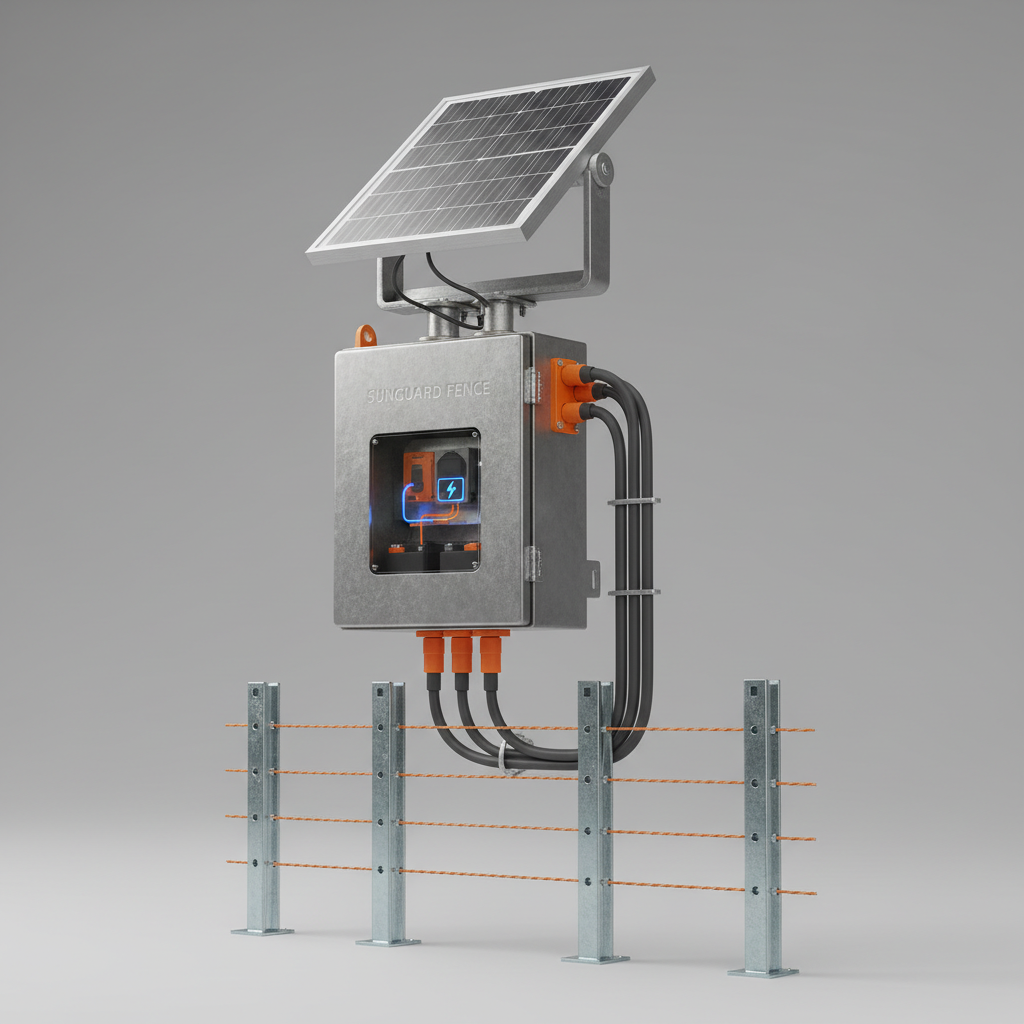
Solar fencing material combines the protective function of traditional fencing with the sustainable energy source of photovoltaic (PV) technology. It typically consists of electrified fencing wires powered by a solar panel, battery storage, and a fence energizer. This system delivers a non-lethal but highly deterrent shock to potential intruders, safeguarding property and assets.
This innovative approach to perimeter security is gaining popularity due to its cost-effectiveness, reliability, and minimal environmental impact. Unlike conventional electric fences relying on grid power, solar fencing material offers a viable solution in remote locations or areas with unreliable electricity supply, significantly enhancing security in off-grid settings. solar fencing material solutions are highly versatile.
Defining Solar Fencing Material
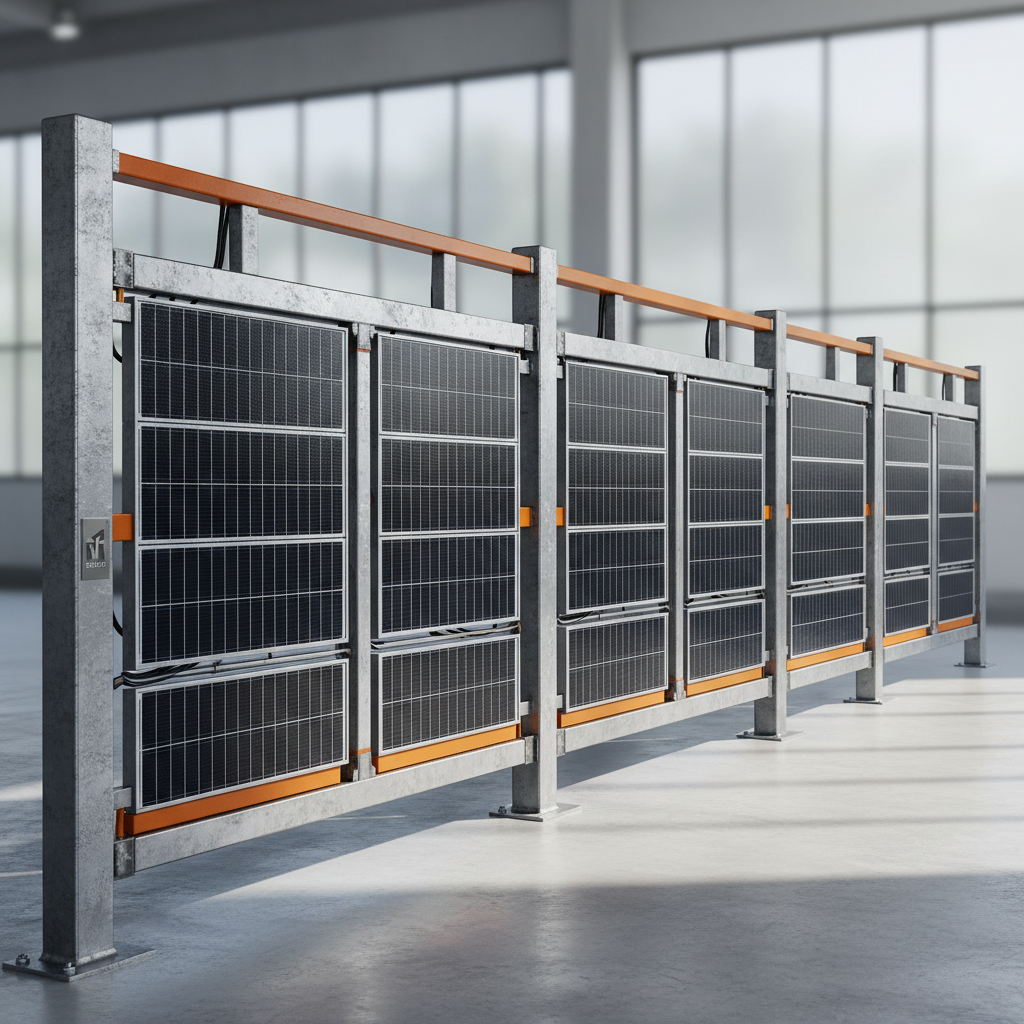
Solar fencing material is a self-contained perimeter security system that utilizes solar energy to power an electric fence. The system generally consists of a solar panel to convert sunlight into electricity, a battery to store energy for nighttime or cloudy day operation, a fence energizer (or controller) to generate a high-voltage pulse, and conductive fencing wires to deliver the shock.
Its core function is to deter intruders – both human and animal – through a non-lethal electric shock. Unlike traditional fencing, it provides an active layer of security. The connection to modern needs lies in the increasing demand for independent, sustainable, and reliable security solutions, particularly in areas where access to grid electricity is limited or cost-prohibitive.
This technology bridges the gap between traditional physical barriers and sophisticated electronic security systems. The ease of installation and low maintenance requirements further contribute to its appeal, making it a practical choice for a wide range of applications.
Core Components & Key Factors
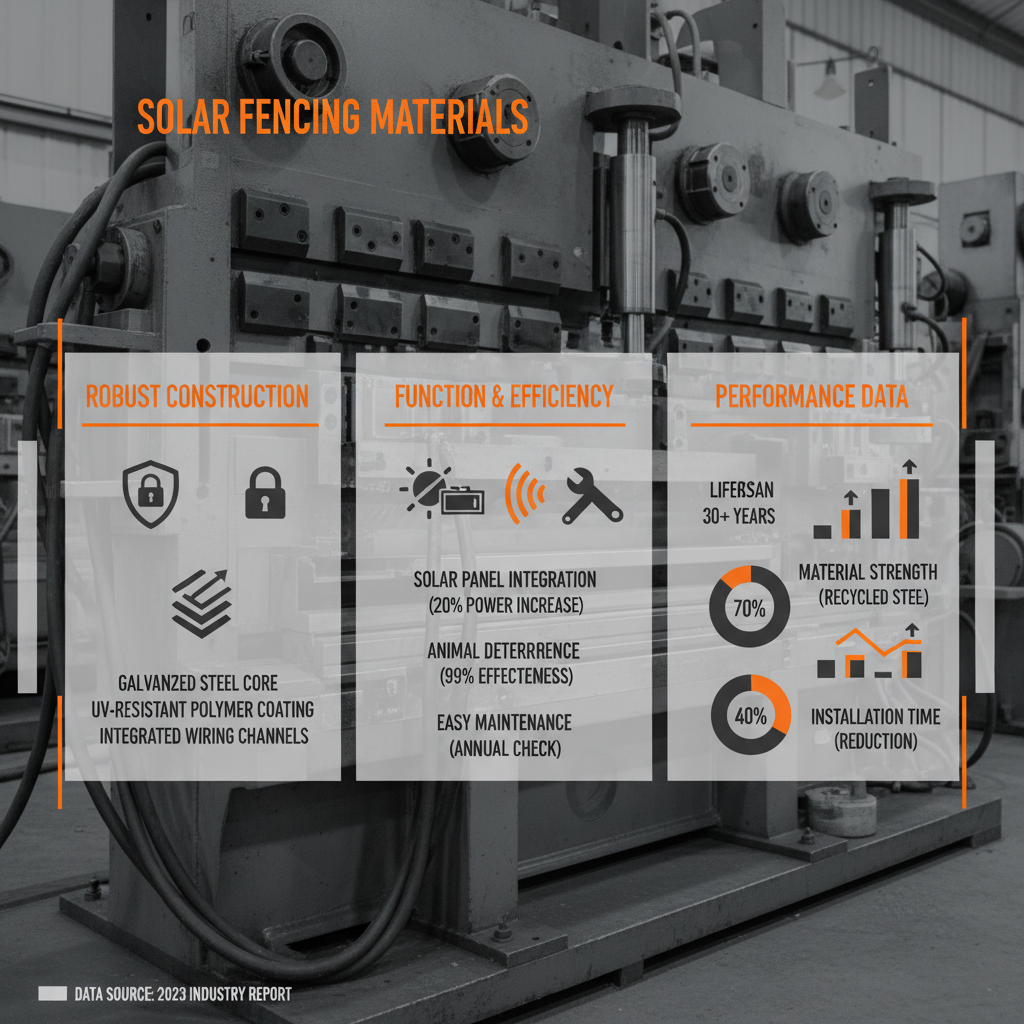
Several core components define the performance and reliability of solar fencing material. Firstly, the solar panel’s efficiency directly impacts the system's ability to generate sufficient power. Secondly, the battery capacity determines how long the fence can operate without sunlight. Thirdly, the fence energizer’s output energy controls the strength of the shock, and its quality impacts system longevity.
Durability is a key factor, encompassing the quality of the fencing wires, posts, and all electronic components. Scalability refers to the system’s ability to be expanded to cover larger areas or accommodate changing security needs. Cost efficiency, while initially higher than traditional fencing, is achieved through lower long-term operating costs due to the elimination of electricity bills.
Finally, ease of installation and maintenance are critical for practicality. Systems designed for simple setup and minimal upkeep are more likely to be adopted and maintained effectively. These factors collectively determine the overall value proposition of any solar fencing material solution.
Global Applications & Use Cases
The applications of solar fencing material are remarkably diverse. In agriculture, it effectively protects livestock from predators and prevents theft. In rural communities, it secures homes and farms, providing peace of mind and bolstering local economies. In post-disaster relief operations, quick deployment of solar fencing material provides immediate security for aid distribution centers and temporary shelters.
Industrially, it safeguards critical infrastructure like power substations, communication towers, and pipelines, often located in remote areas lacking grid access. In remote industrial zones, such as mining operations or oil and gas facilities, it provides a cost-effective and reliable security solution. Furthermore, it is deployed by government agencies for border security and protecting sensitive installations.
Countries across Africa, Australia, and parts of Asia are increasingly utilizing solar fencing material to address challenges related to wildlife encroachment, livestock theft, and rural security. Organizations involved in wildlife conservation are employing it to protect endangered species from poaching and habitat loss.
Solar Fencing Material Performance Metrics
Advantages & Long-Term Value
The advantages of solar fencing material are substantial. Cost savings are realized through the elimination of electricity bills and reduced maintenance compared to traditional electric fences. Sustainability is a key benefit, as it relies on renewable energy and minimizes carbon footprint. Reliability is enhanced by the system's independence from the power grid, ensuring continuous operation even during outages.
From a social impact perspective, it improves security in vulnerable communities, protecting livelihoods and enhancing quality of life. Emotionally, it provides peace of mind and a sense of safety. Logically, it is a sound investment that offers long-term protection and reduces the risk of property loss. The inherent trust in a robust and independent security system adds significant value.
Future Trends & Innovations
Several emerging trends are shaping the future of solar fencing material. The integration of smart technology, such as remote monitoring and control via smartphone apps, is becoming increasingly common. Advances in battery technology are leading to higher energy storage capacity and longer system lifespans.
The development of more efficient solar panels and optimized energizer designs are further enhancing performance and reducing costs. Green energy initiatives and government incentives are expected to drive increased adoption of this sustainable security solution. Furthermore, digital transformation will play a role in integrating solar fencing material with broader security networks.
Challenges & Solutions
Despite its benefits, solar fencing material faces certain challenges. Initial installation costs can be higher than traditional fencing. The system’s performance can be affected by weather conditions, particularly in areas with prolonged cloud cover. Security vulnerabilities, such as tampering with the solar panel or battery, need to be addressed.
Solutions include exploring financing options to offset initial costs, utilizing high-efficiency solar panels and robust battery storage systems, and implementing tamper-proof enclosures and alarm systems. Advanced sensor technology can detect and alert users to any unauthorized activity. solar fencing material manufacturers are continuously innovating to mitigate these challenges.
Proper installation and regular maintenance are crucial to ensuring the long-term effectiveness of solar fencing material. Educating end-users on best practices and providing ongoing support are also essential for maximizing its value.
Analysis of Solar Fencing Material Performance by Key Metrics
| System Type |
Initial Cost (USD) |
Operational Cost/Year (USD) |
Security Effectiveness (1-10) |
| Low-Voltage Strand |
500-1000 |
50-100 |
6 |
| High-Voltage Wire |
800-1500 |
20-50 |
8 |
| Solar Powered Wire |
1200-2500 |
0-30 |
9 |
| Solar Powered High-Tensile |
1800-3500 |
0-40 |
9.5 |
| Smart Solar Fence (IoT) |
2500-5000 |
10-60 |
10 |
| Hybrid Solar/Grid Fence |
2000-4000 |
20-80 |
8.5 |
FAQS
A well-maintained solar fencing material system typically has a lifespan of 10-15 years, depending on the quality of components and environmental conditions. The solar panel may last for 25+ years, but the battery and energizer will likely need replacement within 5-10 years. Regular inspections and preventative maintenance can significantly extend the system's life. The overall cost-effectiveness of solar fencing material, therefore, stems from its long-term durability and minimal ongoing costs.
Solar fencing material delivers a high-voltage, low-amperage shock that is designed to deter rather than harm. It is generally considered safe for both animals and humans, but it can be startling and uncomfortable. Proper signage should always be posted to warn individuals of the electric fence. It's important to choose systems with adjustable voltage settings to tailor the shock level to the specific application and minimize any potential risk.
Solar fencing material requires relatively low maintenance. Periodic inspections are needed to check for broken wires, damaged posts, and vegetation growth that could short-circuit the fence. Battery maintenance (cleaning terminals, checking water levels in lead-acid batteries) is also necessary. The solar panel should be kept clean to maximize energy production. Overall, maintenance is significantly less demanding than traditional fencing.
Yes, solar fencing material can work effectively in cloudy regions, but it requires a larger battery capacity to store sufficient energy for operation during prolonged periods of low sunlight. Modern systems utilize advanced battery management systems to optimize energy storage and usage. Choosing a high-efficiency solar panel and proper system sizing are crucial for reliable performance in areas with limited sunshine.
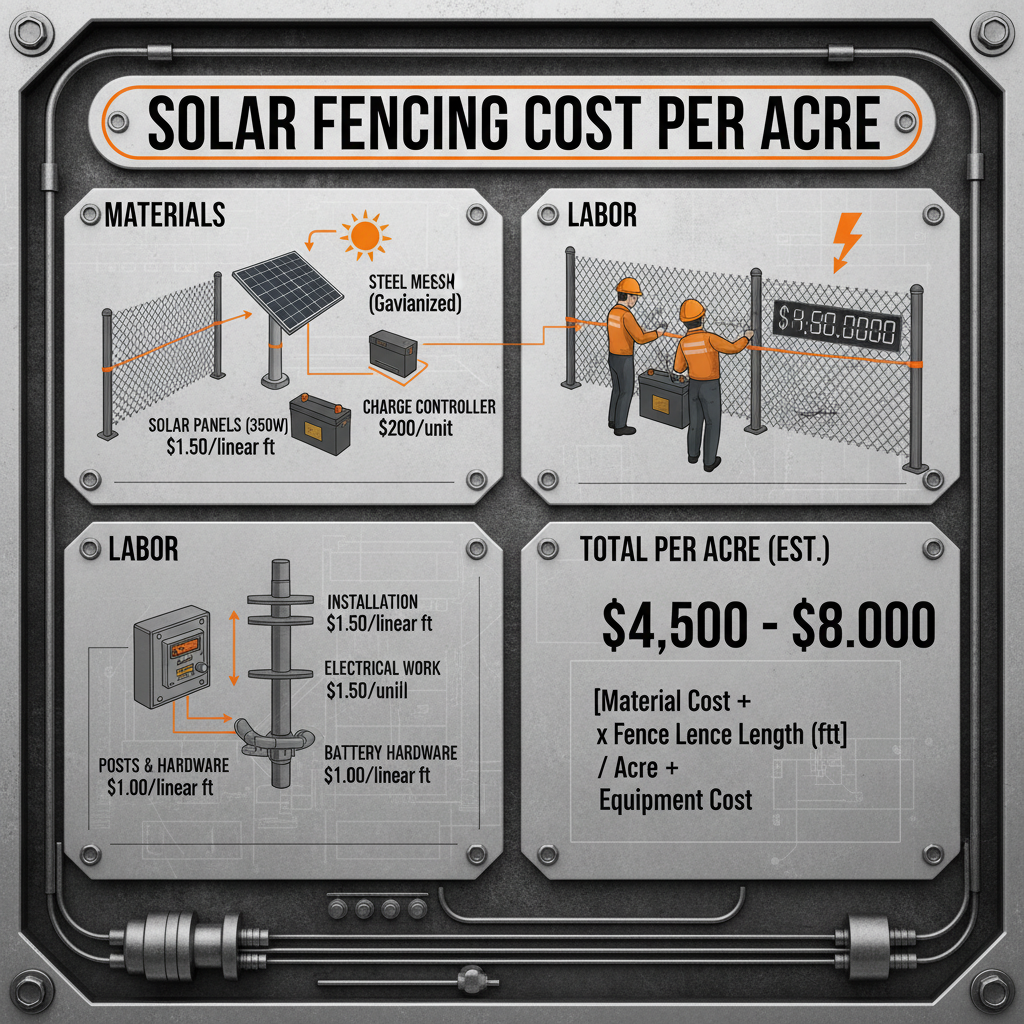
Installation costs for solar fencing material vary depending on the length of the fence, the terrain, the complexity of the installation, and the system's features. A typical estimate ranges from $5 to $15 per foot, including materials and labor. However, long-term cost savings from reduced energy bills and lower maintenance often offset the initial investment. Consulting with a qualified installer is recommended for accurate cost estimation.
Solar fencing material can be adapted to a wide range of terrains, but challenging landscapes may require additional posts and support structures. Rocky or hilly terrain can increase installation costs. Proper ground anchoring and fence post spacing are essential for stability and effectiveness. Professional installation is particularly important in difficult terrains to ensure the fence functions reliably and provides adequate security.
Conclusion
Solar fencing material represents a significant advancement in perimeter security, offering a sustainable, reliable, and cost-effective solution for a wide range of applications. From protecting livestock and securing homes to safeguarding critical infrastructure, this technology provides peace of mind and enhances safety. The core benefits – reduced operating costs, environmental responsibility, and independence from the power grid – make it an increasingly attractive option for individuals, businesses, and government agencies alike.
Looking ahead, continued innovation in battery technology, smart integration, and system design will further enhance the capabilities and accessibility of solar fencing material. Investing in this technology not only protects valuable assets but also contributes to a more sustainable future. For reliable and effective solar fencing material solutions, visit our website today.