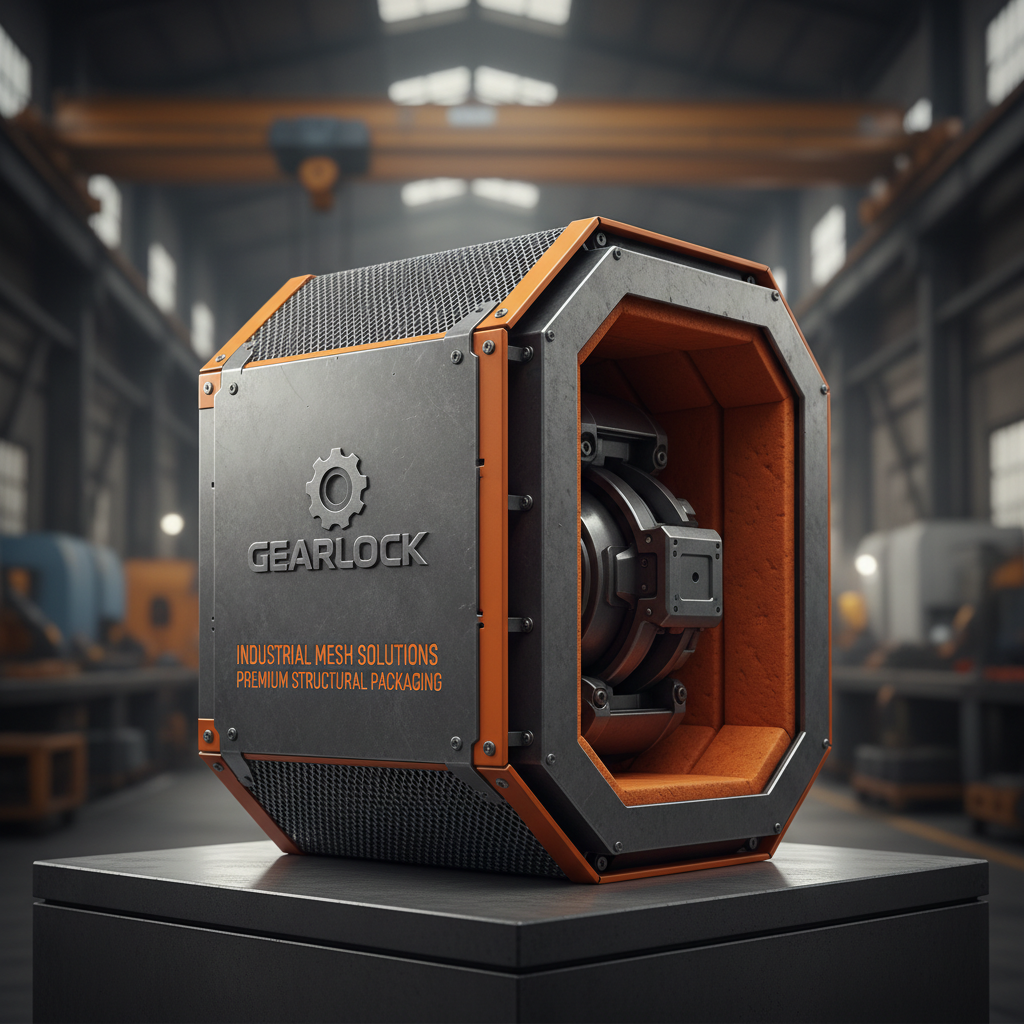
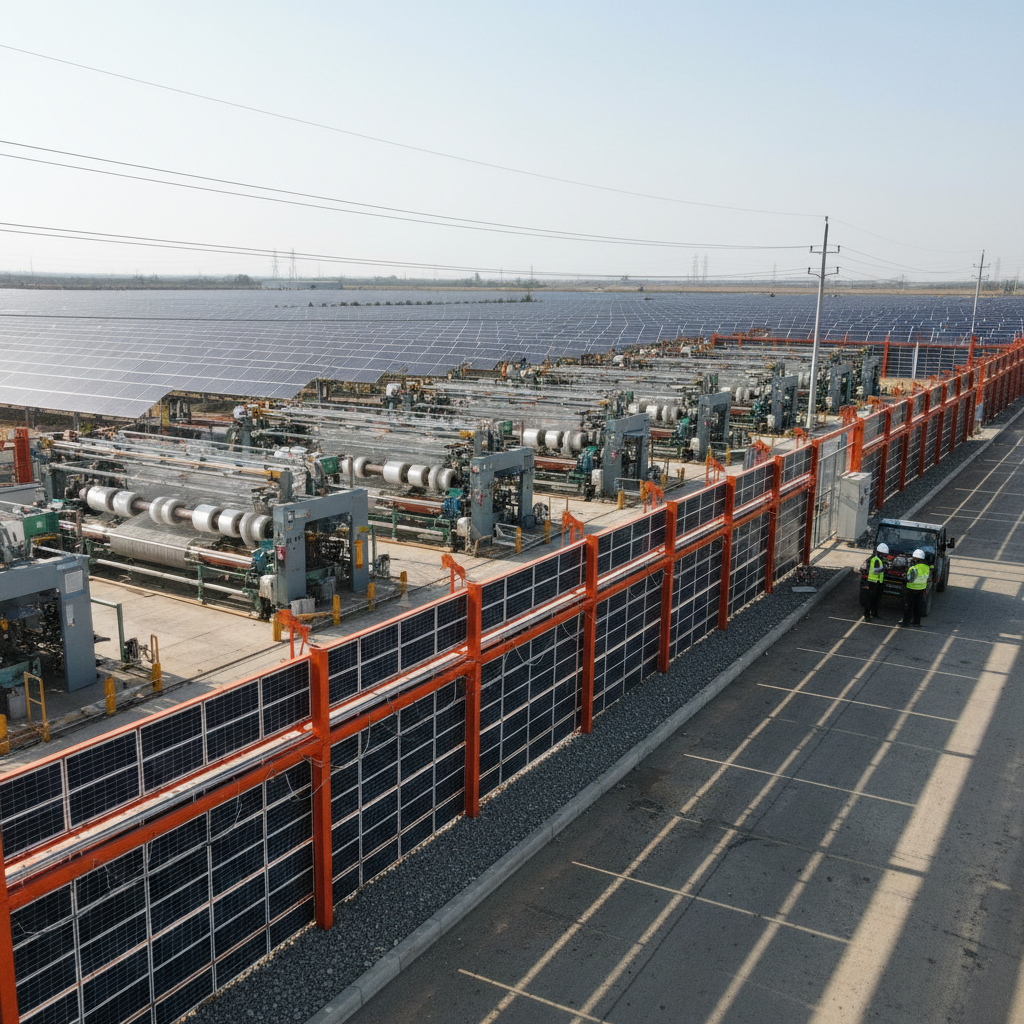
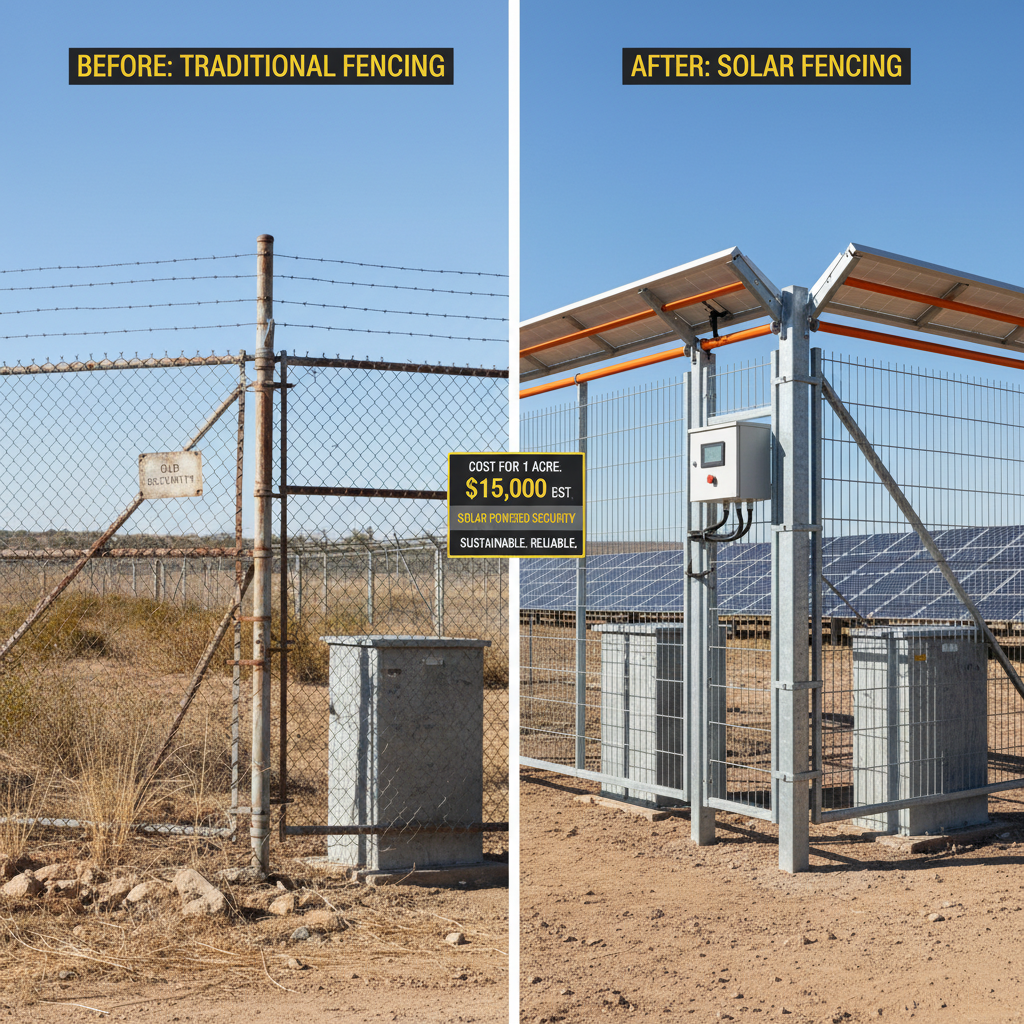
Designer metal mesh represents a cutting-edge intersection of material science and engineering, offering versatile solutions across numerous industries. Its ability to be custom-fabricated with precise geometries and varying material properties makes it invaluable for applications ranging from architectural facades to high-performance filtration systems. Understanding the nuances of designer metal mesh is crucial for innovators seeking sustainable, durable, and aesthetically pleasing solutions in an increasingly demanding world.
Globally, the demand for advanced materials is soaring, driven by rapid urbanization, infrastructure development, and a growing emphasis on environmental sustainability. Designer metal mesh addresses critical needs in these areas, providing lightweight yet robust structures, efficient air and water filtration, and visually striking architectural elements. Its adaptability makes it a key component in addressing challenges faced by both developed and developing nations.
The versatility of designer metal mesh stems from its unique manufacturing processes and material flexibility. From aerospace applications requiring high strength-to-weight ratios to the creative arts demanding intricate designs, this material offers a unique blend of functionality and aesthetics, solidifying its place as a cornerstone of modern engineering and design.
Introduction to Designer Metal Mesh
Designer metal mesh isn’t simply woven wire; it’s a meticulously engineered material defined by its precise aperture size, material composition, and three-dimensional form. This level of control allows for tailored solutions, adapting to specific performance requirements and aesthetic visions. The advancements in manufacturing technologies have enabled a wide spectrum of designs, previously unattainable, and have broadened the scope of applications for this material.
The increasing integration of designer metal mesh into architectural designs exemplifies its aesthetic appeal and functional benefits. It's utilized for facade cladding, sun shading, and interior design elements, contributing to energy efficiency and distinctive building appearances. Beyond aesthetics, its inherent structural properties contribute to the safety and longevity of these installations.
Global Relevance and Applications
The global construction industry, valued at trillions of dollars annually, is a primary driver for designer metal mesh. As cities expand and demand for sustainable building materials increases, the need for efficient and aesthetically pleasing facade solutions rises. Designer metal mesh plays a critical role in reducing energy consumption through solar shading, improving air quality via integrated filtration systems, and enhancing the overall aesthetic of urban landscapes.
Beyond construction, the aerospace industry leverages designer metal mesh for lightweight components, noise reduction, and electromagnetic interference shielding. The automotive sector also benefits from its applications in air intakes, radiator grills, and acoustic insulation. The UN Sustainable Development Goals, particularly those focused on sustainable cities and communities, and responsible consumption and production, are directly impacted by the adoption of materials like designer metal mesh.
Moreover, designer metal mesh is essential in environmental applications, such as water filtration and air purification systems. It's employed in industrial settings to control emissions and protect workers, and in residential areas to improve indoor air quality. The World Bank has highlighted the importance of investing in infrastructure that supports environmental sustainability, and designer metal mesh contributes to this objective.
Defining Designer Metal Mesh
Designer metal mesh, at its core, is a woven or expanded material created from various metals, including stainless steel, aluminum, copper, and titanium. However, it transcends traditional wire mesh through its precision engineering and customized design capabilities. It’s not simply about the material; it’s about the intricate patterns, controlled apertures, and specific properties tailored to meet unique application demands.
The connection to modern industry and humanitarian needs stems from its adaptability. In industrial settings, it provides robust filtration and separation solutions. In disaster relief, it's integral to rapidly deployable shelters and water purification systems. Its inherent durability and resistance to corrosion make it ideal for challenging environments, bridging the gap between innovative design and practical utility.
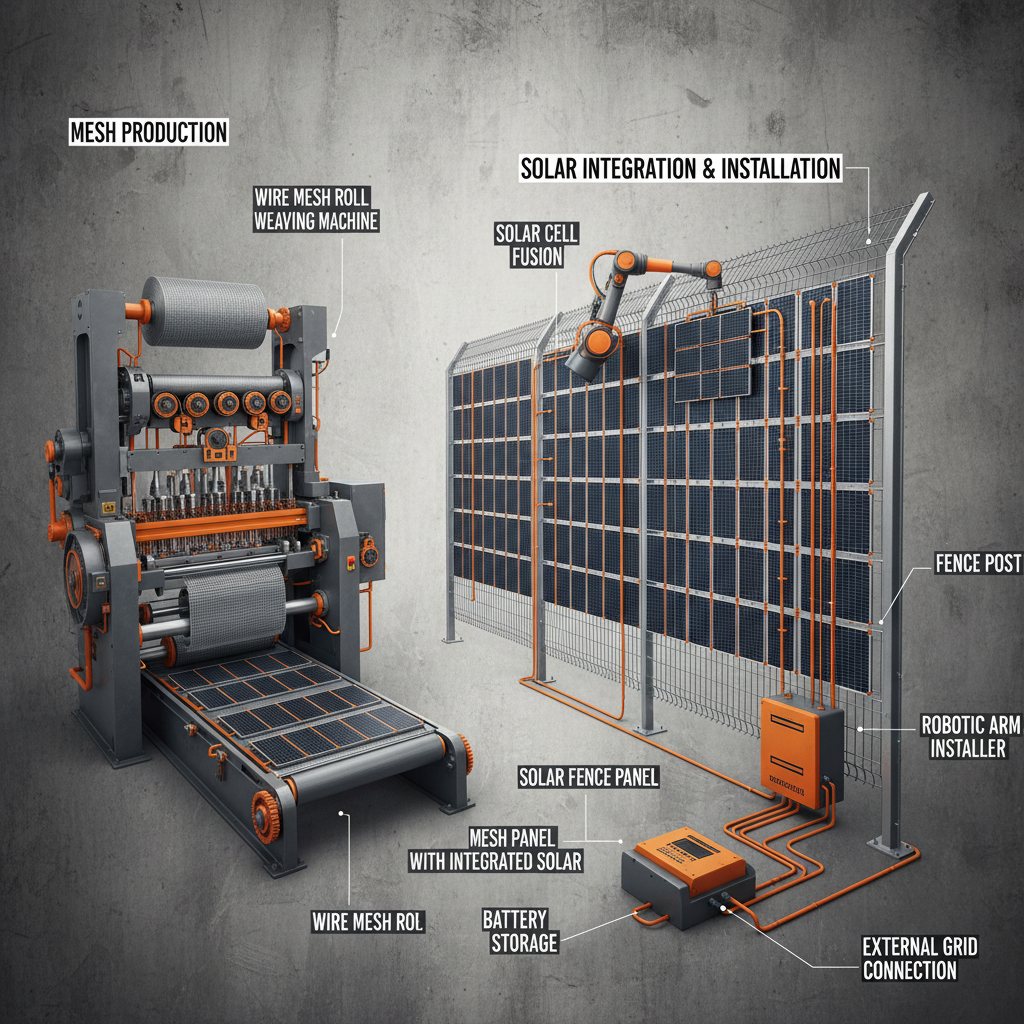
The creation of designer metal mesh involves specialized techniques such as weaving, knitting, expanding, and pressing. These processes allow for the creation of complex geometries and consistent aperture sizes, crucial for achieving desired performance characteristics. The ability to control these parameters elevates designer metal mesh beyond a simple material and transforms it into a sophisticated engineered component.
Key Characteristics of Designer Metal Mesh
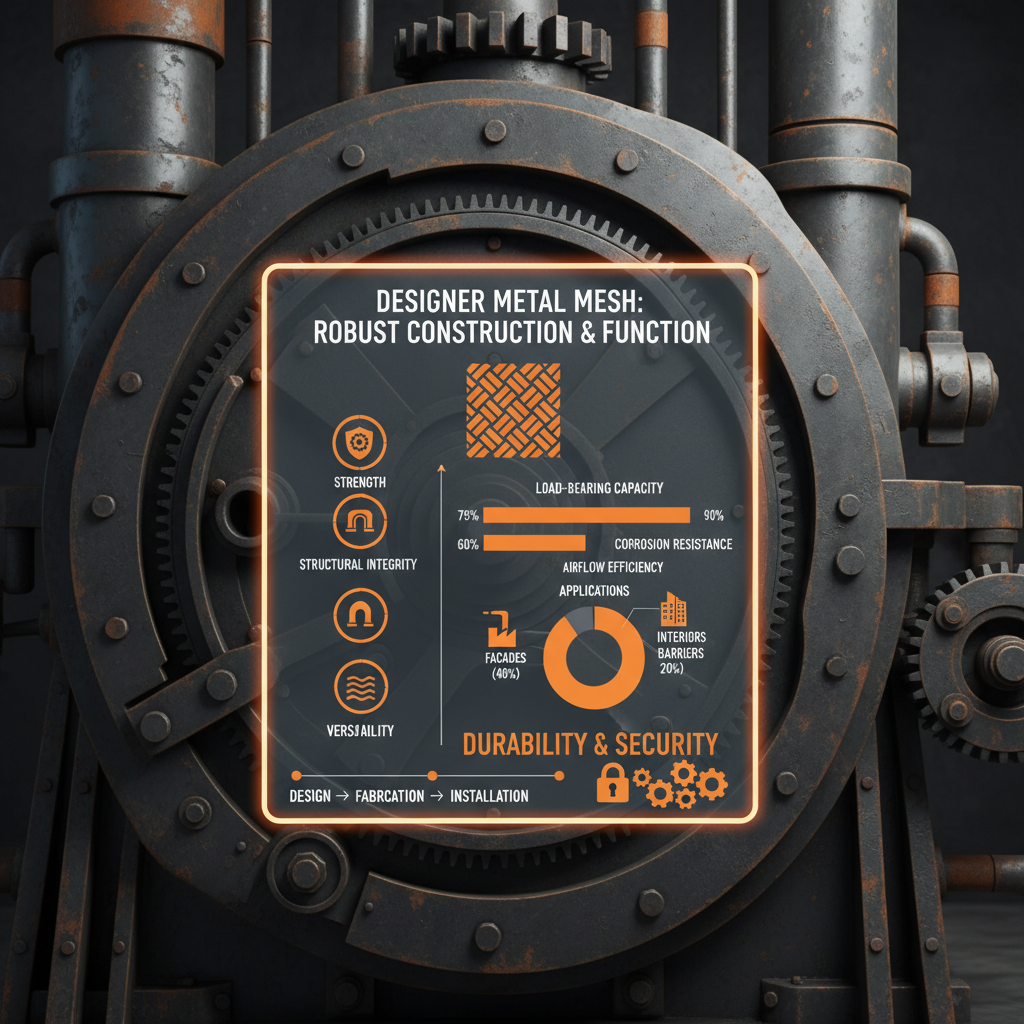
The exceptional versatility of designer metal mesh is built upon several key characteristics. Firstly, its Durability ensures a long lifespan, even in harsh environments. The use of corrosion-resistant metals like stainless steel and titanium minimizes maintenance and replacement costs. Secondly, Scalability allows for the creation of panels and structures of virtually any size, accommodating diverse project requirements.
Furthermore, Aesthetic Flexibility offers designers a broad palette of options, from subtle textures to bold patterns, enhancing visual appeal. Structural Integrity, even with large openings, provides essential support and safety. Permeability allows for airflow, light transmission, and sound attenuation, enhancing functionality. Finally, Cost Efficiency can be achieved through optimized designs and material selection, making it a viable option for a range of budgets.
Performance Metrics of Designer Metal Mesh Methods
Real-World Applications
In architectural design, designer metal mesh is transforming building facades, providing both aesthetic appeal and functional benefits like solar shading and ventilation. Examples include the stunning facades of cultural centers and commercial buildings globally, showcasing the material's ability to create dynamic and visually striking surfaces. In post-disaster relief operations, modular shelters constructed with designer metal mesh offer rapid deployment and durable housing solutions.
The filtration industry relies heavily on designer metal mesh for creating precise and efficient filters for air, water, and industrial processes. These filters are used in everything from HVAC systems to pharmaceutical manufacturing. In remote industrial zones, designer metal mesh offers robust protective enclosures for equipment, safeguarding it from harsh environmental conditions and potential vandalism.
Advantages and Long-Term Value
The advantages of utilizing designer metal mesh are multi-faceted. Cost savings are realized through reduced maintenance, increased lifespan, and potential energy efficiency gains. Sustainability is enhanced by using recyclable materials and reducing the need for frequent replacements. Social impact is positive, providing safe and durable shelter solutions in disaster-stricken areas.
Reliability is inherent in the material's robust construction and resistance to corrosion. The emotional impact comes from creating aesthetically pleasing and safe environments. Logically, the investment in designer metal mesh translates to long-term value through reduced lifecycle costs and enhanced building performance. The trust placed in its structural integrity and durability provides peace of mind for architects, engineers, and end-users alike.
Future Trends and Innovations
The future of designer metal mesh is tied to advancements in materials science and manufacturing technologies. Researchers are exploring new alloys and coatings to enhance performance and reduce costs. Digital fabrication techniques, such as 3D weaving and laser cutting, are enabling the creation of increasingly complex and customized designs. Integration with smart technologies, like sensors embedded within the mesh, will allow for real-time monitoring of structural integrity and environmental conditions.
The drive towards green energy is fueling demand for designer metal mesh in solar shading applications and wind turbine components. Digital transformation is streamlining the design and manufacturing processes, leading to faster turnaround times and greater efficiency. Automation is increasing production capacity and reducing labor costs. Sustainability continues to be a key focus, with efforts to develop more eco-friendly materials and manufacturing processes.
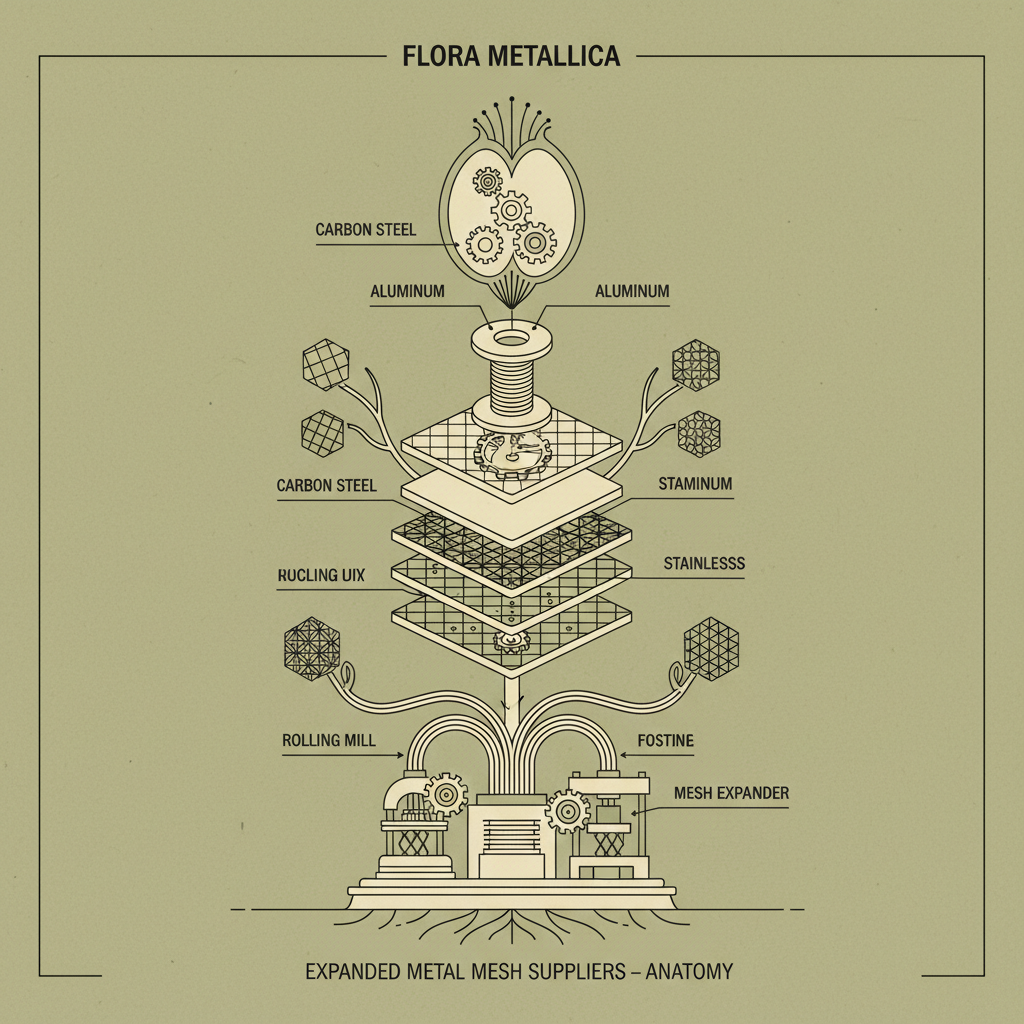
Furthermore, the convergence of designer metal mesh with biomimicry - imitating nature's designs – is leading to innovative solutions inspired by natural structures and patterns. This bio-inspired approach promises to create even more efficient, sustainable, and aesthetically pleasing applications for this versatile material.
FAQS
The most common metals used in designer metal mesh are stainless steel, aluminum, copper, and titanium. Stainless steel offers exceptional corrosion resistance and strength, making it ideal for exterior applications. Aluminum is lightweight and cost-effective, suitable for indoor projects. Copper provides a warm aesthetic and good conductivity, while titanium offers superior strength-to-weight ratio, often used in aerospace applications. The selection depends on the specific performance and aesthetic requirements of the project.
Designer metal mesh significantly contributes to building energy efficiency through solar shading. By strategically controlling the amount of sunlight entering a building, it reduces the need for artificial cooling and lowers energy consumption. The permeability of the mesh allows for natural ventilation, further enhancing energy savings. Moreover, its reflective properties can minimize heat gain, improving overall building thermal performance.
The lifespan of a designer metal mesh installation depends on the material used, the environmental conditions, and the level of maintenance. However, with proper care and using corrosion-resistant materials like stainless steel or titanium, installations can easily last 30-50 years, even in harsh climates. Regular cleaning and inspection can extend the lifespan further, maximizing the return on investment.
The manufacturing process is a significant factor influencing the cost of designer metal mesh. Complex designs requiring intricate weaving or expanding patterns are more expensive to produce than simpler designs. Material choice also impacts cost, with titanium being considerably more expensive than aluminum. Furthermore, the scale of production – custom versus mass-produced – plays a role in determining the overall price.
Yes, designer metal mesh is highly recyclable. Metals like stainless steel, aluminum, and copper can be recovered and reused in new products, contributing to a circular economy. Recycling reduces the environmental impact of production and conserves valuable resources. Responsible manufacturers often offer take-back programs for end-of-life materials to ensure proper recycling and disposal.
Emerging applications for designer metal mesh extend beyond traditional uses. We are seeing increased adoption in biomedical implants due to its biocompatibility and porous structure. It’s also being explored for energy storage applications, such as battery electrodes and fuel cell components. In the automotive industry, it’s being utilized for lightweight body panels and advanced acoustic insulation. The possibilities are continuously expanding as material science and engineering advance.
Conclusion
Designer metal mesh represents a remarkable fusion of engineering, aesthetics, and sustainability. Its inherent durability, scalability, and versatility make it a valuable material across a wide spectrum of industries, from architecture and aerospace to filtration and disaster relief. The long-term benefits extend beyond immediate functionality, offering cost savings, environmental responsibility, and enhanced safety.
Looking ahead, continued innovation in materials science and manufacturing will unlock even greater potential for designer metal mesh. As we strive for more sustainable and resilient solutions, embracing this material will be crucial in shaping a better future. Explore the possibilities and discover how designer metal mesh can elevate your next project. Visit our website: designer metal mesh.