Integrating solar for balcony systems has emerged as a pivotal trend for urban dwellers seeking energy independence without the need for extensive roof ownership. As cities grow denser, the ability to harness renewable energy from small, accessible outdoor spaces provides a practical gateway to sustainable living, allowing individuals to reduce their carbon footprint while lowering monthly electricity costs.
The global shift toward decentralized energy production is no longer just a theoretical goal but a tangible reality. By utilizing specialized mounting hardware and high-efficiency photovoltaic cells, balcony solar solutions transform underutilized architectural spaces into miniature power plants, reflecting a broader movement toward "prosumerism" where citizens both consume and produce energy.
Understanding the technical nuances of solar for balcony—from the importance of angle optimization to the selection of plug-and-play inverters—is essential for maximizing ROI. This guide explores the synergy between advanced metal fabrication, such as the decorative meshes used for shading, and the evolving technology of urban photovoltaic energy storage.
Global Context of Urban Solar Integration
The global drive toward net-zero emissions has put immense pressure on urban infrastructure. According to data aligned with UN Sustainable Development Goals, urban areas account for over 70% of global CO2 emissions. This has created an urgent need for "micro-generation" solutions, where solar for balcony serves as a critical tool for apartment dwellers who lack access to traditional rooftop installations.
In regions like the European Union, regulatory shifts and subsidies have accelerated the adoption of plug-in solar devices. The challenge has historically been the "split incentive" between landlords and tenants; however, the modular nature of balcony solar allows for easy removal and installation, effectively bypassing traditional real estate barriers and democratizing green energy access.
Defining Balcony Photovoltaic Systems
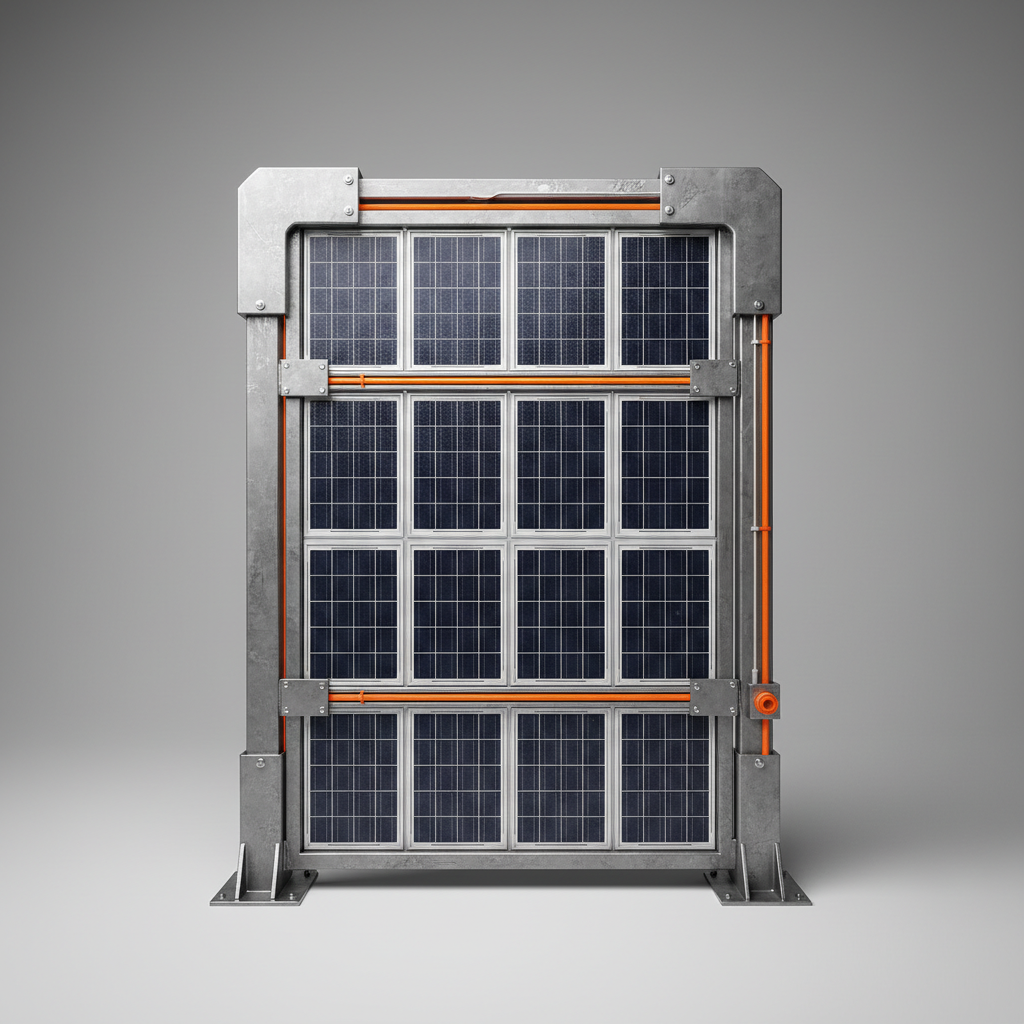
At its core, solar for balcony refers to a small-scale photovoltaic (PV) system designed specifically for attachment to balcony railings or walls. Unlike massive residential arrays, these systems typically consist of one to three high-efficiency panels connected to a micro-inverter, which converts the direct current (DC) produced by the cells into alternating current (AC) compatible with standard household outlets.
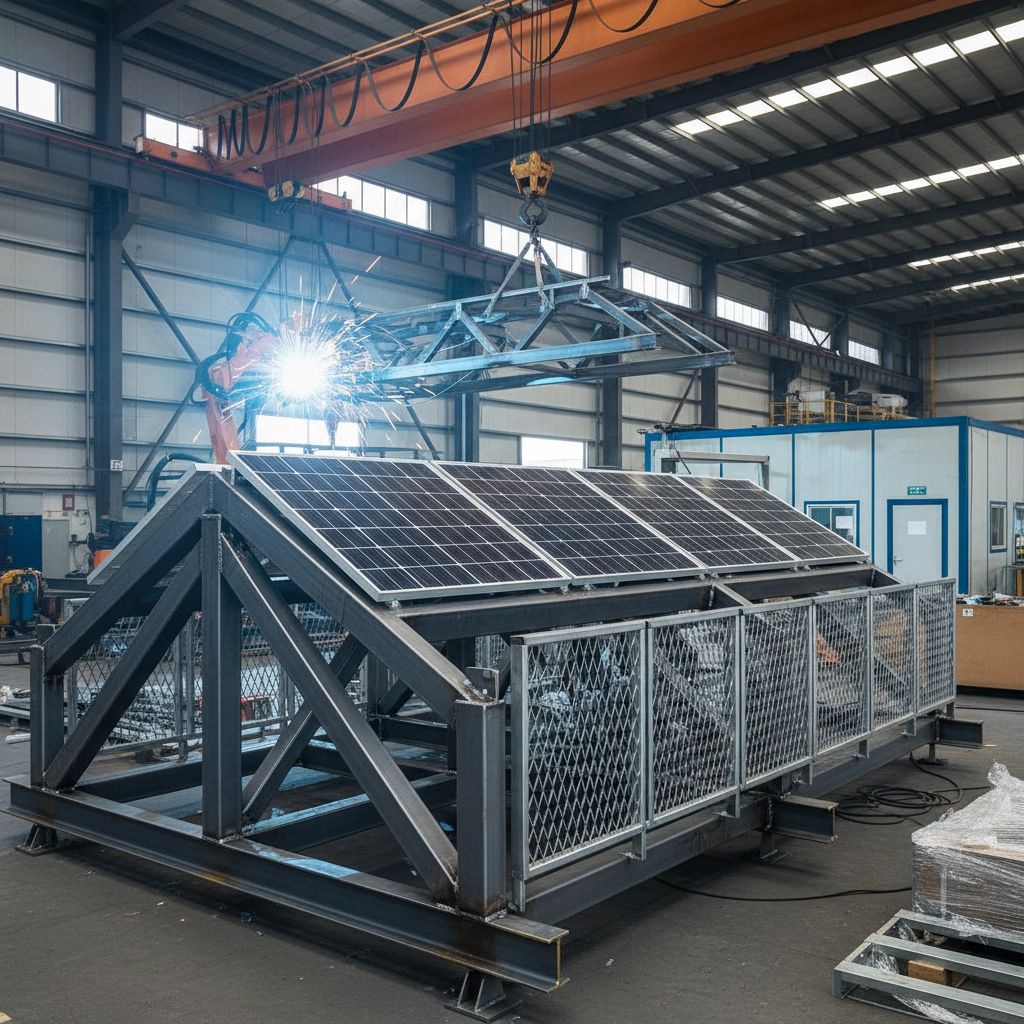
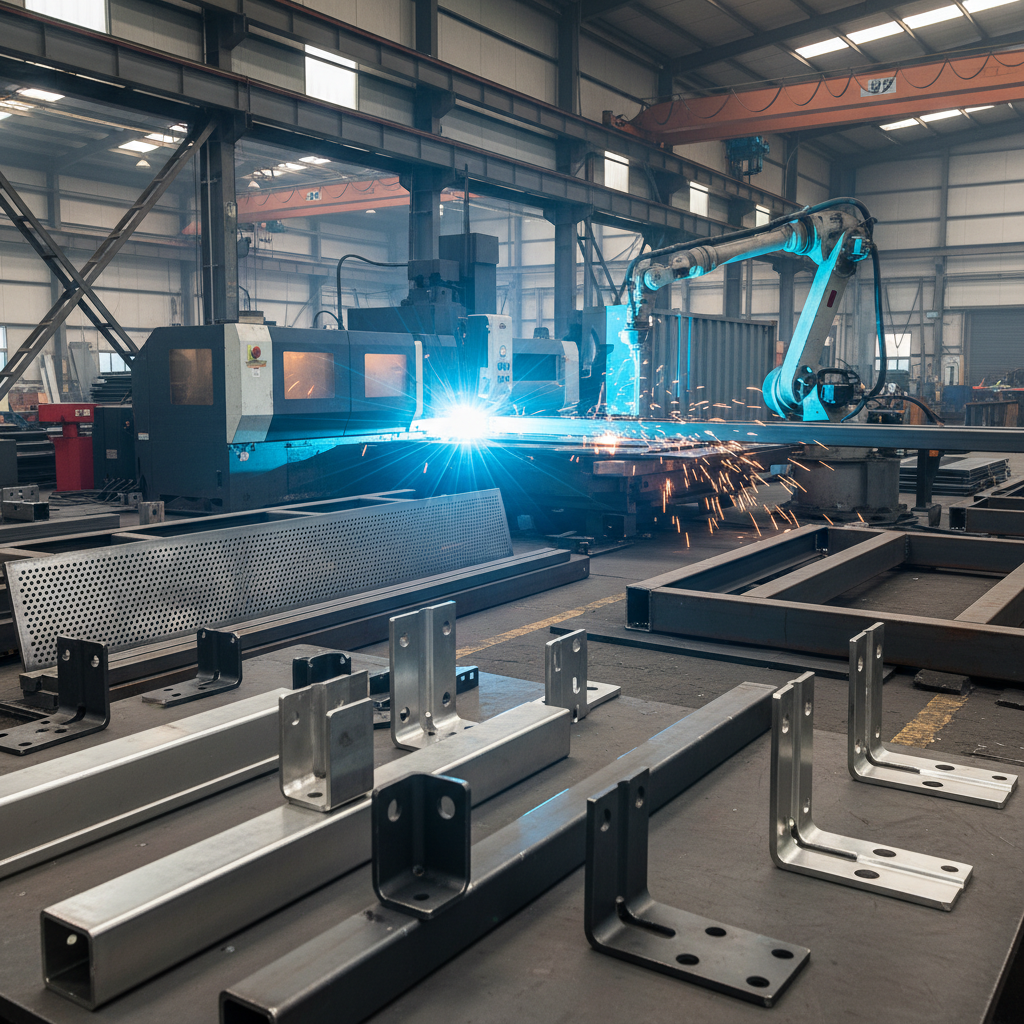
From an industrial perspective, these systems represent a convergence of electronics and advanced metalworking. The support structures must be lightweight yet robust enough to withstand wind loads, often utilizing stainless steel or aluminum alloys. This intersection of energy technology and deep-processing metalwork ensures that the panels remain secure while maintaining an aesthetic that blends with modern architectural design.
Beyond the hardware, the concept addresses a humanitarian need for energy autonomy. In volatile energy markets, having a baseline of self-generated power provides a safety net for low-income urban residents, reducing "energy poverty" and empowering individuals to take control of their utility expenses through simple, sustainable technology.
Core Components for Maximum Efficiency
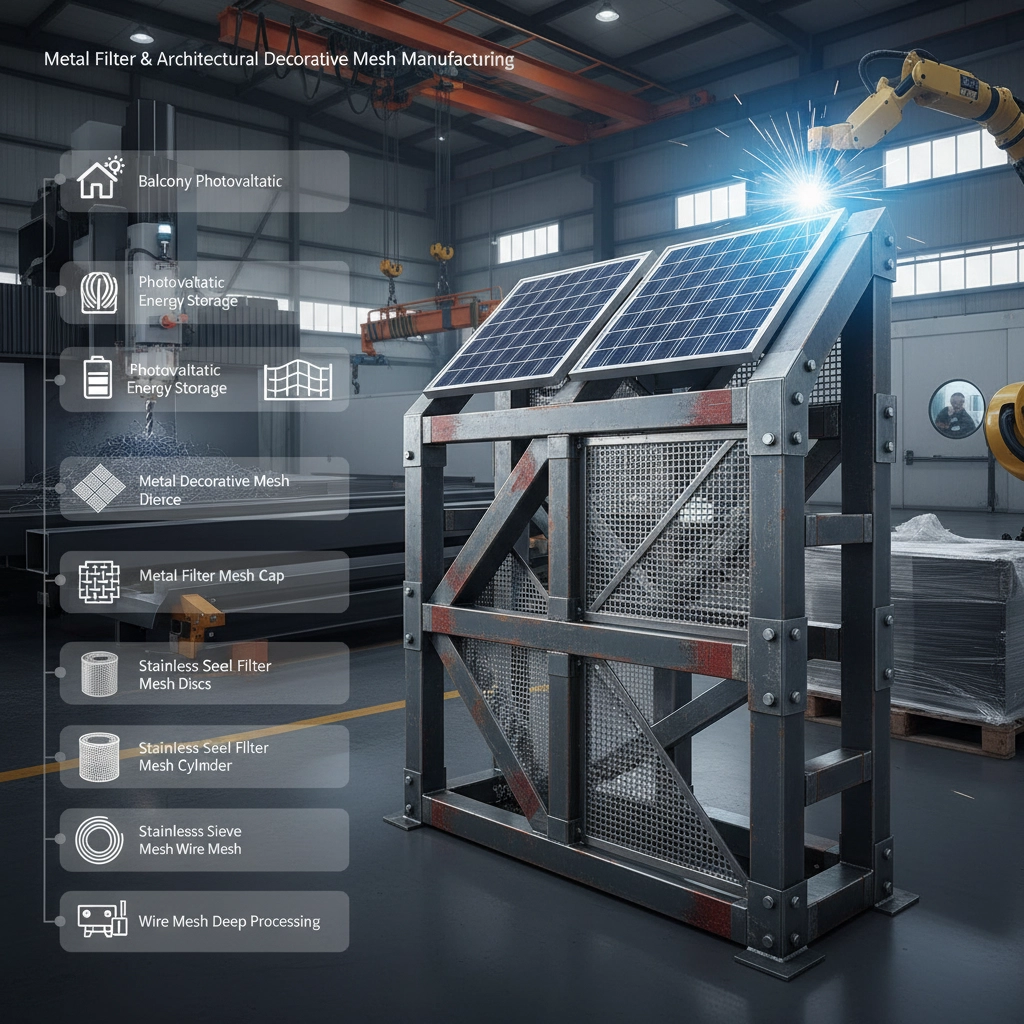
The durability of solar for balcony setups depends heavily on the quality of the mounting brackets. Using high-grade stainless steel wire mesh or customized metal frames prevents corrosion in humid urban environments, ensuring that the photovoltaic cells remain at the optimal angle to capture sunlight throughout the day.
Efficiency is further enhanced through the integration of Photovoltaic Energy Storage. By adding a compact battery unit, users can store the excess energy generated during peak sunlight hours and utilize it during the evening, maximizing the utility of the solar for balcony investment.
Finally, the use of micro-inverters is the "brain" of the operation. These devices allow each panel to operate independently, meaning that if one part of the balcony is shaded by a neighboring building, the other panels continue to produce power at full capacity, preventing a single shadow from crippling the entire system's output.
Scalability and Cost-Benefit Analysis
The scalability of solar for balcony is one of its most attractive features. Users can start with a single "plug-and-play" panel and gradually expand their system as their budget allows or as their energy needs grow. This modular approach reduces the initial financial barrier and allows for a gradual learning curve regarding energy management.
When analyzing the ROI, the focus shifts from purely financial gains to a combination of utility savings and environmental impact. While the payback period may vary based on local electricity rates, the integration of smart metering allows users to track exactly how much they are saving in real-time, fostering a psychological connection to sustainable consumption.
Comparative Performance of Urban Solar Methods
Real-World Global Applications
In densely populated cities like Berlin and Tokyo, solar for balcony has become a symbol of urban resilience. In these regions, government incentives have encouraged the use of "Balcony Power Plants," where the energy produced is fed directly into the apartment's internal grid, powering refrigerators and routers during the day.
Furthermore, we see innovative applications in emerging markets where grid stability is an issue. By combining balcony panels with small-scale Photovoltaic Energy Storage units, residents in these areas can maintain essential lighting and communication devices during power outages, proving that urban solar is as much about reliability as it is about ecology.
Long-Term Value and Sustainability
The long-term value of investing in solar for balcony extends beyond the electricity bill. There is a significant emotional and psychological benefit to "active sustainability." Users report a higher sense of agency and pride in contributing to the global energy transition, which often leads to other sustainable lifestyle changes, such as reducing waste or choosing energy-efficient appliances.
From a material standpoint, the use of deep-processed metals ensures that these systems have a lifespan of 20 to 25 years. By utilizing high-quality stainless steel mesh for support and protection, the systems resist urban pollution and weather extremes, ensuring that the environmental cost of manufacturing is offset by decades of clean energy production.
Moreover, the ability to move the system during a house relocation means that the investment is not tied to a specific property. This mobility adds a layer of financial security for renters, turning a home improvement project into a portable asset that continues to provide value regardless of where they live.
Future Innovations in Solar Mesh Technology
The next frontier for solar for balcony lies in the integration of BIPV (Building Integrated Photovoltaics). We are moving toward a future where the "Metal Decorative Mesh" on a balcony isn't just for privacy or aesthetics, but is actually composed of organic photovoltaic (OPV) cells that generate electricity while remaining semi-transparent.
Digital transformation is also playing a role, with AI-driven apps now optimizing the angle of panels in real-time based on weather forecasts and sun trajectory. This automation ensures that every photon is captured, increasing the total energy yield of small-scale systems by up to 15% without increasing the physical size of the installation.
As we refine the manufacturing of metal filter mesh and decorative screens, we can expect "solar fences" that provide security, shade, and power simultaneously. This holistic approach to urban design will turn every balcony into a multifunctional hub of sustainability.
Analysis of Solar for Balcony Technical Specifications by Mounting Type
|
Mounting Category
|
Installation Complexity
|
Energy Yield Score (1-10)
|
Wind Resistance
|
|
Railing Clamp
|
Low
|
7
|
High
|
|
Wall Bracket
|
Medium
|
6
|
Very High
|
|
Adjustable Pivot
|
Medium
|
9
|
Medium
|
|
Integrated Mesh
|
High
|
10
|
High
|
|
Floor Stand
|
Very Low
|
5
|
Low
|
|
Tension Cable
|
High
|
8
|
Medium
|
FAQS
In most cases, yes, especially if you use non-permanent mounting systems like railing clamps that do not drill into the building's facade. However, local laws vary. In Germany, for example, "plug-in" systems are widely accepted. We recommend checking your lease agreement or consulting with your landlord to ensure compliance with safety and aesthetic guidelines of the building complex.
A typical single-panel system (approx. 350W-450W) can generate enough energy to cover the baseline consumption of "standby" electronics, such as your Wi-Fi router, smart home hubs, and phone chargers. In sunny regions, a 2-3 panel array can significantly reduce your bill by powering small appliances during the day, though it typically won't fully power a high-energy device like an air conditioner.
Most modern balcony solar kits are designed as "plug-and-play," meaning they come with a pre-installed micro-inverter and a standard plug. For these basic setups, a professional is not required. However, if you are integrating a larger energy storage system or modifying your home's electrical panel, hiring a certified electrician is highly recommended for safety and insurance purposes.
Safety is paramount. Use high-tensile stainless steel mounting brackets and secure the panels with industrial-grade clamps. We suggest using a "wind-pass" design or integrating the panels into a metal decorative mesh that breaks the wind force. Regular inspections of the bolts and clamps are essential, especially before the storm season, to ensure the system remains securely fastened.
While panels need sunlight to work, the use of micro-inverters prevents a "bottleneck" effect. If one panel is in the shade, the others still operate at 100%. While your total output will be lower than in a full-sun location, you can still generate meaningful energy. For heavily shaded balconies, we recommend using high-efficiency monocrystalline panels which perform better in low-light conditions.
Most high-quality photovoltaic panels are warrantied for 20 to 25 years, maintaining about 80-90% of their original efficiency. The micro-inverters usually last 10 to 15 years. By using corrosion-resistant stainless steel for the mounting hardware, the structural components can last as long as the panels themselves, making it a very durable long-term investment.
Conclusion
The adoption of solar for balcony represents a significant leap toward urban sustainability, blending advanced material science with decentralized energy production. By focusing on high-quality mounting hardware, efficient micro-inverters, and strategic energy storage, urban residents can effectively transform their limited outdoor space into a productive asset that lowers costs and protects the planet.
Looking forward, the integration of solar technology into decorative architectural elements, such as metal meshes and fences, will make green energy an invisible yet omnipresent part of city life. Whether you are a renter looking for a portable energy solution or a homeowner enhancing your property's value, the shift toward balcony photovoltaics is a smart, ethical, and economically sound decision. Visit our website for more professional solutions: www.qhfilter.com