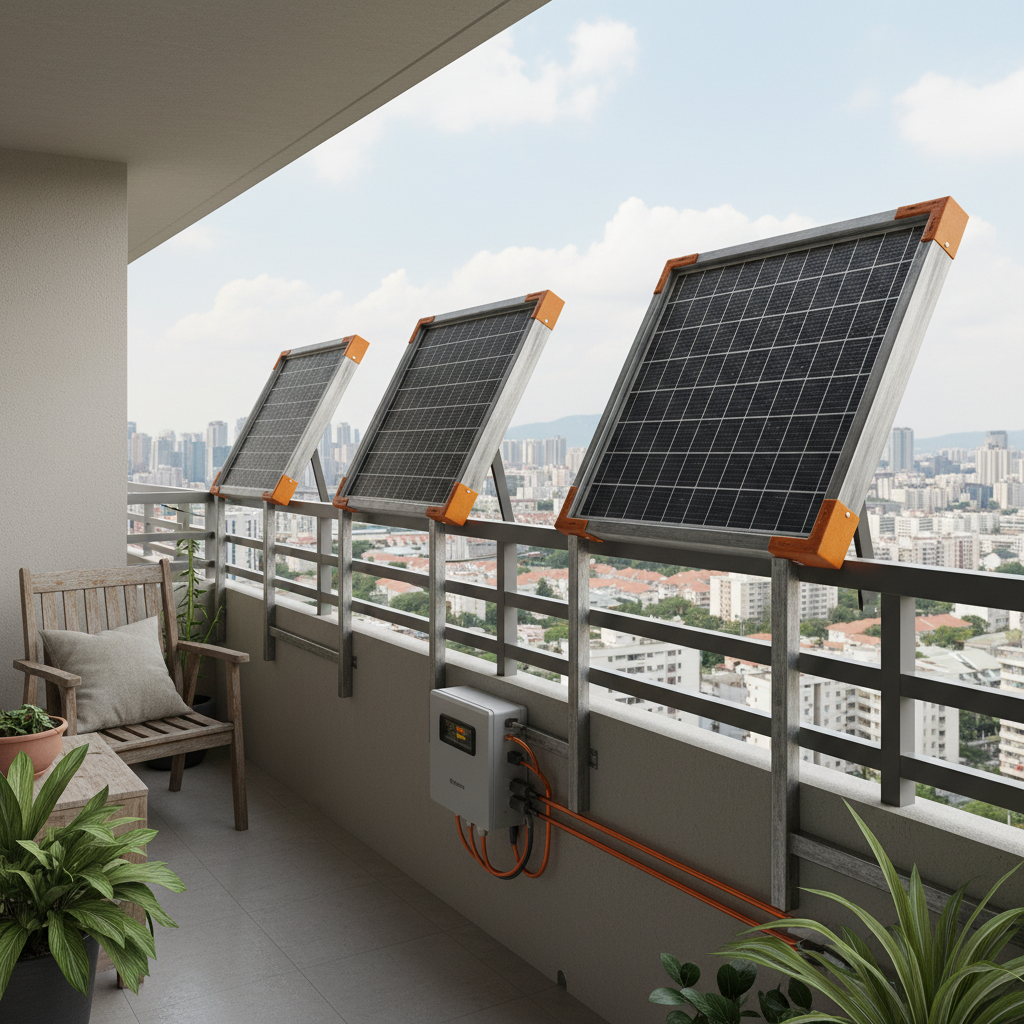
The global shift toward sustainable urban living has sparked a surge in interest regarding the small solar panel for balcony, offering a decentralized energy solution for apartment dwellers who lack roof access. As energy costs fluctuate and environmental concerns mount, these compact systems empower individuals to reduce their carbon footprint while gaining a degree of energy independence in the heart of the city.
Integrating photovoltaic technology into limited outdoor spaces is no longer just a niche hobby but a strategic response to the urbanization trends highlighted by organizations like the International Energy Agency (IEA). By utilizing the vertical and horizontal planes of a balcony, residents can capture solar energy to power small appliances or feed back into the local grid, effectively transforming residential facades into active power plants.
Understanding the nuances of selecting and installing a small solar panel for balcony is crucial for maximizing efficiency and ensuring safety. From the materials used in the frame to the integration with energy storage systems, the right choice allows urban residents to transition from passive energy consumers to active "prosumers," contributing to the broader global goal of net-zero emissions.
Global Relevance of Balcony Photovoltaics
Across Europe and Asia, the concept of the small solar panel for balcony has evolved from a novelty to a mainstream energy strategy. In densely populated cities where roof ownership is rare, balcony-mounted systems provide the only viable path for millions of renters to engage in the green energy transition. This democratization of power generation reduces the strain on aging urban grids and lowers the overall carbon intensity of residential living.
Furthermore, the integration of these panels often coincides with the use of advanced metal mesh and supports, ensuring that the installations are wind-resistant and aesthetically pleasing. As cities strive to meet ISO sustainability standards, the proliferation of small-scale solar installations is proving that incremental, individual actions can aggregate into significant environmental gains.
Defining the Small Solar Panel for Balcony
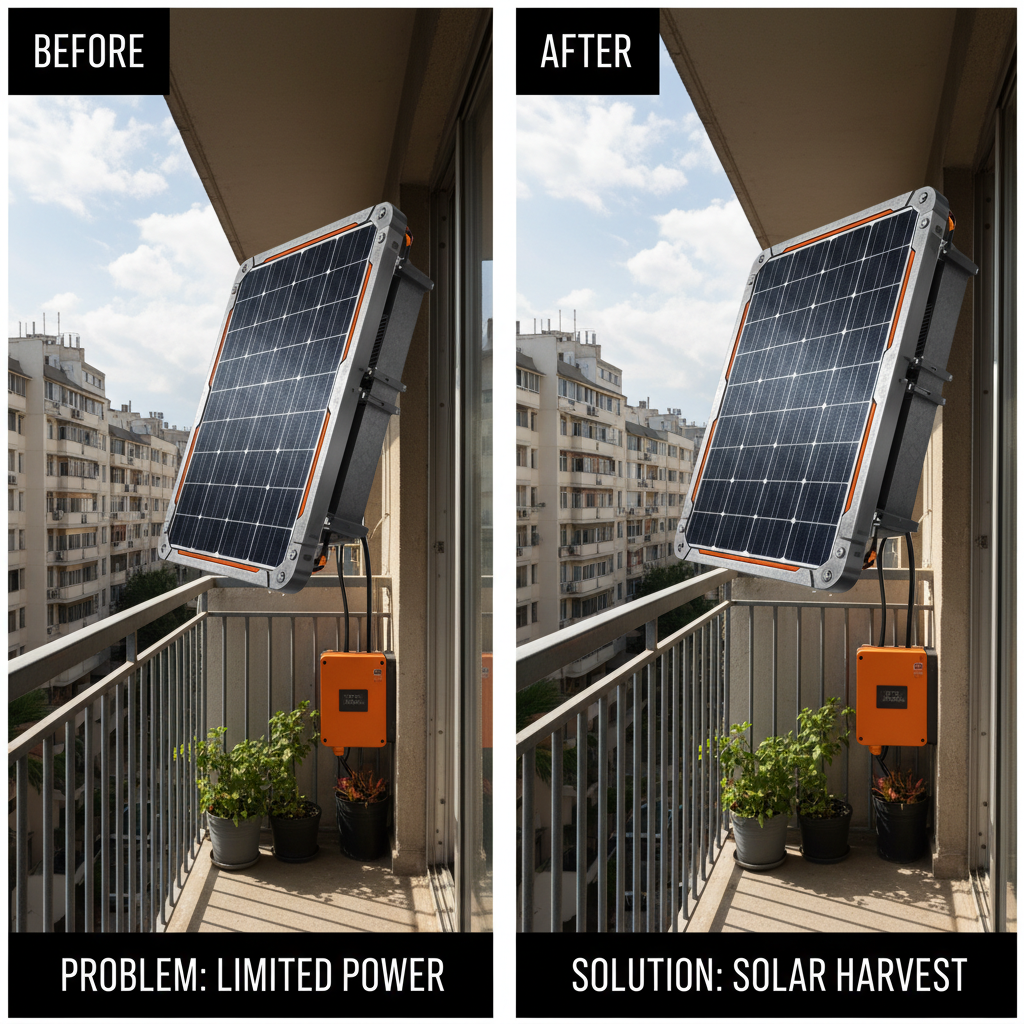
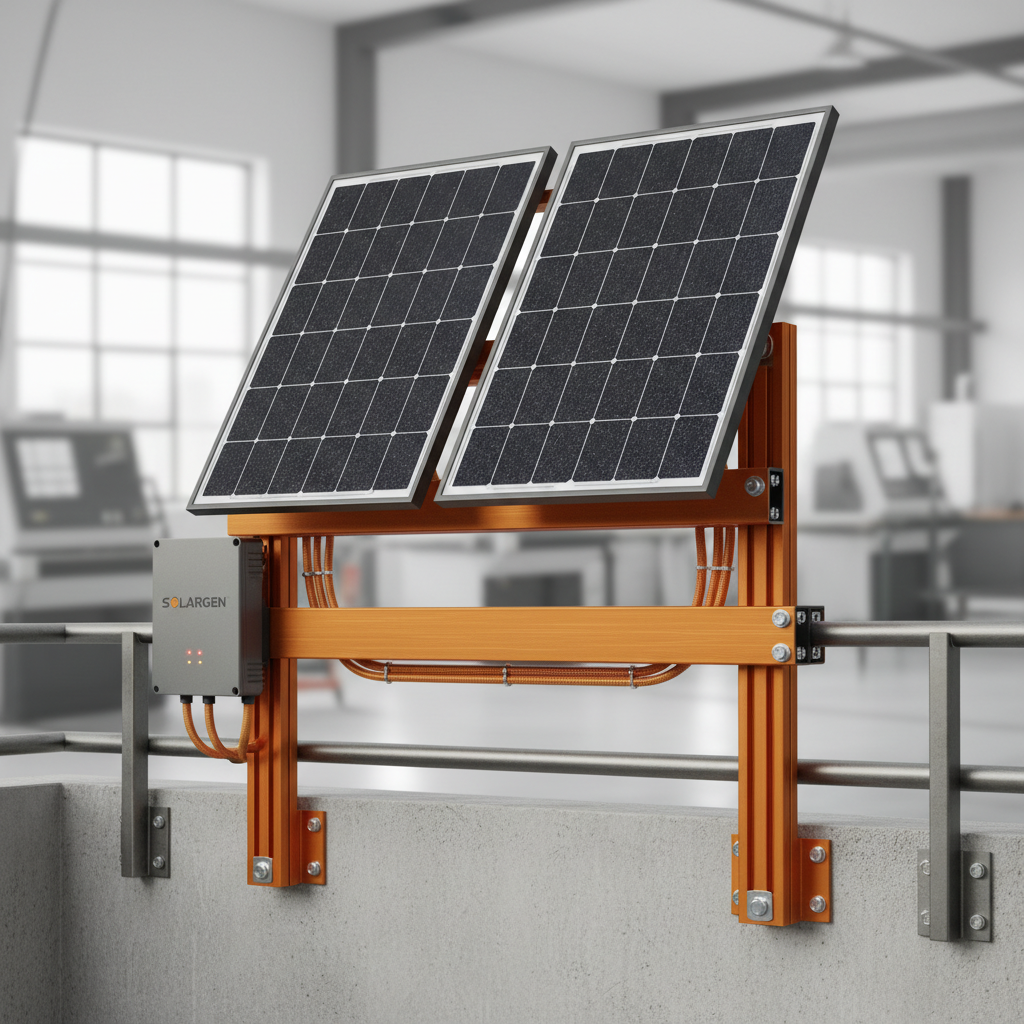
At its core, a small solar panel for balcony is a plug-and-play photovoltaic (PV) system designed specifically for small-scale urban installation. Unlike industrial solar farms, these units are lightweight, typically ranging from 100W to 400W, and are designed to be mounted on railings or walls. They convert sunlight directly into electricity via the photoelectric effect, providing a clean stream of power for household electronics.
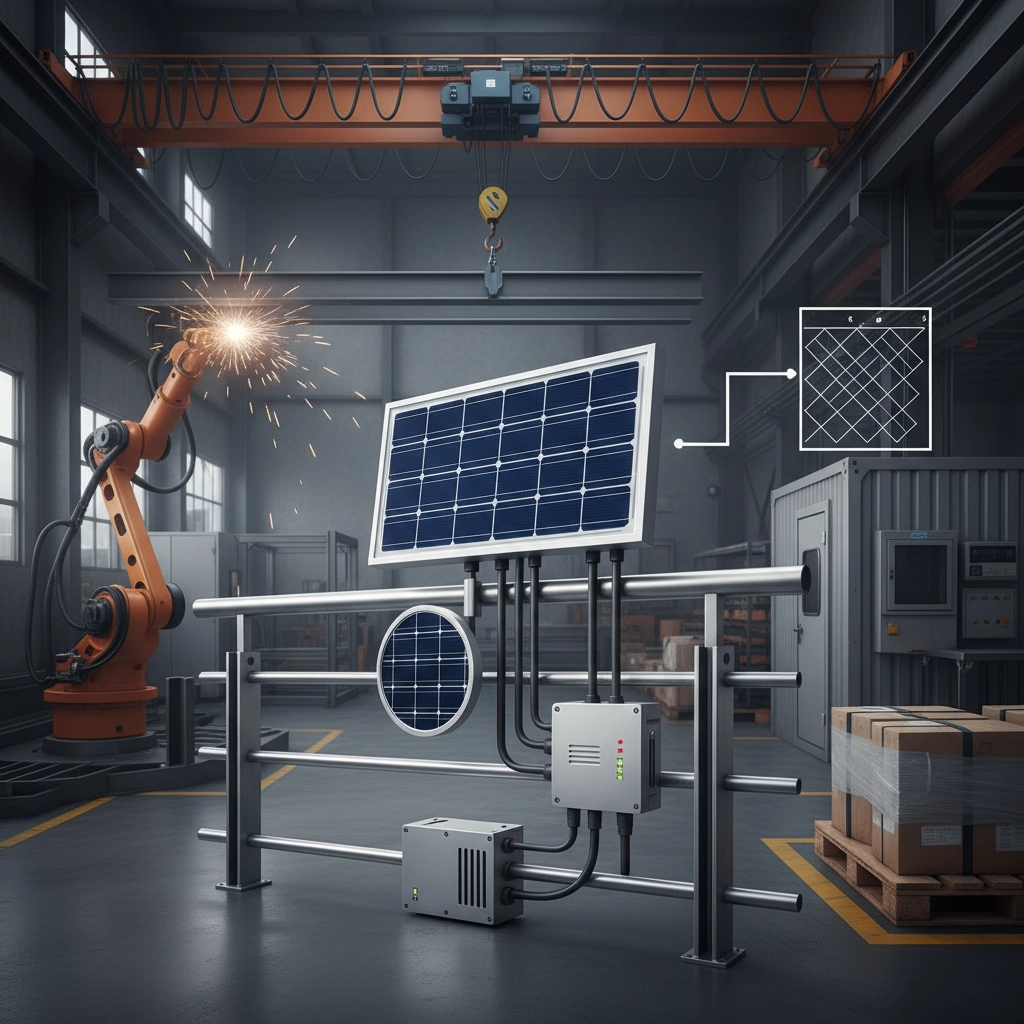
From an industrial perspective, these panels are often paired with micro-inverters that convert Direct Current (DC) to Alternating Current (AC) immediately at the source. This allows the user to simply plug the system into a standard wall outlet, making it an accessible solution for those without technical expertise in electrical engineering or extensive home renovation budgets.
Beyond the hardware, this technology represents a shift toward "micro-generation." It connects the humanitarian need for affordable energy with modern industrial design, utilizing high-efficiency monocrystalline cells and durable frames—often utilizing specialized metal coatings—to withstand the varied weather conditions found in high-rise environments.
Core Components for Maximum Efficiency
The effectiveness of a small solar panel for balcony depends heavily on its material composition. High-grade silicon cells are the primary driver of energy conversion, but the surrounding frame and protective glass are equally important to prevent degradation from urban pollutants and acid rain.
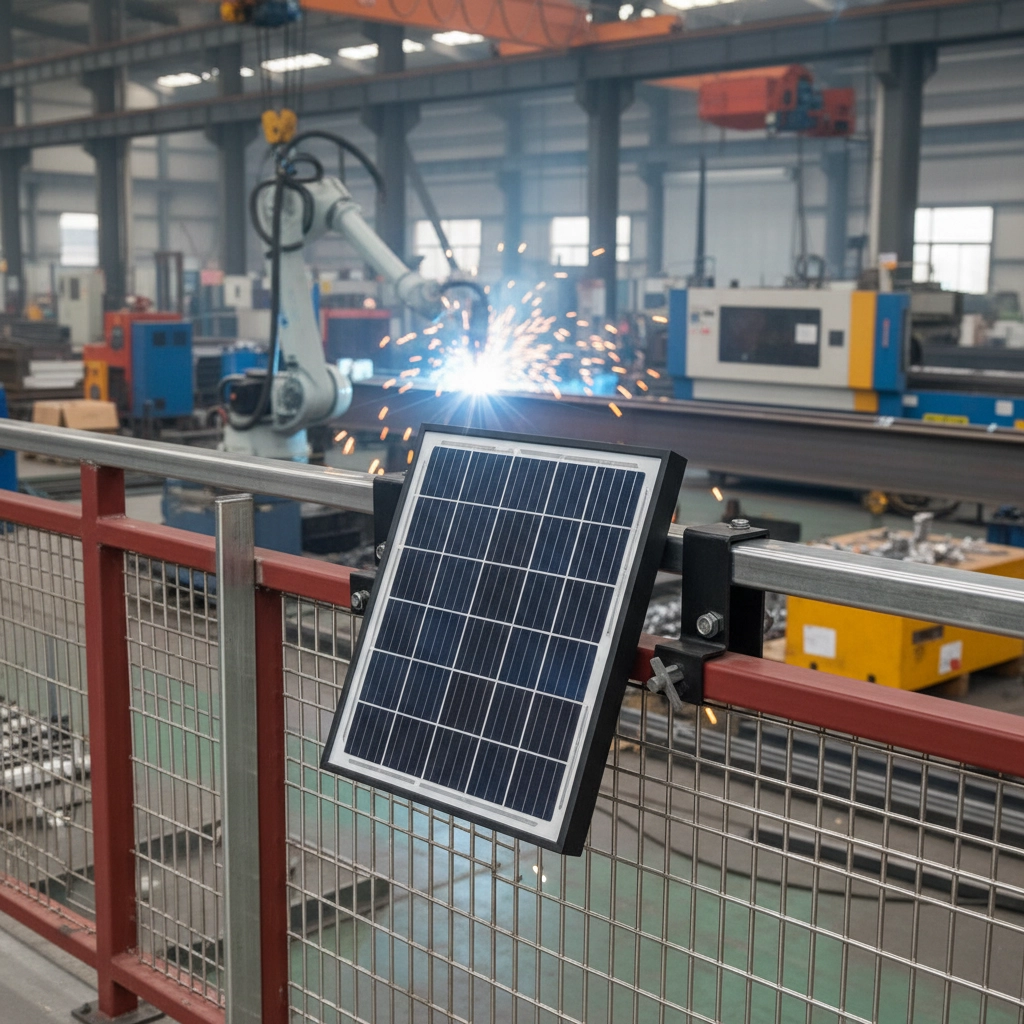
Durability is often enhanced through the use of stainless steel mounting brackets or specialized metal decorative mesh that can provide structural support without blocking excessive sunlight. These components ensure that the small solar panel for balcony remains secure during high-wind events, which are common on upper-floor balconies.
Another critical element is the energy storage interface. While many systems are "grid-tied," the addition of a small lithium-ion battery or a photovoltaic energy storage unit allows users to save energy generated during the peak afternoon sun for use during the evening, maximizing the utility of every photon captured.
Performance Factors and Cost-Effectiveness
Evaluating the ROI of a small solar panel for balcony involves analyzing several variables: sunlight exposure hours, panel efficiency, and the local cost of electricity. In regions with high utility rates, the payback period for a balcony system can be remarkably short, often paying for itself within 3 to 5 years through reduced monthly bills.
Beyond direct financial gain, the scalability of these systems is a key advantage. Users can start with a single panel and gradually add more as their budget allows, creating a modular energy system that grows with their needs.
Efficiency Rating of Different Small Solar Panel for Balcony Types
Real-World Applications in Urban Environments
In cities like Berlin and Tokyo, the small solar panel for balcony is being integrated into "smart home" ecosystems. Residents use these panels to power automated plant watering systems, balcony lighting, and security cameras, creating a self-sustaining micro-environment that requires zero external power.
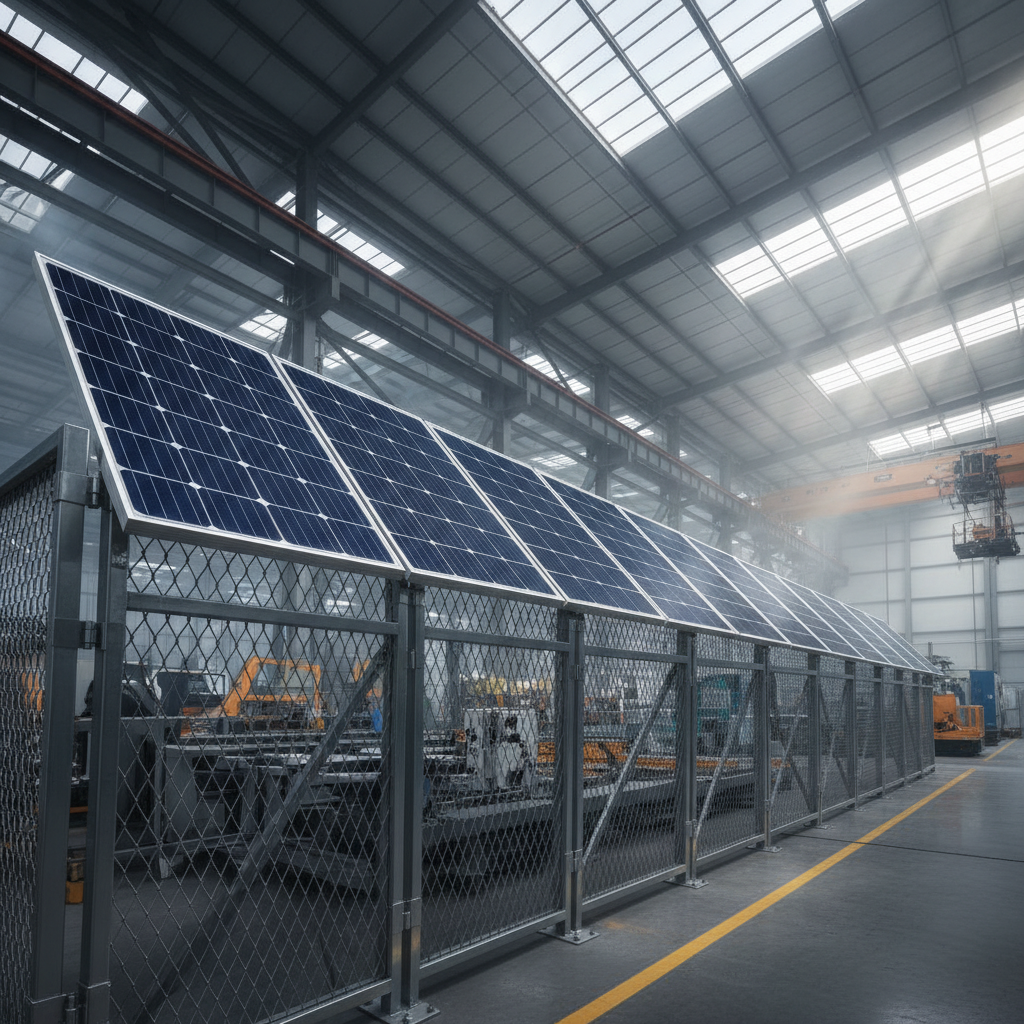
Moreover, some innovative housing cooperatives are using these panels as part of a larger photovoltaic fence strategy. By combining individual balcony units with shared energy storage in the basement, communities are creating localized micro-grids that increase resilience against city-wide power outages.
Long-Term Value and Sustainability Impact
The long-term value of investing in a small solar panel for balcony extends beyond the electricity bill. It fosters a psychological shift in the user, encouraging a more mindful consumption of energy. When you can see your energy production in real-time via a smartphone app, you are more likely to optimize your appliance use, leading to an overall reduction in waste.
From a social perspective, the visibility of these panels on balconies serves as a powerful signal of sustainability to the rest of the neighborhood. This "social contagion" effect accelerates the adoption of green technologies, pushing landlords and city planners to integrate solar-ready designs into new architectural projects.
Additionally, the use of recyclable materials in the manufacturing of the panels and their supports—such as high-grade stainless steel—ensures that the product's lifecycle remains eco-friendly. The reliability of these systems provides peace of mind, knowing that a portion of the home's essential power is derived from a clean, infinite source.
Future Innovations in Balcony Solar Tech
The future of the small solar panel for balcony lies in the development of perovskite solar cells. These next-generation materials promise higher efficiency and the ability to be printed on flexible substrates, meaning panels could eventually become transparent films applied directly to balcony glass, eliminating the need for bulky frames.
Furthermore, we are seeing a convergence between energy production and aesthetics. The integration of metal decorative mesh that also acts as a conductive layer or a solar concentrator is on the horizon, allowing the balcony to remain a beautiful living space while maximizing energy capture.
As AI-driven energy management becomes standard, these systems will automatically predict weather patterns and adjust storage levels accordingly. This digital transformation will make the balcony solar kit an intelligent node in the broader smart city infrastructure, contributing to a more stable and sustainable urban grid.
Comparative Analysis of Balcony Solar Installation Methods
| Installation Type |
Ease of Setup |
Energy Yield |
Aesthetic Impact |
| Railing Mount |
High (Plug & Play) |
Moderate |
Industrial Look |
| Wall-Hanging |
Medium |
High (Vertical) |
Low Profile |
| Flexible Adhesive |
High |
Low to Moderate |
Seamless |
| Custom Steel Frame |
Low (Requires Pro) |
Very High |
Architectural |
| Mesh-Integrated |
Medium |
Moderate |
Decorative |
| Portable Stand |
Very High |
Variable |
High Visibility |
FAQS
In most regions, plug-in balcony solar systems are permitted because they are non-permanent installations. However, local building codes and rental agreements vary. It is always recommended to check with your landlord or homeowners' association regarding the aesthetics and safety of the mounting system to ensure compliance with building regulations.
A typical 300W-400W panel can produce enough energy to cover the "base load" of an apartment—such as the refrigerator, Wi-Fi router, and standby power for electronics. While it won't power an air conditioner, it can significantly reduce the daily consumption of small appliances and lower your monthly utility bill.
Yes, but efficiency drops. Monocrystalline panels are better at performing in low-light conditions. To optimize a small solar panel for balcony in shaded areas, we recommend using a micro-inverter, which ensures that a shadow on one part of the panel doesn't shut down the energy production of the entire unit.
Safety is paramount. Using stainless steel clamps or specialized balcony brackets is the gold standard. Avoid using simple ropes or adhesives for heavy panels. Ensure the panel is tilted slightly (usually 15-30 degrees) to maximize sun exposure and allow rainwater to run off, preventing grime buildup.
Absolutely. Adding a photovoltaic energy storage system (battery) allows you to store excess energy produced during the day for use at night. This increases your self-sufficiency and is particularly useful in regions where "feed-in tariffs" (payment for sending power back to the grid) are low.
Most high-quality panels are rated for 20 to 25 years. While efficiency slightly degrades over time (usually about 0.5% per year), the physical structure remains intact. Using corrosion-resistant frames and protective glass ensures they withstand the harsh urban environment for decades.
Conclusion
The adoption of a small solar panel for balcony represents a pivotal step toward urban sustainability. By combining accessible PV technology with durable industrial materials like stainless steel, city dwellers can effectively lower their energy costs and carbon footprint. The transition from large-scale utility reliance to decentralized micro-generation not only enhances individual energy security but also contributes to the collective resilience of our global cities.
Looking forward, as perovskite cells and AI-managed storage become more common, the efficiency and aesthetics of these systems will only improve. We encourage urban residents to explore modular solar solutions and invest in high-quality mounting hardware to ensure a safe, long-term energy transition. For professional guidance on sustainable metal components and photovoltaic integration, visit our website: www.qhfilter.com.