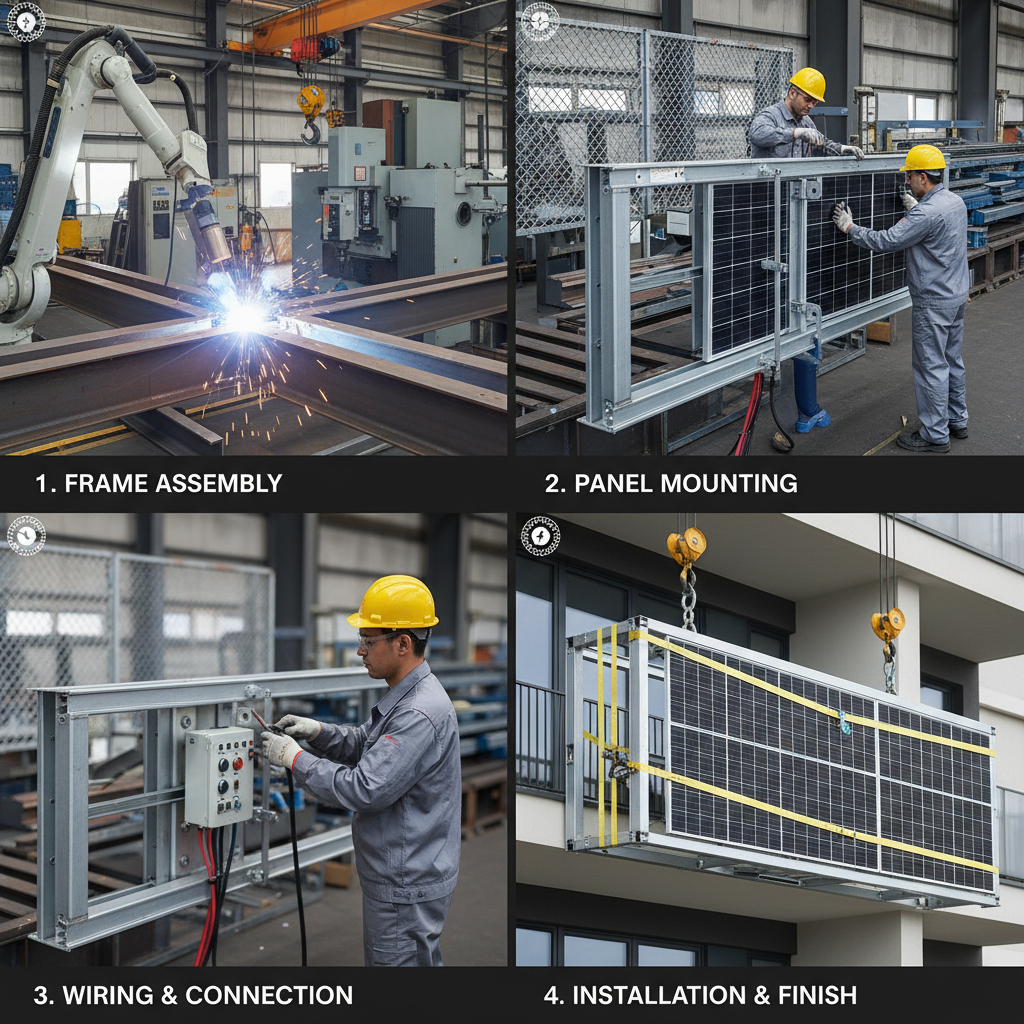
The global shift toward decentralized energy production has brought the concept of the photovoltaic balcony into the spotlight as a viable solution for urban dwellers. By integrating solar harvesting technology directly into residential balcony structures, homeowners can transform underutilized outdoor spaces into miniature power plants, reducing reliance on the traditional grid and lowering monthly utility costs.
As metropolitan areas expand, the challenge of installing large-scale rooftop arrays becomes a barrier for those living in apartments or multi-family dwellings. The photovoltaic balcony addresses this gap by offering a modular, "plug-and-play" approach to green energy, allowing individuals to take ownership of their carbon footprint without requiring extensive structural renovations.
Beyond simple energy generation, these systems represent a convergence of architectural design and sustainable engineering. Understanding the technical nuances of a photovoltaic balcony—from the choice of high-efficiency monocrystalline cells to the durability of the supporting metal mesh and frames—is essential for maximizing long-term energy yield and ensuring structural safety in diverse climates.
The Global Rise of Photovoltaic Balcony Systems
The adoption of the photovoltaic balcony has seen an unprecedented surge, particularly in European cities where energy independence is becoming a strategic priority. With rising electricity prices and stringent EU carbon neutrality goals, residents are turning to modular solar solutions that fit the footprint of a standard apartment balcony, effectively turning residential facades into active energy generators.
This trend is supported by the evolution of "Balcony Solar" kits, which simplify the installation process. By utilizing high-strength mounting systems and optimized panel angles, the photovoltaic balcony allows users to generate power even in suboptimal light conditions, bridging the gap between industrial-scale solar farms and personal home energy management.
Technical Definition and Industrial Integration
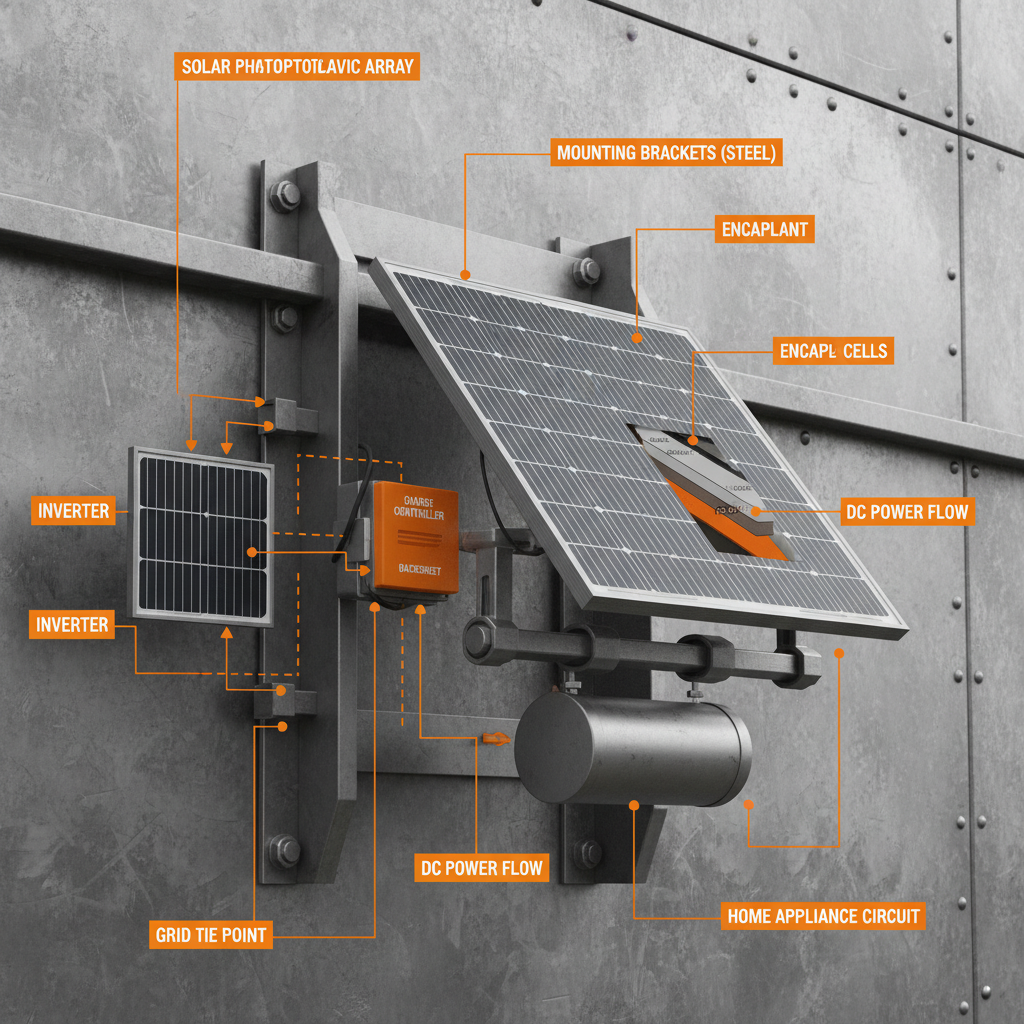
In technical terms, a photovoltaic balcony is a localized solar energy system consisting of PV modules integrated into the railing, ceiling, or side panels of a balcony. Unlike traditional rooftop arrays, these systems are designed for versatility and rapid deployment, often utilizing micro-inverters that allow a single panel to feed power directly into a standard household socket.
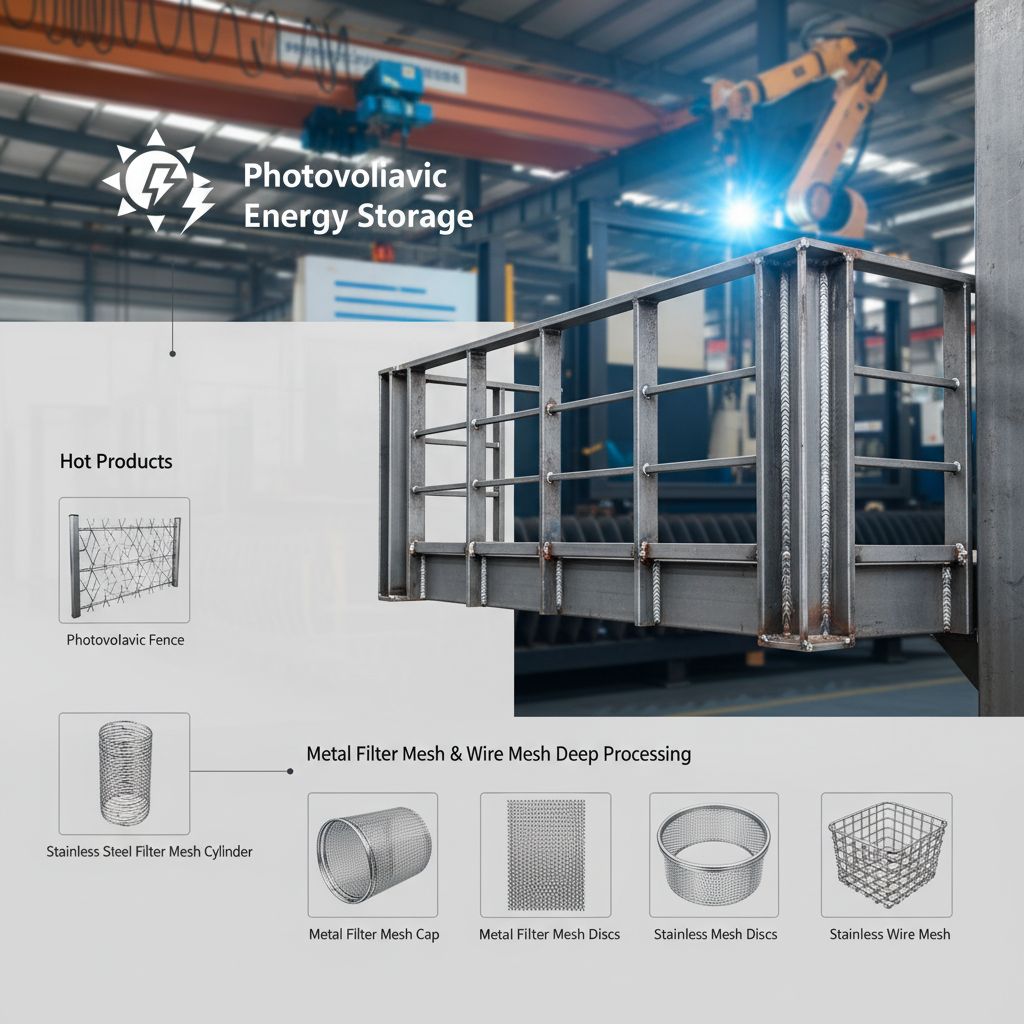
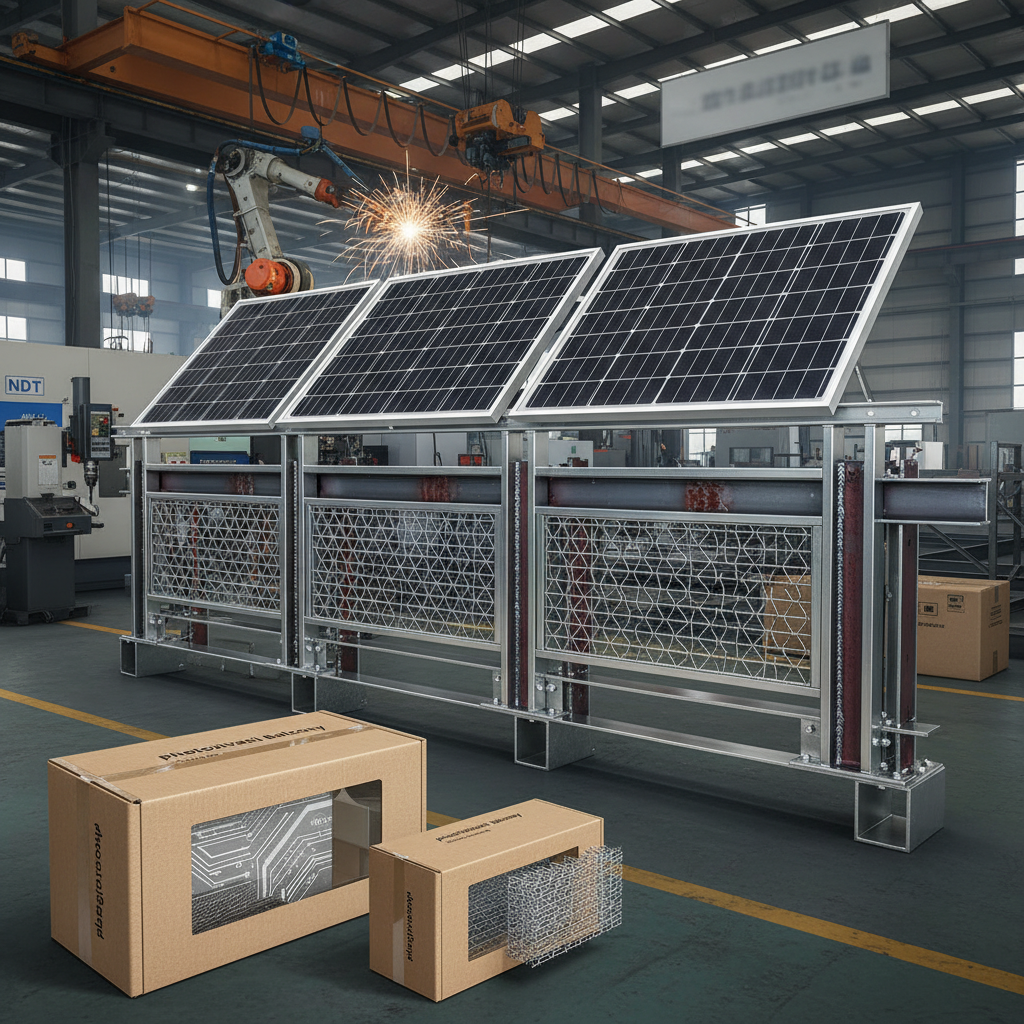
From an industrial perspective, the manufacturing of these systems involves a synergy between semiconductor technology and advanced metallurgy. The use of stainless steel wire mesh and deep-processed metal filters often plays a role in the protective shielding and structural support of the panels, ensuring that the photovoltaic balcony can withstand high wind loads and corrosive urban pollutants over several decades.
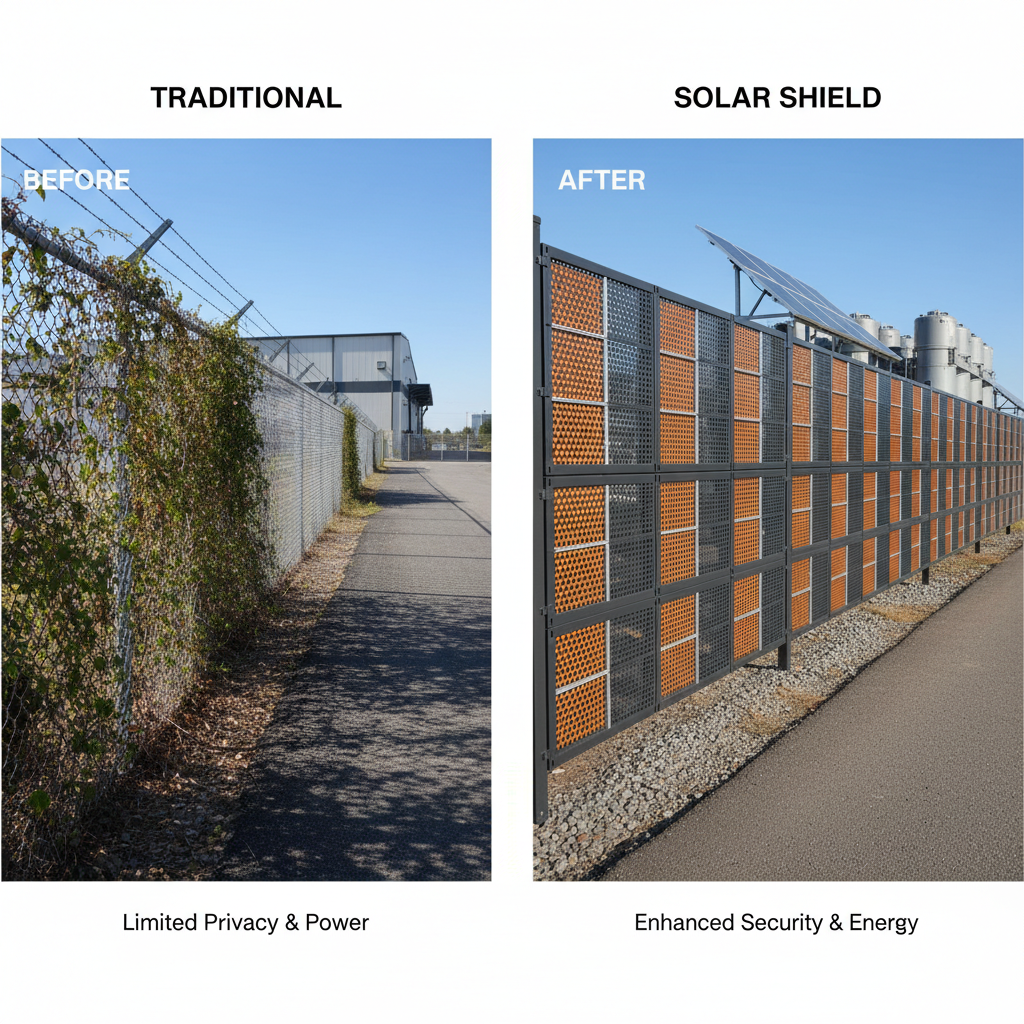
This integration reflects a broader movement toward Building-Integrated Photovoltaics (BIPV). By treating the photovoltaic balcony not as an add-on, but as a functional architectural element, manufacturers are now creating semi-transparent panels that provide shade and privacy while simultaneously harvesting electricity.
Core Components for Maximum Efficiency
The effectiveness of a photovoltaic balcony depends heavily on the quality of its PV cells. High-efficiency PERC (Passivated Emitter and Rear Cell) or TopCon modules are typically preferred to maximize energy capture in limited spatial areas, ensuring that every square centimeter of the balcony contributes to the power output.
Structural integrity is provided by specialized mounting frames. For a photovoltaic balcony, these frames must be constructed from corrosion-resistant alloys or powder-coated aluminum to prevent oxidation, especially in coastal regions where salt spray can degrade inferior metals.
Finally, the energy management system—comprising the micro-inverter and optional battery storage—completes the photovoltaic balcony. This allows the user to store excess energy generated during peak sunlight hours for use during the night, significantly increasing the self-consumption rate of the generated electricity.
Performance Metrics and Scalability
Evaluating the success of a photovoltaic balcony requires a look at the Performance Ratio (PR) and the levelized cost of energy (LCOE). While a single panel may only produce a few hundred watts, the scalability of these systems allows users to add more modules as their energy needs grow or as their budget permits.
When comparing different installation methods, the angle of tilt and the orientation of the photovoltaic balcony are the most critical variables. South-facing balconies in the northern hemisphere see significantly higher yields, though modern bifacial panels are making east-west orientations more viable.
Comparative Efficiency of Photovoltaic Balcony Configurations
Real-World Applications in Urban Planning
In modern smart cities, the photovoltaic balcony is being integrated into large-scale residential complexes. Architects are now designing buildings with optimized balcony depths and orientations specifically to facilitate the installation of these systems, effectively turning the entire building skin into a distributed power plant.
Beyond luxury apartments, these solutions are being deployed in social housing projects in regions like Germany and Austria. By providing a photovoltaic balcony to low-income tenants, municipalities are reducing energy poverty while meeting aggressive urban sustainability targets.
Long-Term Value and Sustainability Impact
The long-term value of a photovoltaic balcony extends beyond simple monetary savings on electricity bills. It fosters a culture of "prosumerism," where residents are no longer passive consumers of energy but active participants in the energy transition. This psychological shift encourages more mindful energy usage throughout the home.
From an environmental standpoint, the cumulative impact of thousands of photovoltaic balcony installations in a single city can significantly reduce the peak load on the municipal grid. This decreases the need for "peaker" power plants, which are often the most polluting sources of electricity.
Moreover, the use of durable, recyclable materials in the construction of these systems—such as stainless steel and tempered glass—ensures that the photovoltaic balcony does not become a future waste problem, adhering to the principles of the circular economy.
Future Trends in Solar Balcony Technology
The next generation of photovoltaic balcony systems will likely incorporate perovskite solar cells, which promise higher efficiency and lower production costs than traditional silicon. These cells can be printed onto flexible substrates, allowing the photovoltaic balcony to curve around railings or wrap around the edges of the balcony for maximum surface exposure.
We are also seeing a trend toward the integration of AI-driven energy management. Future photovoltaic balcony kits will come with smart apps that predict weather patterns and automatically adjust battery discharge rates to optimize the use of solar energy during the most expensive time-of-use windows.
Additionally, the convergence of solar technology with aesthetic metal decorative meshes will allow the photovoltaic balcony to function as a high-end architectural feature, providing privacy and solar shading while maintaining a sleek, modern industrial look.
Comparison of Photovoltaic Balcony Technological Generations
| Generation |
Cell Technology |
Installation Complexity |
Avg. Energy Rating |
| Gen 1: Basic Kit |
Polycrystalline Silicon |
Medium (Manual) |
5/10 |
| Gen 2: Modern Standard |
Monocrystalline PERC |
Low (Plug-and-Play) |
7/10 |
| Gen 3: Bifacial |
Dual-Sided Silicon |
Low (Integrated) |
8/10 |
| Gen 4: BIPV Integrated |
Thin-Film CIGS |
High (Architectural) |
8/10 |
| Gen 5: Next-Gen Flex |
Perovskite Tandem |
Very Low (Adhesive) |
10/10 |
| Gen 6: Smart Mesh |
Transparent PV Mesh |
Medium (Systemic) |
9/10 |
FAQS
In many regions, especially in the EU, regulations are shifting to allow "plug-in" solar systems. Because a photovoltaic balcony is typically non-permanent and doesn't require structural changes to the building, it is often permitted. However, it is always recommended to check your local rental agreement and municipal building codes to ensure compliance with safety and aesthetic standards.
A standard photovoltaic balcony setup with 1-2 panels usually produces between 300W and 800W of peak power. Depending on the sunlight hours and orientation, this can cover the "base load" of an apartment—such as the refrigerator, router, and standby electronics—potentially reducing annual electricity costs by 10% to 30%.
Many modern kits are designed for DIY installation using "plug-and-play" connectors that fit into standard wall outlets. However, for safety reasons and to ensure the system is properly grounded, consulting a certified electrician is highly recommended, especially if you are adding battery storage or integrating the system into the main electrical panel.
Safety is paramount. A high-quality photovoltaic balcony uses reinforced mounting brackets made of stainless steel or aluminum. These are engineered to withstand high wind loads. Ensuring that the panels are securely fastened to the railing or wall prevents them from becoming hazards during storms.
Yes, they still generate electricity in winter, though the yield is significantly lower due to shorter days and lower sun angles. Interestingly, PV panels are actually more efficient in colder temperatures; they just require more direct light to produce significant power.
Most solar panels are warrantied for 20-25 years, though their efficiency drops slightly over time. The micro-inverters typically last 10-15 years, and the structural metal frames, if made of high-grade stainless steel, can last the entire lifetime of the building.
Conclusion
The transition toward a photovoltaic balcony represents more than just a technical upgrade; it is a strategic step toward urban energy resilience. By combining high-efficiency solar cells with durable industrial materials like stainless steel mesh and advanced framing, these systems offer a practical, scalable, and sustainable way for city residents to reduce their environmental impact and energy costs.
As technology evolves toward perovskites and smart-grid integration, the photovoltaic balcony will become a standard feature of modern architecture rather than a niche accessory. We encourage homeowners and urban developers to explore these solutions today to secure a cleaner, more independent energy future. Visit our website for more professional insights: www.qhfilter.com