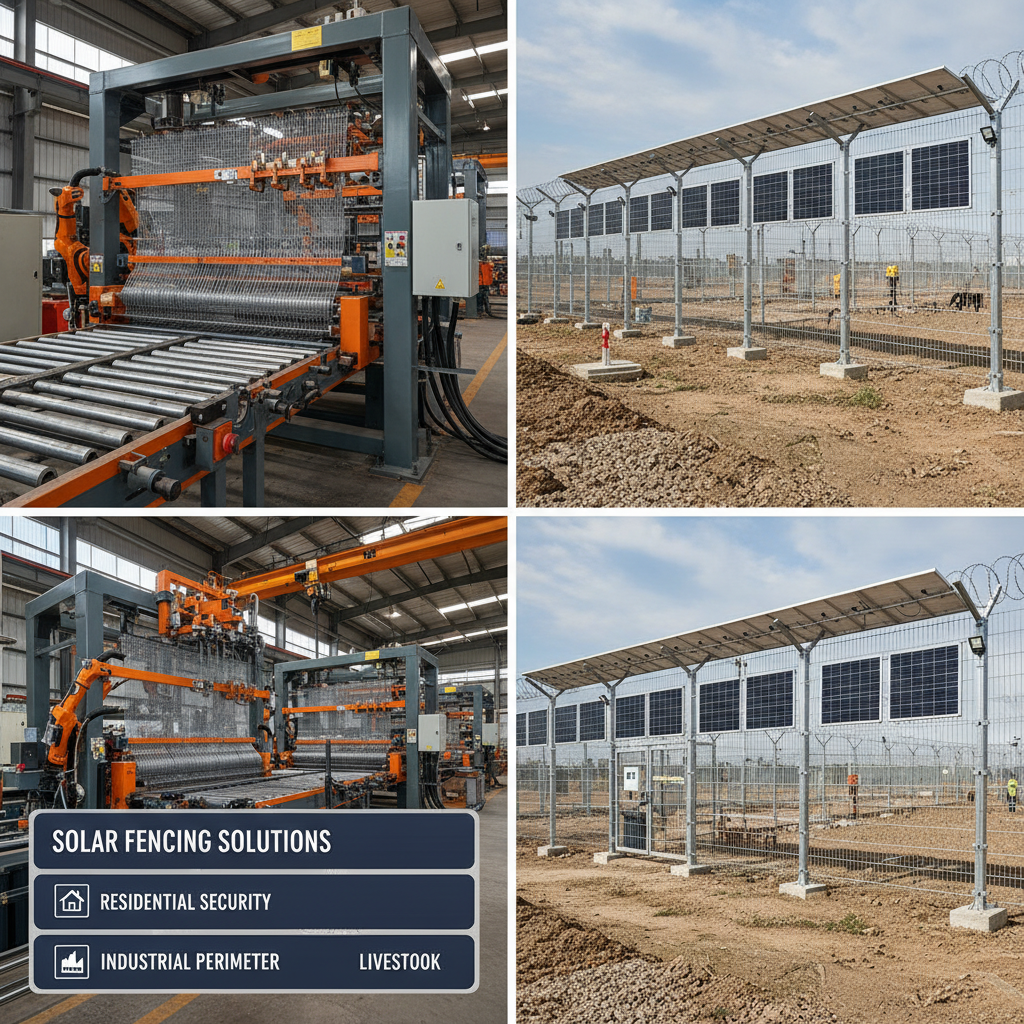
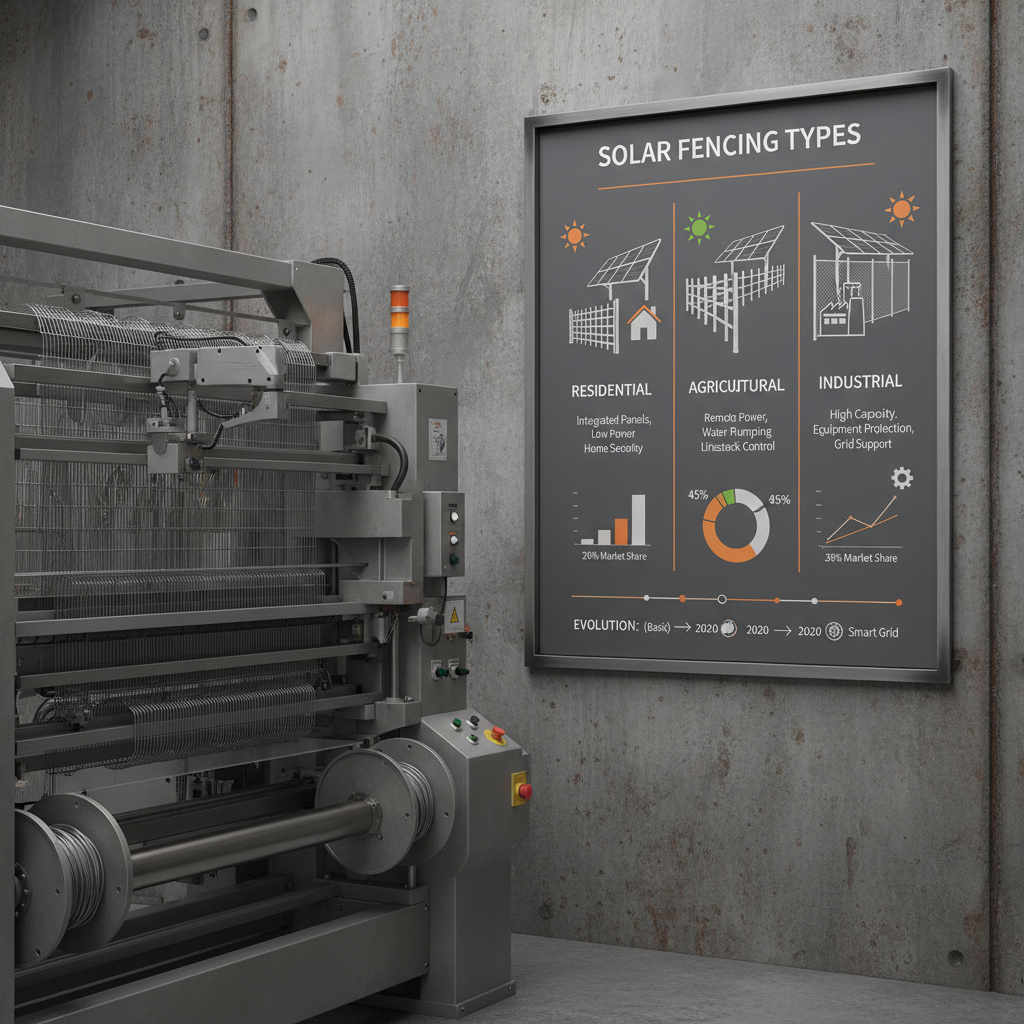
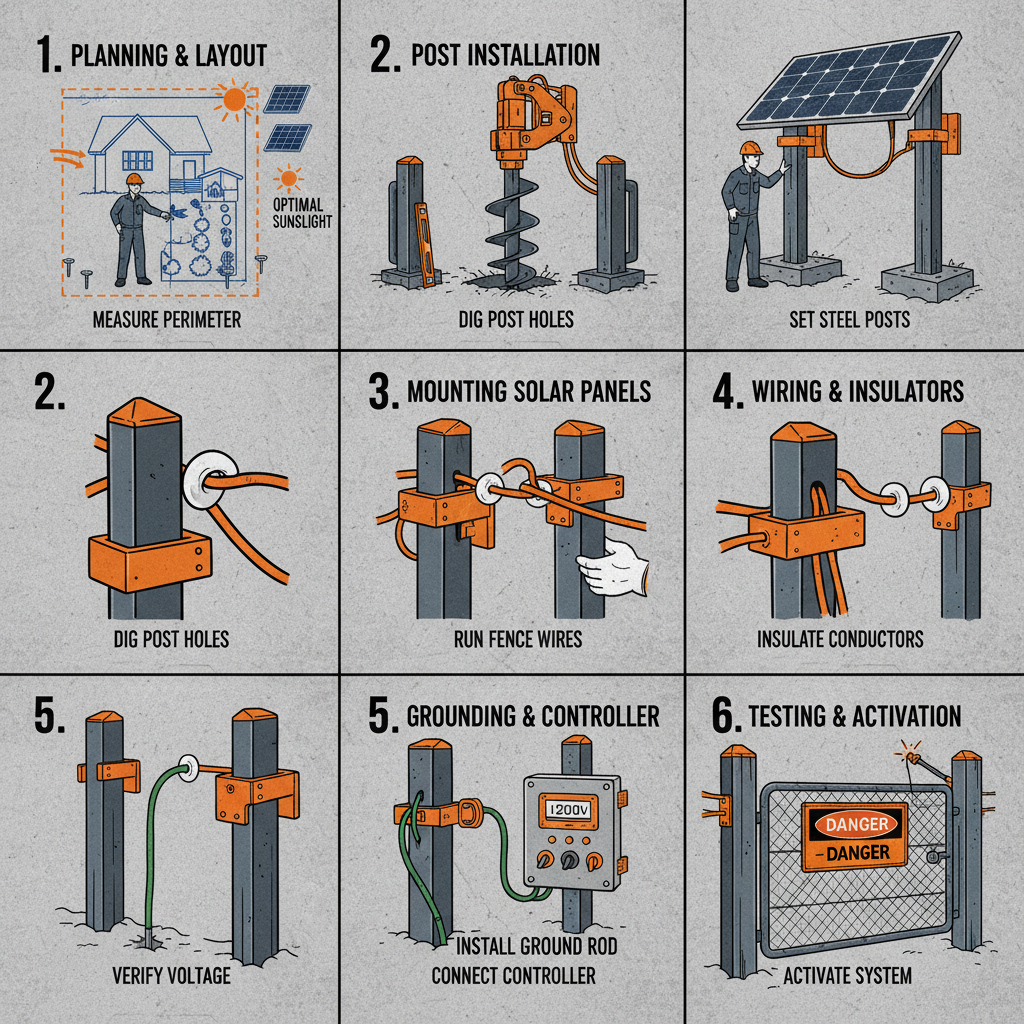
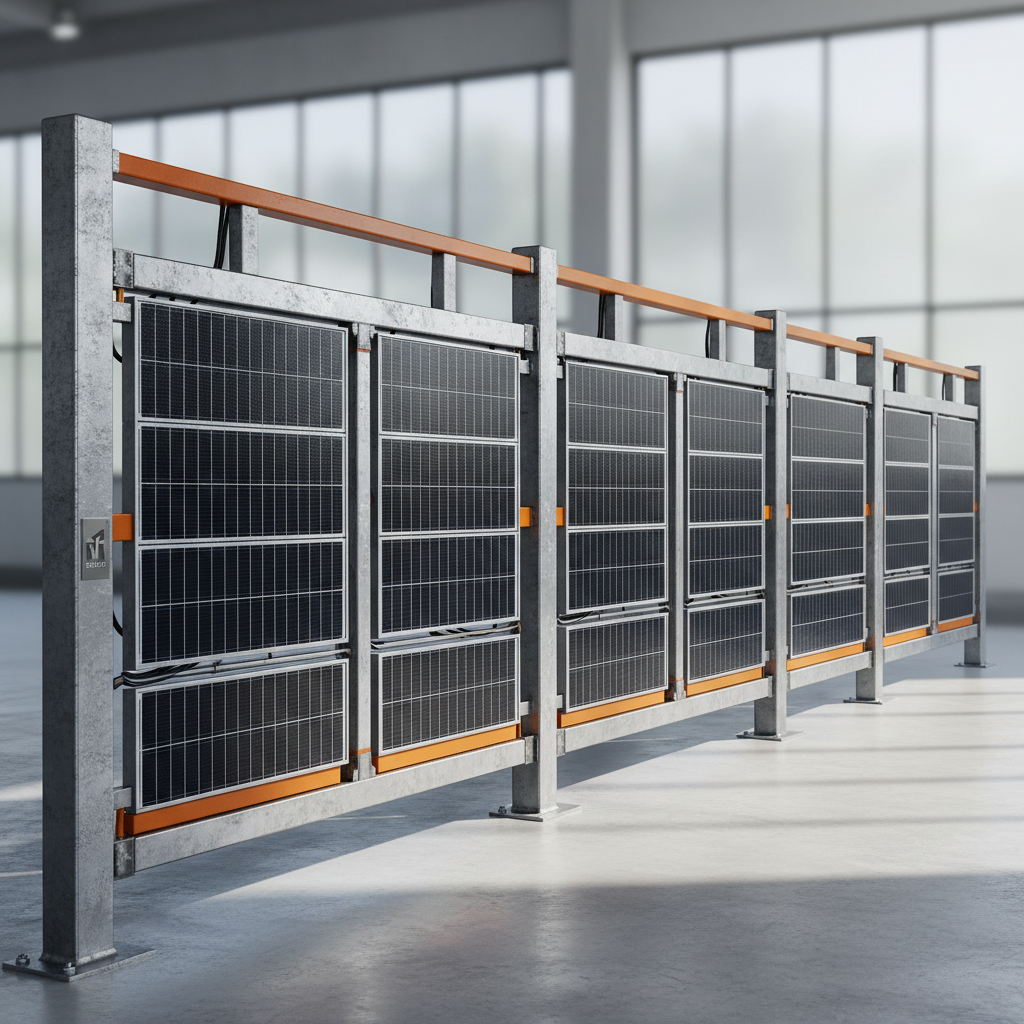
Integrating renewable energy into perimeter security has led to the emergence of various types of solar fencing, which combine traditional barrier functions with photovoltaic power generation. This innovation allows property owners to secure their boundaries while simultaneously harvesting clean energy, reducing reliance on the electrical grid and lowering long-term operational costs.
From a global perspective, the shift toward sustainable infrastructure is no longer optional but a necessity. Understanding the different types of solar fencing is crucial for industries ranging from large-scale agriculture to high-security industrial zones, as it enables the selection of a system that balances energy yield, security strength, and environmental impact.
Ultimately, these systems represent a convergence of metal fabrication expertise and green technology. By utilizing advanced materials like stainless steel and specialized conductive meshes, modern solar fencing provides a durable, self-sustaining solution that addresses both security challenges and the urgent need for carbon footprint reduction.
Global Industry Context of Solar Fencing
The global transition toward Net Zero emissions, supported by initiatives from the International Energy Agency (IEA) and ISO environmental standards, has pushed the construction industry to rethink perimeter security. Traditional fencing often requires expensive trenching for electrical wiring, especially in remote areas, creating a significant logistical and financial burden.
By exploring various types of solar fencing, industries are now solving the "last mile" power problem. Whether it is for livestock management in the Australian outback or securing solar farms in the Mojave Desert, these systems provide an autonomous power source that eliminates the need for external grid connectivity, ensuring that security sensors and electric deterrents remain active 24/7.
Defining the Mechanics of Solar Fencing
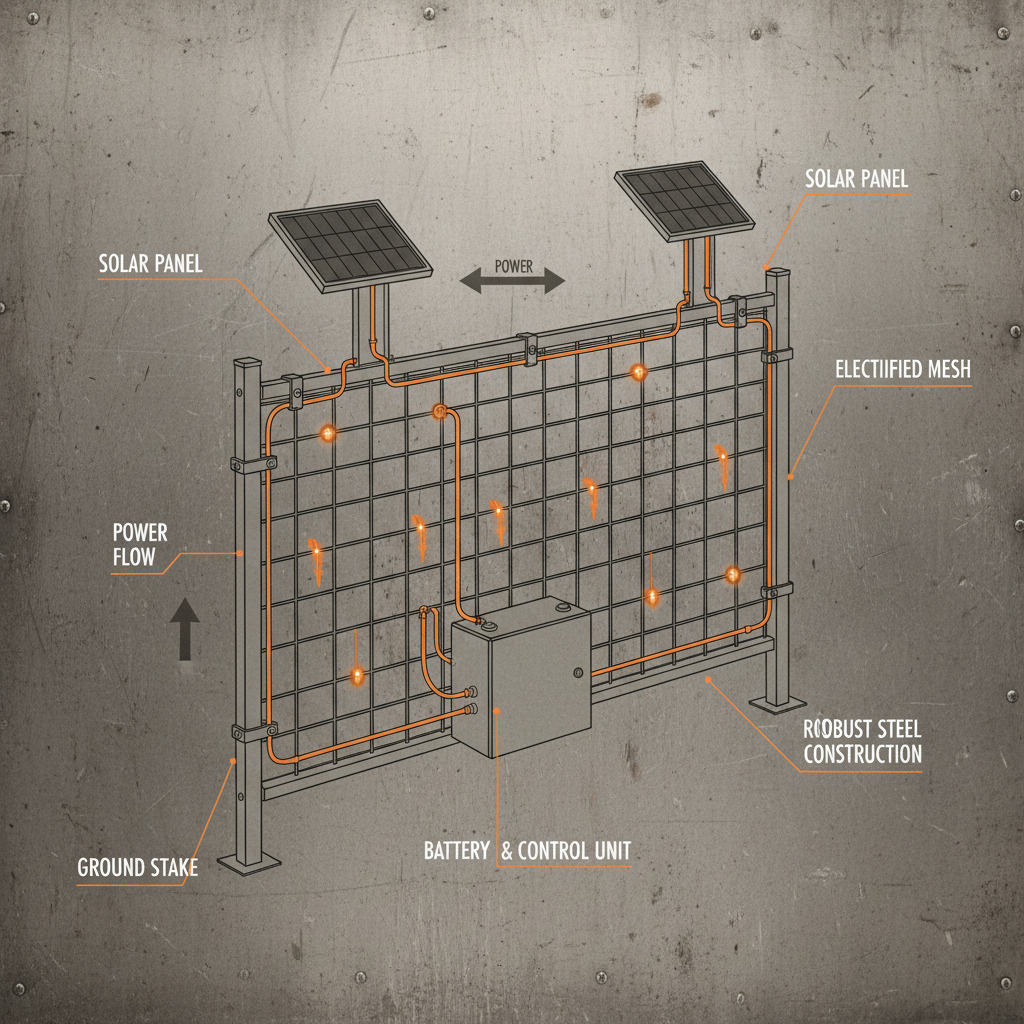
At its core, solar fencing refers to a security barrier system integrated with photovoltaic cells that convert sunlight into electricity. This energy is typically stored in deep-cycle batteries, which then power an energizer to deliver non-lethal but effective pulses through the fence wires, or support CCTV and lighting systems integrated into the mesh.
The connection to modern industry is profound; as we move toward "Smart Cities," the boundary between passive infrastructure and active energy generation blurs. Solar fencing is no longer just a wall but a functional power plant and a security asset, reflecting the broader industrial trend of multi-purpose material design.
Depending on the application, these systems can range from simple off-grid electric fences for agriculture to sophisticated architectural photovoltaic fences used in urban luxury developments. The variety in types of solar fencing allows users to customize the balance between aesthetic appeal, energy output, and deterrent strength.
Core Components for Maximum Efficiency
Durability is the primary factor when considering different types of solar fencing. Because these systems are exposed to harsh weathering, the use of high-grade stainless steel or galvanized coatings is essential to prevent corrosion and ensure a consistent electrical flow across the fence line.
Scalability is equally vital. A modular approach to types of solar fencing allows operators to expand their perimeter without redesigning the entire power circuit. This involves using standardized PV panels and battery banks that can be linked in parallel to increase total wattage as the protected area grows.
Cost efficiency is realized through the reduction of installation labor. By eliminating the need for underground cabling, the initial capital expenditure is offset by the rapid deployment speed and the total absence of monthly electricity bills for the fence's operation.
Global Applications and Real-World Use Cases
In remote industrial zones, such as mining sites in Africa or oil fields in the Middle East, types of solar fencing provide a critical layer of security where the grid is non-existent. These installations typically utilize heavy-duty metal mesh integrated with solar arrays to protect high-value equipment from unauthorized access and wildlife interference.
In agricultural contexts, specifically in Europe and North America, solar-powered electric fencing is the gold standard for sustainable livestock management. These systems allow farmers to rotate grazing areas efficiently without the manual labor of moving power lines, promoting soil health and animal welfare.
Performance Comparison of Types of Solar Fencing
Long-Term Value and Sustainability Benefits
The tangible benefits of investing in the right types of solar fencing extend beyond simple energy savings. By utilizing solar power, companies significantly reduce their carbon footprint, aligning their physical security infrastructure with corporate ESG (Environmental, Social, and Governance) goals.
From a psychological perspective, the deployment of green technology in perimeter security signals innovation and trust to stakeholders and the public. It demonstrates a commitment to sustainability without compromising on safety, providing a sense of reliability and forward-thinking management.
Future Innovations in Photovoltaic Barriers
The next generation of types of solar fencing is moving toward the integration of "transparent PV" and thin-film organic photovoltaics. This will allow decorative metal meshes to generate power without blocking views or altering the architectural aesthetics of high-end buildings, blending security and art seamlessly.
Furthermore, the digital transformation of fencing is bringing AI-driven energy management. Future systems will likely feature smart controllers that predict weather patterns and adjust battery charging cycles, ensuring that the fence maintains maximum voltage even during extended periods of low sunlight.
Automation in installation is also on the horizon. We expect to see prefabricated solar fencing modules that can be "clicked" into place, drastically reducing the time required for deployment in disaster-relief zones or rapidly expanding industrial parks.
Overcoming Implementation Challenges
Despite the advantages, common limitations include the initial cost of high-capacity batteries and the susceptibility of PV panels to dust and debris. In arid regions, "soiling" can reduce the energy yield of types of solar fencing by up to 30%, necessitating regular maintenance schedules.
To overcome this, experts recommend the use of hydrophobic coatings on panels and the integration of automated cleaning brushes. Additionally, hybrid systems that combine solar with a small wind turbine can ensure power stability in regions with highly seasonal sunlight.
Another challenge is the balance between energy generation and structural integrity. Using high-tensile stainless steel wire mesh allows the system to support the weight of solar panels without sagging, ensuring that the security boundary remains taut and effective over decades of use.
Comparative Analysis of Solar Fencing Implementation Models
| Fencing Type |
Primary Material |
Energy Autonomy |
Installation Complexity |
| Agricultural Electric |
Galvanized Steel |
High (100%) |
Low |
| Industrial PV Barrier |
Stainless Steel Mesh |
Medium-High |
Medium |
| Urban Decorative |
Architectural Alloy |
Medium |
High |
| High-Security Hybrid |
Reinforced Steel |
Very High |
High |
| Off-Grid Perimeter |
Coated Chain Link |
High |
Low |
| Modular Solar Guard |
Aluminum/Steel Mix |
High |
Very Low |
FAQS
For residential areas, the most common types are decorative photovoltaic meshes and low-voltage solar electric fences. These focus on aesthetic integration and safety, providing a discreet deterrent while powering garden lighting or small security cameras, making them ideal for urban boundaries.
Depending on the battery chemistry, deep-cycle lead-acid batteries last 3-5 years, while Lithium Iron Phosphate (LiFePO4) batteries can last 10 years or more. The lifespan depends heavily on the discharge depth and the quality of the solar charge controller used in the system.
Yes, provided the system is correctly sized. Professional installations calculate the "autonomy period"—the number of days the fence can run on battery power without any sun. By increasing battery capacity and using high-efficiency monocrystalline panels, types of solar fencing can remain operational throughout the winter.
Absolutely. Many users retrofit existing stainless steel or galvanized mesh by adding solar-powered energizers and mounting PV panels to the fence posts. This is a cost-effective way to upgrade security without replacing the entire physical structure.
Legal requirements vary by region. Most jurisdictions require warning signs at regular intervals and specify the maximum voltage levels allowed for different types of boundaries (e.g., residential vs. agricultural). Always check local zoning laws and safety standards (like IEC or UL) before installation.
The most important maintenance task is keeping the panels clean. Dust, bird droppings, and snow can significantly reduce efficiency. We recommend wiping the panels with a damp cloth every few months and checking all electrical connections for corrosion, especially in coastal environments.
Conclusion
The adoption of various types of solar fencing represents a strategic shift toward autonomous, sustainable security. By blending high-strength metal fabrication with photovoltaic technology, these systems eliminate the constraints of the electrical grid, reduce long-term operational costs, and contribute significantly to global carbon reduction targets. Whether applied in rugged industrial landscapes or refined urban settings, the synergy of energy generation and perimeter protection provides an unmatched level of resilience.
Looking forward, the integration of AI and next-generation materials will make solar fencing even more efficient and aesthetically versatile. For businesses and landowners, the transition to solar-powered security is an investment in both safety and sustainability. To explore the best materials for your security infrastructure, visit our website: www.qhfilter.com