0%

Table of Contents

The global shift toward decentralized energy production has brought the balcony pv system into the spotlight as a revolutionary solution for urban dwellers. As energy costs fluctuate and the climate crisis intensifies, individuals living in apartments—who traditionally lacked access to rooftop solar—now have a viable path toward energy independence. This technology transforms a simple outdoor space into a miniature power plant, allowing for the immediate consumption of clean electricity.

Integrating a balcony pv system is not merely about reducing electricity bills; it is a statement of sustainable living within a dense urban fabric. By utilizing plug-and-play solar modules, residents can bypass the complexities of large-scale industrial installations. This democratization of energy empowers the average citizen to contribute to the global reduction of carbon emissions while gaining a tangible hedge against rising utility prices.

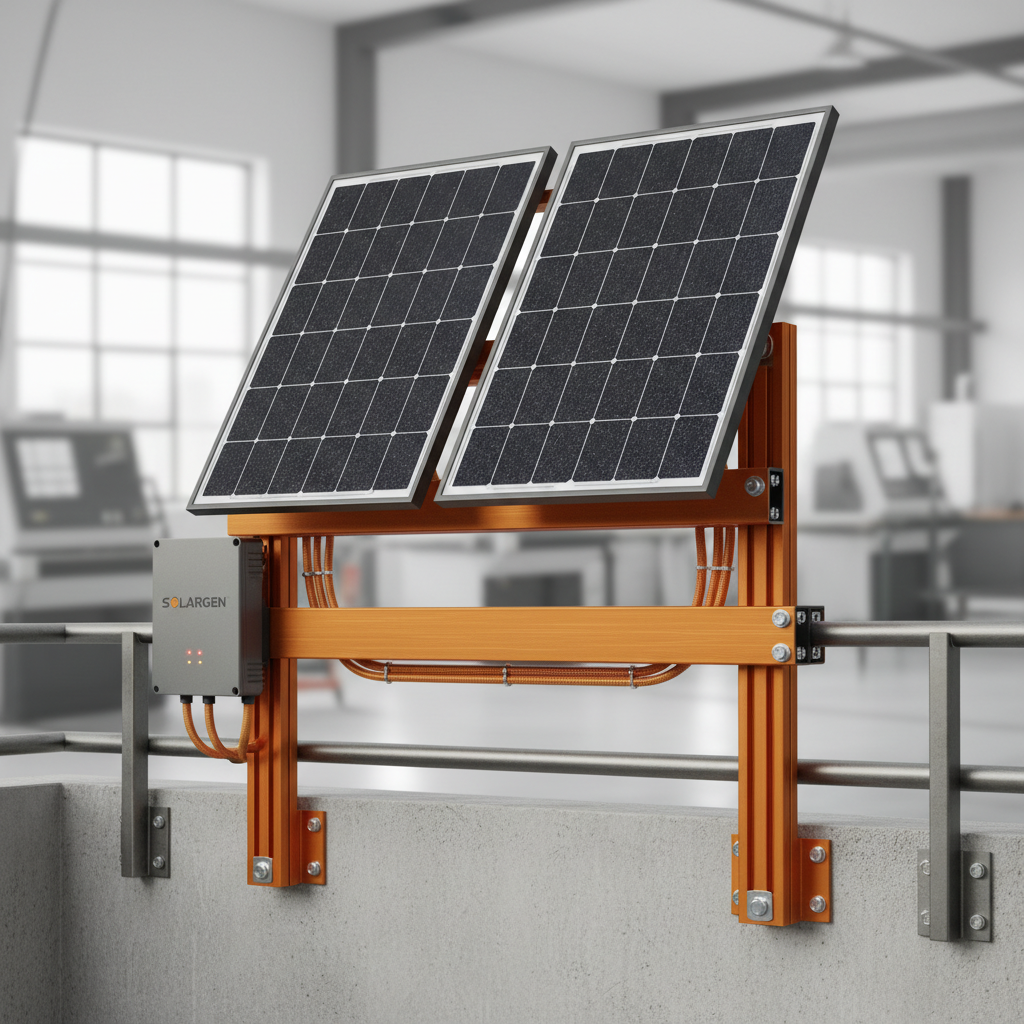
Understanding the technical nuances and the structural requirements of these systems is essential for maximizing efficiency. From the selection of high-performance photovoltaic cells to the integration of secure mounting brackets—often utilizing high-grade metal mesh or frames for stability—the balcony pv system represents the perfect intersection of industrial design and green technology.
Urban Energy Independence with a Balcony PV System Guide

The Global Relevance of Balcony PV Systems

Core Components for Maximum Efficiency

The foundation of any high-performing balcony pv system lies in its panel efficiency. Modern monocrystalline cells are preferred for their ability to convert a higher percentage of sunlight into electricity within a limited surface area, ensuring that even a small balcony can generate meaningful wattage.

Durability is ensured through advanced mounting hardware. The integration of metal filter mesh concepts and stainless steel deep processing allows for brackets that are corrosion-resistant and structurally sound. A balcony pv system must be able to withstand extreme weather, making the quality of the metal alloys used in the frame critical to long-term safety.

The final critical component is the micro-inverter, which converts the Direct Current (DC) from the panels into Alternating Current (AC) for home use. Intelligent inverters now include Wi-Fi monitoring, allowing users to track the real-time yield of their balcony pv system through smartphone apps, optimizing the angle of the panels based on seasonal data.

Practical Performance Metrics and Scalability

When evaluating a balcony pv system, users must look beyond the peak wattage. Real-world performance is dictated by "shading losses" and the angle of incidence. However, the scalability of these systems is their strongest suit; users can start with a single 300W panel and expand to a multi-panel array as their budget and space allow.

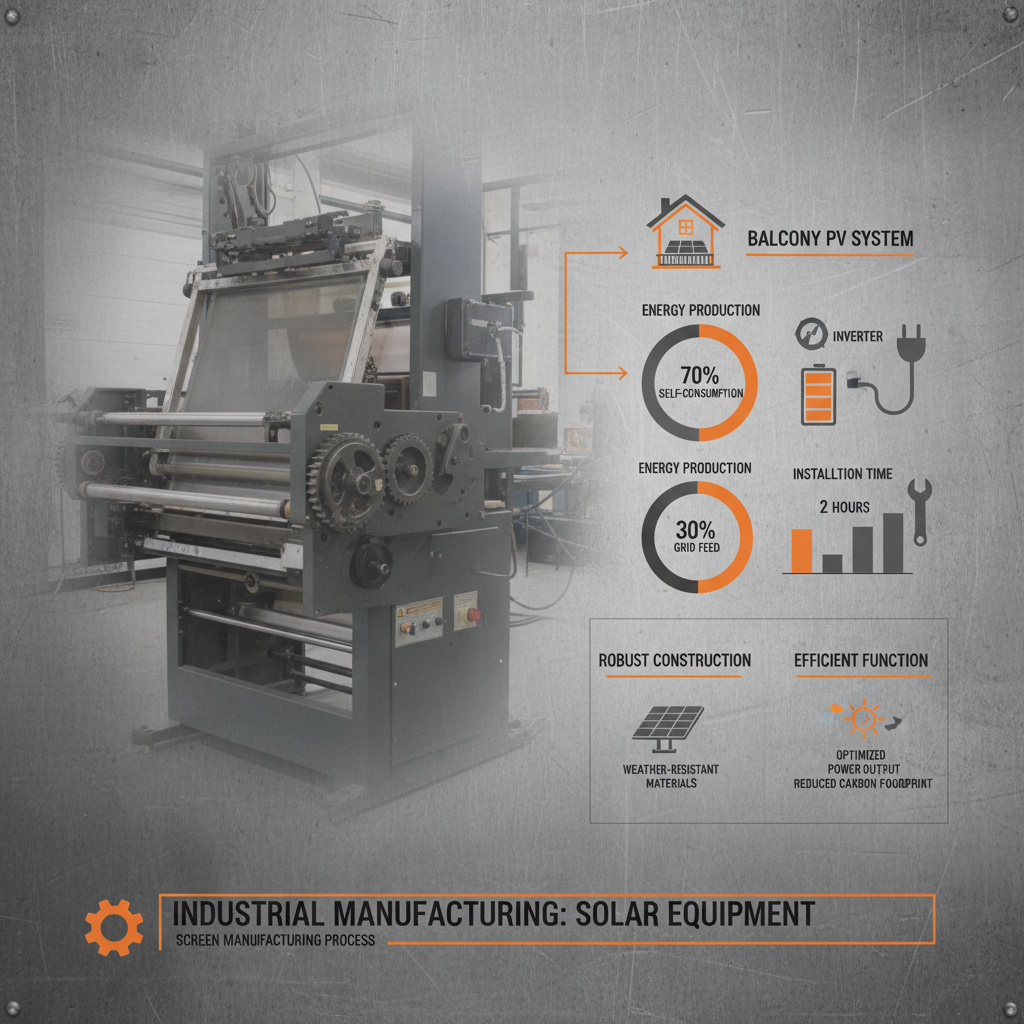
The integration of energy storage, such as small-scale lithium batteries, further enhances the utility of the system. Instead of feeding excess energy back into the grid for a negligible credit, users can store the power for evening use, significantly increasing the self-consumption rate of their balcony pv system.

Efficiency Ratings of Various Balcony PV System Configurations


Long-Term Economic and Environmental Value

The economic value of a balcony pv system is realized through the "cumulative saving" effect. While the initial investment might take 3 to 6 years to break even, the subsequent 20 years of virtually free energy provide a significant return on investment. Moreover, the increase in property value for "energy-ready" apartments is becoming a trend in the real estate market.

Environmentally, the shift is profound. By reducing the demand on the grid during peak daylight hours, these systems decrease the need for "peaker plants," which are often the most polluting power sources. The collective impact of thousands of small balcony pv system units is equivalent to a medium-sized solar farm, but without the land-use conflicts.

Psychologically, owning a solar system fosters a deeper connection to energy consumption. Users become more mindful of their electricity usage, leading to a secondary benefit: a general reduction in waste. This cultural shift toward "prosumerism" (being both a producer and consumer) is the ultimate long-term social value of the technology.

Future Innovations in Solar Integration

The next generation of the balcony pv system will likely feature Perovskite solar cells, which offer higher efficiency and the ability to be printed on flexible substrates. This means solar "curtains" or "skins" that can wrap around the balcony railing, maximizing the surface area for energy capture without blocking the view.

Digital transformation is also playing a role through AI-driven energy management. Future systems will automatically communicate with smart home devices, directing the energy from the balcony pv system to the appliance that needs it most, such as a dishwasher or an EV charger, based on real-time electricity pricing.

Furthermore, the integration of advanced metal decorative mesh—serving as both a security barrier and a heat sink for the panels—will improve thermal management. By keeping the PV cells cool, these industrial metal solutions can prevent the efficiency drops typically associated with high summer temperatures.

Comparative Analysis of Balcony PV System Material and Technical Specs

System Tier Frame Material Conversion Efficiency Durability Score (1-10)
Entry-Level Kit Powder-coated Steel 15-18% 6
Standard Home Anodized Aluminum 19-22% 8
Premium Eco 316 Stainless Steel 22-24% 10
Urban Compact Reinforced Polymer/Alloy 17-20% 7
Industrial Grade Galvanized Steel Mesh 20-23% 9
Future-Flex Carbon Fiber Composite 25%+ 9

FAQS

Is a balcony pv system legal for renters?

In most regions, yes, because they are considered "plug-and-play" devices rather than permanent structural changes. However, it is always recommended to check your rental agreement or notify your landlord. Since these systems use non-permanent mounting brackets, they can be removed without leaving a trace, which usually satisfies most building regulations.

How much electricity can a typical balcony pv system produce?

A standard setup with two 400W panels can produce between 400 and 800 kWh per year, depending on your location and sunlight exposure. This is often enough to cover the "base load" of an apartment, such as the refrigerator, router, and standby power for electronics, leading to a noticeable drop in monthly utility costs.

What happens to the energy on cloudy days?

While production drops during overcast weather, modern monocrystalline panels can still capture diffuse light to generate some power. If your system includes a battery storage unit, you can use the energy stored from previous sunny days. Otherwise, the system simply draws more power from the grid automatically without any interruption to your appliances.

How do I maintain the panels on a high-rise balcony?

Maintenance is minimal. Periodically cleaning the surface of the panels with water and a soft cloth to remove dust and pollen is sufficient to maintain peak efficiency. Because high-quality frames use corrosion-resistant metals, you rarely need to treat the structure, though checking the tightness of the mounting bolts once a year is a good safety practice.

Will the panels block my balcony view or light?

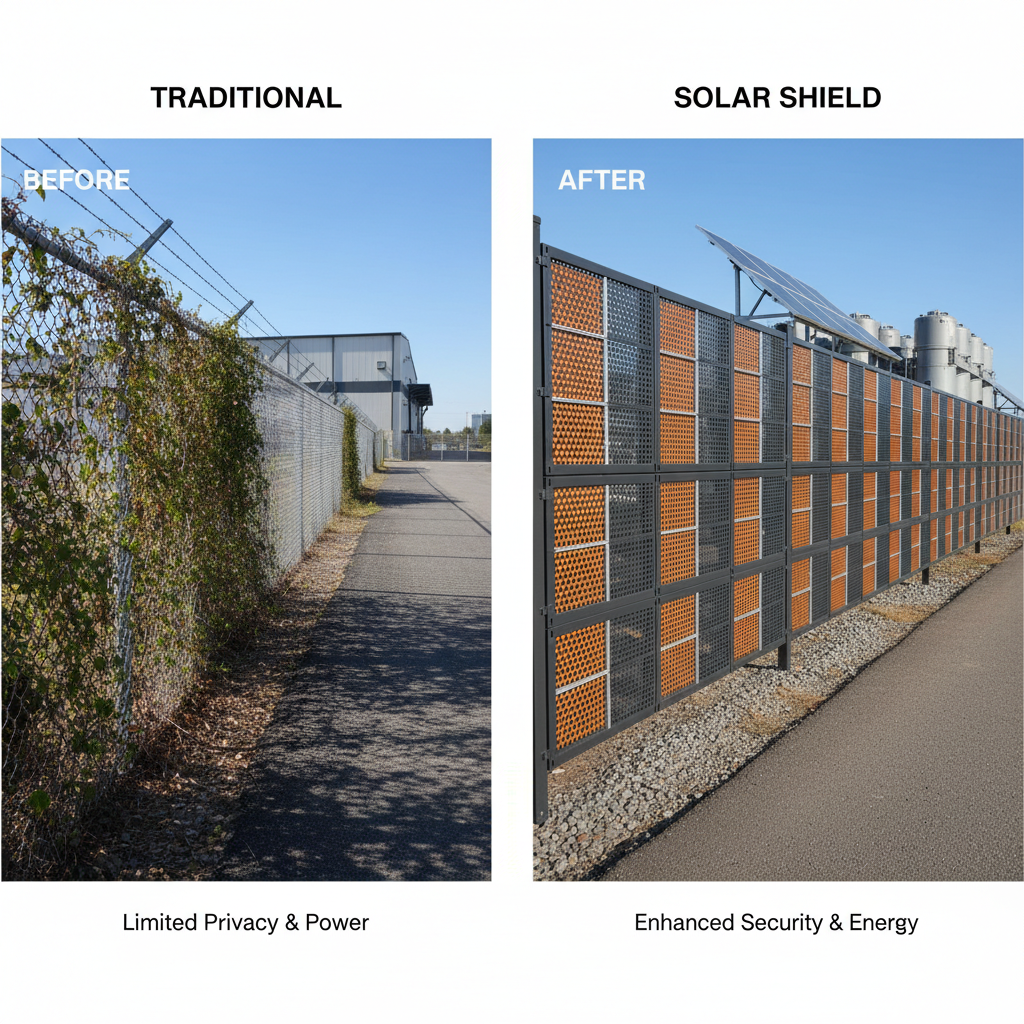
Depending on the mounting angle, panels can actually serve as a useful privacy screen or a sunshade during the hottest parts of the day. By choosing semi-transparent cells or arranging the panels along the railing, you can maximize energy capture while maintaining a balance between sunlight and shade for your outdoor living space.

David Miller

David Miller

David Miller is the Lead Process Engineer at QunHui Metal, boasting over 15 years of experience in wire mesh fabrication and metalworking. He's instrumental in optimizing our production processes for stainless steel mesh baskets and filters, consistently ensuring high precision and durability. David holds a Bachelor’s degree in Mechanical Engineering
Previous Premium Metal Balcony PV Solutions
Next Sustainable Urban Energy with a Balcony Power Station Guide
Free Consultation
Helping You Find The Best Solution With Ease!
If you have any questions or needs, please feel free to contact us, we will serve you wholeheartedly.

Get A Free Consultation

phone
email
bottomIcon3
rIcon11 rIcon11 email1 up

If you are interested in our products, you can choose to leave your information here, and we will be in touch with you shortly.