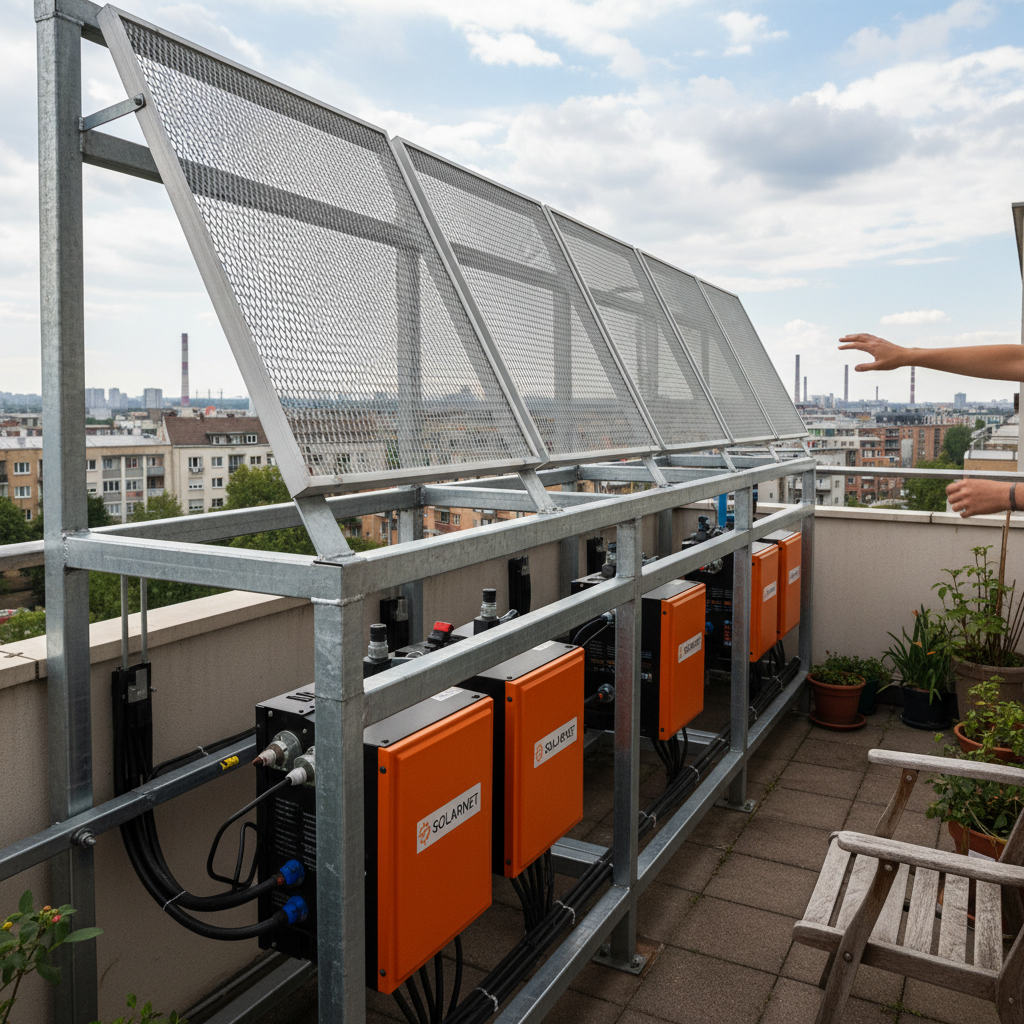
The global shift toward decentralized energy production has brought the balcony power station into the spotlight as a viable solution for urban dwellers. By utilizing small-scale photovoltaic panels mounted on balcony railings, residents can generate their own electricity without the need for extensive roof installations or complex structural renovations. This democratization of energy allows individuals to reduce their carbon footprint and hedge against rising utility costs from the comfort of their own homes.
Beyond simple electricity generation, the adoption of a balcony power station represents a significant step toward sustainable urban living. As cities become more densely populated, the ability to harness vertical spaces for solar energy becomes crucial. These systems integrate seamlessly into the modern architectural landscape, transforming passive living spaces into active energy hubs that contribute to the overall resilience of the municipal power grid.
Understanding the technical nuances, from inverter efficiency to the durability of mounting frames, is essential for maximizing the return on investment. Whether you are a renter looking for a portable energy solution or a homeowner aiming for partial energy independence, the balcony power station offers a scalable and accessible entry point into the world of renewable energy and smart home integration.
On a global scale, the push for carbon neutrality has accelerated the adoption of micro-generation technologies. Data from international energy agencies suggests that urban areas currently account for over 70% of global CO2 emissions, creating an urgent need for localized energy solutions. The balcony power station addresses this by allowing apartment residents—who typically have no access to roof space—to participate in the green energy transition.
In regions like Europe, legislative shifts have made "plug-and-play" solar systems more accessible, reducing the bureaucratic hurdles associated with grid connection. This trend reflects a broader movement toward energy autonomy, where the goal is not necessarily total independence, but a significant reduction in reliance on centralized, fossil-fuel-dependent power plants.
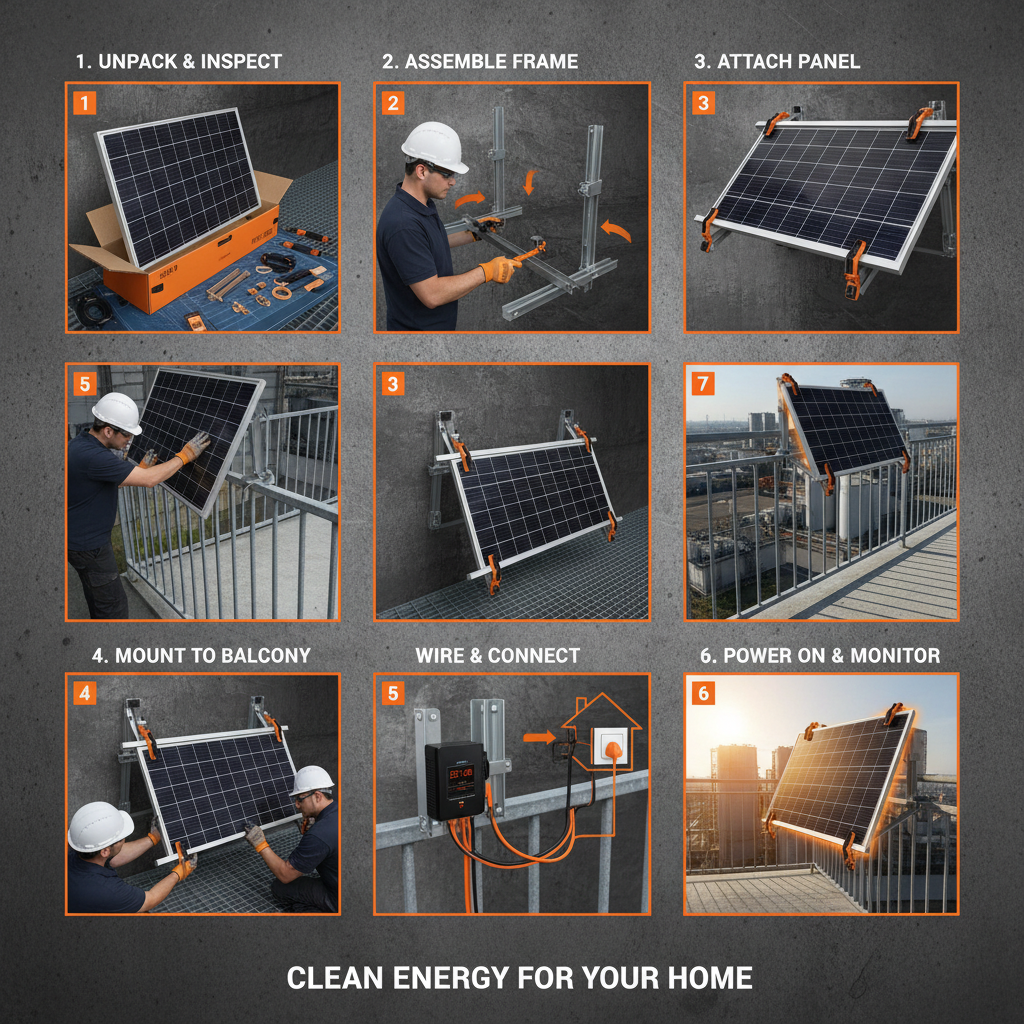
In simple terms, a balcony power station is a compact, modular photovoltaic system designed to be installed on a balcony or terrace. Unlike traditional rooftop arrays that require professional installation and extensive wiring, these systems are designed for "plug-and-play" simplicity, often connecting directly to a standard household socket to feed electricity into the home's internal circuit.
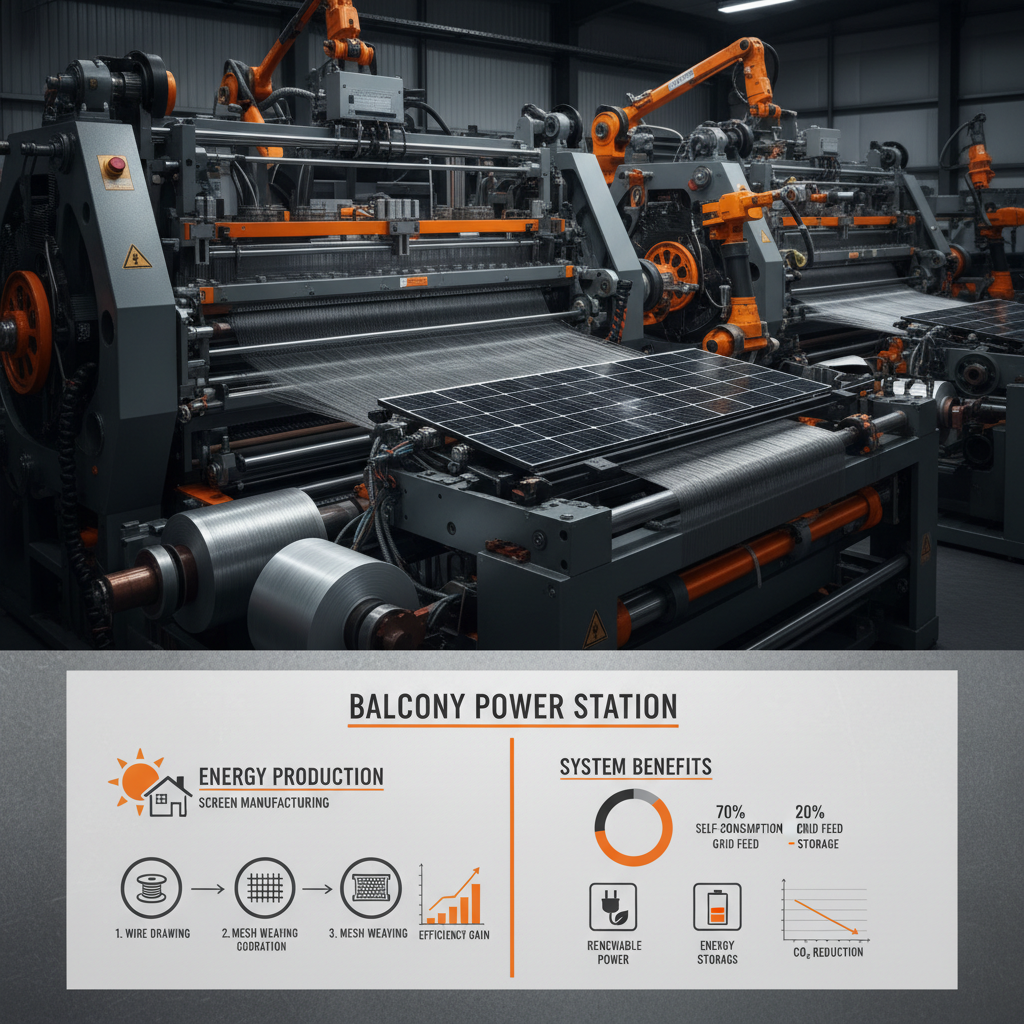
From an industrial perspective, these stations are a convergence of high-efficiency silicon cell technology and advanced micro-inverters. They bridge the gap between consumer electronics and industrial power generation, making the complex process of converting DC solar energy into AC household current accessible to the average consumer without requiring an electrical engineering degree.
This technology is particularly relevant for humanitarian needs in densely populated urban slums or transitional housing, where traditional infrastructure is lacking. By providing a reliable, low-maintenance source of power for basic lighting and communication devices, the balcony power station serves as a tool for both environmental sustainability and social empowerment.
A critical component is the micro-inverter, which converts the Direct Current (DC) from the panels into Alternating Current (AC). High-quality inverters ensure minimal energy loss and incorporate safety features that automatically disconnect the system if the grid fails, preventing dangerous back-feeding of electricity.
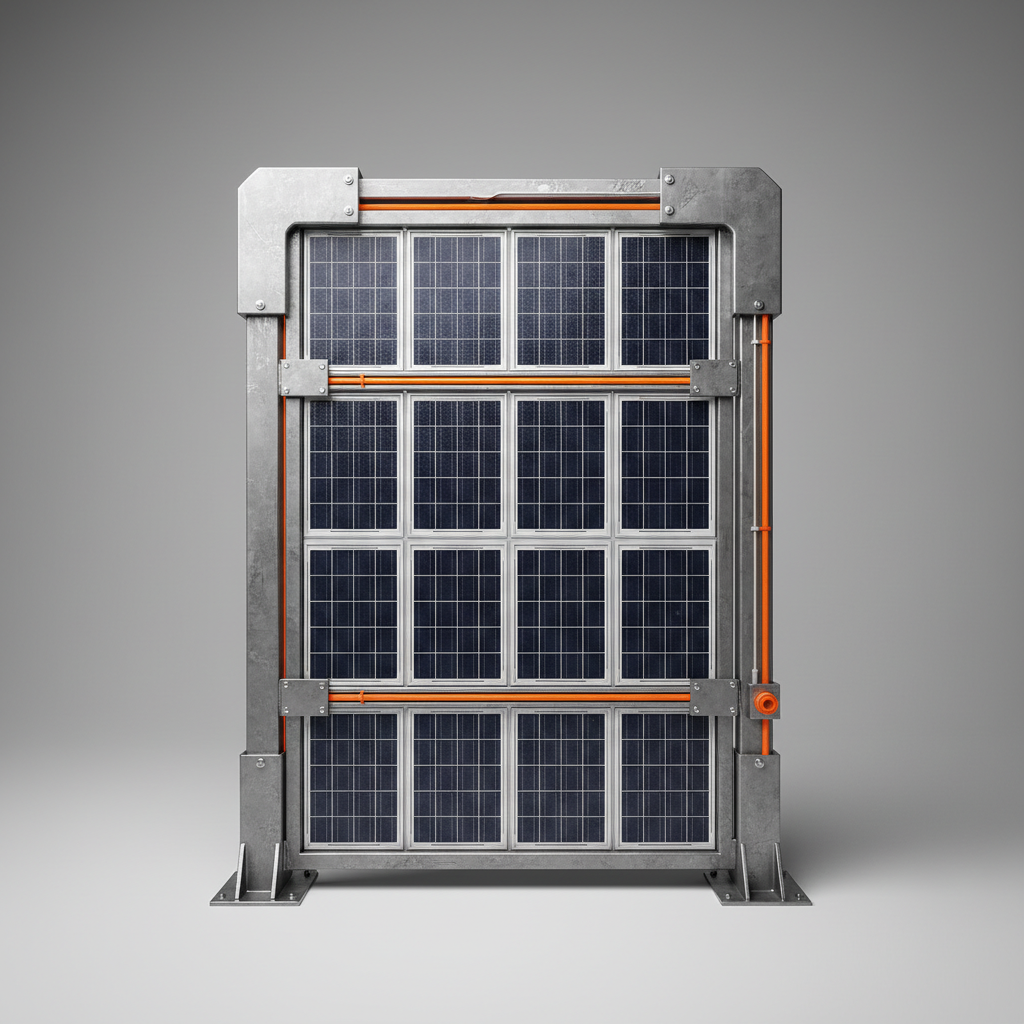
Durability and scalability are the final pillars of a successful system. Because these units are exposed to the elements, the use of corrosion-resistant materials—such as anodized aluminum frames or stainless steel mounting brackets—is essential to ensure a lifespan of 20 years or more in varying climatic conditions.
In real-world contexts, the balcony power station is being deployed across diverse urban landscapes. In high-density cities like Berlin or Tokyo, residents use these systems to power "always-on" appliances such as routers, smart home hubs, and refrigerators, effectively lowering their base electricity load and reducing monthly bills.
Beyond residential use, some small-scale urban businesses are utilizing these systems to power outdoor signage or security cameras. In remote industrial zones where temporary housing is provided for workers, these portable stations offer a rapid-deployment energy solution that eliminates the need for expensive trenching and cabling.
Emotionally, the transition to solar energy provides users with a sense of agency and psychological security. Knowing that a portion of one's daily energy needs is met by a sustainable source fosters a deeper connection to environmental stewardship. It transforms the act of energy consumption from a passive monthly expense into an active commitment to a cleaner, more innovative future.
Looking forward, the integration of energy storage is the most significant trend affecting the balcony power station market. The addition of small-scale lithium-iron-phosphate (LiFePO4) batteries allows users to store excess energy generated during the day for use at night, moving the system from simple grid-feeding to a more comprehensive energy management tool.
Digital transformation is also playing a key role, with the emergence of AI-driven monitoring apps. These platforms allow users to track their production in real-time, optimize panel angles based on seasonal solar trajectories, and even trade excess energy with neighbors through peer-to-peer (P2P) energy markets enabled by blockchain technology.
Furthermore, advancements in material science are leading to the development of flexible, transparent solar films. In the future, the "panels" of a balcony power station may be integrated directly into the glass of balcony railings or window panes, making the energy generation completely invisible while maintaining high efficiency.
Despite the advantages, several challenges persist, primarily regarding local zoning laws and building regulations. In many cities, the installation of a balcony power station can be hindered by strict aesthetic codes or safety concerns regarding panel detachment during high winds. This necessitates the use of certified, wind-tested mounting hardware.
Another limitation is the intermittent nature of solar energy. To overcome this, experts suggest a hybrid approach, combining solar generation with smart energy-saving appliances that activate only when production is high. This "load shifting" ensures that the energy produced is used most effectively without requiring massive battery banks.
Finally, education remains a barrier. Many consumers are unaware of the ease of installation or the actual payback period. By providing transparent data on kilowatt-hour production and simplified installation guides, the industry can accelerate the transition from niche adoption to mainstream urban standard.
| Variable Factor | Impact on Yield | Installation Complexity | Cost-Benefit Ratio |
|---|---|---|---|
| Sun Exposure (Hours) | Critical (High) | Low | High |
| Panel Efficiency (%) | Moderate | Low | Moderate |
| Battery Integration | High (Night Use) | Moderate | Medium-Term |
| Mounting Material | Low | Moderate | Low (Safety focused) |
| Micro-Inverter Quality | Moderate | Low | High (Reliability) |
| Local Policy/Subsidies | None | High (Admin) | Very High |
In most jurisdictions, yes, provided the installation is non-permanent and does not alter the building's facade. Since these systems are typically "plug-and-play" and use clamped mounting brackets, they can be removed without leaving damage, making them ideal for rental properties. However, it is always recommended to check your lease agreement or notify your landlord to ensure compliance with building safety codes.
Savings vary based on sunlight exposure and local electricity rates. On average, a well-positioned balcony power station can cover the "base load" of a small apartment (router, standby electronics), saving between 50 to 200 EUR/USD annually. The primary value is not just the immediate cash saving, but the long-term hedge against rising energy prices over the 20-year lifespan of the panels.
Without a battery, the excess energy is fed back into the public utility grid. Depending on your local regulations and utility contract, you might receive a small credit for this energy, or it may simply be contributed to the grid for free. If you wish to use that energy later, adding a portable power station or a dedicated solar battery is the best solution.
Safety depends entirely on the mounting system. Professional-grade brackets designed for balcony power stations are engineered to withstand significant wind loads. It is crucial to use locking mechanisms and avoid using simple zip-ties or ropes. Regular inspections of the mounting bolts are recommended twice a year to ensure the structure remains secure.
For basic plug-and-play systems that connect to a standard Schuko or US outlet, a professional electrician is generally not required for the physical installation. However, for larger systems or those integrating into the main fuse box, a certified electrician is necessary to ensure the wiring meets local safety standards and to avoid potential fire hazards.
Yes, photovoltaic panels still generate electricity in cloudy weather, although the yield is significantly reduced. Modern monocrystalline cells are better at capturing diffused light than older technologies. While you won't see peak performance during a storm, the system will still contribute a baseline of energy throughout the day.
As technology continues to evolve with the integration of smarter storage and flexible materials, we expect these systems to become a standard feature of urban architecture. For those looking to begin their journey toward sustainability, the balcony power station offers a low-risk, high-reward entry point. To learn more about sustainable industrial materials and energy solutions, visit our website: www.qhfilter.com.

If you are interested in our products, you can choose to leave your information here, and we will be in touch with you shortly.