The global shift toward decentralized energy production has brought the apartment balcony solar panel into the spotlight as a viable solution for urban dwellers. As cities become more densely populated, the traditional rooftop installation is often unavailable to those living in multi-story residential complexes, creating a gap in the democratization of green energy. By utilizing the limited space of a balcony, residents can now take an active role in reducing their carbon footprint and energy expenditures.
Integrating solar technology into residential balconies is more than just a trend; it is a response to the increasing volatility of global energy markets and the urgent need for sustainable living. According to reports from the International Energy Agency (IEA), urban energy efficiency is critical to meeting net-zero targets, and small-scale photovoltaic systems provide a scalable way to introduce renewable energy into the concrete heart of our cities. This transition allows individuals to bypass the complexities of large-scale grid installations.
However, the implementation of an apartment balcony solar panel requires a nuanced understanding of structural safety, energy conversion efficiency, and local regulations. From the selection of high-grade mounting materials—similar to the precision used in metal decorative mesh—to the choice of inverter technology, every detail counts. This guide explores how these systems function and why they are becoming a cornerstone of modern, eco-conscious apartment living.
Global Relevance of Balcony Photovoltaics
Across Europe and Asia, the adoption of the apartment balcony solar panel has surged as governments introduce "plug-and-play" regulations. This shift is driven by the realization that urban centers, which consume the vast majority of electricity, must also become producers. By converting inactive balcony spaces into mini-power plants, cities can reduce the strain on aging electrical grids during peak summer hours.
Moreover, the movement aligns with global sustainability goals, such as the UN Sustainable Development Goal 7 (Affordable and Clean Energy). The ability to install these systems without needing ownership of the entire building's roof empowers renters and condominium owners alike, fostering a culture of environmental responsibility and energy independence in the most crowded regions of the world.
Defining the Apartment Balcony Solar Panel System
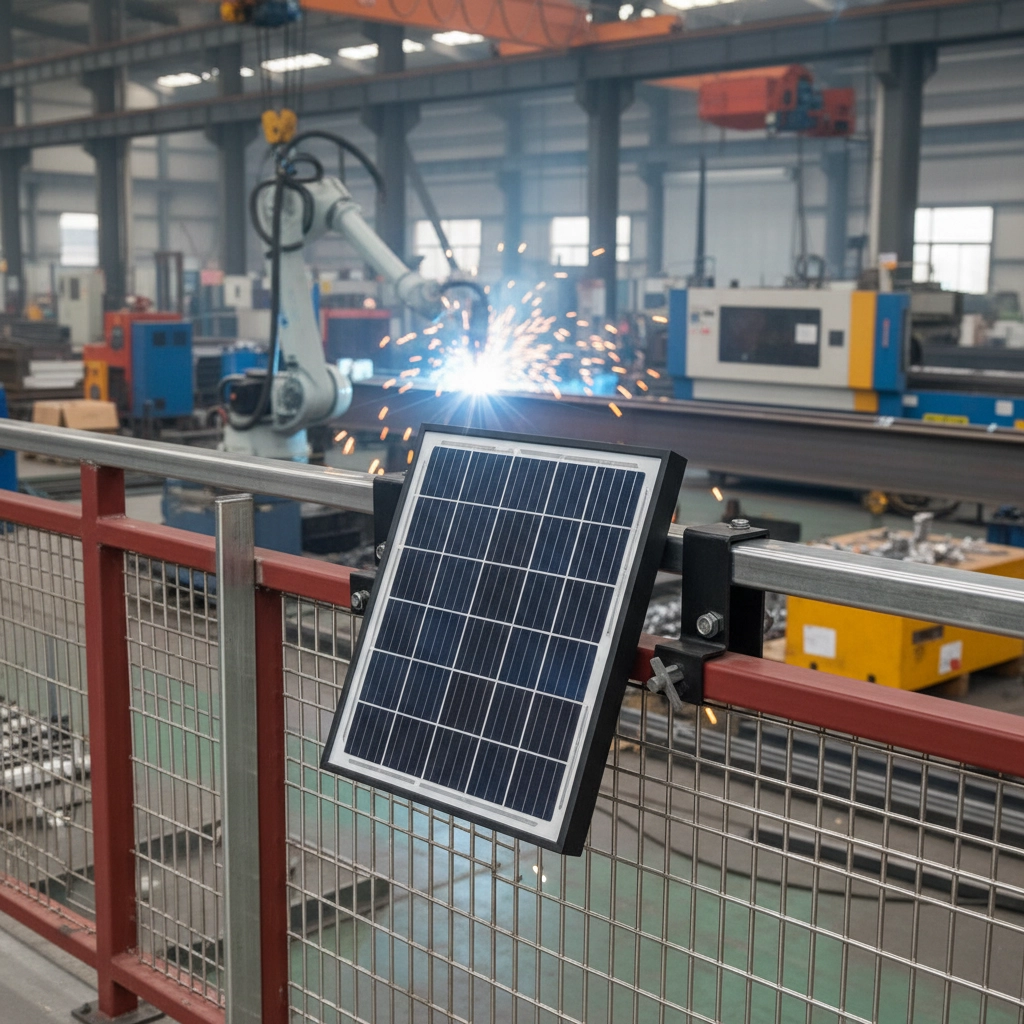
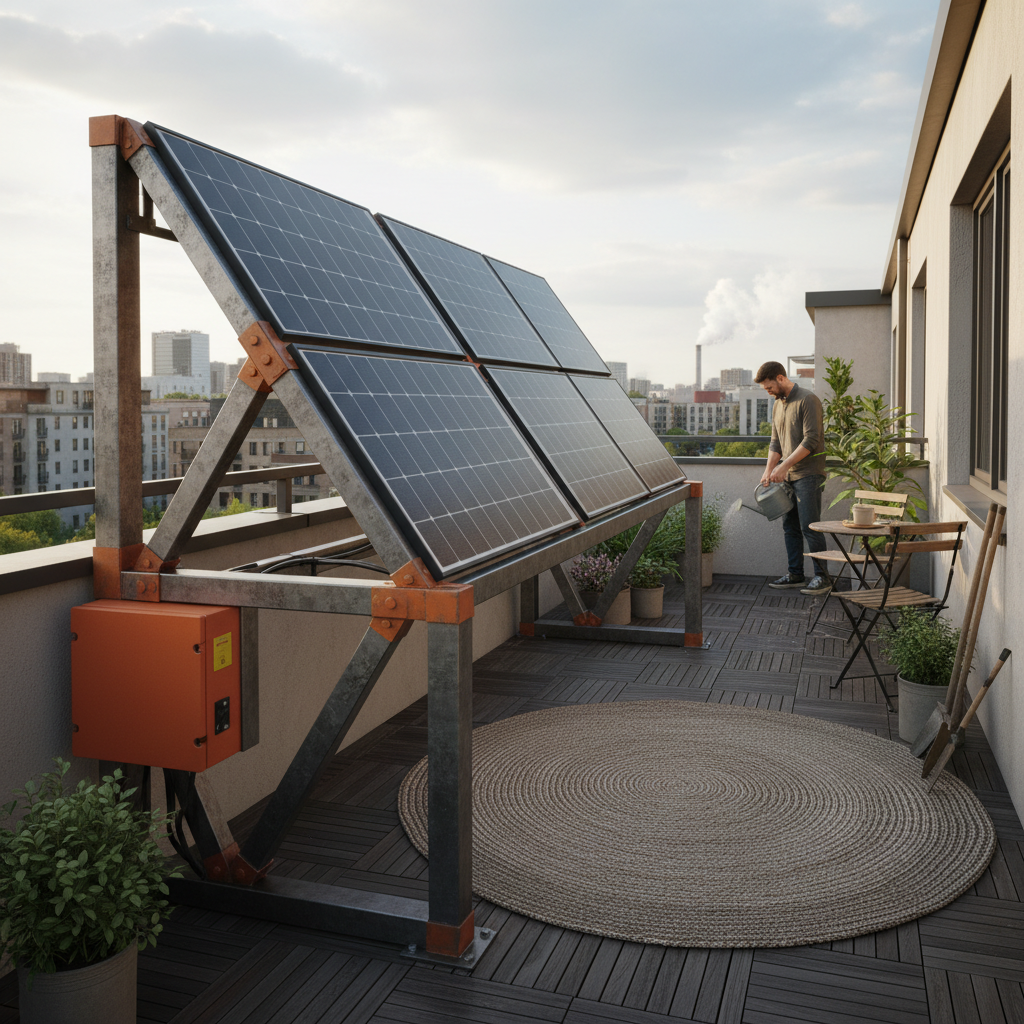
An apartment balcony solar panel is a compact photovoltaic (PV) installation specifically designed to be mounted on the railings or walls of a balcony. Unlike traditional roof-mounted arrays, these systems are typically modular, featuring one to three panels connected to a micro-inverter that converts the DC power generated by the sun into AC power compatible with standard home outlets.
From an industrial perspective, these systems represent a convergence of materials science and electrical engineering. The mounting hardware often utilizes deep-processed stainless steel or aluminum—similar to the durability found in stainless steel wire mesh—to ensure that the panels can withstand wind loads and corrosion in diverse urban environments.
Beyond the hardware, these systems are designed for "low-friction" adoption. The goal is to provide a humanitarian and economic bridge for those who are "energy poor" or living in rented spaces, allowing them to lower their monthly utility bills without requiring permanent structural modifications to the building.
Core Components and Engineering Factors
The efficiency of an apartment balcony solar panel depends heavily on the quality of its photovoltaic cells. Most modern systems use monocrystalline silicon, which offers the highest efficiency per square inch, a critical factor when the available surface area on a balcony is extremely limited.
Durability and safety are paramount; therefore, the integration of high-strength mounting brackets is essential. Much like the precision engineering found in metal filter mesh, these brackets must be meticulously fabricated to prevent vibration and ensure a secure grip on the balcony railing, preventing any risk of the panel falling during extreme weather events.
Finally, the micro-inverter serves as the "brain" of the system. It manages the Maximum Power Point Tracking (MPPT) to ensure the apartment balcony solar panel produces the maximum possible energy even when partially shaded by neighboring buildings—a common challenge in dense urban corridors.
Performance Metrics and Efficiency Analysis
When evaluating the performance of an apartment balcony solar panel, we look at the conversion rate and the daily energy yield. While a typical panel might have a rated capacity of 300W-400W, the actual output is influenced by the angle of incidence and the amount of direct sunlight reaching the balcony.
Comparing different installation methods reveals that tilted mounts outperform flat mounts significantly, especially in winter months when the sun is lower in the sky. The following data illustrates the relative efficiency and user satisfaction across various setup types.
Comparative Efficiency of Apartment Balcony Solar Panel Setups
Real-World Applications and Urban Use Cases
In cities like Berlin and Vienna, the apartment balcony solar panel has become a common sight. These residents often use the energy to power base-load appliances such as refrigerators, routers, and smart home hubs, effectively reducing their daily "phantom" energy load and lowering their monthly bills.
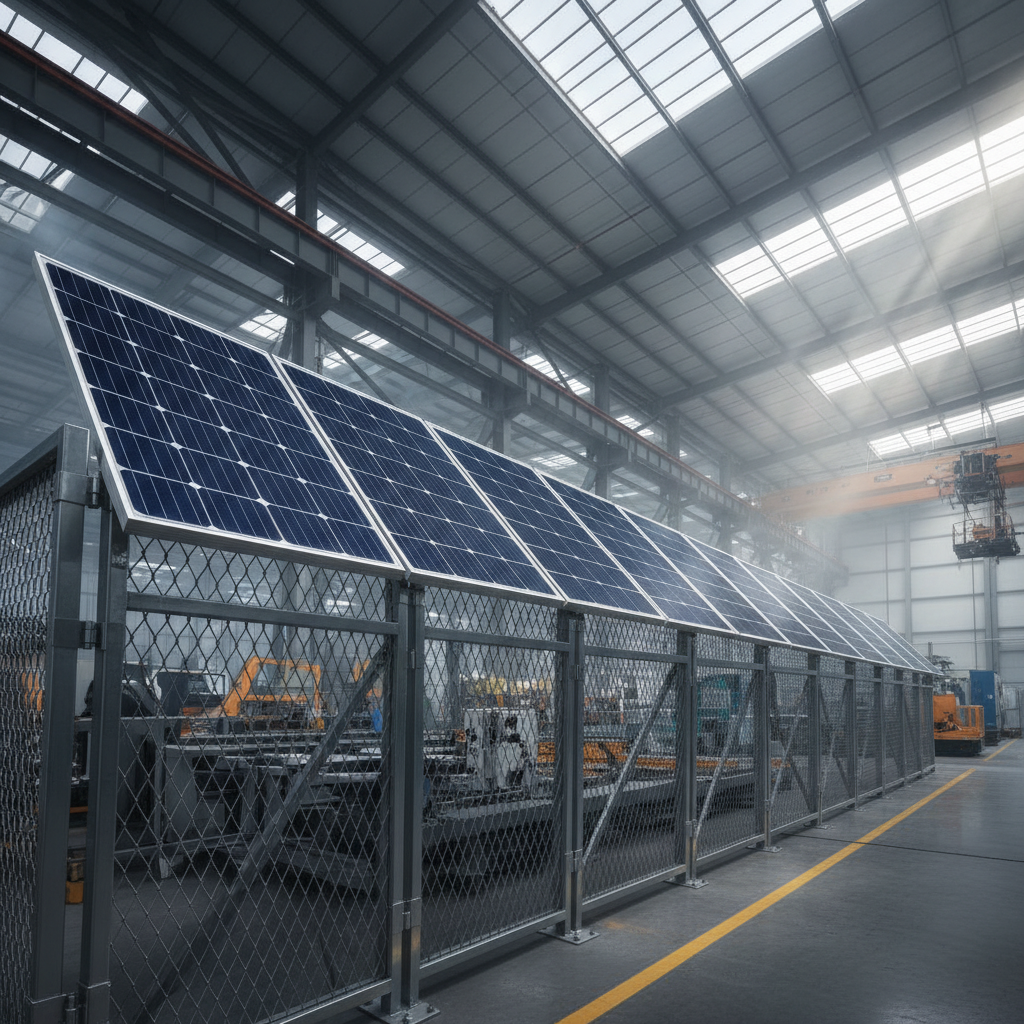
Beyond residential use, some urban developments are integrating these systems into the building's facade. By combining solar panels with metal decorative mesh, architects can create "solar skins" that provide shade and aesthetic appeal while generating clean electricity, blending industrial utility with modern urban design.
Long-Term Economic and Sustainable Value
The primary appeal of the apartment balcony solar panel is the immediate reduction in operating costs. While the initial investment may take a few years to recoup, the long-term value lies in energy hedging—protecting the user from the spikes in grid pricing caused by geopolitical instability or extreme weather events.
From a psychological perspective, owning a personal energy source fosters a sense of autonomy and dignity. It transforms the resident from a passive consumer into an active "prosumer," promoting a deeper connection to the environment and an understanding of energy conservation.
Furthermore, the scalability of these systems ensures that as technology improves—such as the move toward perovskite cells—users can easily upgrade their panels without replacing the entire mounting infrastructure, ensuring a sustainable lifecycle for the equipment.
Future Innovations in Urban Solar Integration
The future of the apartment balcony solar panel lies in the integration of BIPV (Building-Integrated Photovoltaics). We are seeing the development of transparent solar glass and flexible films that can be applied directly to balcony surfaces, removing the need for bulky frames and enhancing the architectural integrity of the building.
Another significant trend is the pairing of these panels with compact photovoltaic energy storage systems. By adding a small lithium-iron-phosphate (LiFePO4) battery, residents can store the energy generated during the day to power their lights and devices at night, achieving a higher degree of energy independence.
As the industry evolves, the use of advanced materials like titanium-coated stainless steel for brackets will further increase the lifespan of these installations, ensuring they can withstand the harshest urban pollutants and weather conditions.
Comparative Analysis of Solar Integration Technologies for Urban Balconies
| Technology Type |
Installation Complexity |
Energy Yield (Avg) |
Durability Score (1-10) |
| Standard Monocrystalline |
Low (Plug & Play) |
High |
8 |
| Flexible Thin-Film |
Medium (Adhesive) |
Medium |
6 |
| BIPV Integrated Glass |
High (Construction) |
Medium-High |
10 |
| Perovskite Hybrid |
Medium |
Very High |
5 |
| Mesh-Integrated PV |
Medium |
Medium |
9 |
| Portable Folding Panels |
Very Low |
Low-Medium |
7 |
FAQS
In many European and Asian cities, "plug-and-play" balcony systems are legal and encouraged. However, regulations vary by country and building association (HOA). Generally, if the installation is non-permanent and does not alter the building's structural integrity or facade significantly, it is permitted. It is always recommended to check local zoning laws and your rental agreement before installation.
Typical output depends on the number of panels and sunlight exposure. A single 350W panel can generate between 1 and 3 kWh per day depending on the season. This is usually enough to cover the "base load" of an apartment, such as the refrigerator, internet router, and standby power for electronics, significantly reducing your monthly utility bill over time.
Not if high-quality mounting hardware is used. Professional systems use padded clamps and corrosion-resistant stainless steel brackets that distribute the weight evenly. Because balcony panels are lightweight compared to roof arrays, the risk of structural damage is minimal, provided the panels are securely fastened to prevent wind-induced oscillation.
Most balcony solar systems are designed as "plug-and-play," meaning they come with a standard SCHUKO or compatible plug that goes directly into your wall outlet. For basic setups, a professional is not required. However, if you are integrating a battery storage system or modifying your home's internal wiring, hiring a certified electrician is strongly advised for safety and insurance purposes.
Solar panels still produce electricity during cloudy weather, although the yield is significantly lower (roughly 10-25% of full sun capacity). Modern monocrystalline panels are better at capturing diffused light than older technologies. To maximize efficiency during low-light periods, using a high-quality micro-inverter with optimized MPPT tracking is essential.
The photovoltaic cells themselves are highly durable, typically lasting 20 to 25 years with a slight degradation in efficiency over time. The limiting factors are usually the mounting hardware and the micro-inverter, which may need replacement every 10 to 15 years. Using high-grade deep-processed metals for brackets ensures the structural components last as long as the panels.
Conclusion
The adoption of the apartment balcony solar panel represents a pivotal shift in urban energy consumption. By combining advanced monocrystalline technology with precision-engineered mounting systems, city residents can effectively mitigate energy costs and contribute to a global reduction in carbon emissions. The transition from a passive consumer to an active energy producer is no longer reserved for homeowners with large roofs, but is now accessible to anyone with a small patch of sunlight.
Looking forward, the integration of energy storage and BIPV materials will further refine the efficiency and aesthetics of these systems. We encourage urban residents and developers to embrace these modular solutions as a primary step toward sustainable city living. To explore high-quality components and sustainable metal solutions for your energy projects, visit our website: www.qhfilter.com