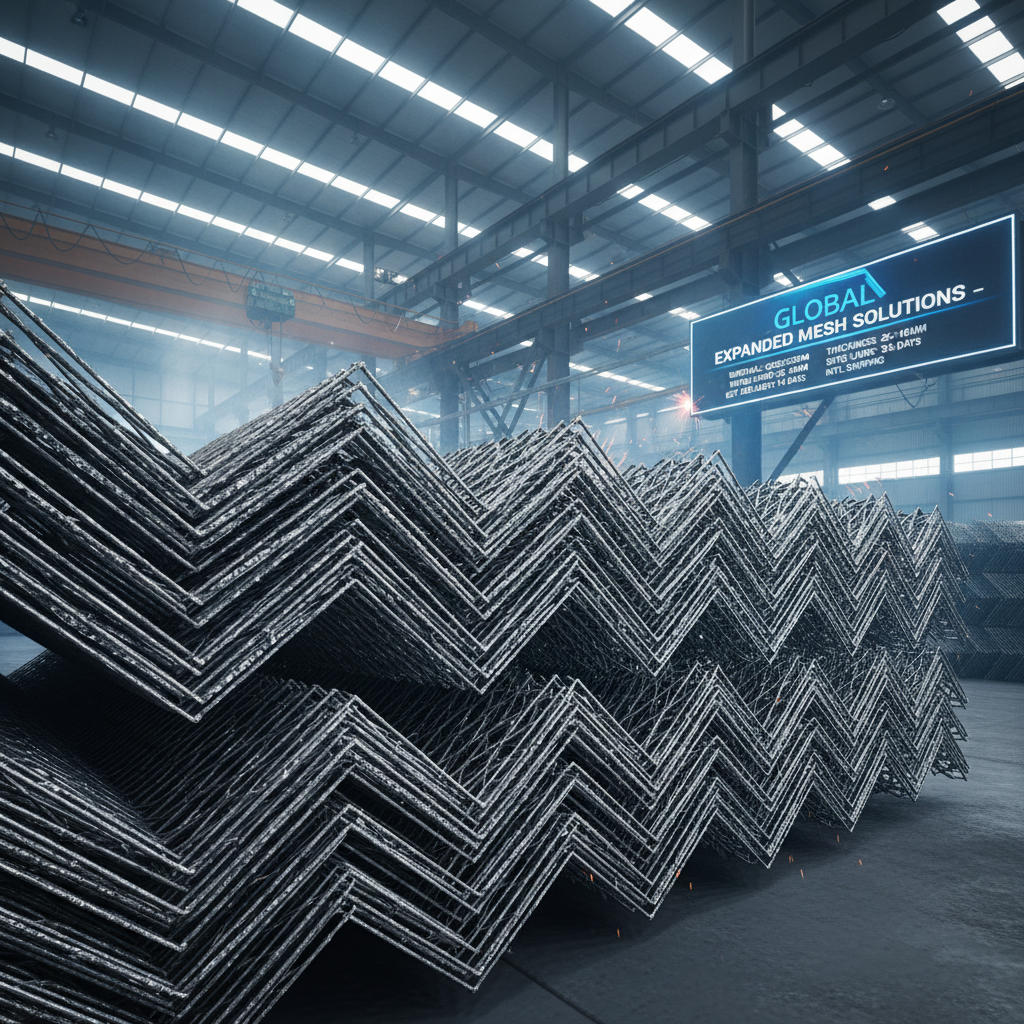
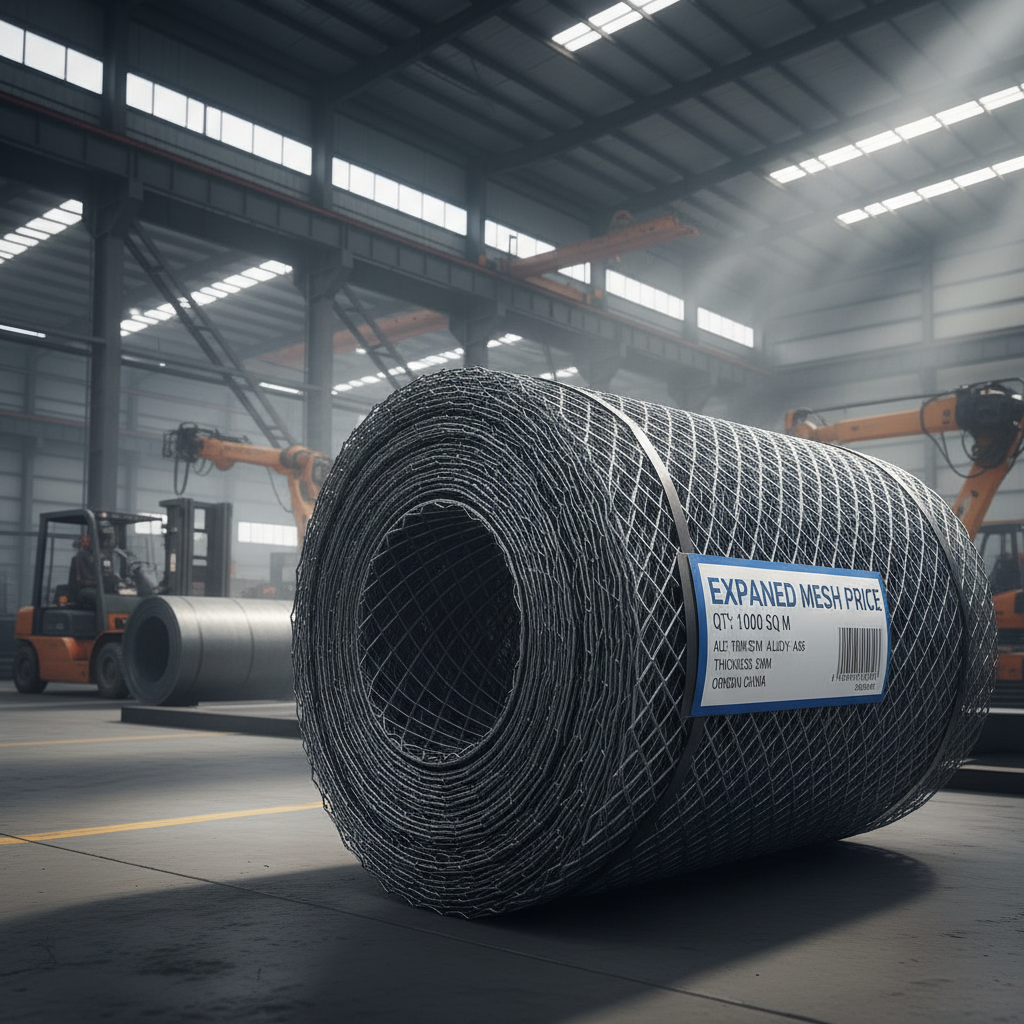
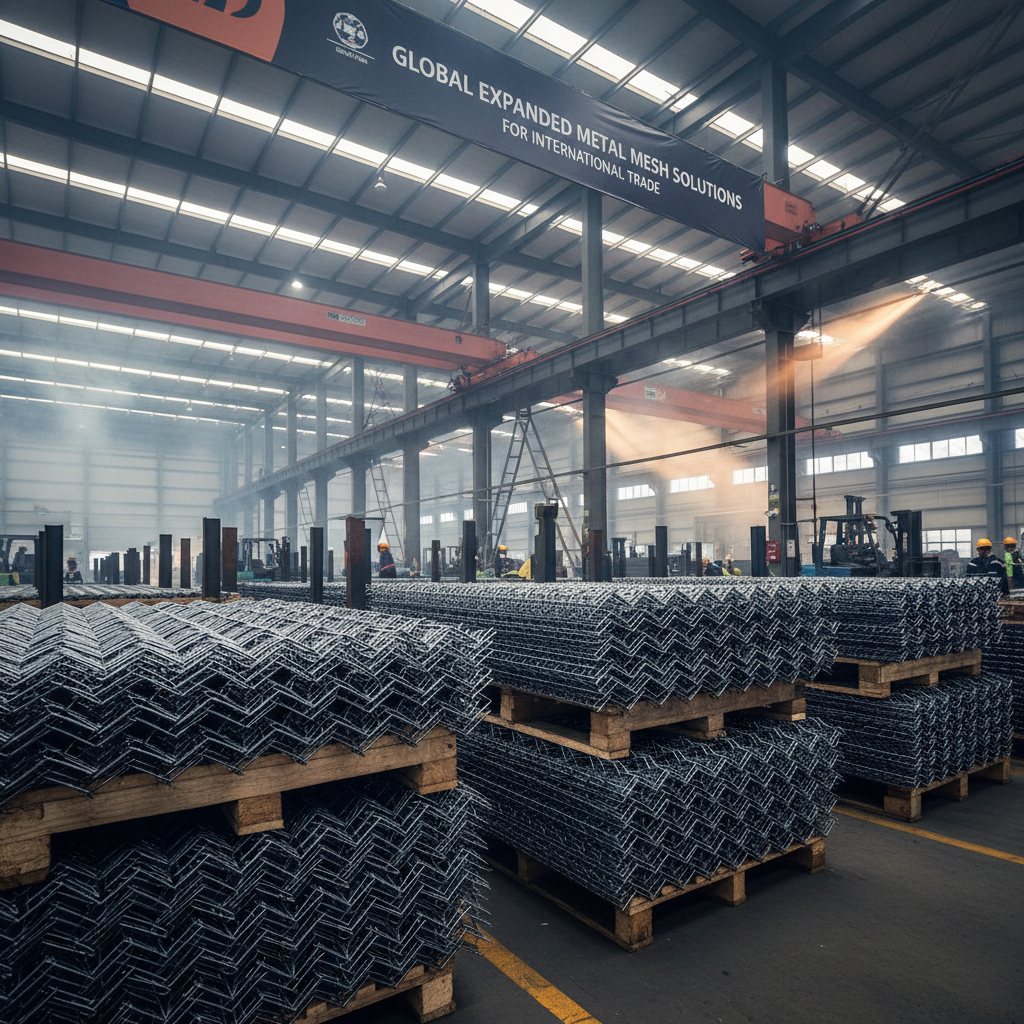
Expanded mesh price is a critical factor across diverse industries, from construction and filtration to security and agricultural applications. Understanding the nuances that influence this price – material costs, manufacturing processes, mesh dimensions, and order volume – is essential for informed purchasing decisions and project budgeting. Globally, demand for expanded metal is steadily increasing, driven by infrastructure development in emerging economies and a growing emphasis on sustainable building materials.
The price of expanded mesh isn't solely determined by the material itself (typically carbon steel, stainless steel, or aluminum). It’s a complex interplay of factors including the expansion ratio, sheet thickness, aperture size, and the specific finishing requirements. Variations in these elements translate directly into cost differences. Accurate evaluation of these parameters is crucial when comparing quotes from different suppliers and ensuring the final product meets project specifications.
Furthermore, understanding the regional differences in expanded mesh price is also vital. Shipping costs, import duties, and local market conditions all contribute to fluctuations. A comprehensive understanding of these elements allows organizations to optimize procurement strategies and maintain cost-effectiveness in their operations. expanded mesh price is frequently researched by project managers looking for cost-effective solutions.
The Significance of Expanded Mesh Price
Understanding expanded mesh price is crucial for effective project planning and resource allocation. In sectors like construction, precise cost calculations dependent on expanded metal components directly impact overall project budgets and profitability. Fluctuations in raw material costs, particularly steel, can significantly affect the final price, making informed procurement strategies essential.
Moreover, the perceived value of expanded mesh extends beyond its immediate cost. Its durability, longevity, and low maintenance requirements contribute to long-term cost savings, making a slightly higher initial investment a worthwhile consideration. expanded mesh price analysis must consider these lifecycle costs.
Defining Expanded Mesh Price
Expanded mesh price refers to the total cost associated with acquiring expanded metal sheeting, including the raw material, manufacturing, finishing, and delivery charges. It is typically quoted per square foot or square meter, and can vary significantly based on the material grade (carbon steel, stainless steel, aluminum), mesh size (aperture and strand width), thickness, and the expansion ratio used in its production.
The definition extends beyond the base material to encompass value-added services like cutting to size, bending, welding, surface treatments (galvanizing, powder coating), and specialized packaging. These services contribute to the overall cost and should be clearly itemized in supplier quotes. Understanding these components allows for accurate cost comparisons.
Ultimately, expanded mesh price reflects the balance between material costs, labor, manufacturing complexity, and supplier margins. A transparent breakdown of these factors helps buyers assess the true value and negotiate competitive pricing.
Key Factors Influencing Expanded Mesh Price
Material grade is a primary determinant of expanded mesh price. Stainless steel, offering superior corrosion resistance, commands a higher price than carbon steel. Aluminum, known for its lightweight properties, also typically carries a premium. The selection of material directly impacts both initial cost and long-term maintenance expenses.
Mesh size—specifically the aperture (opening size) and strand width—also plays a significant role. Smaller apertures and narrower strands require more material and more complex manufacturing processes, leading to increased prices. This is due to the greater amount of material utilized in the expansion process.
Sheet thickness impacts both the strength and cost of the expanded mesh. Thicker sheets provide greater structural integrity but require more energy and material to produce. Order volume is another important consideration; larger orders typically qualify for volume discounts, lowering the per-unit price.
Global Applications and Cost Variations
Expanded mesh finds widespread applications across various industries, impacting its demand and price. In construction, it's used for walkways, stair treads, and facade cladding. Industrial sectors utilize it for filtration screens, safety guards, and ventilation systems. Agricultural applications include animal enclosures and plant supports.
Geographic location significantly influences expanded mesh price. Regions with robust steel production capabilities, like China and India, often offer more competitive pricing. However, transportation costs and import duties can offset these savings for buyers in distant locations. Supply chain disruptions can also cause price fluctuations.
For instance, construction projects in Southeast Asia may benefit from lower material costs but face higher shipping expenses compared to projects in North America or Europe. In post-disaster relief operations, quick access to affordable expanded mesh for temporary shelters can be a critical requirement.
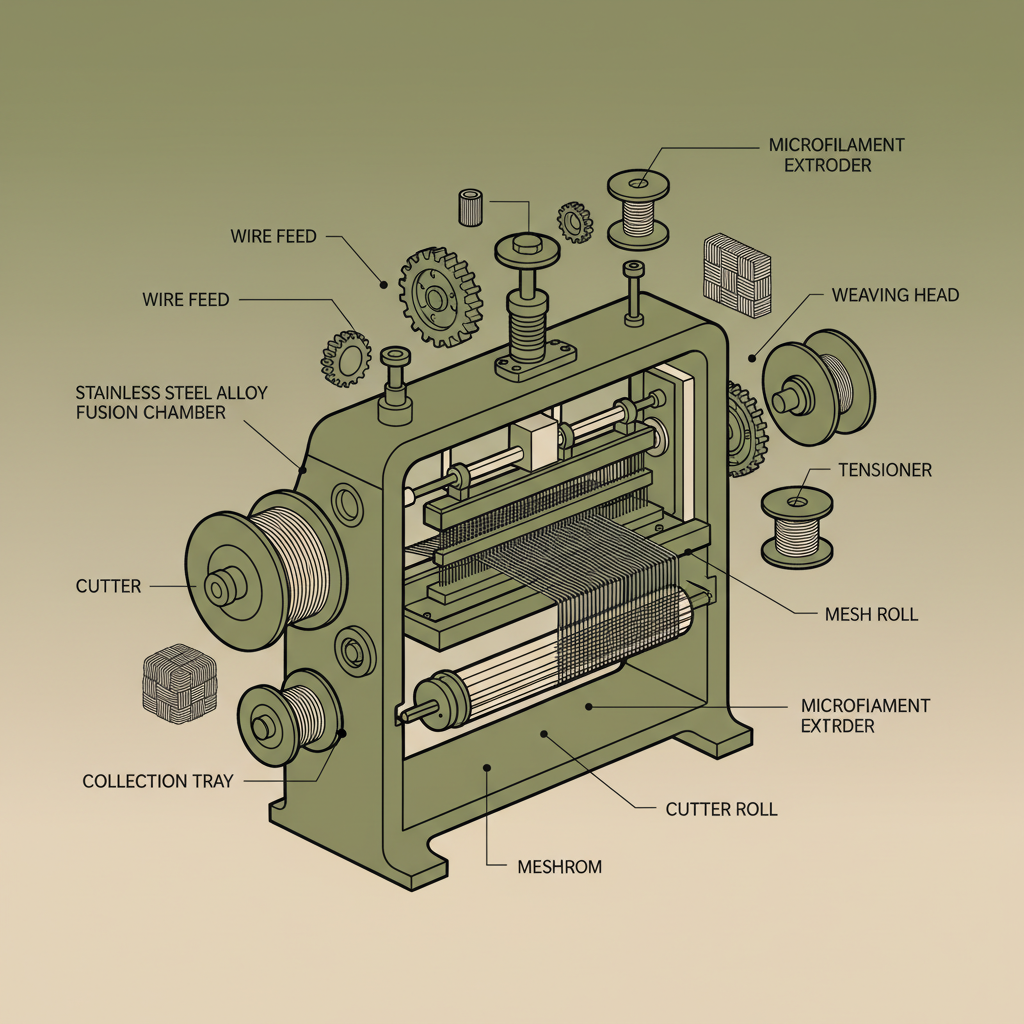
Expanded Mesh Price Comparison by Manufacturing Method
Advantages of Optimized Expanded Mesh Price
Securing a favorable expanded mesh price translates to significant cost savings, particularly for large-scale projects. These savings can be reallocated to other critical areas, enhancing overall project profitability. Efficient sourcing reduces budgetary constraints.
Beyond direct cost reduction, optimized pricing fosters long-term sustainability. Choosing durable materials ensures a longer product lifespan, minimizing replacement costs and reducing waste. This contributes to environmentally responsible practices.
Future Trends Impacting Expanded Mesh Price
The increasing adoption of automation in manufacturing processes is expected to drive down production costs, potentially leading to lower expanded mesh prices. Advancements in material science, such as the development of high-strength, lightweight alloys, could also impact pricing.
Growing emphasis on sustainable building materials and green infrastructure will likely increase demand for recycled and eco-friendly expanded metal options. This shift in consumer preferences could create a premium market for these materials. Digital platforms and online marketplaces are streamlining the procurement process, promoting price transparency.
Furthermore, fluctuations in global steel prices, influenced by geopolitical events and economic conditions, will continue to exert a significant influence on the overall cost of expanded mesh.
Challenges and Solutions in Managing Expanded Mesh Price
One of the primary challenges is the volatility of raw material prices, particularly steel. Unexpected market fluctuations can disrupt project budgets and timelines. Supply chain disruptions, exacerbated by geopolitical events or natural disasters, can also lead to price increases and delivery delays.
To mitigate these risks, organizations can employ strategies such as long-term contracts with suppliers, hedging against price fluctuations, and diversifying their sourcing base. Building strong relationships with multiple suppliers provides greater flexibility and negotiating power.
Utilizing digital procurement platforms and leveraging data analytics to monitor market trends can also help optimize pricing and improve cost management. Thorough cost-benefit analysis, considering both initial cost and lifecycle expenses, is essential for making informed decisions.
A Comparative Analysis of Expanded Mesh Price Factors
| Material Type |
Manufacturing Complexity |
Order Volume Impact |
Regional Price Variation |
| Carbon Steel |
Low (Standard Expansion) |
Significant (5-15% Discount) |
Moderate (10-20% Difference) |
| Stainless Steel (304) |
Medium (Corrosion Resistance) |
Moderate (5-10% Discount) |
High (20-30% Difference) |
| Aluminum (5052) |
Medium (Lightweight) |
Low (2-5% Discount) |
Moderate (15-25% Difference) |
| High-Strength Alloy |
High (Specialized Processing) |
Minimal (0-2% Discount) |
Very High (30-50% Difference) |
| Expanded Mesh with Coating |
Medium-High (Coating Application) |
Moderate (3-7% Discount) |
Moderate (10-20% Difference) |
| Custom Mesh Dimensions |
High (Precision Cutting & Forming) |
Low (Limited Discount) |
High (20-35% Difference) |
FAQS
The most significant contributors to expanded mesh price fluctuations are raw material costs (especially steel), manufacturing complexity based on aperture size and thickness, order volume, and regional variations in labor and transportation expenses. Global economic conditions and geopolitical events also exert considerable influence. Understanding these factors is crucial for accurate budgeting.
Several strategies can help reduce costs. Negotiating long-term contracts with suppliers, optimizing order volume to qualify for discounts, considering alternative material grades (if suitable for the application), and exploring local sourcing options can all contribute to savings. Thoroughly analyzing project specifications to minimize material waste is also essential.
Typical lead times for custom expanded mesh range from 2 to 6 weeks, depending on the complexity of the order, the material type, and the supplier's current workload. More complex designs and specialized materials will generally require longer lead times. Confirming lead times with your supplier upfront is highly recommended.
Stainless steel offers superior corrosion resistance, making it ideal for applications in harsh environments or those exposed to moisture and chemicals. While more expensive upfront, stainless steel’s longevity and reduced maintenance requirements can result in lower lifecycle costs. Carbon steel is suitable for indoor applications where corrosion is not a concern.
Increased sheet thickness enhances the strength and rigidity of the expanded mesh, making it suitable for load-bearing applications. However, thicker sheets require more material and energy to produce, leading to a higher price. Selecting the appropriate thickness based on the intended use is crucial for balancing cost and performance.
Yes, utilizing recycled steel in the manufacturing process is a sustainable option. Some suppliers also offer expanded metal made from sustainably sourced materials. Choosing durable expanded mesh with a long lifespan reduces the need for frequent replacements, contributing to environmental responsibility.
Conclusion
Throughout this discussion, we’ve underscored the multifaceted nature of expanded mesh price, extending beyond mere material costs to encompass manufacturing complexity, market dynamics, and strategic sourcing decisions. A comprehensive understanding of these elements empowers buyers to optimize procurement strategies, enhance project budgeting, and ultimately achieve cost-effective solutions.
Looking ahead, embracing innovative manufacturing techniques, prioritizing sustainable material options, and leveraging digital procurement platforms will be crucial for navigating future challenges and maximizing the value of expanded mesh. We invite you to explore our comprehensive range of expanded metal products and expert solutions at www.qhfilter.com.