Stainless Steel Mesh Water Filter | Durable Industrial Filtration
Why a stainless steel mesh water filter is a Quiet Game-Changer in Industrial Filtration
Having spent close to two decades in the industrial equipment sector, I’ve seen countless filtration technologies come and go. Still, the humble stainless steel mesh water filter has managed to stick around—and even gain traction. Oddly enough, its appeal isn't about flashy innovation but rather about rugged reliability and surprisingly versatile design.
I remember a job site where unexpected grit buildup was causing headaches in a municipal water treatment facility. We swapped out some older filters for a stainless steel mesh type, and practically overnight, maintenance downtime dropped. It feels like, in real terms, cleaner water and less hassle almost always come down to the right mesh design.
What Makes Stainless Steel Mesh Water Filters Tick?
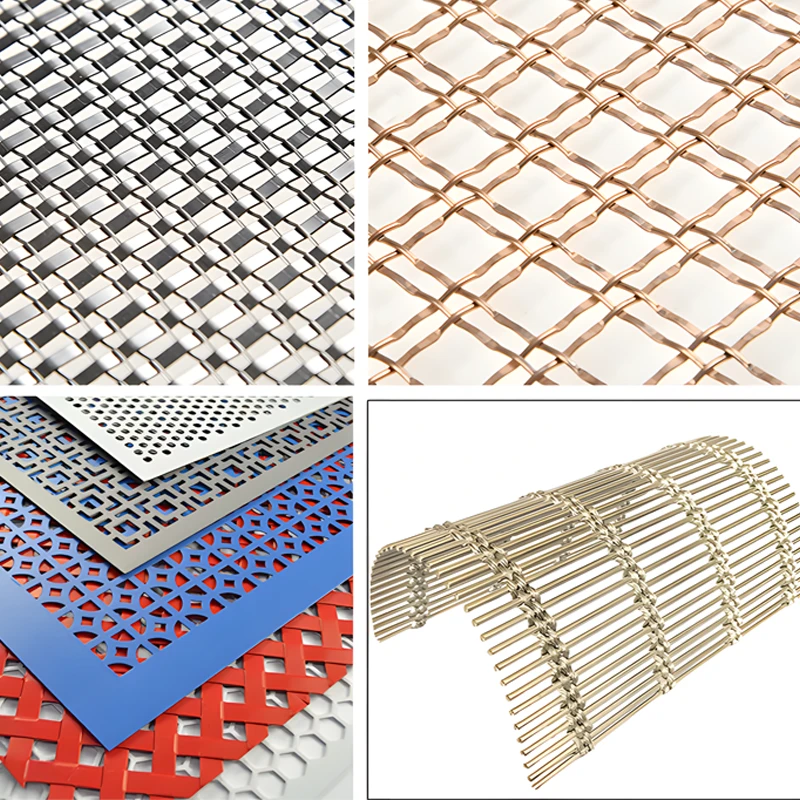
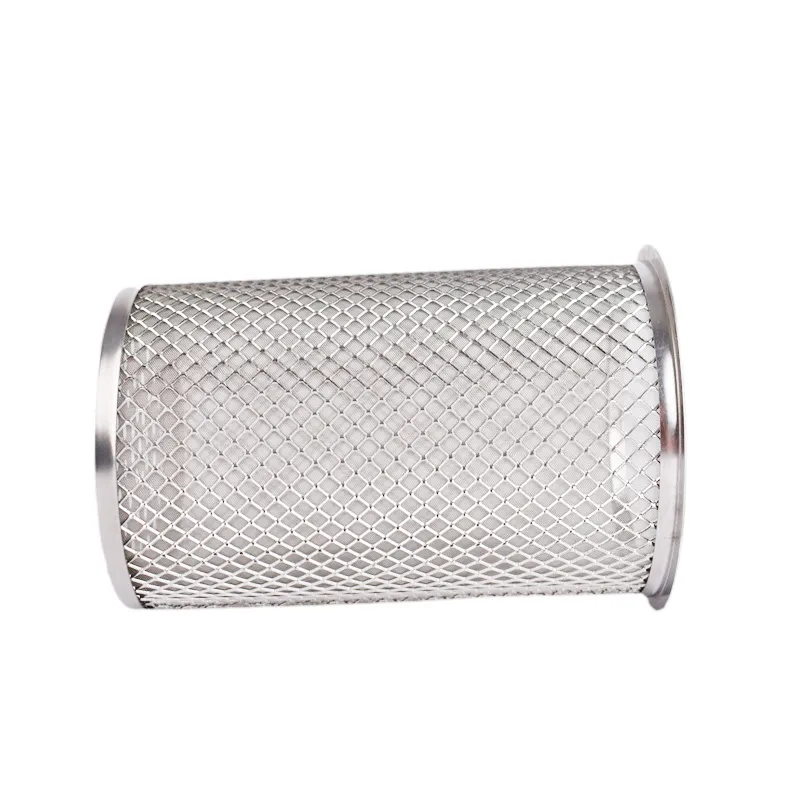
At its core, this filter type is exactly what it sounds like: a fine mesh crafted from stainless steel woven wire. Why stainless steel? Because it provides the perfect balance between corrosion resistance, tensile strength, and ease of cleaning. Many engineers I know swear by 304 or 316 grade stainless steel, especially in applications exposed to chlorinated or saltwater environments.
One of the key advantages is that these filters can be backwashed and reused many times, unlike disposable filter cartridges that add to operational costs and environmental waste. Plus, the mesh opening sizes vary widely—from sub-10 micron levels up to several millimeters—allowing for customized filtration based on what’s being separated.
A Snapshot of Typical Product Specs
| Specification | Details |
|---|---|
| Material | 304 or 316 Stainless Steel |
| Mesh Size | 10 - 300 microns (customizable) |
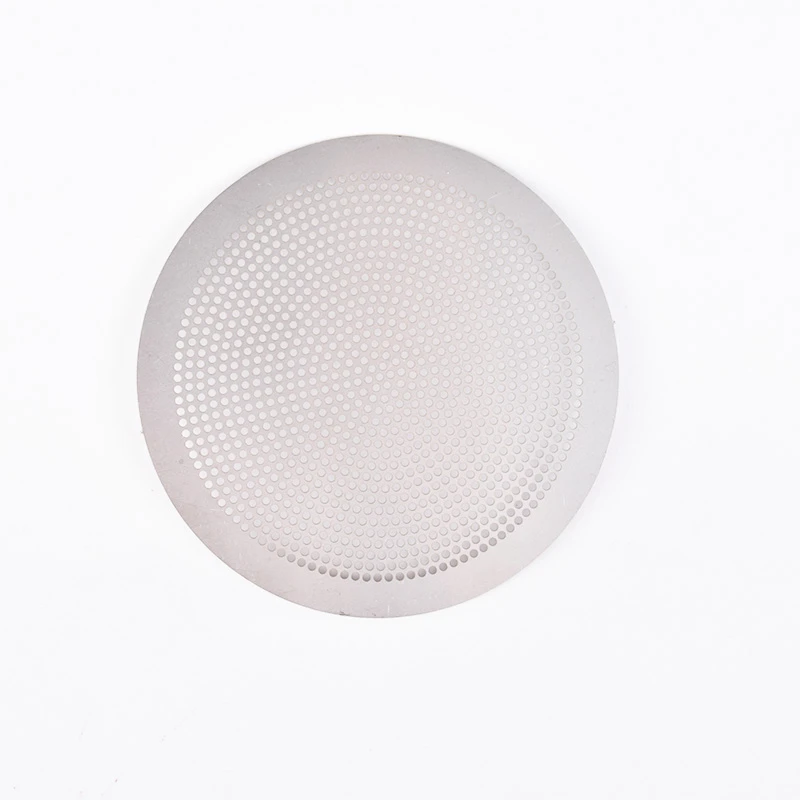
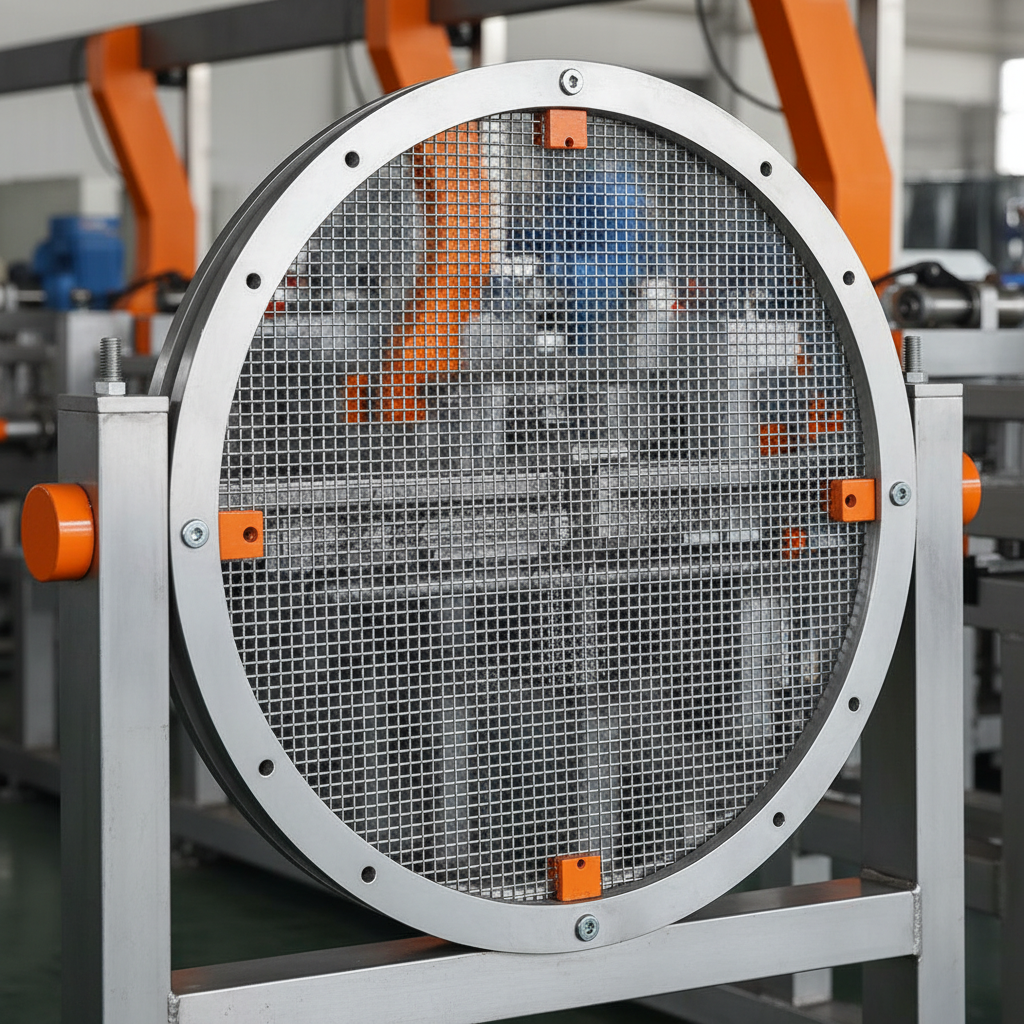
| Filter Type | Woven Wire Mesh Filter Plates or Cylinders |
| Operating Temp. | Up to 800°F (427°C) |
| Typical Pressure | Up to 40 bar |
Choosing the Right Vendor: A Quick Comparison
In my years, I’ve learned it’s not only the product specs but also the service and technical support that count. Here’s a quick snapshot comparing three widely known stainless steel mesh water filter vendors:
| Vendor | Customization | Lead Time | Technical Support | Price Range |
|---|---|---|---|---|
| QH Filter | High - Custom mesh sizes & shapes | 2-4 weeks | 24/7 Expert Assistance | $$$ (Mid-range) |
| Vendor B | Medium - Limited mesh sizes | 3-6 weeks | Business Hours Only | $ (Budget) |
| Vendor C | Low - Standard product line only | 1-2 weeks | Limited | $$$$ (Premium) |
In Daily Use: The Stainless Steel Mesh Advantage
What I appreciate most in field conditions is how these filters withstand abuse. You can clean them on site without special solvents—sometimes just a high-pressure water jet does the trick. Over time, this durability reduces replacements and downtime.
Of course, not every project demands the same level of filtering. You might be dealing with fine particulates in food processing or coarser debris in irrigation systems. The customization factor, like what QH Filter offers, makes a world of difference. They often help you dial in specifications precisely, which—frankly—can save a small fortune down the line.
In terms of environmental impact, reusable stainless steel mesh filters can also lower waste streams compared to disposable filters. It's an often-overlooked benefit but aligns well with the increasing focus on sustainability in industrial operations.
All in all, integrating a quality stainless steel mesh water filter is more than just checking a box. It’s an investment in stability, cost savings, and peace of mind. As one technician once told me, “You might not see it when it’s doing its job, but you definitely feel it when it’s not.”
— For anyone exploring filtration solutions, getting hands-on experience with these types of filters is key. Reading specs is one thing; understanding how they hold up under real-world stress is another story.
References:
1. Industrial Water Filtration Handbook, 2020 Edition
2. ASTM Standards for Stainless Steel Wire Mesh, 2019
3. “The Case for Reusable Filters,” Journal of Environmental Engineering, 2022