Durable and Versatile 316 Stainless Steel Mesh for Industrial Use
Why 316 Stainless Steel Mesh Still Dominates Industrial Applications
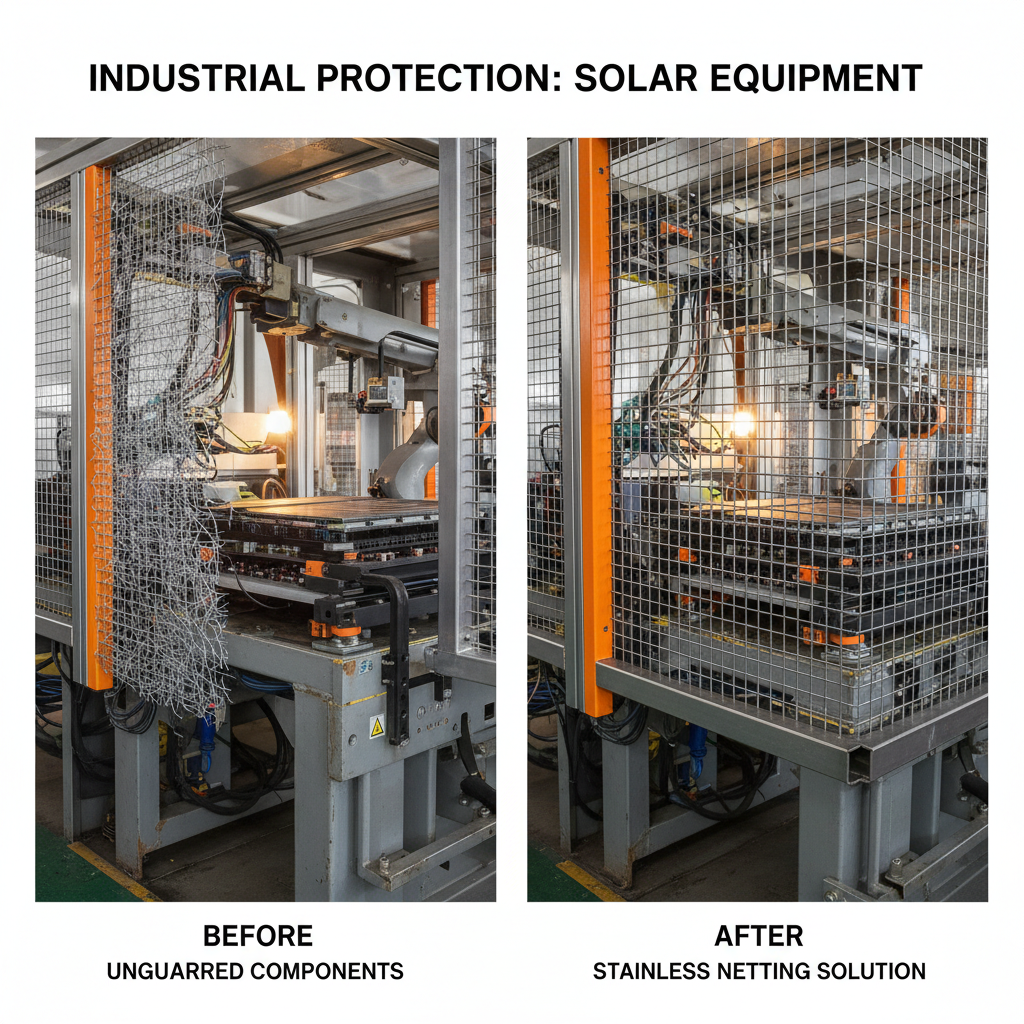
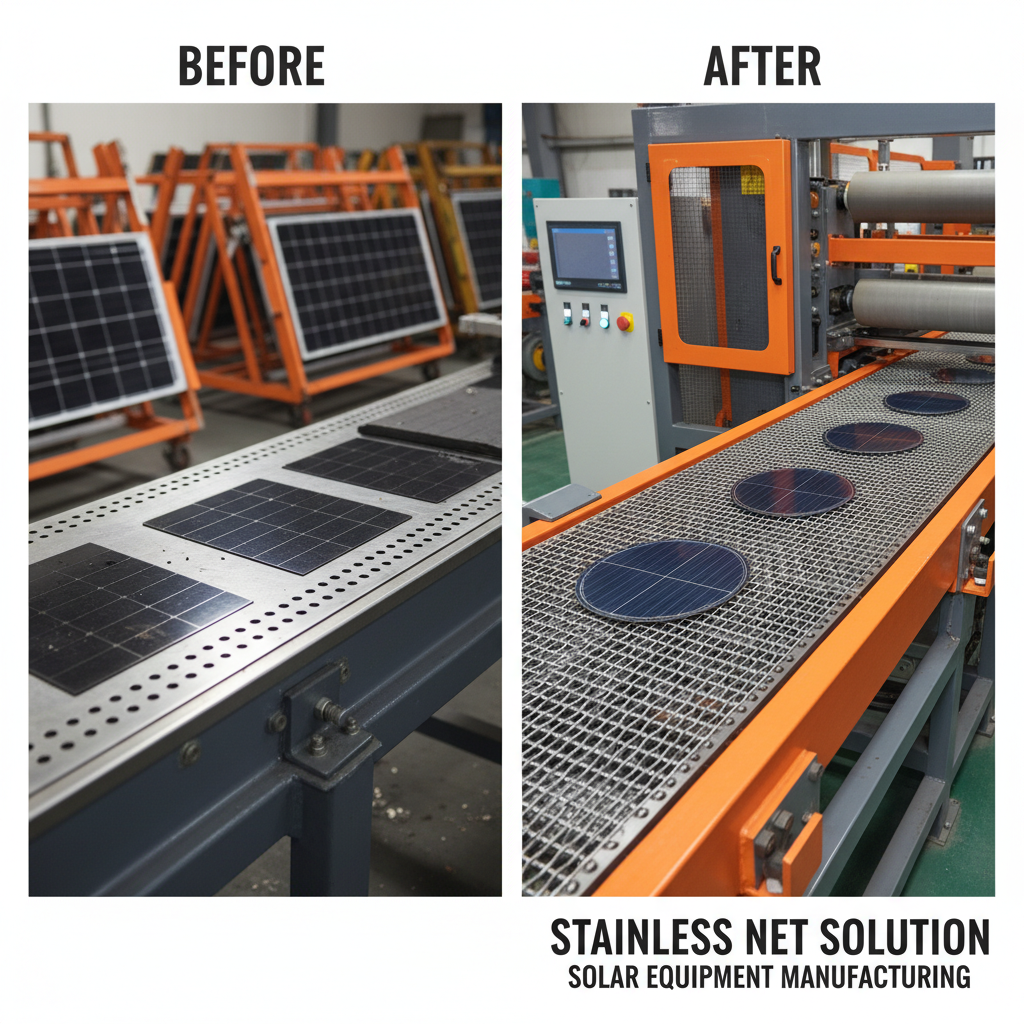
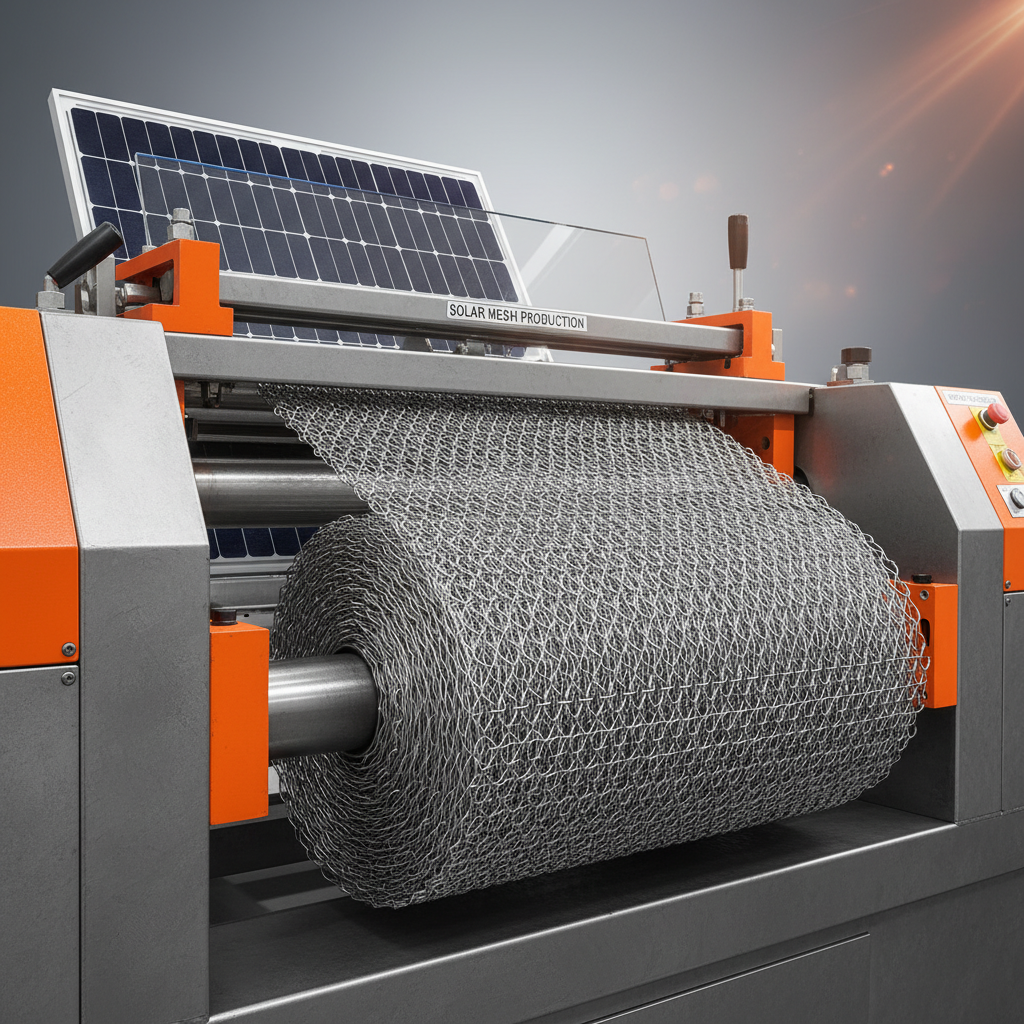
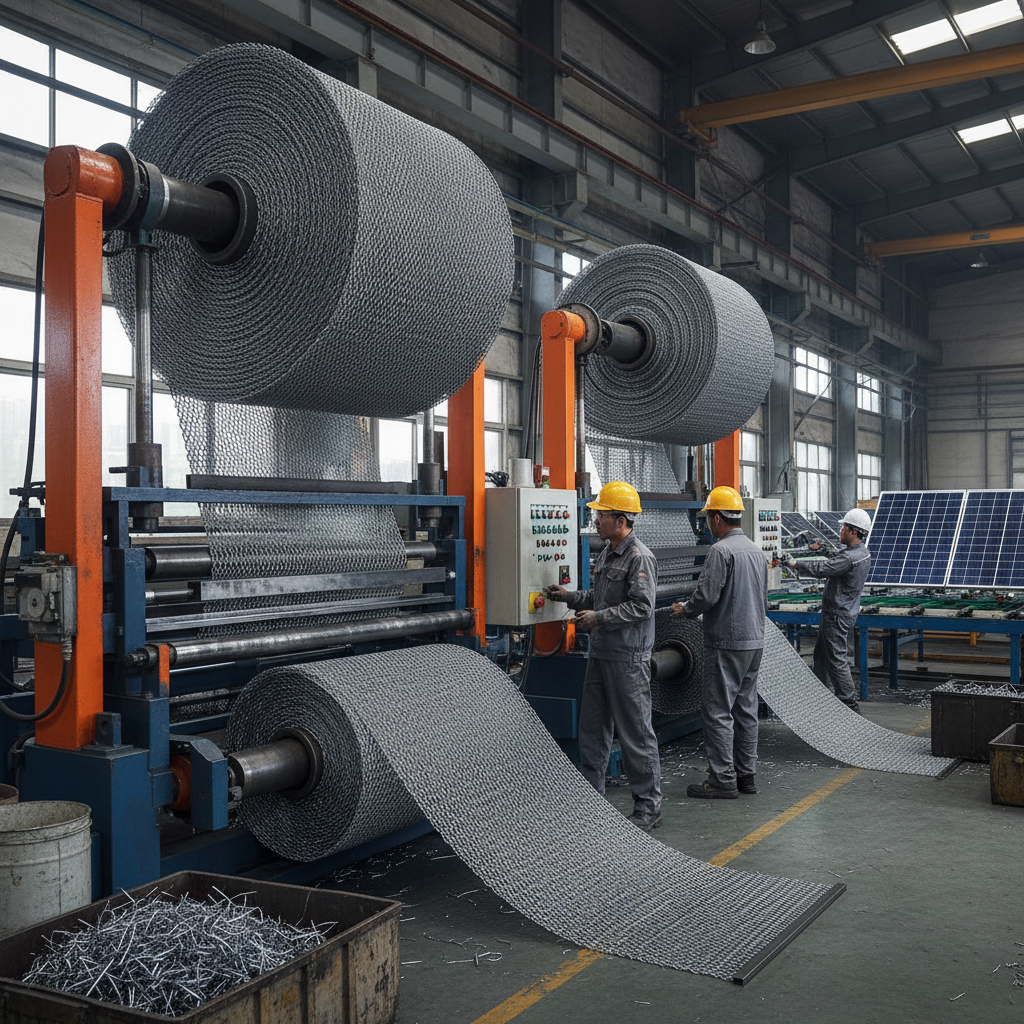
Having spent quite a few years in the industrial equipment sector, I’ve seen materials come and go in popularity, but 316 stainless steel mesh seems to stick around for good reasons. It’s that perfect balance of strength, flexibility, and—frankly—corrosion resistance that makes it a go-to in environments from chemical plants to food processing facilities.
Just last week, I was chatting with a plant engineer who relies on 316 mesh filters for their water treatment system. She mentioned how other materials failed under harsh chloride exposure, but 316 mesh just kept on ticking. It’s tough, but it doesn’t get overly stiff or brittle, either.
What Makes 316 Stainless Steel Mesh So Special?
One could quickly list chromium and nickel as hero elements here – and they’re right. The addition of molybdenum in 316 grades really boosts its ability to hold its own against corrosion. You end up with a material that’s dependable in salty, acidic, or high-temperature environments.
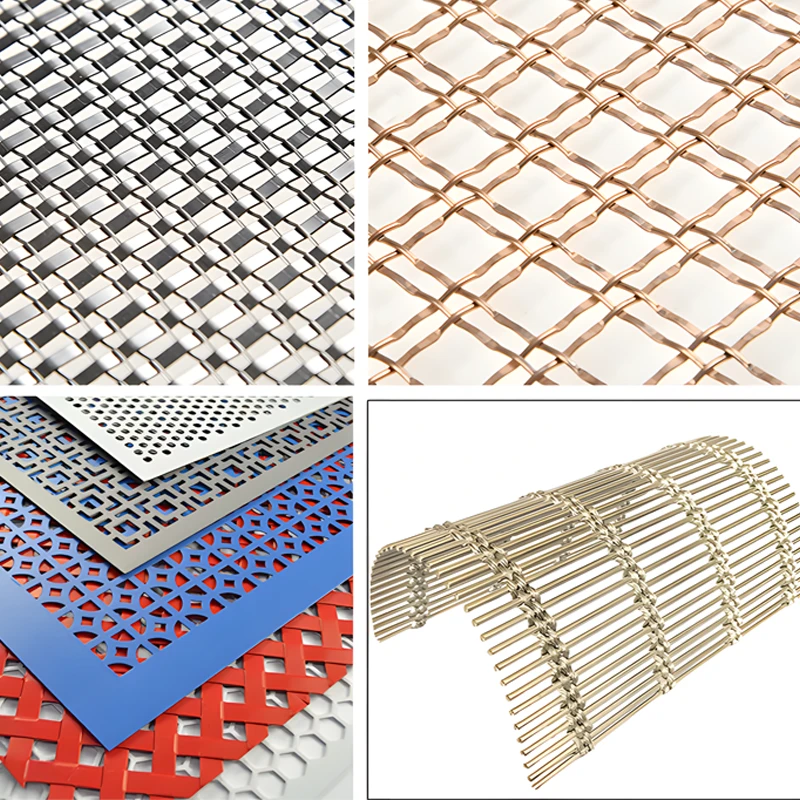
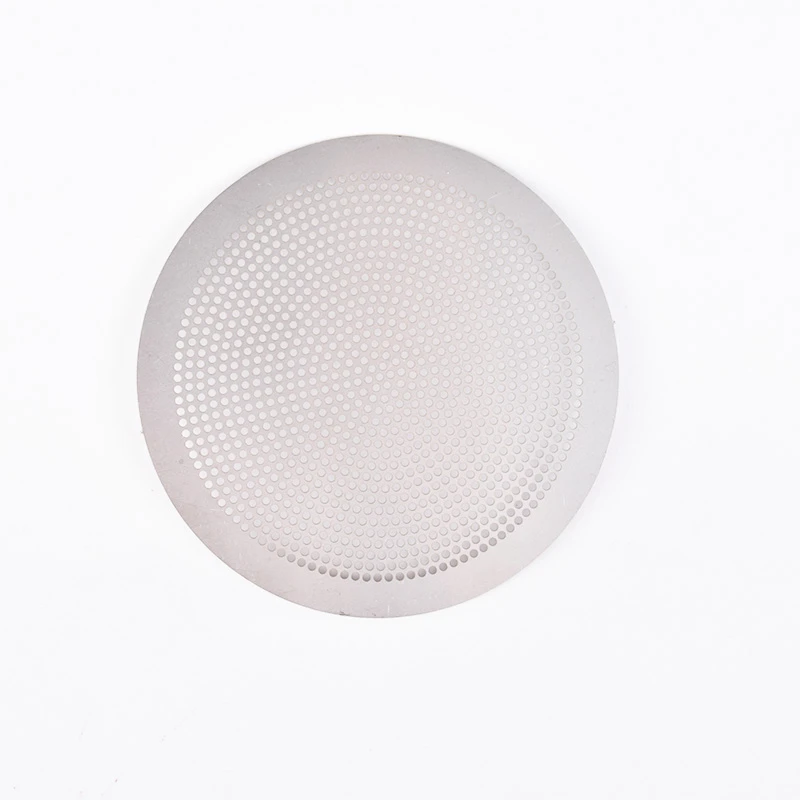
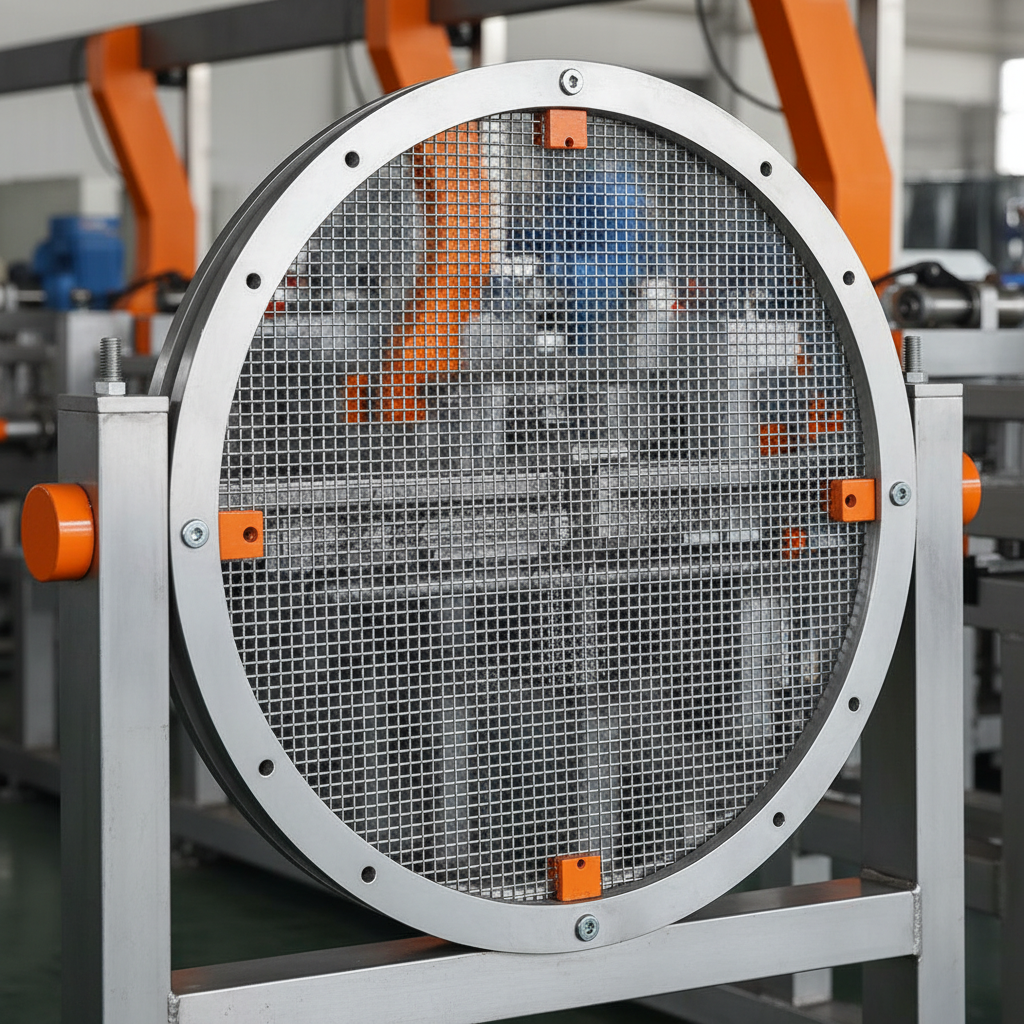
That’s probably why so many industries prefer it for filtration and screening — from mining suspensions to marine sieves. Oddly enough, in some cases, the stainless steel mesh acts as both part of the structural frame and the filter medium. It’s a bit of multi-tasking you don’t always get easily.
| Specification | Details |
|---|---|
| Material Grade | 316 / 316L Stainless Steel |
| Wire Diameter | 0.1mm - 2.0mm |
| Mesh Count | 1 - 400 mesh |
| Opening Size | Variable depending on mesh count |
| Tensile Strength | > 650 MPa |
| Corrosion Resistance | Excellent in chloride and acidic environments |
Choosing the Right Vendor: What To Consider
When I first got started, one of the challenges was a flood of options on vendors — it’s like drinking from a firehose, honestly. But over time, I found focusing on a few key factors helped cut through the noise: consistency in mesh weave, precise sizing, and responsiveness in customization.
Many suppliers claim great specs — but not everyone delivers consistent weave tension or corrosion certification. In critical applications, that can mean downtime or worse.
| Vendor | Product Range | Customization | Delivery Speed | Certifications |
|---|---|---|---|---|
| QH Filter | Wide (1-400 mesh) | Yes, Custom Orders | 5-7 days | ISO 9001, RoHS |
| SteelMesh Pro | Moderate (20-200 mesh) | Limited | 10-14 days | ISO 14001 |
| MetalWorks | Narrow (50-150 mesh) | Yes, but MOQ applies | 7-10 days | None |
Final Thoughts on Industrial Mesh Choices
In real terms, deciding on 316 stainless steel mesh isn’t just about ticking boxes on specs. It’s about thinking long-term reliability—for your equipment, your process, and sometimes even your peace of mind. That’s something the "noise" of marketing often misses.
You want something adaptable, something tough but flexible enough for your applications, and supported by a vendor who won’t ghost you if there’s a problem. To me, that’s the real value behind choosing the right 316 stainless steel mesh.
And honestly? The more you work with it, the more you start to appreciate the nuances—the slight differences in weave, the way it holds shape when under pressure, or even the faint metallic sheen that hints at what it’s made of.
So, whether you’re filtering aggressive chemicals, reinforcing filter media, or handling fine powders, 316 stainless steel mesh remains a quietly powerful choice.
References:
- Material Properties of Stainless Steel, ASM International
- Corrosion Resistance in 316 Stainless Steel, NACE International
- Industrial Mesh Applications and Trends, Industry Weekly Magazine