Stainless Steel Mesh Screen Filter: Durable Industrial Filtration Solutions by QHFilter
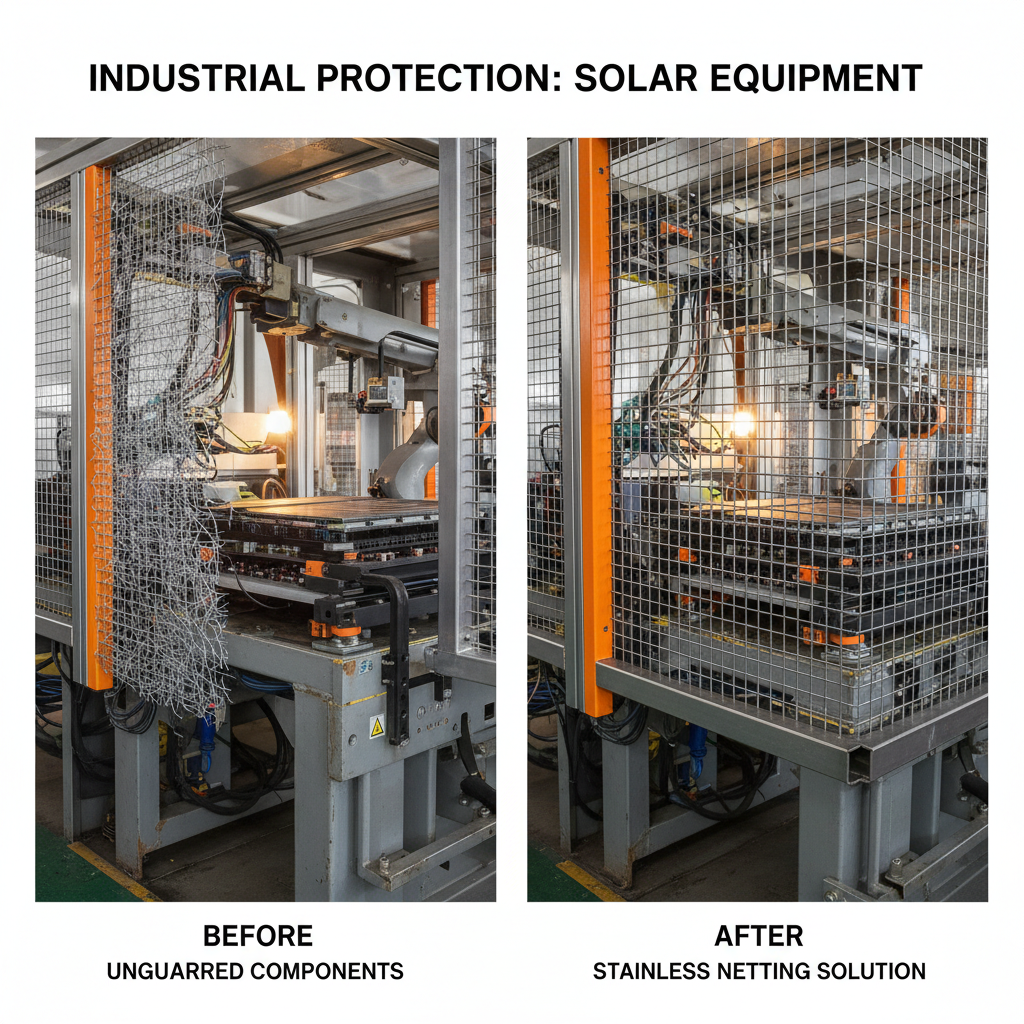
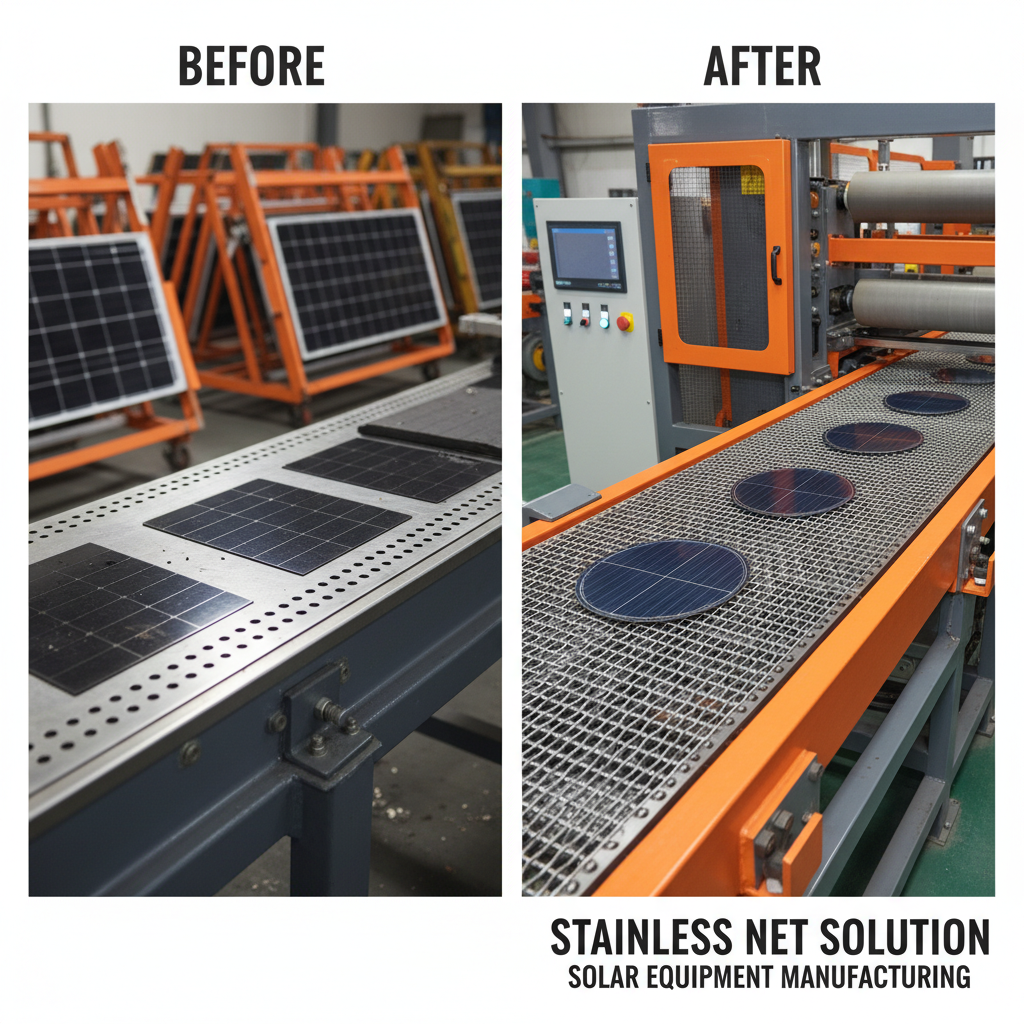
Stainless Steel Mesh Screen Filter is a key solution in the industry, specifically within sectors like chemical processing, food & beverage, and water treatment. This article explores how https://www.qhfilter.com supports professionals with durable, high-performance products, and explains why this product is an ideal choice for businesses in these sectors.
Table of Contents
- Stainless Steel Mesh Screen Filter Overview
- Benefits & Use Cases of Stainless Steel Mesh Screen Filter
- Cost, Maintenance & User Experience
- Sustainability & Market Trends
Stainless Steel Mesh Screen Filter Overview
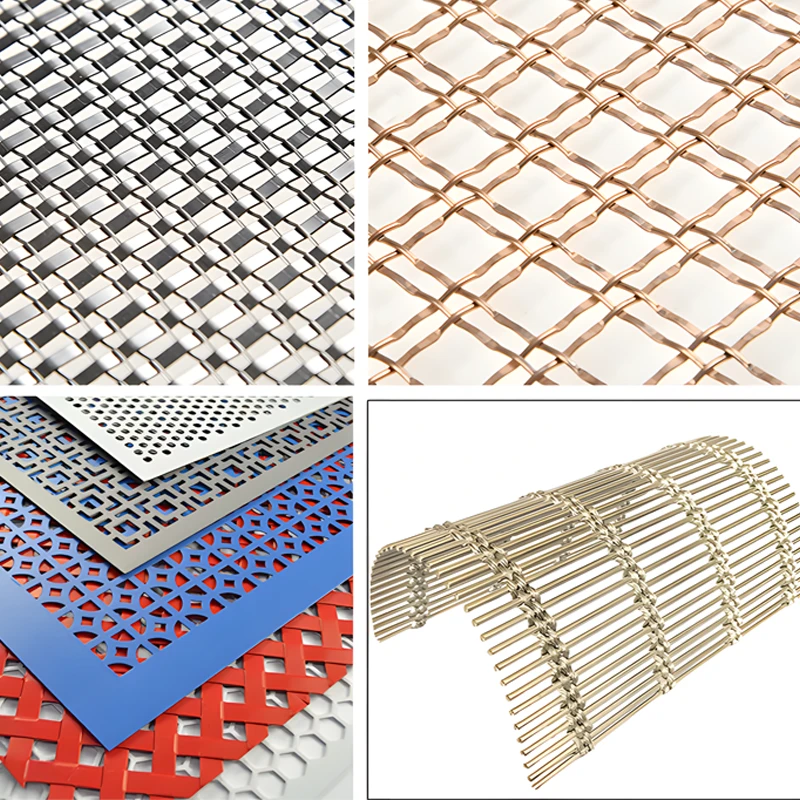
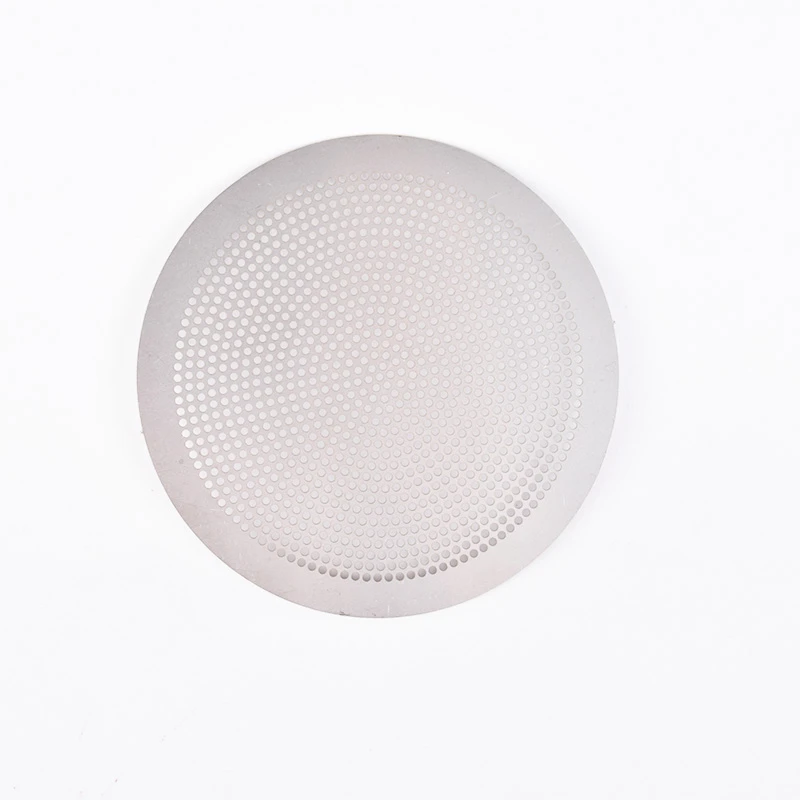
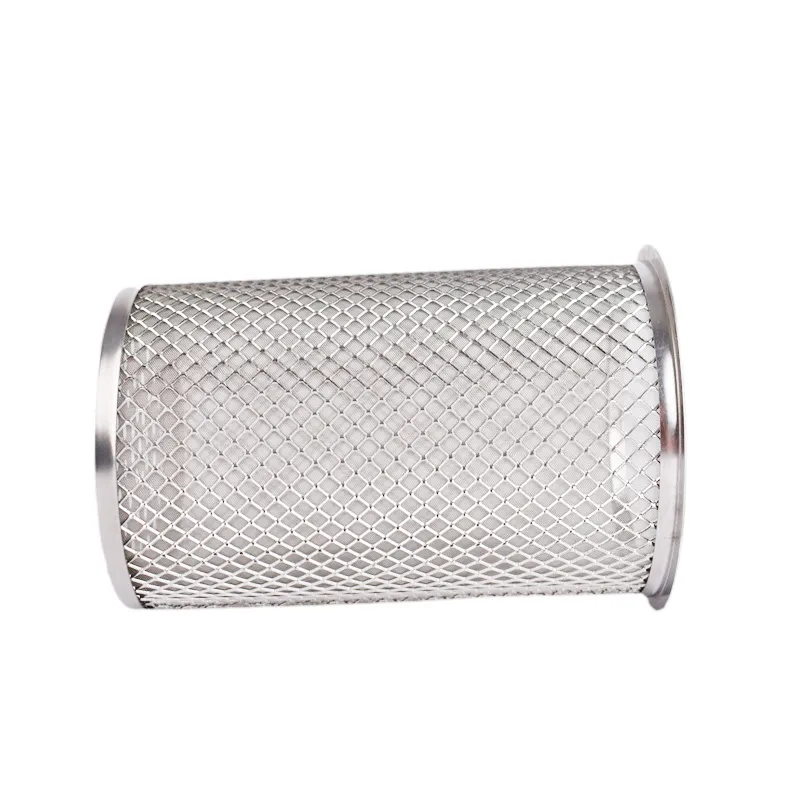
At its core, a Stainless Steel Mesh Screen Filter is a finely woven sheet or mesh of stainless steel wires arranged to filter particles from liquid or gas flows. The stainless steel material itself confers extraordinary resistance to corrosion, extreme temperatures, and mechanical wear — which frankly sets it apart from alternatives like plastic or fabric filters. In terms of technical specs, mesh sizes can vary widely, from coarse (around 10 mesh) for filtering bigger particles, right down to ultra-fine (above 400 mesh) for microscopic filtration. It’s that adaptability which makes this filter so relevant across the board.
For example, at QHFilter, these stainless steel meshes often undergo rigorous tensile and corrosion testing to ensure consistency and performance, especially under industrial stress. A case study I recall involved a chemical plant replacing its old filtering system with QHFilter’s mesh, which lasted over two years without clogging and reduced downtime significantly.
| Parameter | Specification | Details |
|---|---|---|
| Material | 304 or 316 Stainless Steel | Corrosion resistant for most environments |
| Mesh Size | 10 to 400+ mesh | Fineness adjusts filtration precision |
| Wire Diameter | 0.02 mm to 0.15 mm | Affects strength and porosity |
| Max Temperature | Up to 800°C | Withstands high-heat applications |
Benefits & Use Cases of Stainless Steel Mesh Screen Filter
If you think about filtration challenges, the benefits of stainless steel mesh are striking. Firstly, there’s unmatched durability — unlike fabric or paper filters, it doesn’t deteriorate or swell when wet, and it resists chemicals that would otherwise degrade other materials. You’ll find these filters ubiquitous in sectors like petrochemical refining, where continuous exposure to harsh chemicals and heat is standard.
Secondly, customization is a real game-changer. Mesh size, weave style, and thickness can be tailored to specific needs. For instance, food processing plants might demand FDA-approved stainless steel mesh to ensure purity and hygiene, while wastewater plants focus on coarse mesh filters to trap debris before fine filtration.
Competitive advantages? QHFilter’s products often include precision-manufactured mesh that improves flow rates while capturing microscopic particles — kind of a sweet spot between performance and efficiency. Many engineers I spoke with appreciate the balance between easy cleaning and long replacement cycles. This means lower downtime and better operational continuity.
Cost, Maintenance & User Experience
Let's face it — investing in a filter is never just about upfront cost. It’s that total cost of ownership, including maintenance, replacement intervals, and downtime, that matters most. Stainless steel mesh screen filters typically have a longer lifespan than plastic or cellulose ones, sometimes lasting two to three times longer. This pays off when you consider that frequent filter changes can slow production or increase labor costs.
From what I’ve gathered, many users praise the straightforward cleaning process: most stainless steel filters can be back-flushed or even ultrasonically cleaned, restoring them to near-original condition. One client in water treatment reported a 40% reduction in maintenance interventions after switching to QHFilter’s mesh.
That said, stainless steel filters may have a higher initial price, but the ROI over time often justifies the cost. Seems like a classic case of “pay more now, save later” — and in real terms, that often makes a lot of sense for B2B decision-makers aiming for reliability and budget stability.
| Supplier | Material Quality | Customization | Delivery Time | Pricing |
|---|---|---|---|---|
| QHFilter | 316 Stainless Steel, high-grade | Wide-ranging mesh sizes and finishes | 2-3 weeks | Competitive |
| Vendor B | 304 Stainless Steel | Limited mesh sizes | 4-6 weeks | Moderate |
| Vendor C | Mixed grades, variable quality | Basic options only | 1-2 weeks | Lower |
Sustainability & Market Trends
Sustainability, honestly, is becoming a deal-breaker in industrial procurement. Stainless steel mesh filters fit well with these demands due to their reusability and recyclability – they are not single-use, throw-away components like so many others in the market. Increasingly, manufacturers must comply with stricter environmental regulations, pushing them toward durable solutions that minimize waste.
The global market for industrial filters is projected to grow steadily, driven by rising industrial activities coupled with governmental pressure on pollution control. In areas like wastewater treatment and food processing, stainless steel mesh filters offer a cleaner, longer-lasting alternative that aligns perfectly with green practices.
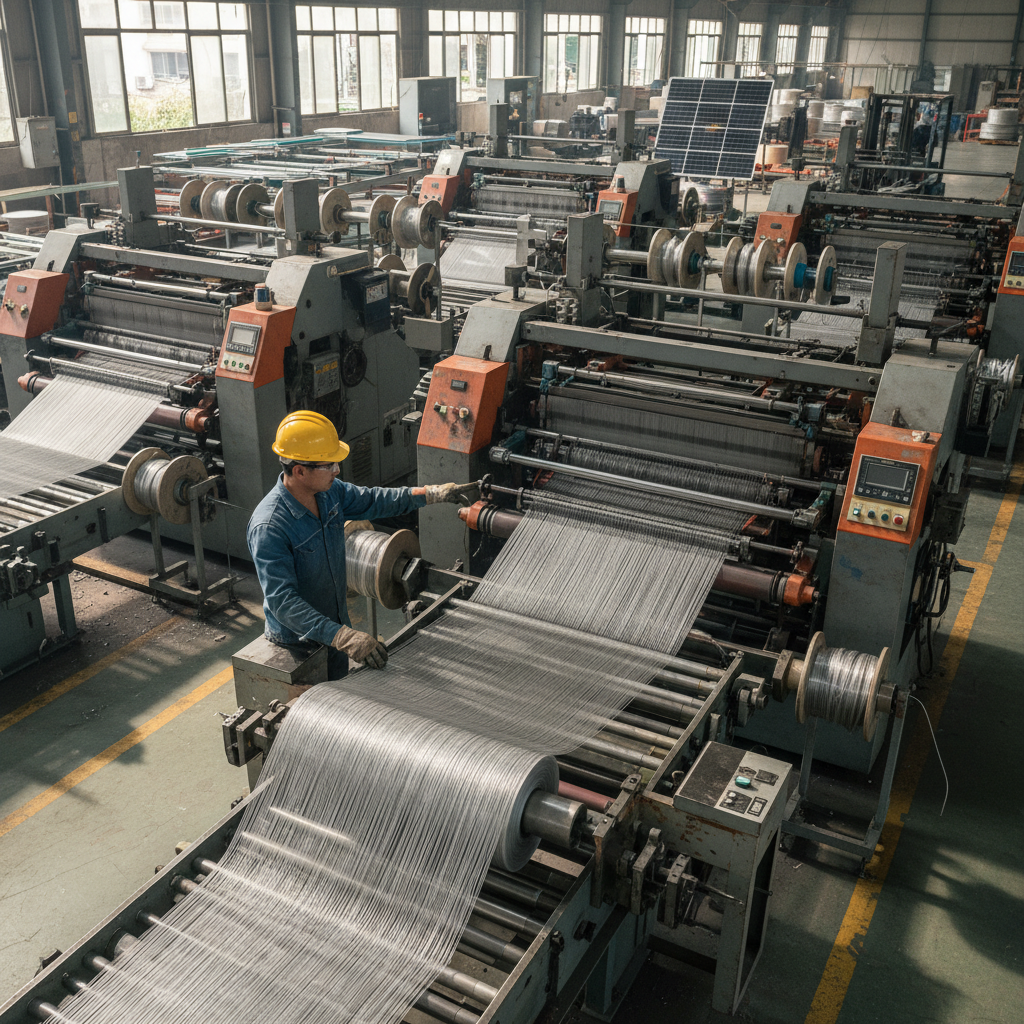
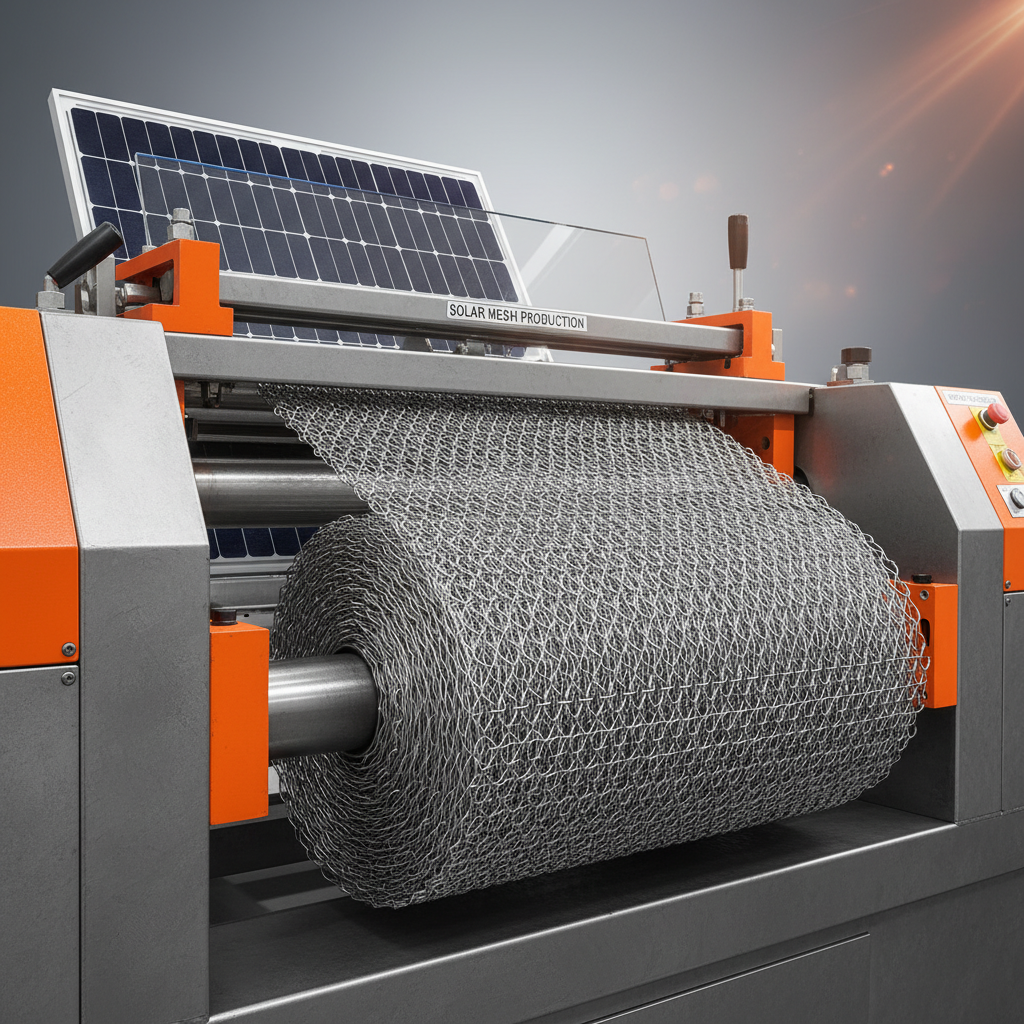
Moreover, advances in production technology (such as automated weaving and surface treatment methods pioneered by QHFilter) are making these products more accessible and affordable, helping the market grow in both scale and sophistication.
Frequently Asked Questions about Stainless Steel Mesh Screen Filter
- What is Stainless Steel Mesh Screen Filter and how does it work?
- It’s basically a metal mesh made from stainless steel wires woven into a precise pattern. Liquid or air passes through the mesh, while unwanted particles or debris are trapped, ensuring that only clean fluid moves forward in the processing system.
- What are the main benefits of using Stainless Steel Mesh Screen Filter in industrial applications?
- Durability is top-of-mind. These filters endure harsh chemicals, high temperatures, and physical wear without degrading. They’re also cost-effective over the long haul due to reusability and easier maintenance.
- How does Stainless Steel Mesh Screen Filter compare to traditional alternatives?
- Traditional filters, like fabric or plastic ones, often wear out quickly and are more prone to clogging. Stainless steel mesh offers better mechanical strength, longer lifespan, and better resistance to different environments, which all lead to better overall system uptime.
- What industries can benefit most from Stainless Steel Mesh Screen Filter implementation?
- Industries like petrochemical, pharmaceuticals, water treatment, food & beverage, and electronics manufacturing rely heavily on these filters for processes that demand fine filtration and cleanliness standards.
Conclusion on Stainless Steel Mesh Screen Filter from china
To wrap it up, Stainless Steel Mesh Screen Filters provide a highly reliable, customizable, and sustainable filtration solution for a wide range of industrial uses. Their durability combined with low maintenance and excellent filtration performance makes them a smart choice from a business perspective. If you’re scouting for dependable filters, it’s worth checking out what QHFilter offers—there's a reason their products stand out in a crowded market.
- Reliable filtration that keeps your processes smooth.
- Visit our website: https://www.qhfilter.com
Reflecting on the evolution of industrial filtration, it’s clear these stainless steel mesh filters don’t just perform – they endure. With sustainability and efficiency driving tomorrow’s industry, they seem poised for continued growth and trust.
- Industry Filtration Trends Report, 2023
- Material Durability Studies, QHFilter Technical Docs, 2022
- Environmental Impact Reviews, International Filtration Society, 2021