Understanding 5 Micron Stainless Steel Mesh: Applications, Benefits, and Future Trends
What is 5 Micron Stainless Steel Mesh and Why Does it Matter?
If you’re anywhere near water treatment, filtration, or precision industrial processes, you’ve probably heard about “5 micron stainless steel mesh.” But what exactly is it, and why does it hold such global significance? In short, this mesh is a finely woven stainless steel screen that filters particles down to 5 microns — about one-twentieth the diameter of a human hair. Understanding its role is crucial because, in an age where clean water, sustainable manufacturing, and industrial efficiency are paramount worldwide, this mesh is quietly doing a lot of heavy lifting.
Globally, filtration technologies like 5 micron stainless steel mesh address some urgent challenges: preventing pollutants from entering drinking water, safeguarding machinery, and meeting increasingly strict environmental regulations. Beyond industry, these meshes contribute to humanitarian projects by enabling clean water access in disaster zones or remote communities. Let’s unpack how it all fits together.
Global Context: Why 5 Micron Stainless Steel Mesh is More Relevant Than Ever
Worldwide, the demand for high-precision filtration is soaring. According to an ISO report on water quality standards, over 2 billion people lack access to safe drinking water — a problem aggravated by inadequate filtration and purification systems. Stainless steel meshes filtering down to 5 microns help bridge that gap by filtering out bacteria, sediments, and other particles effectively.
On the industrial side, the World Bank estimates that over 30% of water used globally goes into manufacturing. Inefficient filtering wastes resources and damages equipment, so industries seek reliable mesh filtration to cut costs and emissions.
But there’s also the climate challenge. As countries pivot towards sustainable industries, regulations around wastewater treatment and air filtration are tightening. So whether it’s a wastewater plant in Europe, a mining operation in Australia, or a humanitarian aid project in Sub-Saharan Africa, that fine 5 micron stainless steel mesh makes a tangible difference.
Defining the 5 Micron Stainless Steel Mesh
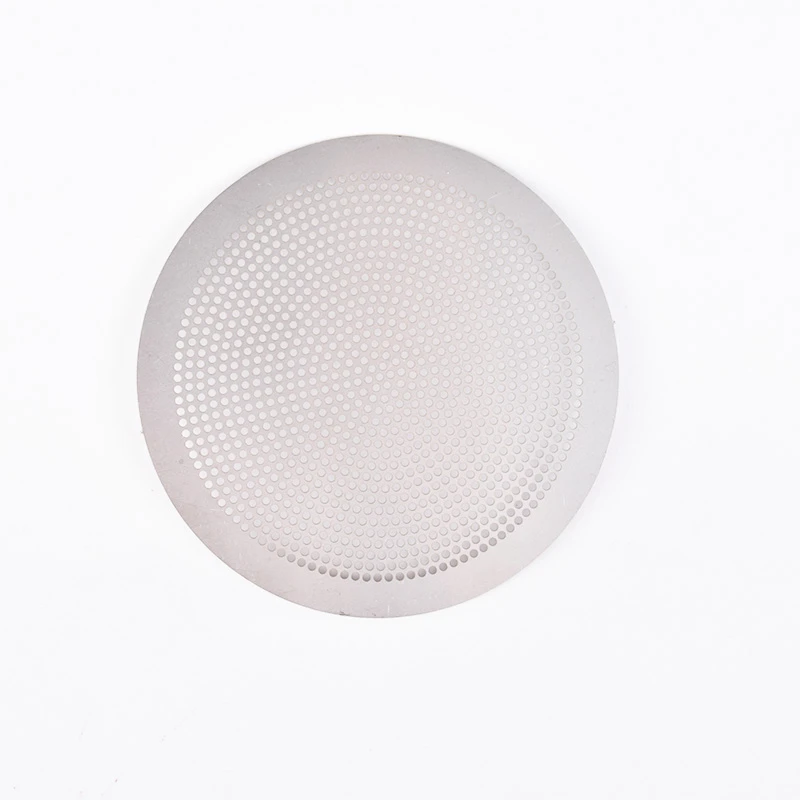
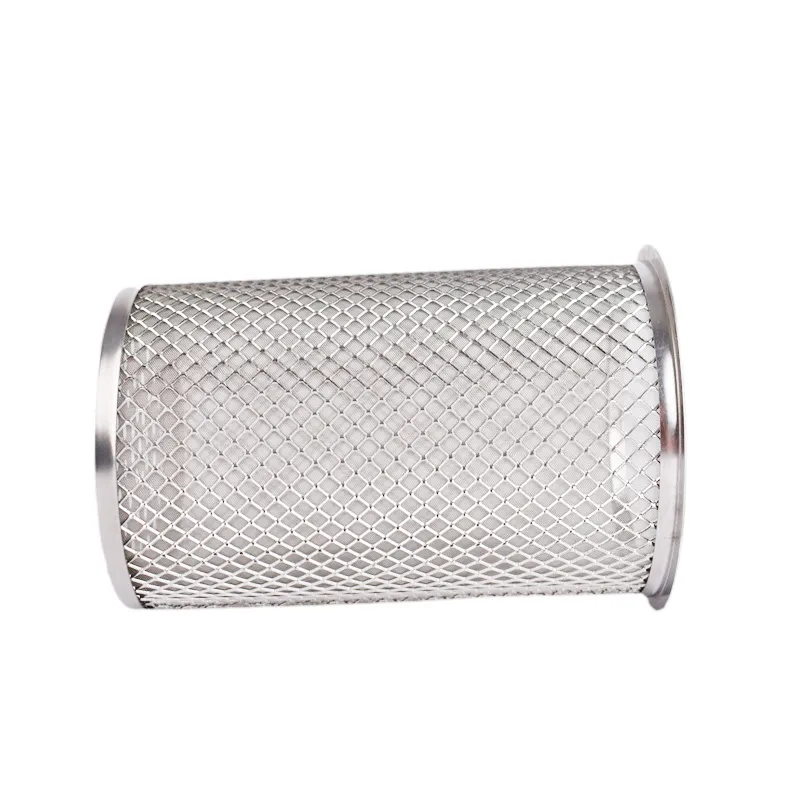
Put simply, a 5 micron stainless steel mesh is a woven or perforated screen made from corrosion-resistant stainless steel, sized so it can trap particles down to 5 microns in diameter. This fine mesh balances strength with precision — capable of enduring harsh environments while maintaining filtration integrity.
Why stainless steel? Other materials might corrode, degrade, or introduce contaminants, but stainless steel stays durable and food-safe in many contexts. The mesh’s tight weave means it’s used not just for filtering debris but also microorganisms, making it vital in food processing, pharmaceuticals, and even aerospace industries.
Mini Takeaway: At its core, this mesh filters microscopic particles reliably and durably — critical for clean water, safe production, and environmental protection worldwide.
Core Factors That Make 5 Micron Stainless Steel Mesh Essential
Durability and Corrosion Resistance
The stainless steel composition means it withstands chemical, mechanical, and thermal stresses — sustaining filtration performance over years. This durability is invaluable in chemical plants or marine applications where harsh exposure is routine.
Precision and Consistency
Every mesh must meet exact micron ratings to ensure predictable filtration outcomes — a must in industrial processes or wastewater treatment. The 5 micron level is a sweet spot, fine enough for pathogen removal but coarse enough to prevent clogging.
Ease of Cleaning and Maintenance
Unlike disposable filters, these meshes can be cleaned repeatedly with minimal degradation. This translates into cost savings and reliability, especially for continuous operations.
Scalability and Customization
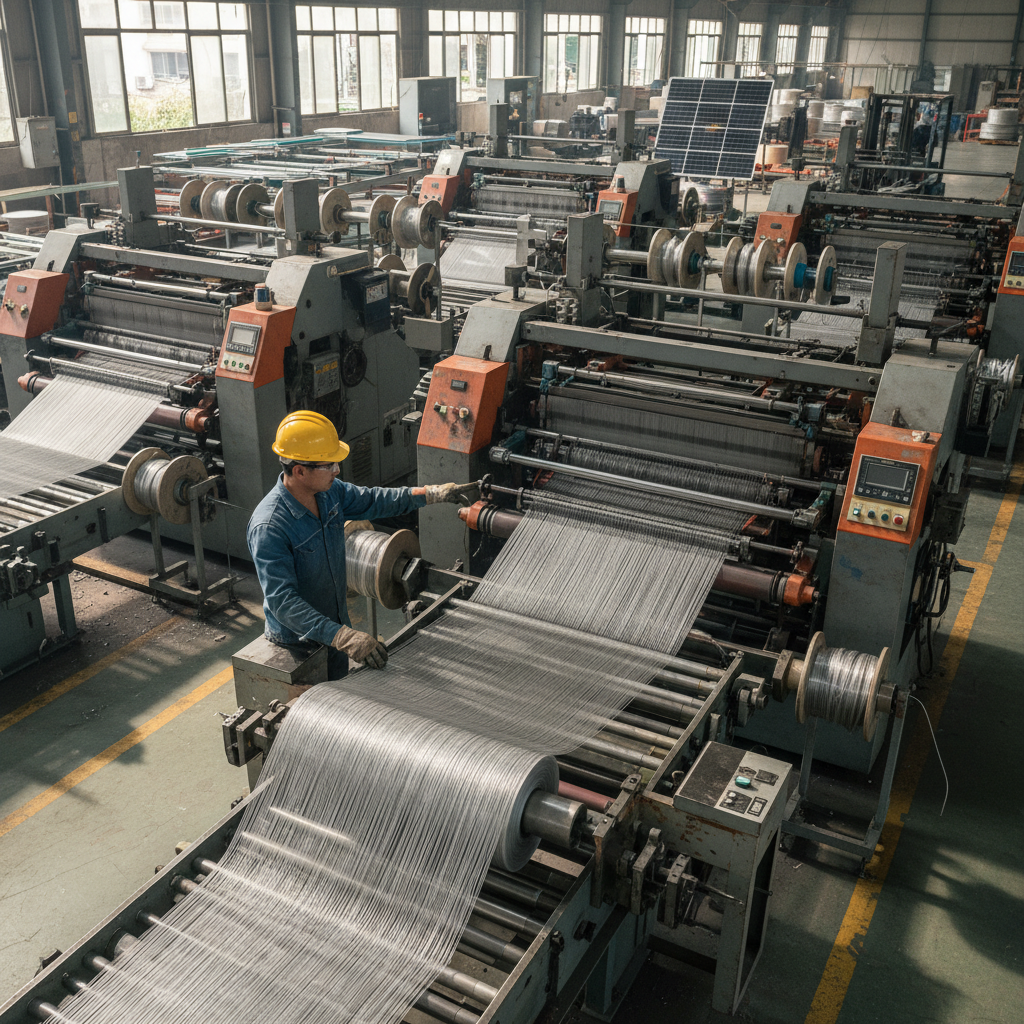
Manufacturers can produce this mesh in rolls, sheets, or custom shapes to fit different filtration systems — from large municipal plants to portable water purifiers used in disaster zones.
Cost-Efficiency Over Time
While initial costs may be higher than plastic filters, the extended lifespan and reusability often lower total costs, especially in demanding environments.
Corollary: When these factors combine, you get a durable, precise, and economical filtration medium suitable across industries and geographies.
Real-World Global Applications of 5 Micron Stainless Steel Mesh
The versatility of 5 micron stainless steel mesh means it shows up everywhere — sometimes under the radar, but always crucial.
- Water Treatment Plants: Municipalities in Europe and Asia rely on fine mesh filters to meet strict drinking water standards set by the World Health Organization (WHO).
- Food & Beverage Industry: Used extensively in brewing, dairy, and edible oil production to remove particulates without leaching contaminants.
- Pharmaceutical Manufacturing: Ensures year-over-year compliance with Good Manufacturing Practice (GMP) requirements by providing sterile filtration stages.
- Post-Disaster Relief: NGOs working in flood-affected regions deploy portable water purifiers incorporating this mesh to provide safe drinking water swiftly.
- Industrial Cooling Systems: Used to filter cooling water in manufacturing plants to prevent machinery wear and downtime.
Mini Takeaway: From remote aid camps to high-tech factories, 5 micron stainless steel mesh helps maintain safety, quality, and sustainability.
Advantages: Why Invest in 5 Micron Stainless Steel Mesh?
- Long-Term Reliability: Withstands harsh environments and frequent cleaning.
- Environmental Sustainability: Reusable and recyclable, unlike disposable filters, promoting circular economy approaches.
- Cost Savings: Reduces equipment maintenance and replacement.
- Enhanced Safety and Dignity: Plays a part in delivering clean water, impacting health and quality of life.
- Innovation Friendly: Compatible with new filtration tech such as nanocoatings or antimicrobial treatments.
In real terms, investing in these meshes feels like future-proofing your filtration needs: reliable today, adaptive tomorrow.
Looking Ahead: Future Trends Around 5 Micron Stainless Steel Mesh
The filtration industry isn’t standing still. Innovations include surface treatments to reduce fouling or biofilm formation, integration with smart sensors to monitor clogging, and advances in stainless steel alloys that improve strength-to-weight ratios.
Emerging environmental policies are also driving demand for more efficient and sustainable filter materials. For example, the push towards net-zero emissions means wastewater recovery systems incorporating stainless steel meshes will see broader adoption.
Oddly enough, digital transformation is touching these seemingly “analog” filtration systems by embedding IoT monitoring and predictive maintenance — so mesh lifespan and performance can be optimized remotely.
Challenges & Clever Solutions
Of course, no technology is perfect. 5 micron stainless steel mesh can suffer from clogging, initial cost barriers, and sometimes requires specialized installation.
Experts suggest a few ways around this:
- Regular Backflushing Systems: Automated cleaning reduces downtime and manual labor.
- Hybrid Filtration Systems: Combining meshes with membranes or cartridge filters to extend life and improve filtration depth.
- Custom Fabrication: Tailoring mesh weave and thickness to particular fluids or environments, which improves efficiency.
So, while there are obstacles, clever engineering and maintenance practices keep this mesh in the frontline of filtration tech.
Product Specification Table: Typical 5 Micron Stainless Steel Mesh
| Specification | Detail |
|---|---|
| Mesh Opening Size | 5 microns (0.005 mm) |
| Wire Diameter | 30–100 microns |
| Material Grade | 304 or 316 Stainless Steel |
| Weaving Type | Plain or Twill Weave |
| Maximum Temperature | Up to 800°C |
| Corrosion Resistance | Excellent in oxidizing and mildly reducing atmospheres |
Vendor Comparison: Key Players in 5 Micron Stainless Steel Mesh
| Vendor | Mesh Quality | Customization Options | Price Range | Lead Time |
|---|---|---|---|---|
| SteelMesh Pro | Ultra-tight weave with consistent micron rating | Full custom rolls, shapes, and coatings | $$$ | 2–3 weeks |
| FilterTech Ltd. | Standardized mesh for bulk orders | Limited shapes, primarily rolls | $ | 1 week |
| QH Filter Co. | Premium grade with multiple weave options | Highly customizable, including coated blends | $$ | 1–2 weeks |
Common Questions About 5 Micron Stainless Steel Mesh
Q1: What are the main benefits of using 5 micron stainless steel mesh over plastic filters?
Steel meshes offer superior durability, chemical resistance, and heat tolerance compared to plastic filters. They can be cleaned and reused multiple times, reducing waste and long-term costs. They also avoid the microplastic pollution associated with plastic filters, making them a greener choice for industries aiming for sustainability.
Q2: How long does a 5 micron stainless steel mesh typically last in industrial filtration?
With proper maintenance, including routine cleaning and avoiding mechanical damage, these meshes can last 3 to 10 years depending on the application and environment. Factors like chemical exposure and operating temperature play a role, but their robust nature generally translates to long service life.
Q3: Can 5 micron stainless steel mesh be customized in shape and size?
Yes, many suppliers offer customization to fit specific filtration equipment. You can get meshes as rolls, cut sheets, tubes, or complex shapes. Coatings or special finishes are also available to enhance corrosion resistance or reduce biofouling.
Q4: Is stainless steel mesh safe for use in food and pharmaceutical applications?
Absolutely. Stainless steel grades 304 and 316 used for mesh comply with industry food safety standards. Their resistance to contamination and corrosion makes them a preferred choice in such regulated environments.
Q5: How can organizations source reliable 5 micron stainless steel mesh internationally?
Reputable manufacturers and distributors, such as 5 micron stainless steel mesh suppliers, typically assist with global shipping, certifications, and compliance documentation. Partnering with established vendors ensures product quality and smooth customs clearance.
Wrapping It Up: The Invisible Guardians of Clean Water and Industry
5 micron stainless steel mesh might sound like a niche technical product, but its global impact spans water safety, industrial efficiency, and environmental health. Durable, precise, and adaptable, it meets modern filtration challenges head-on with a silent reliability that's hard to match. For anyone involved in water treatment, manufacturing, or sustainability projects, investing in these meshes makes long-term sense.
And if you’re curious to explore quality 5 micron stainless steel mesh and custom filter solutions, take a look at our supplier page for detailed product options and expert advice.
Mini Takeaway: This seemingly simple mesh is a linchpin in global efforts to clean water, power industry, and innovate sustainably.
References: