The Definitive Guide to Sieve Stainless Steel Mesh for Industrial Buyers
Sieve Stainless Steel Mesh is a key solution in the industry, specifically within industrial filtration, mining, chemical processing, and food production. This article explores how https://www.qhfilter.com supports professionals with durable, high-performance products, and explains why this product is an ideal choice for businesses in these sectors.
Table of Contents
- Sieve Stainless Steel Mesh Overview
- Benefits & Use Cases of Sieve Stainless Steel Mesh
- Cost, Maintenance & User Experience
- Sustainability & Market Trends
- Frequently Asked Questions
- Conclusion on Sieve Stainless Steel Mesh from China
Sieve Stainless Steel Mesh Overview
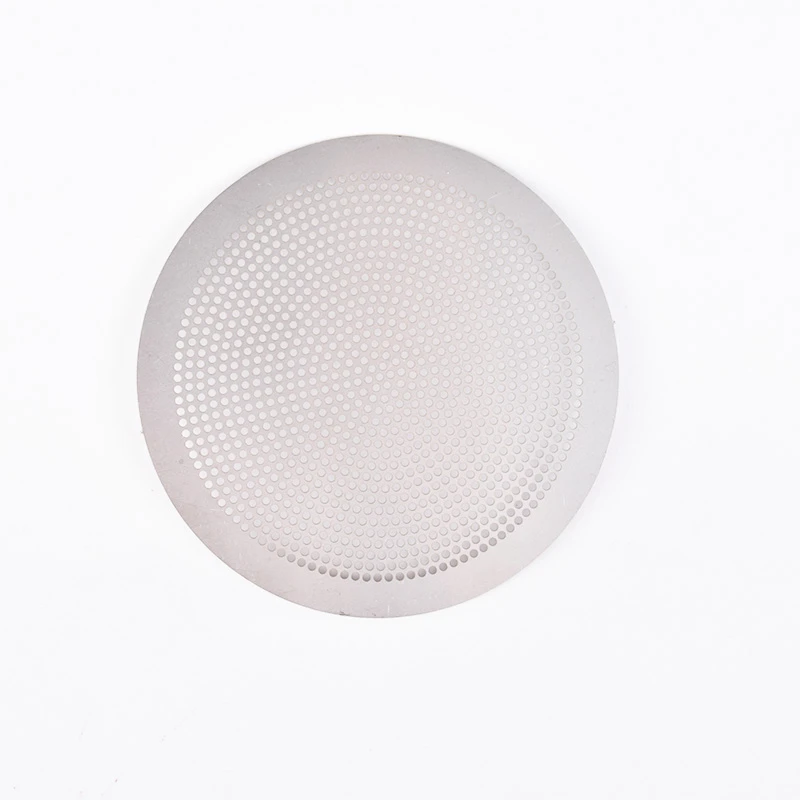
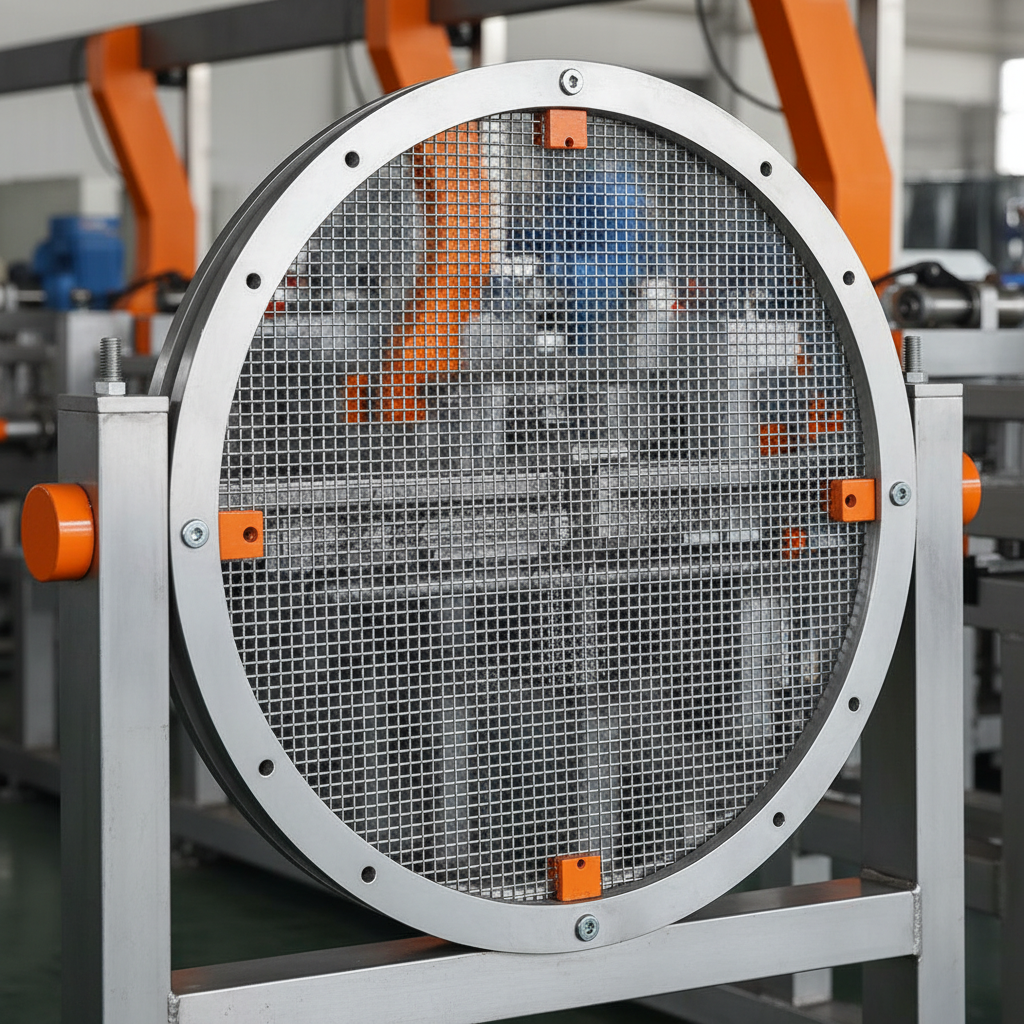
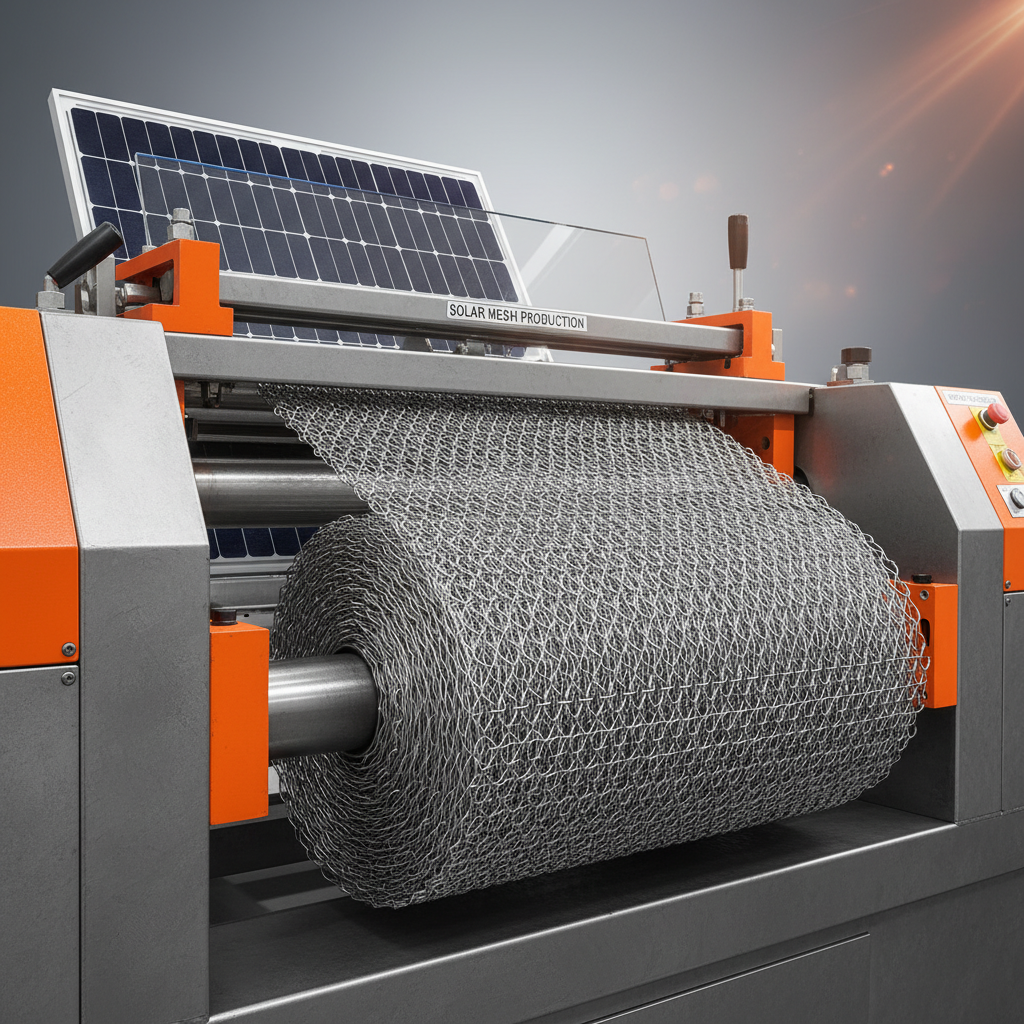
So, what exactly is a Sieve Stainless Steel Mesh? At its core, it’s a finely woven mesh made from stainless steel wires, designed to filter, sieve, and separate particles across a range of industrial uses. Its appeal lies in its resilience — stainless steel offers excellent corrosion resistance, high tensile strength, and the ability to withstand harsh environments without losing integrity. If you’ve ever handled or seen mining, food processing, or chemical refining, there’s a good chance sieve mesh is quietly doing a great deal of heavy lifting behind the scenes.
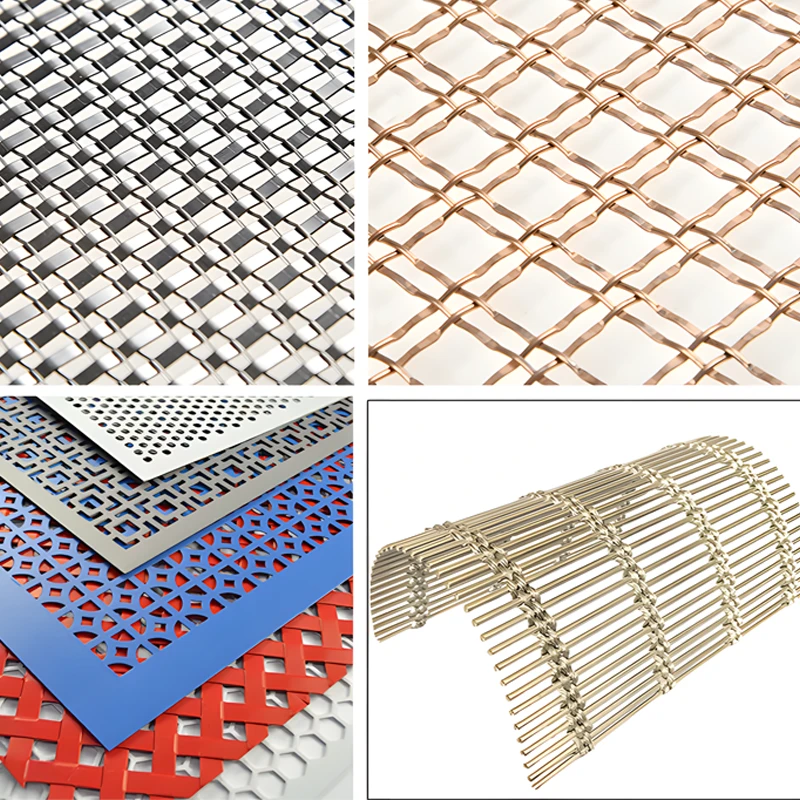
Technically, these meshes come with different weave patterns and aperture sizes — from very fine openings for powder filtering to larger spaced meshes for coarse screening. For example, a typical stainless steel mesh specification might be 304 or 316-grade steel, wire diameters ranging from 0.05mm to over 1mm, and an aperture size tailored to specific particle sizes. Companies such as QH Filter offer customizable solutions, ensuring their mesh meets precise process requirements. On a practical note, one mining company we’ve chatted with improved ore sorting efficiency by switching to a more durable stainless steel mesh from QH, which stands up better to abrasion and reduces downtime dramatically.
| Parameter | Range / Value | Notes |
|---|---|---|
| Material Grade | 304, 316 Stainless Steel | Corrosion-resistant, food-grade options |
| Wire Diameter | 0.05mm – 1.2mm | Depends on mesh aperture size |
| Aperture Size | 20 microns – 5mm | Tailored to particle size requirement |
| Weave Types | Plain, Twill, Dutch Weave | Affects strength & filtration characteristics |
| Max Width | 2 meters | Custom cut-to-size options available |
Benefits & Use Cases of Sieve Stainless Steel Mesh
You might wonder why many companies keep coming back to stainless steel mesh as their sieve of choice. Well, the benefits are pretty straightforward — it’s tough, reliable, and versatile. For example, in the food processing industry, it’s critical to have screens that won’t rust or contaminate products. Stainless steel meshes fit that bill perfectly, meeting stringent hygiene standards.
In mining and chemical industries, durability counts. The mesh has to resist abrasion, chemical attack, and constant exposure to dust and moisture. Sieve Stainless Steel Mesh from quality suppliers like QH Filter often comes with specialized coatings or weaves to maximize lifespan and filtration precision. Many engineers praise Dutch weave mesh varieties for their effectiveness in fine filtration tasks, as they offer a tight weave combined with strong structural integrity.
And one not-so-small benefit: these meshes can be customized to fit almost any machine or process, which frankly keeps downtime low and productivity high. That’s the kind of flexibility B2B buyers look for because, in real terms, it saves headaches downstream.
Cost, Maintenance & User Experience
When looking at total cost of ownership, stainless steel meshes really come into their own. Sure, they might have a higher upfront cost compared to cheaper materials like plastic or mild steel mesh — but over time, their resistance to corrosion and wear means fewer replacements and less maintenance.
From feedback gathered direct from industrial customers, many report saving tens of thousands annually by switching to premium stainless sieve mesh. It’s not just about the material, either; QH Filter offers expert advice and testing to ensure each mesh is fit for purpose — which reduces guesswork and improves application efficiency. The mesh is also fairly straightforward to clean, even in heavy production environments, which sometimes feels like an underrated factor when deciding on equipment parts.
| Vendor | Material Grades | Customization | Typical Lead Time | Price Range |
|---|---|---|---|---|
| QH Filter | 304, 316 | High (custom weave, dimensions) | 1-3 weeks | Mid-High |
| Competitor A | 304 only | Medium (standard sizes) | 2-4 weeks | Mid |
| Competitor B | 304, 316L | Low (few options) | 3-5 weeks | Low-Mid |
Sustainability & Market Trends
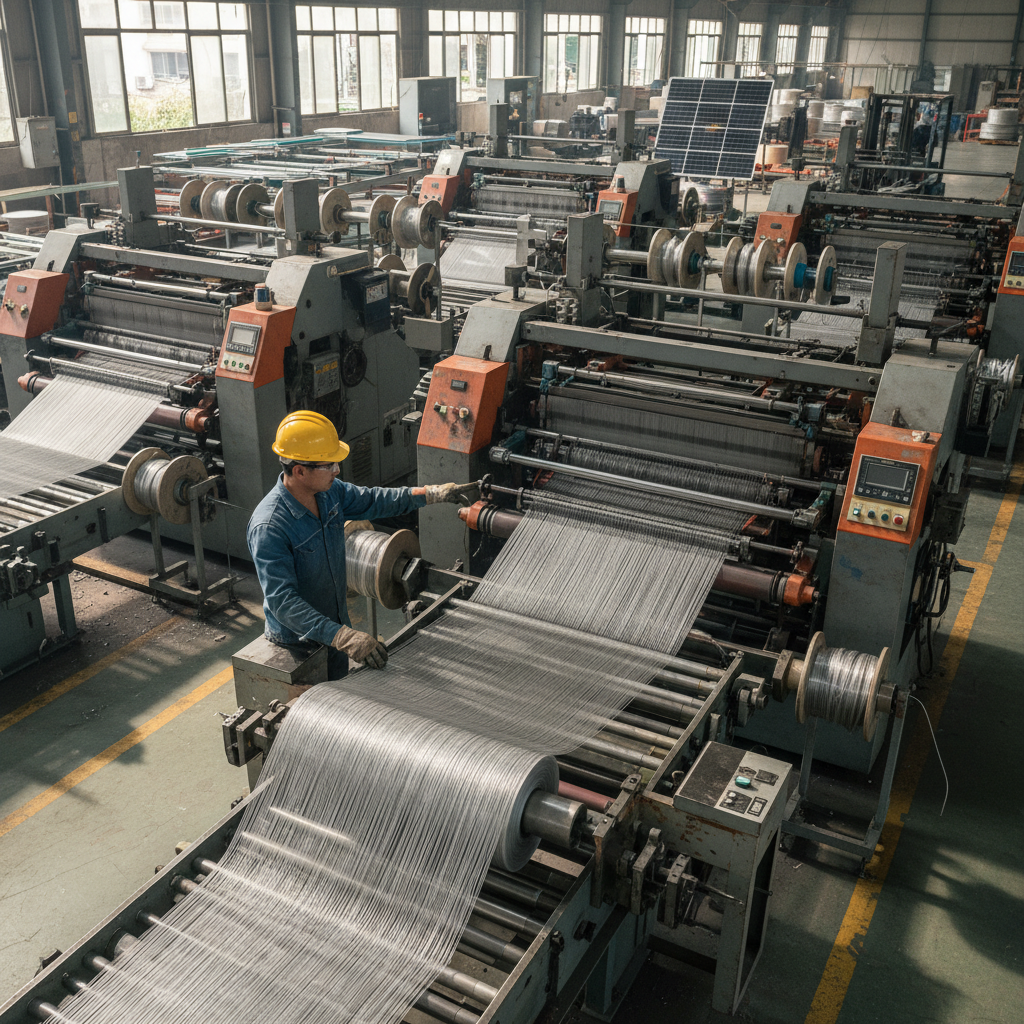
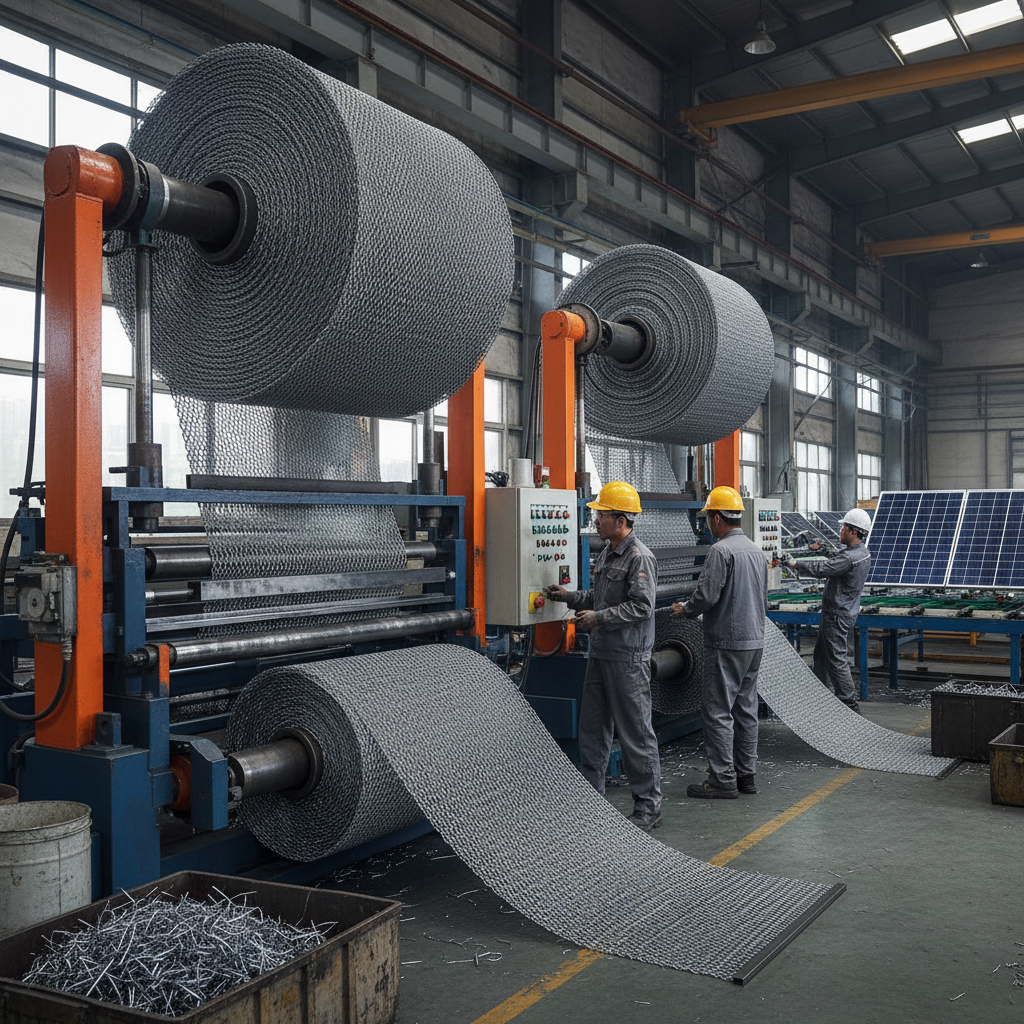
The sustainability angle is becoming impossible to ignore. Stainless steel meshes are fully recyclable at the end of their life cycle, which is huge when compared to synthetic or coated materials that often end up in landfills. Plus, advances in manufacturing mean less scrap and more energy-efficient production — companies like QH Filter are increasingly adopting greener practices.
On the market front, I’ve noticed a steady growth in demand tied to stricter industry regulations demanding cleaner processes and improved product quality. For example, food and pharmaceutical sectors are pushing harder for accuracy and hygiene in filtration — which naturally puts Stainless Steel Mesh in the spotlight as a reliable enabler. This technology feels like it’s poised for steady expansion, frankly, as more industries realize how material choice impacts product lifespan, safety, and environmental impact.
Frequently Asked Questions about Sieve Stainless Steel Mesh
- What is Sieve Stainless Steel Mesh and how does it work?
- It’s a woven mesh made from stainless steel wires that filters particles based on size. As fluids or powders pass through, the mesh acts like a sieve, separating out unwanted debris or solids. Thanks to its metal composition, it holds up well to heat and abrasion.
- What are the main benefits of using Sieve Stainless Steel Mesh in industrial applications?
- Durability is king — resistance to corrosion, wear, and extreme conditions means less downtime and longer service life. It also maintains filtration precision and can be cleaned easily, which is essential in food and pharmaceutical settings.
- How does Sieve Stainless Steel Mesh compare to traditional alternatives?
- Unlike plastic or mild steel meshes, stainless steel offers superior corrosion resistance and mechanical strength. This translates into a more reliable filter, especially in harsh industrial environments, and often better value over time despite initial costs.
- What industries can benefit most from Sieve Stainless Steel Mesh implementation?
- Key sectors include mining, food & beverage, pharmaceuticals, chemical processing, and water treatment. Each of these industries depends on precise, durable filtration and separation — exactly where stainless steel mesh shines.
Conclusion on Sieve Stainless Steel Mesh from China
To sum up, Sieve Stainless Steel Mesh offers a compelling blend of durability, flexibility, and cost-effectiveness that well suits a variety of demanding industrial environments. Choosing a trusted supplier like QH Filter means access to tailored products that keep operations running smoothly — and frankly, that peace of mind counts for a lot these days.
- Robust, customizable, and reliable filtration solutions
- Visit our website: https://www.qhfilter.com
Reflecting on these points, it’s clear that selecting the right sieve mesh isn’t just about specs, but also about the supplier’s expertise and responsiveness — a mix that ultimately shapes your operational success.