High-Quality Sieve Steel for Industrial Screening | Durable & Precise
Sieve Steel: The Backbone of Reliable Industrial Screening
Having spent more than a decade working around industrial equipment, specifically filtration and screening systems, I’ve come to really appreciate the subtle yet critical role that sieve steel plays in so many processes. You might think, "Hey, steel is steel," but frankly, in the world of sieves, it’s a different breed. It has to balance strength, durability, and precision in ways that often go unnoticed.
Oddly enough, the selection of sieve steel used in a system can make or break its effectiveness—and that’s saying something for what many perceive to be a “simple” product. Over the years, I've seen clients wrestling with wear, corrosion, or improper mesh sizing, which usually traced back to using substandard or poorly specified sieve steel. So yeah, the devil’s really in the details here.
What Makes Sieve Steel Special?
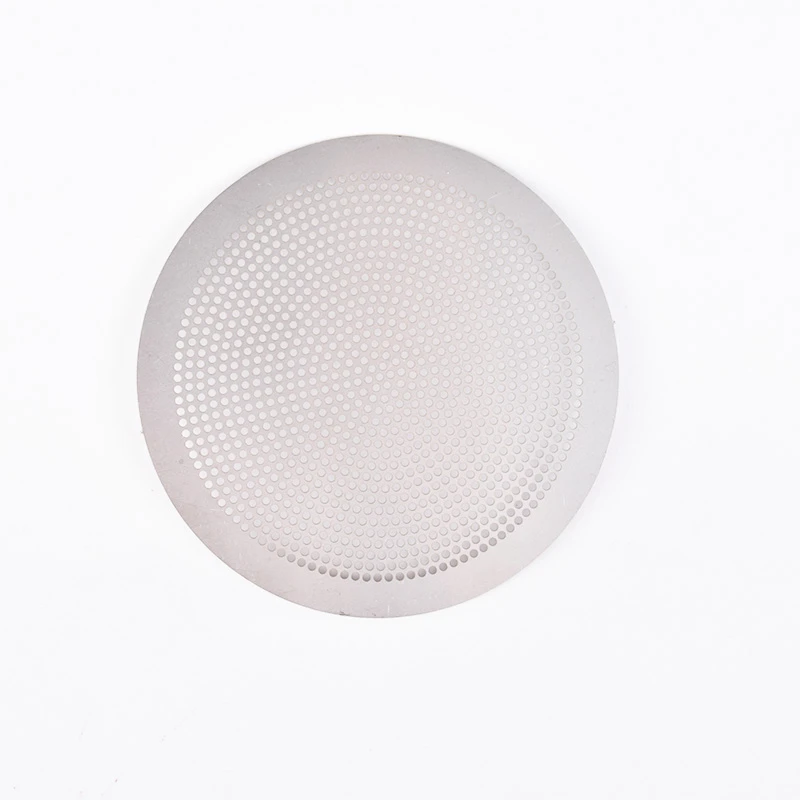
Sieve steel, by design, is a highly engineered type of stainless or carbon steel specifically crafted for durability and fine mesh screening. It must resist abrasion as particles—and sometimes particularly sharp or coarse ones—rub and slam against it. Then there’s corrosion resistance, especially if your application involves moisture or chemical exposure. That’s why grades like SS304 and SS316 come up repeatedly in specs.
From my own experience, the thickness and wire diameter feel deceptively simple on paper but drastically impact performance. If the wires are too thin, the mesh wears quickly and tears. Too thick, and screening efficiency drops because your apertures aren’t consistent. In one plant I worked at, after switching to a premium-grade sieve steel, downtime due to screen replacements was cut in half—I mean, that’s huge in production terms.
| Specification | Details |
|---|---|
| Material Grade | Stainless Steel SS304 / SS316 |
| Wire Diameter | 0.1 mm – 1.0 mm (customizable) |
| Mesh Aperture | 20 mesh (850 microns) to 500 mesh (25 microns) |
| Surface Treatment | Electropolishing / Anti-corrosion coating options |
| Typical Applications | Pharmaceuticals, food processing, mining, wastewater treatment |
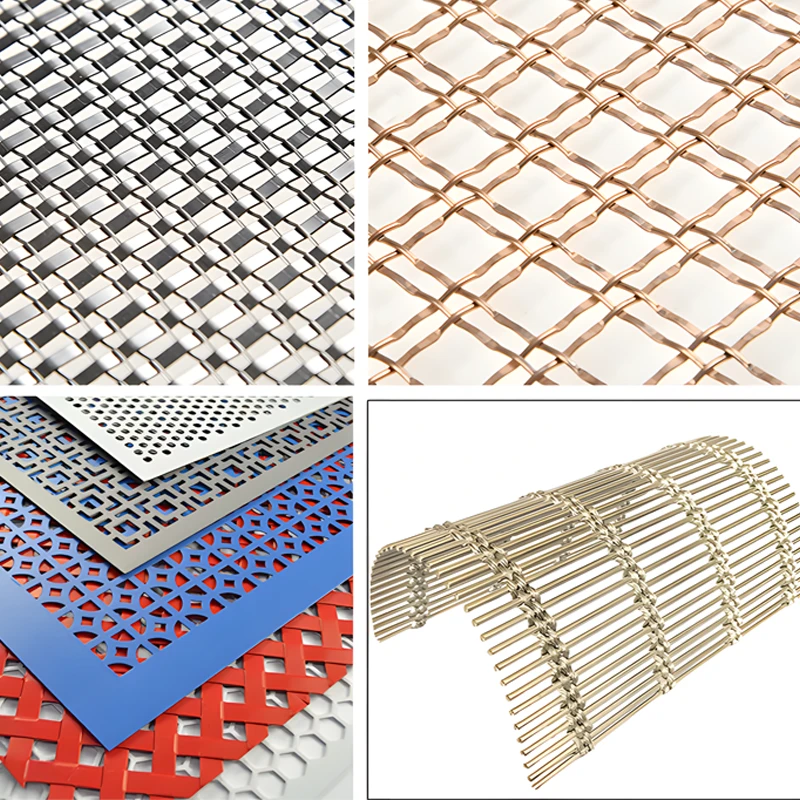
Another often overlooked thing is the weave pattern itself. Plain weave, twilled weave, or Dutch weave—all have nuances that affect flow rate and particle retention. Many engineers I know debate endlessly over which pattern suits what use case best. It honestly depends on your specific particle sizes and process environment.
Comparing Top Vendors of Industrial Sieve Steel
If you’re in the market for sieve steel, a few vendors stand out because they combine quality with customization options. Here’s a simple rundown I compiled from years of talking to suppliers and users alike:
| Vendor | Material Options | Customization | Typical Lead Time | Price Level |
|---|---|---|---|---|
| QHFilter | SS304, SS316 & carbon steel | Wire diameter, mesh size, surface finish | 2-3 weeks | Mid-range |
| Vendor A | SS304 only | Limited mesh sizes | 4-6 weeks | Budget |
| Vendor B | SS316 & specialty alloys | Highly customizable but expensive | 1-2 weeks | Premium |
One story I often recall involved a customer needing a particularly fine silicon carbide screening in a corrosive chemical environment. Their previous sieve steel kept failing within weeks. After switching to a custom electropolished SS316 mesh from a trusted vendor, their uptime increased dramatically. It felt like a small switch but made a giant difference in operational efficiency.
So, if you’re wrestling with screening challenges in your plant or process, I’d recommend treating sieve steel not as a commodity but as a critical engineering component. The right choice — whether mesh size, wire thickness, or surface treatment — pays off in fewer replacements, better throughput, and honest peace of mind.
And frankly, in industries moving toward smarter, more sustainable processes, having reliable materials like quality sieve steel becomes even more important. It feels like a small piece of a big puzzle, but without it, things just don’t run as smoothly.
In real terms: if you want durability and precision screening, look carefully at your sieve steel specs and supplier reputation before making a purchase.
Thanks for reading – I hope this gives you a clearer picture informed by hands-on experience! For more detailed product info, check out sieve steel specialist QHFilter.
References:
1. “Industrial Screening Materials Handbook,” 2021 Edition.
2. Personal communications with filtration engineers, 2015-2023.
3. QHFilter Product Catalog and Technical Sheets, 2024.