Durable SS Sieve Solutions for Industrial Filtration | QH Filter
Understanding the SS sieve: Industrial filtration’s unsung hero
Having spent more than a decade in the industrial equipment sector, I’ve come to appreciate the little things that often go unnoticed but carry huge importance — and the SS sieve is exactly one of those. In real terms, this stainless steel marvel quietly ensures that processes run smoother, products stay pure, and downtime stays low. Oddly enough, despite its simplicity, the choice and design of these sieves can dramatically impact plant efficiency, which is something I didn’t fully grasp until seeing multiple systems in action.
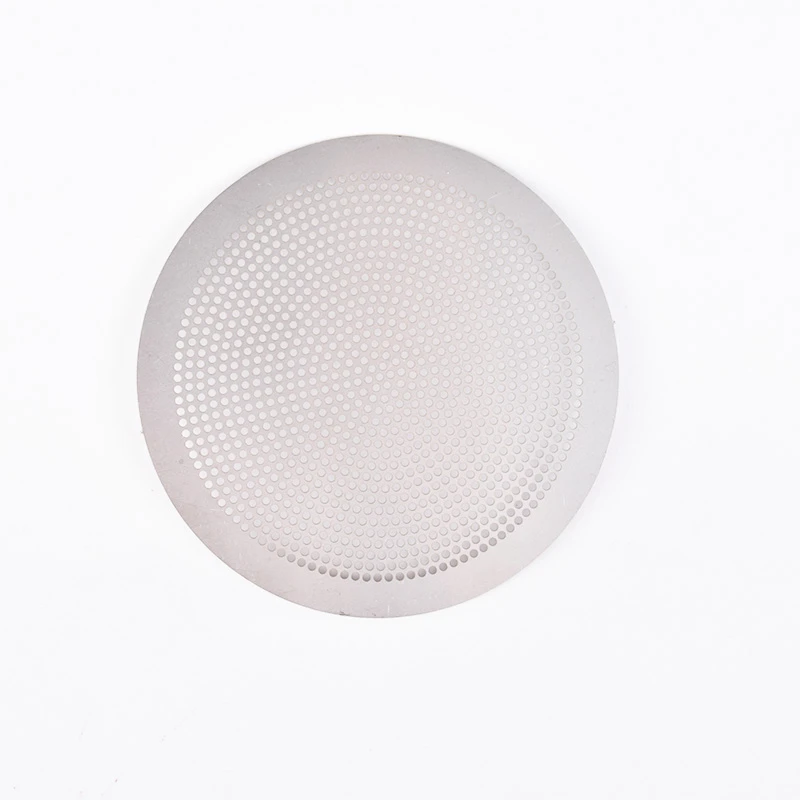
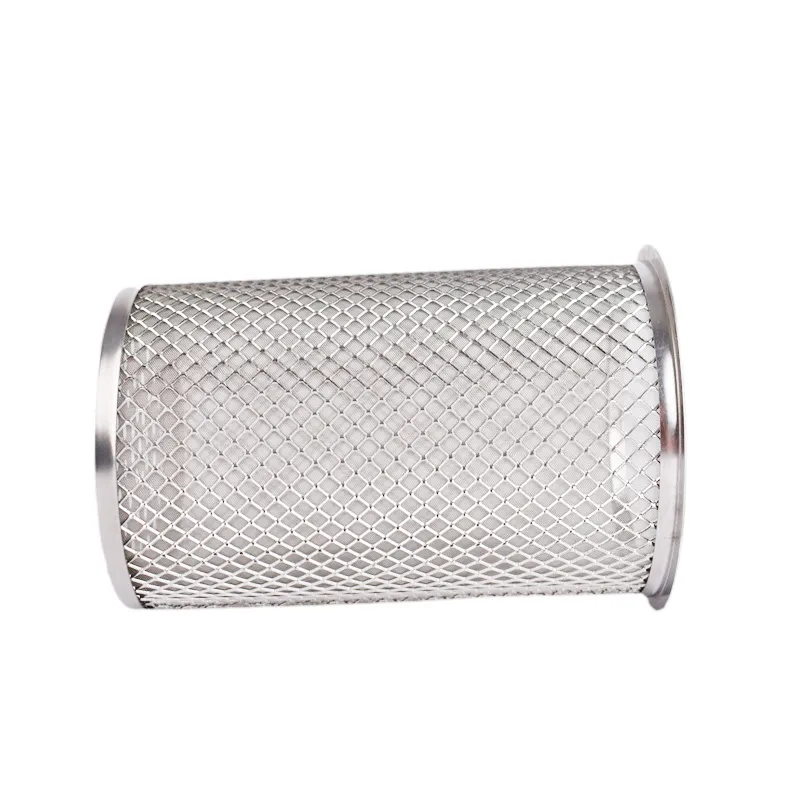
Stainless steel sieves act as critical filtration barriers. They’re everywhere: mineral grinding, chemical manufacturing, food processing, even pharmaceuticals. The stainless steel construction not only grants high corrosion resistance but also durability that withstands the harshest of operational conditions. Many engineers I know swear by SS sieves precisely because they don’t just last longer — they maintain their performance through repeated cleaning cycles, which frankly saves a lot of headache.
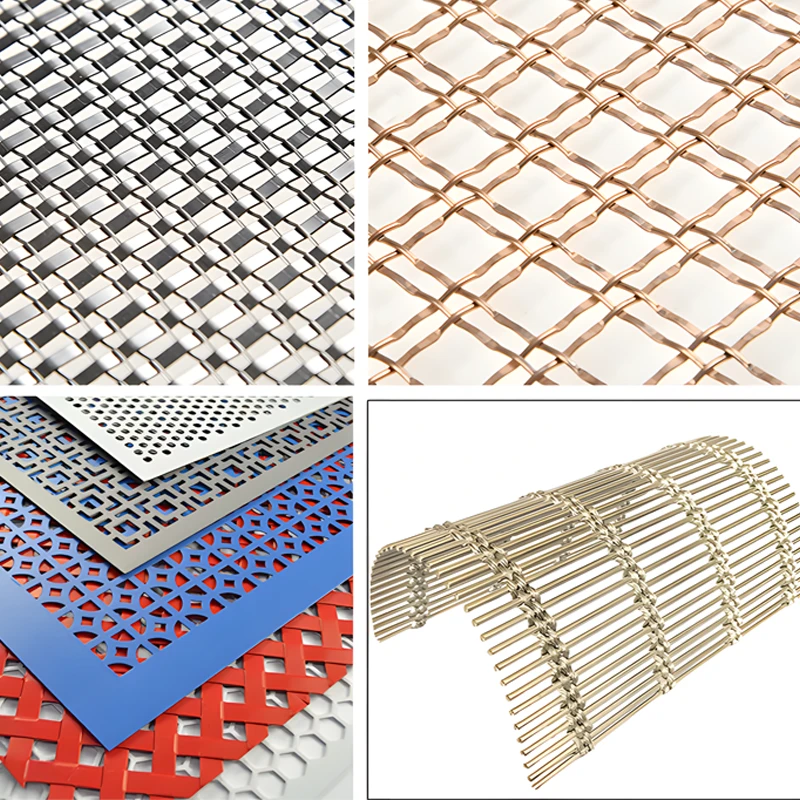
Design-wise, you’ll find sieves with various mesh sizes, wire diameters, and configurations, depending on the target particle size and flow requirements. Customization is surprisingly common, too. I remember a project where the client needed a sieve with an unusually fine mesh but robust enough to resist clogging during abrasive slurry processing. It felt like searching for the perfect balance between permeability and strength, but this particular manufacturer delivered with precision.
Testing is another angle that’s sometimes overlooked. In factory settings, sieves often go through tensile strength and corrosion resistance tests to ensure they won’t fail under stress. This is vital because once a sieve fails or lets larger particles slip through, the risks escalate — contamination, machine damage, or product recalls. So, you know, quality isn’t just about the material but also how it performs in real conditions.
To better understand what I mean, here’s a quick specs rundown of a typical SS sieve I’ve relied on for general industrial sieving:
| Specification | Details |
|---|---|
| Material | 304 / 316 Stainless Steel |
| Mesh Size Range | 10 to 300 mesh |
| Wire Diameter | 0.1mm to 1.0mm |
| Max Temperature | up to 800°C (depending on type) |
| Typical Usage | Filtration, particle sizing, contamination control |
When it comes to vendors, picking the right SS sieve supplier often comes down to quality consistency, customization options, and lead time. Below is a comparison I compiled based on frequent industry references, direct feedback, and personal experience:
| Vendor | Material Grades | Customization | Typical Delivery | Pricing |
|---|---|---|---|---|
| QH Filter | 304, 316, Duplex | High (mesh, frames, shapes) | 2-4 weeks | Medium |
| Vendor B | 304 only | Limited | 3-6 weeks | Low |
| Vendor C | 316 only | Medium | 4-5 weeks | High |
Seeing the real-world impact of high-quality SS sieves is, frankly, quite rewarding. One particular customer case stuck with me—an abrasive mineral processing plant dealing with frequent equipment clogging. After switching to a custom 316-grade SS sieve with optimized mesh size from a reliable vendor, their downtime dropped by about 30%. Not to mention, their product purity improved, which boosted customer satisfaction. So, it kind of proves that investing in quality filtration components pays off in ways beyond just filtration.
To sum up, the SS sieve is a deceptively simple component essential to many industries. Whether you’re filtering, sizing, or just keeping contaminants out, these stainless steel sieves offer durability, precision, and flexibility. If you’ve never given much thought to these, well… now might be a good time. Because in the world of industrial equipment, it’s often the small parts that keep the big machines humming.
References:
1. Industry Filtration Handbook, 2020 Edition
2. Practical Guide to Industrial Materials, J. Smith, 2019
3. QH Filter product specs & testing data, accessed 2024