Durable SS Sieve Mesh for Industrial Filtration | Quality Stainless Steel Mesh
Why Choosing the Right ss sieve mesh Matters in Industrial Equipment
If you’ve spent any meaningful time around industrial equipment—like I have over the past 15 years—you start to really appreciate the subtle but critical roles components play in overall efficiency. One such unsung hero? The ss sieve mesh. Oddly enough, these fine stainless steel meshes are often overlooked, but once you work directly with filtration or screening systems, you realize they’re practically the backbone of many processes.
Now, when I first got introduced to ss sieve mesh in a water treatment plant, I didn’t think much of it. But after seeing how a faulty mesh could clog, slow down operations, or even contaminate products, I started paying attention. Frankly, the quality, weave type, and material grade make a huge difference—something many folks outside the sector might underestimate.
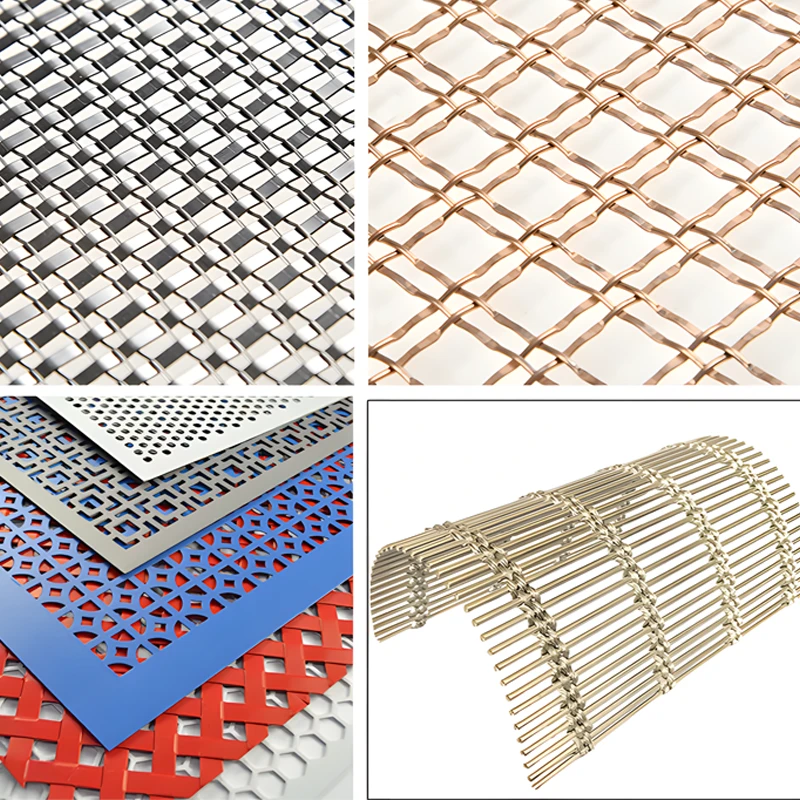
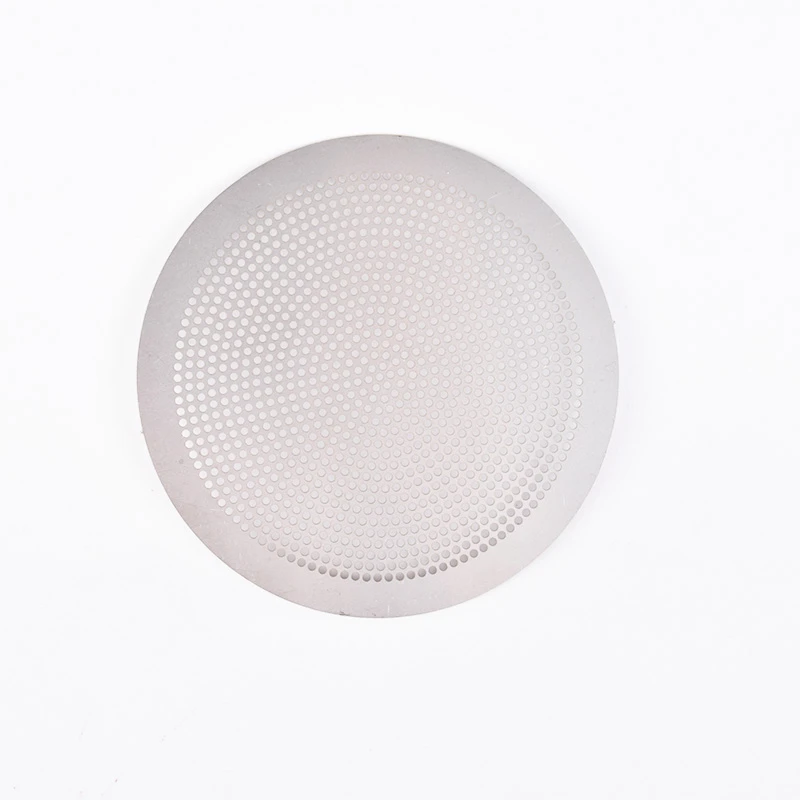
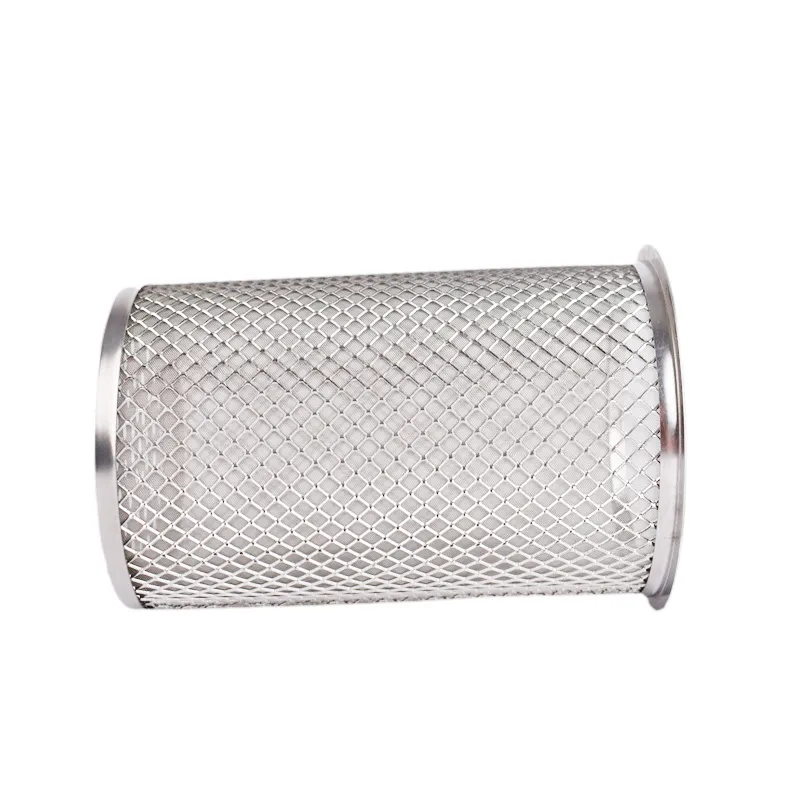
So, what exactly is an ss sieve mesh? In simple terms, it’s a woven stainless steel mesh designed to screen particles at various precision levels. You’ll find them everywhere—from chemical processing to food production—because stainless steel offers unmatched durability under harsh conditions such as corrosion, heat, and abrasion.
Material Grades and Mesh Design
Most industrial sieve meshes use grades like 304 or 316 stainless steel. Grade 316 tends to resist chlorides and acids better, which is why chemical plants tend to favor it. 304, on the other hand, is often plenty for less aggressive environments. The thickness of the wire (called wire diameter) and mesh count (number of openings per linear inch) are key to performance. I always recommend consulting with suppliers to match your product specs exactly to avoid costly downtime.
| Specification | Typical Range / Value | Notes |
|---|---|---|
| Material Grade | 304, 316 Stainless Steel | 316 preferred in chemical industries |
| Mesh Count (Openings per inch) | 10 to 400 | Finer mesh for precise filtration |
| Wire Diameter | 0.05 mm to 1.0 mm | Determines strength and flexibility |
| Weave Types | Plain, Twill, Dutch Weave | Affects flow rate & particle retention |
| Max Operating Temperature | Up to 870°C (1600°F) | Depends on material grade |
How to Choose Your Vendor: A Quick Comparison
In my experience, choosing the right supplier is as important as selecting the mesh itself. You might find tempting offers all over the internet, but not all vendors test their products as rigorously as they should. For example, QH Filter (which I link to above) is known for thorough testing and customization options—a rarity in this cramped marketplace. Here's how three typical suppliers stack up. I’m paring down to the essentials, but honestly, it pays to dig deeper.
| Vendor | Customization Options | Quality Assurance | Lead Times | Price |
|---|---|---|---|---|
| QH Filter | Wire diameter, weave, sizes | 100% inspected, industry certifications | 2–3 weeks typical | Mid-range, good value |
| Vendor B | Limited - mostly standard sizes | Basic visual inspection | 1–2 weeks, faster but quality varies | Lower cost |
| Vendor C | Custom orders available | Third-party lab tested | 3–5 weeks, longer lead time | Premium pricing |
One little anecdote: A client once switched from an off-the-shelf mesh to a custom ss sieve mesh from QH Filter. Their filtration efficiency improved by about 20%, which they said reduced maintenance headaches and saved thousands in downtime. That, for me, sums up why the 'little stuff' like mesh quality really matters.
In real terms, if your application involves corrosive fluids, high temperatures, or ultra-fine filtration, paying attention to material grade and weave type can save you the hassle of frequent replacements. Plus, a trustworthy vendor offering test certificates and responsive customer service is gold in this field.
At the end of the day, ss sieve mesh might not be the flashiest component, but it’s definitely one of the most crucial. Don’t underestimate its impact on your industrial process—trust me, years in the field have shown me it's the small things that often make the biggest difference.
Takeaway: The right stainless steel sieve mesh can transform not just your filtration quality but your entire operational workflow.
References
- Industry Filtration Magazine – Stainless Steel Mesh Materials and Applications, 2022.
- QH Filter Official Website – Product Specifications & Certifications.
- “The Art of Filtration” by Industrial Equipment Review, 2023.