Durable Stainless Sieve Mesh for Industrial Filtration | QH Filter
Stainless Sieve Mesh: Durable Precision in Industrial Filtration
After more than a decade working around industrial equipment, I've come to appreciate not only the nuts and bolts but the finer, almost invisible components—like the stainless sieve mesh. Honestly, it’s one of those quietly essential tools that keep processes smooth, clean, and efficient in sectors ranging from chemical to food processing.
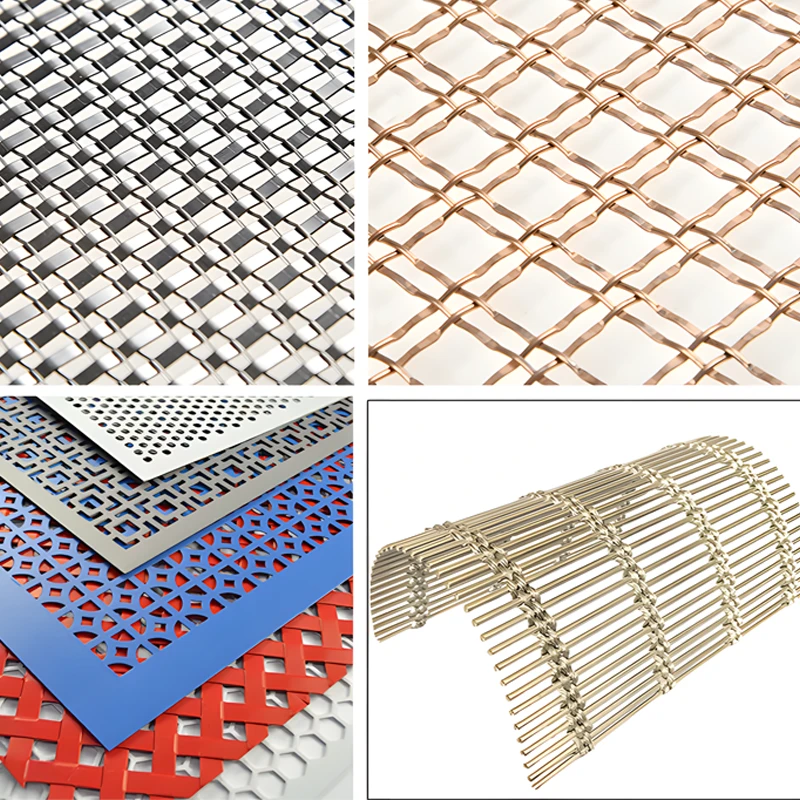
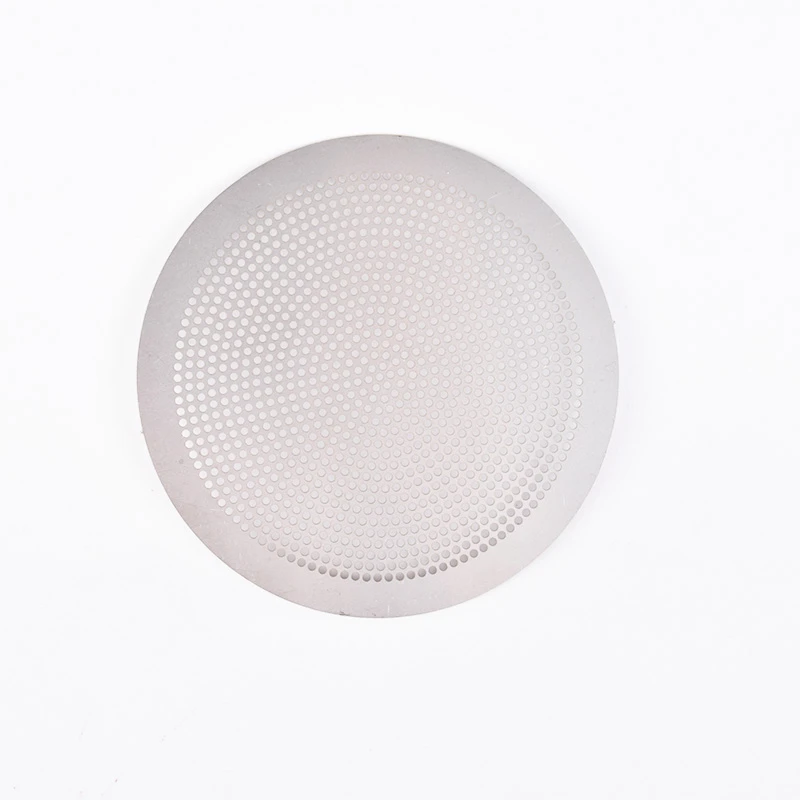
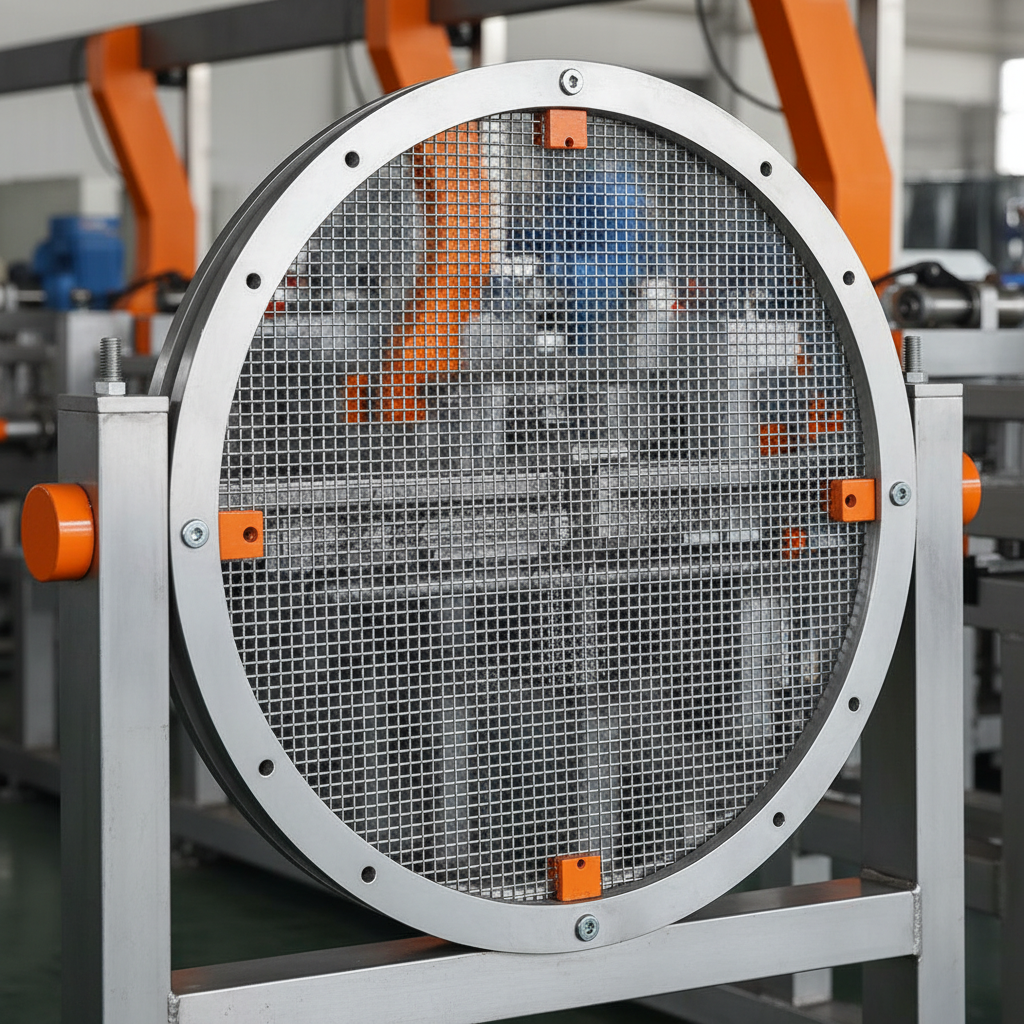
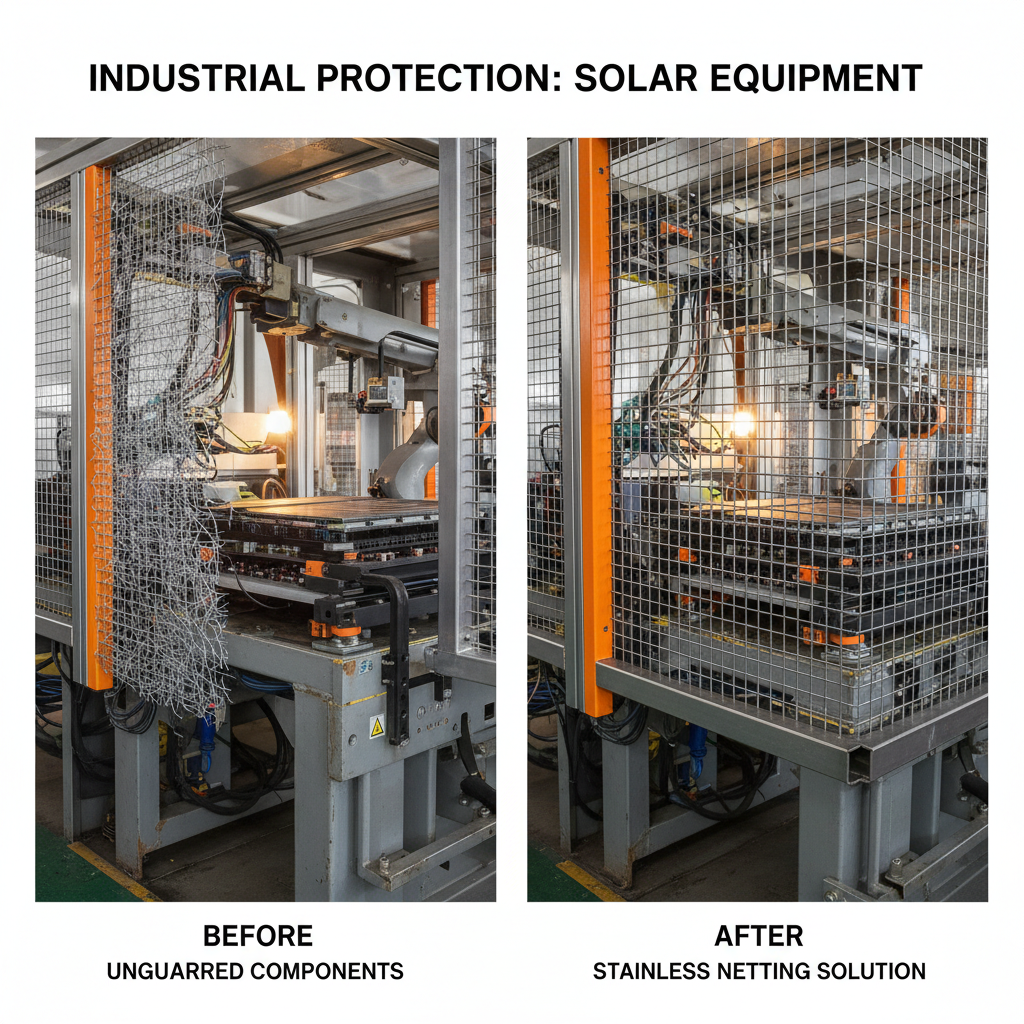
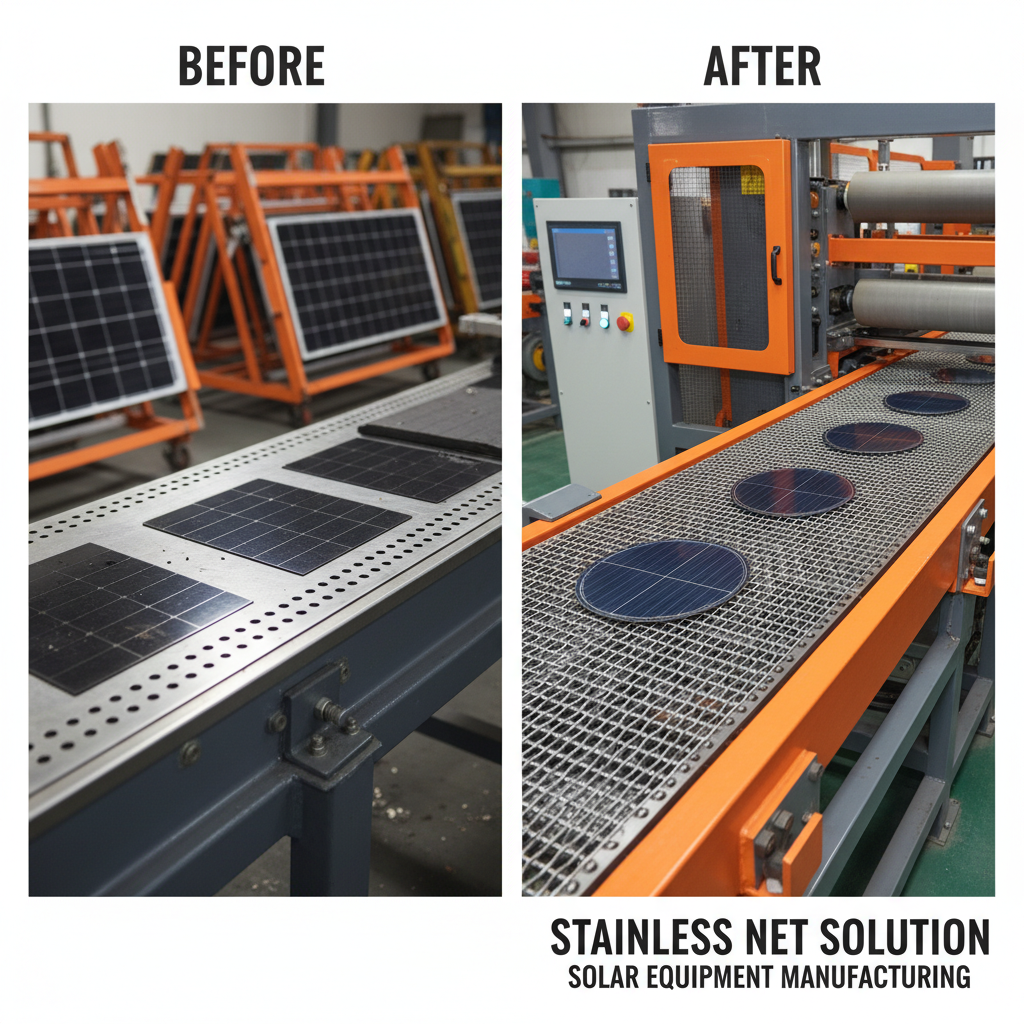
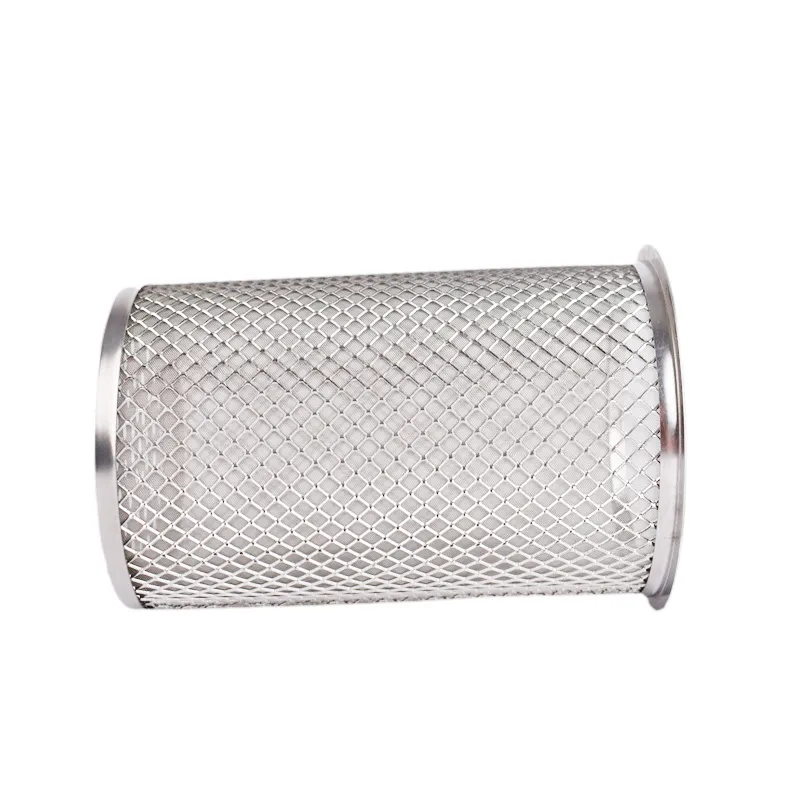
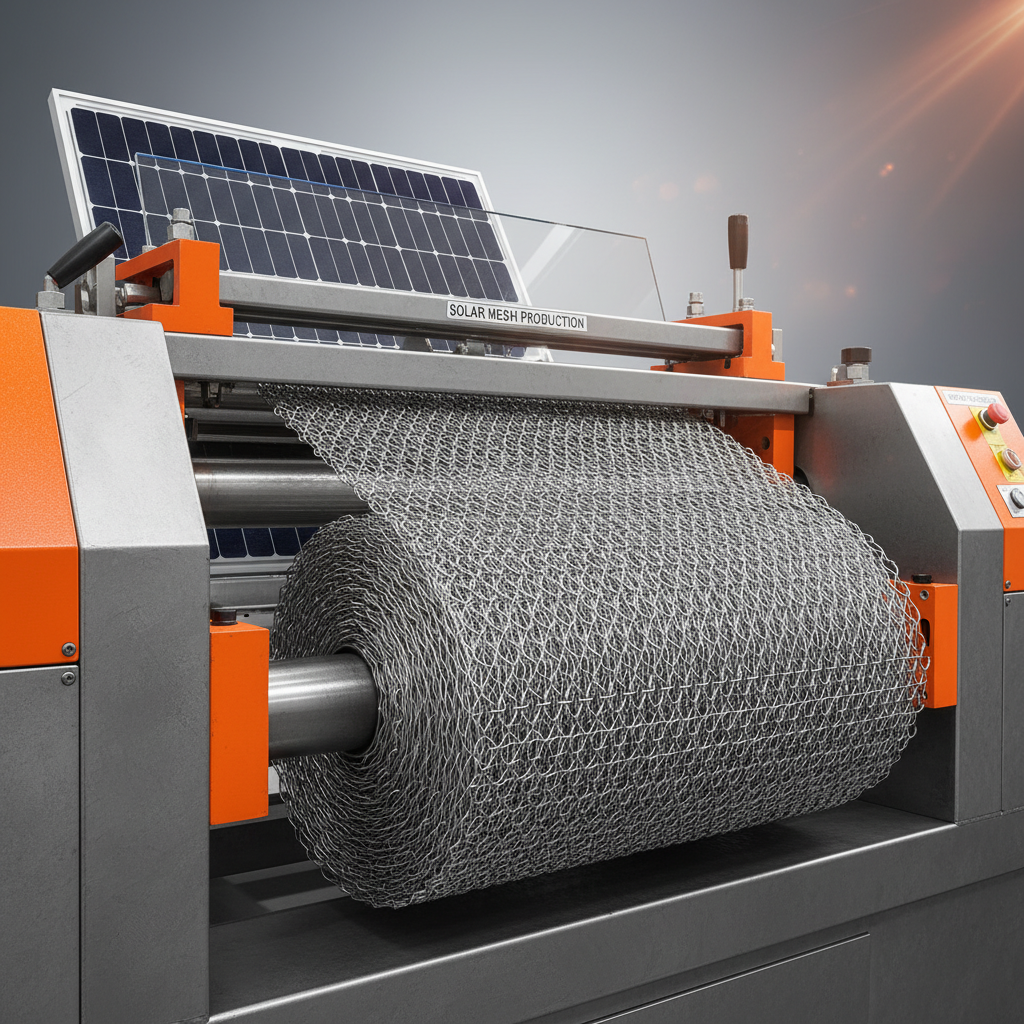
Stainless sieve mesh is exactly what it sounds like: a woven mesh made from stainless steel wires woven tightly to create a grid. The choice of stainless steel isn’t an accident—it brings resilience against corrosion, high temperatures, and mechanical wear. I've seen it hold up in some unforgiving environments, which frankly few other materials can match.
In real terms, selecting the right mesh size and wire diameter can be critical. For example, a finer mesh might be used in pharmaceuticals for very precise particle size control, whereas a coarser mesh suits aggregate or sand separation in construction. It feels like a small part, but engineers often treat it as a key specification that can make or break a filtration system’s efficiency.
Essential Specifications of Stainless Sieve Mesh
| Specification | Typical Range | Notes |
|---|---|---|
| Mesh Size (Opening) | 10 - 400 mesh | Finer mesh = smaller particles filtered |
| Wire Diameter | 0.02mm - 1.0mm | Affects strength and rigidity |
| Material Grade | 304, 316, 316L stainless steel | 316 often preferred for corrosive conditions |
| Weave Type | Plain, Twill, Dutch Weave | Impacts permeability and durability |
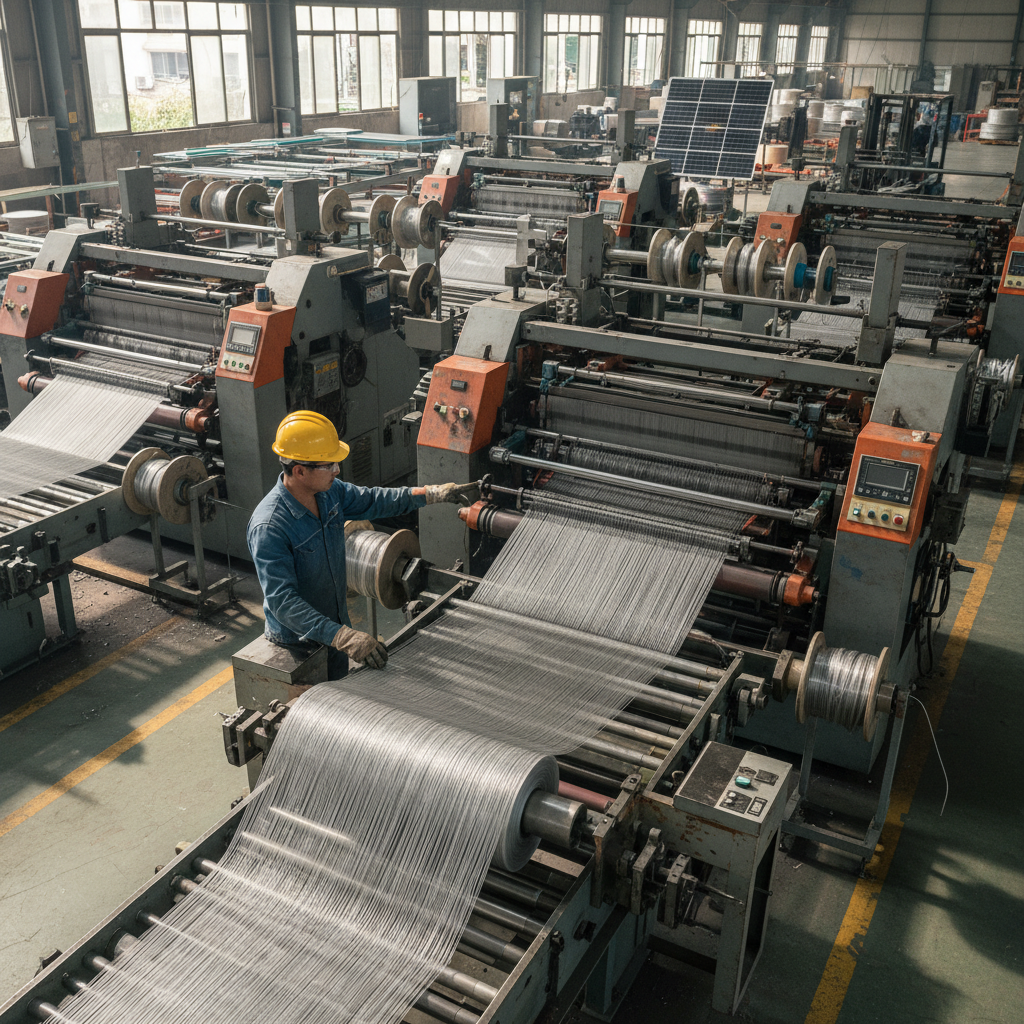
Now, manufacturers often offer customization options—frankly, this is where things get interesting. Some customers need rectangular mesh shaped to fit unique filter frames, while others want specialized coatings for contact with acids or food substances. In my experience, having a vendor who can handle tailored orders without breaking lead times is a huge asset.
Comparing Leading Stainless Sieve Mesh Suppliers
| Feature | QH Filter | Competitor A | Competitor B |
|---|---|---|---|
| Customization Options | Extensive (sizes, weaves, coatings) | Limited standard ranges | Moderate, long lead times |
| Material Grades Available | 304, 316, 316L | 304 only | 304, 316 |
| Lead Time | 1-3 weeks | 3-6 weeks | 4-8 weeks |
| Price Range | Competitive | Higher | Varies |
| Customer Support | Responsive, technical advice | Basic | Limited |
Once, I helped a client in the food-processing industry who was struggling with contamination in their flour sieving process. Switching to a custom-woven stainless sieve mesh—specifically a Dutch weave 316L grade mesh—essentially eliminated contamination from rust and debris. It was a small change but had a huge impact on product quality and uptime. It’s these little wins, a kind of silent victory, that keep you coming back for more projects.
So when you consider filtration or separation, do pay attention to the mesh. It’s not always sexy, but it’s vital. Plus, because stainless steel is so adaptable, you can count on it lasting far longer than you might expect—if you choose the right specs.
If you want to explore high-quality, customizable stainless sieve mesh options, QH Filter is definitely worth a closer look. Frankly, I’ve found their balance of quality, customization, and service to be spot-on.
At the end of the day, filtration isn’t just a process—it’s a craft, honed through materials like stainless sieve mesh, and a commitment to doing things right.
References
- Industry Filtration Handbook, 2022 Edition
- Materials Science of Stainless Steel Meshes, Journal of Industrial Textiles, 2020
- QH Filter Product Specifications and Customer Case Studies, 2023