Stainless Steel Mesh Sieve Guide | Durable Industrial Filtration
Why Stainless Steel Mesh Sieve is a Staple in Industrial Filtration
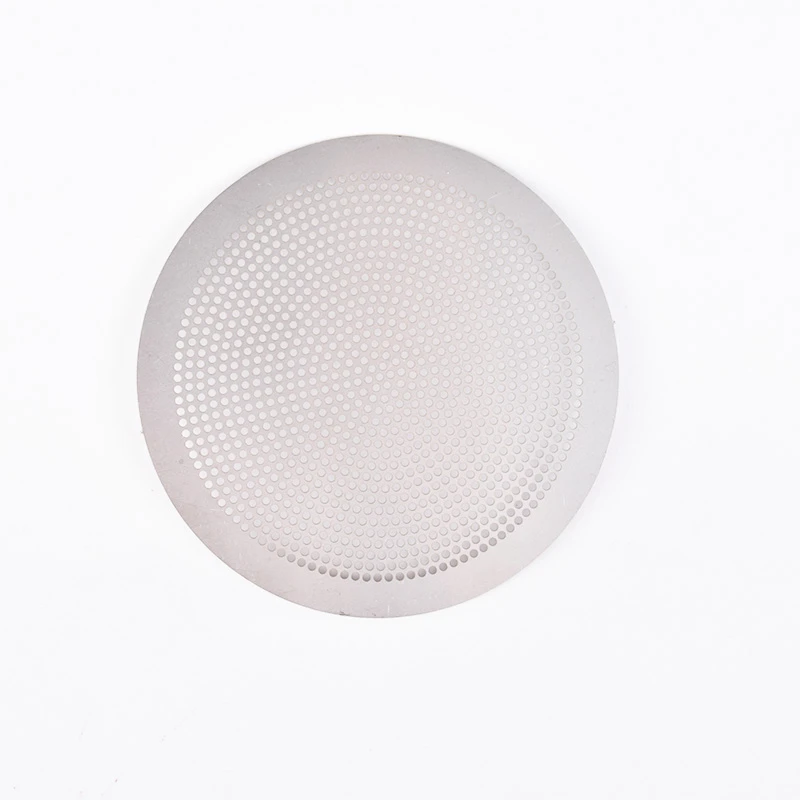
Having spent well over a decade around industrial setups, I’ve developed a particular appreciation for the humble yet indispensable stainless steel mesh sieve. It’s one of those tools that quietly but firmly stakes its claim in everything from chemical processing to food and beverage manufacturing. What’s odd though is how many newcomers underestimate it — it’s not just a screen, but a meticulously engineered component critical to filtration precision and durability.
Now, when I mention stainless steel mesh sieve, I’m talking about a product designed for resilience and exacting specs. The choice of stainless steel as the core material isn’t just for corrosion resistance, which frankly is vital — it’s also about strength, longevity, and the ability to withstand cleaning cycles, caustic substances, and varying temperatures. In my experience, the grade of steel—most often 304 or 316—can make or break performance in harsh conditions.
One memorable project was in a pharmaceutical plant, where a custom-made sieve helped drastically reduce contamination risks by ensuring particle sizes were consistently filtered. The engineers kept stressing the importance of mesh count and wire diameter, and rightly so: those tiny numbers govern flow rates and filtration accuracy.
Product Specifications at a Glance:
| Feature | Specification | Notes |
|---|---|---|
| Material | 304 / 316 Stainless Steel | Commonly used grades |
| Mesh Size | 10 - 400 Mesh | Range for various filtration needs |
| Wire Diameter | 0.025 - 0.3 mm | Affects strength & porosity |
| Thickness | 0.1 - 3 mm | Depends on application |
| Surface Finish | Polished / Matte | Depends on contamination control |
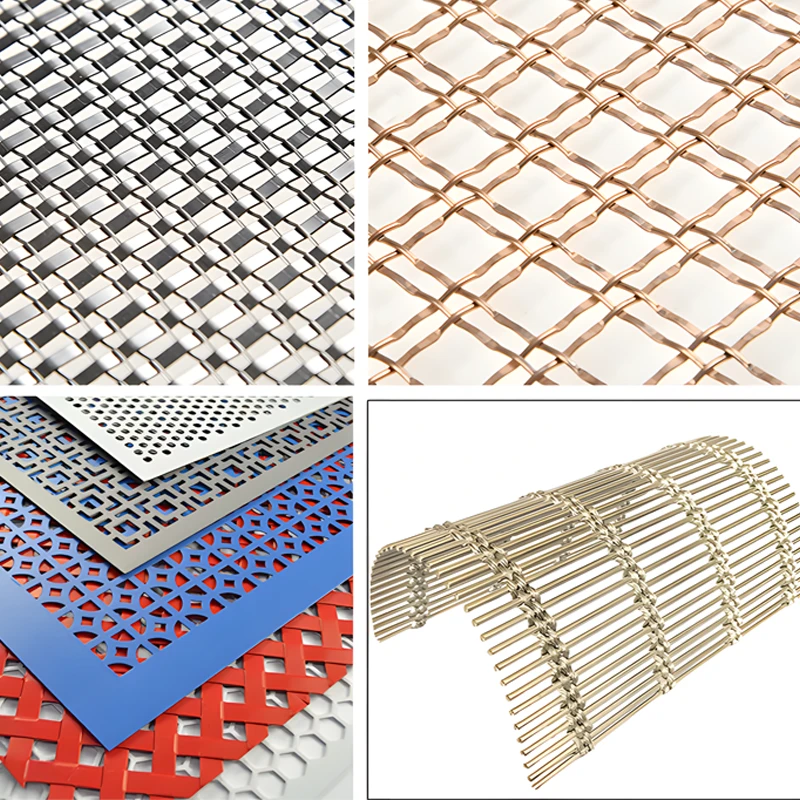
Manufacturers offer quite a bit of customization, which frankly, is necessary. Filtration doesn’t have a one-size-fits-all model. You get choices on weave types—plain, twill, or dutch weave—which directly influence wire tension and the way fluids or powders pass through.
Speaking of vendors, I’ve worked with several over the years. Some specialize in rapid prototyping for new industries, while others boast large scale, consistent production suited to heavy-duty industries. Here’s a quick comparison I find useful when selecting a supplier:
| Vendor | Range of Mesh | Customization Options | Lead Time | Typical Applications |
|---|---|---|---|---|
| Alpha Filters Ltd. | 10 - 300 Mesh | Standard weaves, ASTM grades | 2-3 weeks | Food, beverage, general industry |
| QH Filter Co. | 10 - 400 Mesh | Full customization including wire diameters and weave types | 1-2 weeks (expedited options) | Chemical, pharma, heavy industry |
| Industrial Mesh Works | 20 - 250 Mesh | Limited customization, bulk focus | 4-6 weeks | Mining, construction |
You know, one thing I’ve noticed over time is how the conversation around mesh sieves now involves sustainability and recyclability more often than before. Stainless steel scores high here — it’s almost always recyclable, and that aligns with more companies’ environmental commitments. It’s honestly reassuring to see this overlap of engineering excellence and ecological responsibility — feels like progress.
In practical terms, no industrial filtration system is truly complete without a dependable stainless steel mesh sieve—a component that often operates silently, but upon which entire processes depend. If you’re exploring options, the key takeaway is to match mesh size, weave, and material grade with your product’s unique specifications, and always communicate closely with your supplier. There’s a world of difference in how these fine details play out in long-term performance.
So if you’re at the crossroads of choosing a stainless steel mesh sieve, consider vendors like QH Filter Co. — their ability to blend customization with relatively quick lead times stood out the last time I evaluated options. I suppose the ultimate "fit" always depends on your project’s scale, standards, and timeline.
In the end, the mesh sieve isn’t just a screen — it’s a piece of engineering you rely on, day in and day out. Treat it well, specify it wisely, and it will reward you with years of consistent service.
References:
- International Stainless Steel Forum - Overview of Stainless Steel Grades and Applications
- Industrial Filtration Handbook, 6th Edition - Mesh Sizes and Material Impact
- QH Filter Co. Product Literature and Customer Testimonials