Durable Stainless Steel Sieve for Industrial Filtration | QH Filter
Why a Stainless Steel Sieve is Still a Go-To in Industrial Filtration
Having spent more than a decade working with industrial filtration systems, I can say without hesitation that a stainless steel sieve remains a surprisingly versatile and reliable choice. Oddly enough, even with the surge of polymer and synthetic mesh filters, stainless steel sieves are still the rugged, no-nonsense option when facing challenging applications.
What I’ve noticed over the years is how the material – stainless steel – really sets these sieves apart. It’s corrosion-resistant, withstands high temperatures, and holds shape under pressure. Many plant operators tell me it’s almost like the “swiss army knife” of filtration: simple, durable, and capable of handling a wide range of materials from liquids, powders, to even some slurries.
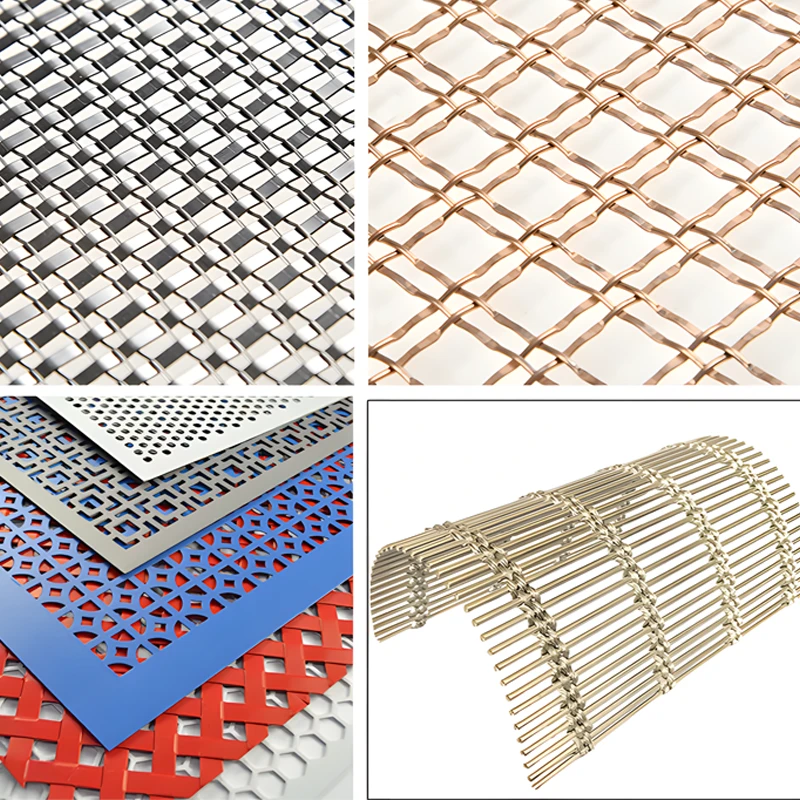
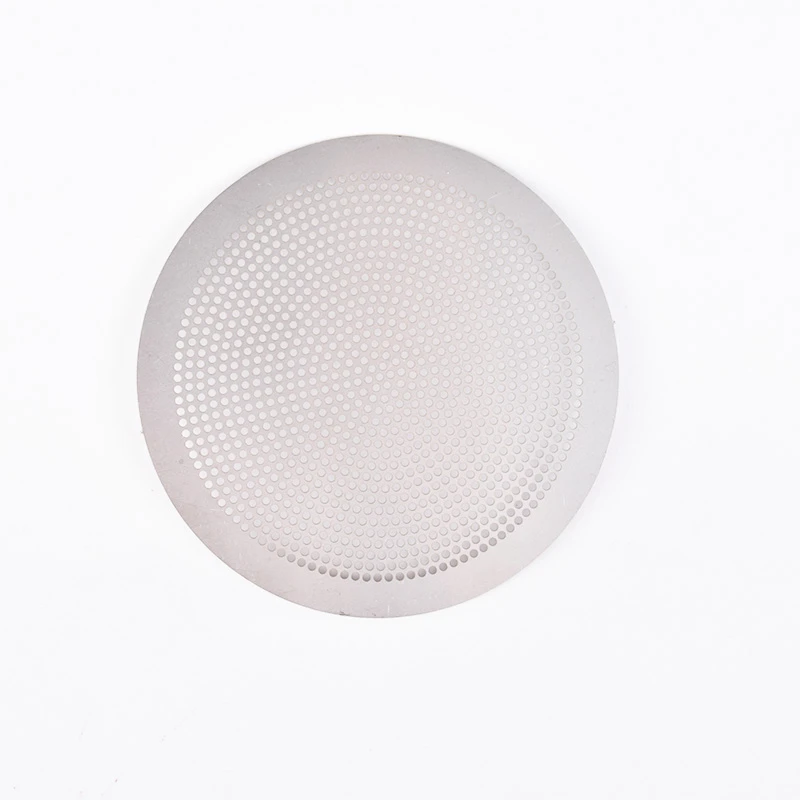
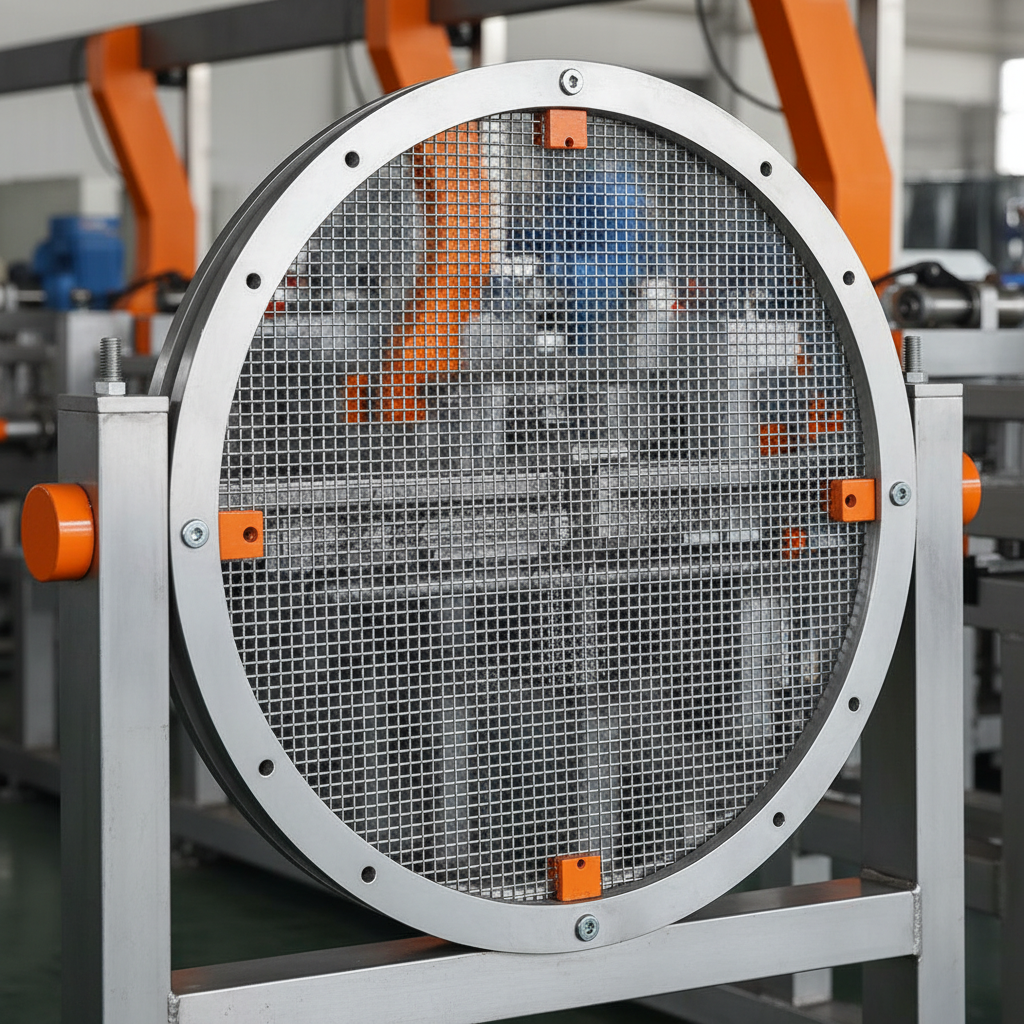
In real terms, the design is straightforward: a metal frame with woven or perforated stainless steel mesh. But small details matter—a thicker wire diameter gives more mechanical strength, while a tighter weave creates finer filtration. Some customers get very specific, requesting exact mesh sizes for their product specs, which is why customization is key. I once worked on a project where a client needed a sieve that could filter down to 50 microns but still endure their abrasive slurry. Stainless steel was their only option.
| Specification | Detail |
|---|---|
| Material Grade | 304 / 316 Stainless Steel |
| Mesh Size Range | 20 to 400 mesh (840 µm to 38 µm) |
| Wire Diameter | 0.1 to 0.5 mm (varies by mesh) |
| Frame Thickness | 1.5 to 5 mm |
| Max Operating Temperature | Up to 600°C (depends on alloy) |
| Corrosion Resistance | Excellent in mildly acidic & alkaline environments |
Now, about where to source these sieves: from my experience—and I’ve spoken frankly to many end users and vendors—quality and price matter, but so do lead times and customization support. Below is a snapshot comparing three typical suppliers I’ve worked with or know from industry conversations.
| Vendor | Customization | Lead Time | Price Range | Material Options |
|---|---|---|---|---|
| QH Filter | Extensive (mesh size, frame, shape) | 2–4 weeks | Mid-range | 304, 316 SS |
| Vendor B | Limited (standard sizes only) | 1–2 weeks | Low-range | 304 SS only |
| Vendor C | Moderate (pre-defined options) | 3–5 weeks | High-range | 316 SS, specialty alloys |
To be honest, when I last specified a stainless steel sieve on a project, the choice was QH Filter simply because they balanced quality, customization, and timely delivery. Plus, their support team really knows the nuances. For example, they helped us tweak the frame thickness to reduce sieve vibration in a pneumatic system — a small detail, but it made a measurable difference.
In terms of testing, proper sieve inspection is crucial. I always recommend a thorough pre-shipment mesh integrity check and pressure rating confirmation. It’s surprising how often overlooked specs can cause downstream headaches — clogged lines, inconsistent product quality, things like that.
All told, stainless steel sieves might seem “old school” in an era of nanomaterials and fancy composites, but their balance of durability, chemical resistance, and cost-effectiveness means they’ll be filtering fluids and powders for decades more. You know, in the gritty world of industrial processing, sometimes simplicity wins.
If you’re thinking about your next filtration upgrade, it’s worth giving stainless steel sieves a hard look—particularly from a reliable supplier like QH Filter.
References:
1. Industrial Filtration Processes Handbook, 3rd Ed., 2021
2. QH Filter Technical Data Sheets, 2023
3. Interviews with plant engineers in chemical processing, 2022