Stainless Steel Sieve Mesh – Quality Industrial Filtration Solutions | QHFilter
Stainless Steel Sieve Mesh is a key solution in the industry, specifically within filtration, separation, and quality control sectors. This article explores how https://www.qhfilter.com supports professionals with durable, high-performance products, and explains why this product is an ideal choice for businesses in these sectors.
Table of Contents
- Stainless Steel Sieve Mesh Overview
- Benefits & Use Cases of Stainless Steel Sieve Mesh
- Cost, Maintenance & User Experience
- Sustainability & Market Trends
- Frequently Asked Questions
- Conclusion on Stainless Steel Sieve Mesh from China
Stainless Steel Sieve Mesh Overview
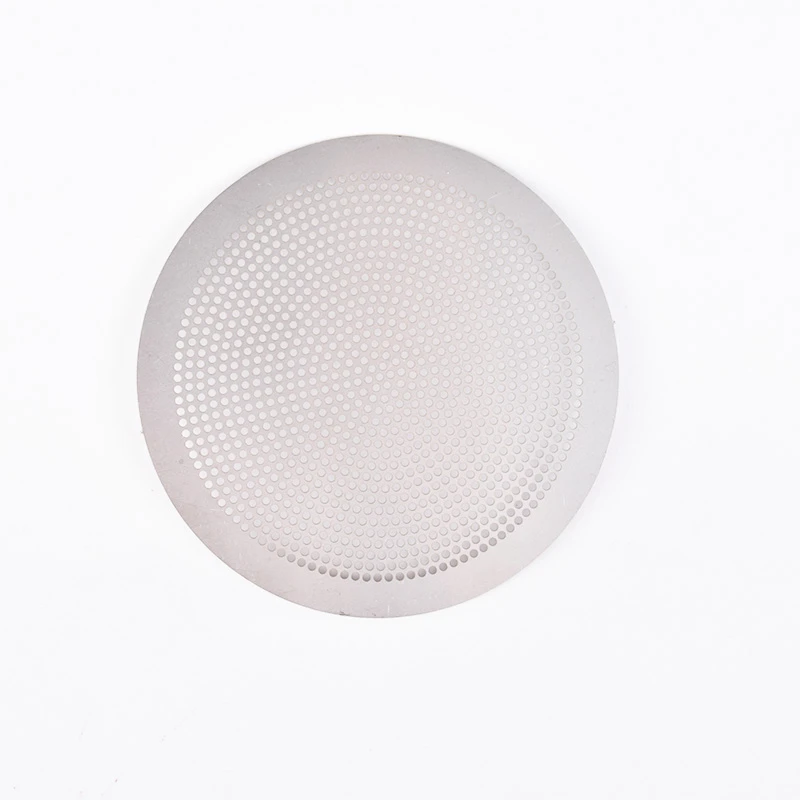
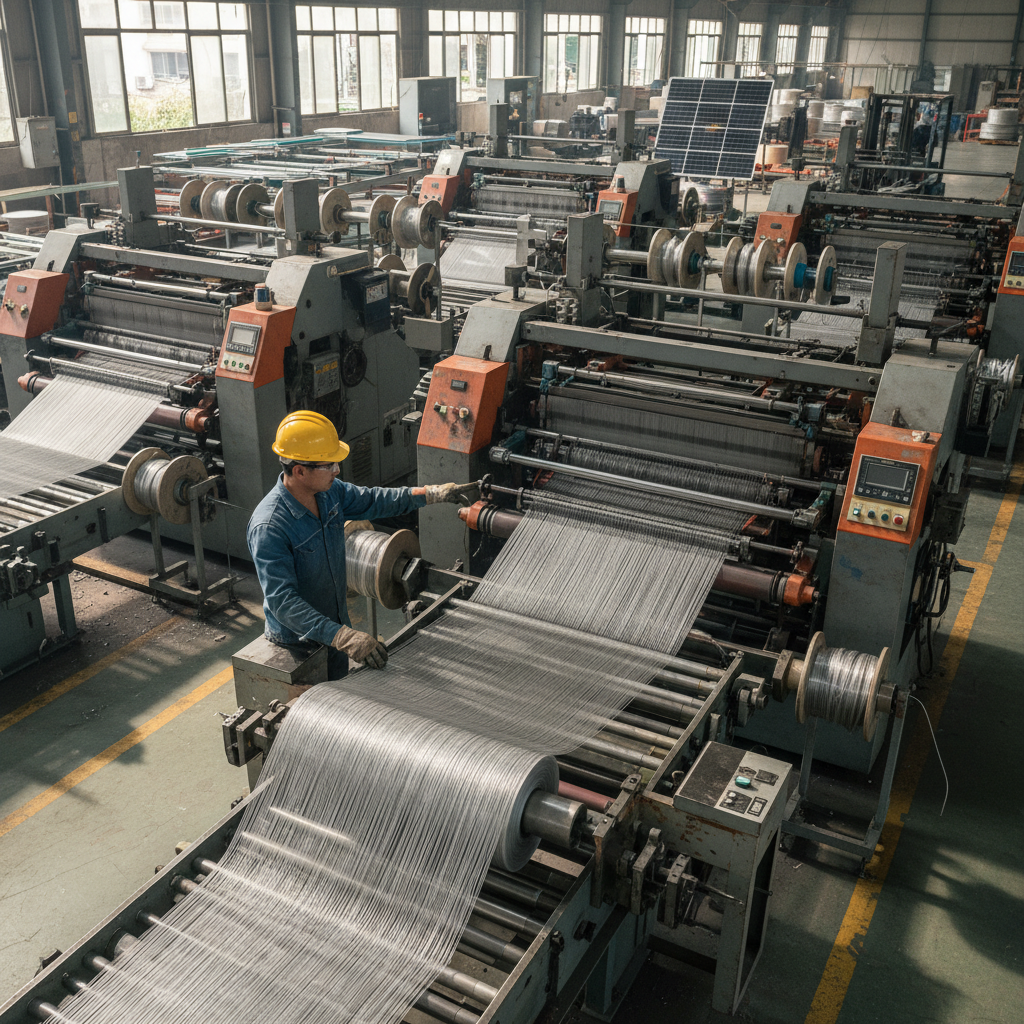
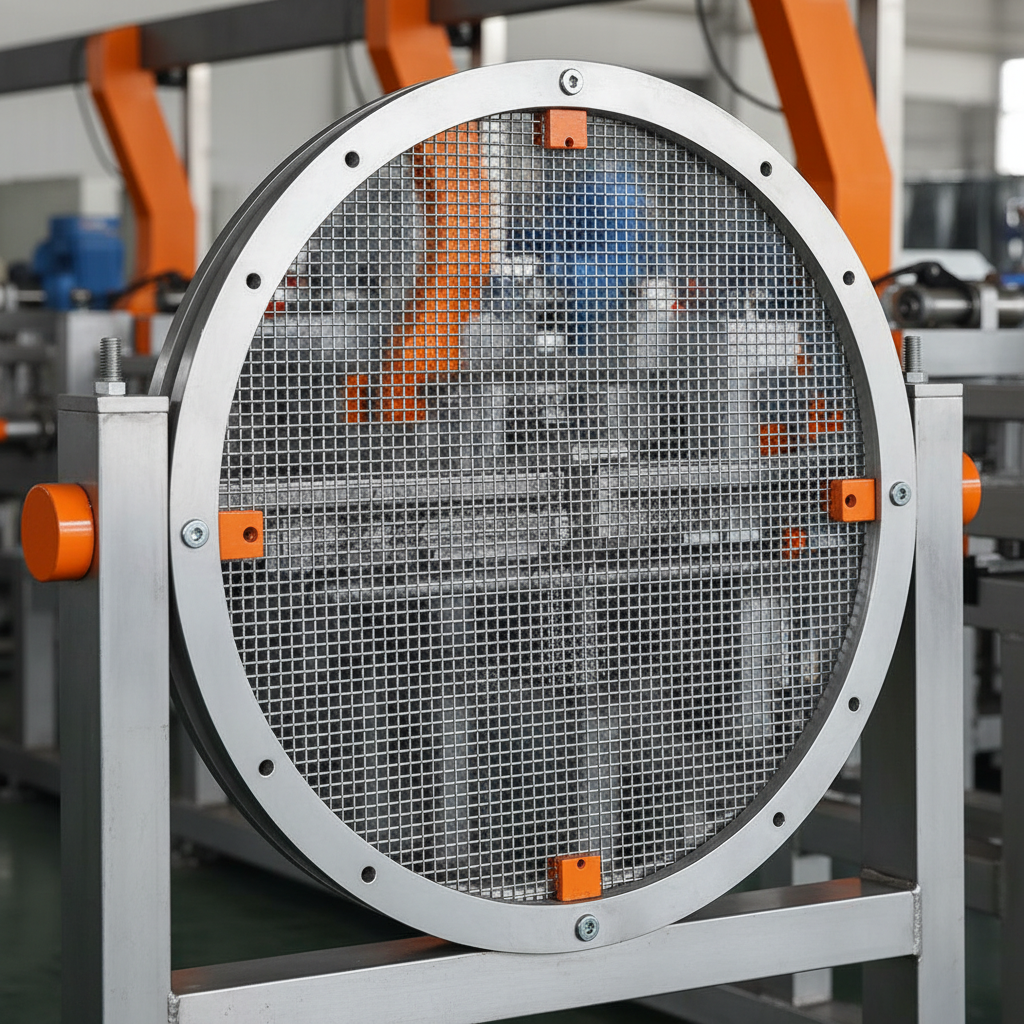
The Stainless Steel Sieve Mesh is essentially a woven wire mesh crafted from corrosion-resistant stainless steel alloys, designed primarily for industrial screening and filtering applications. It's sort of the unsung hero in various sectors—think of mining, pharmaceuticals, food production, or chemical processing—where material purity and particle size control are non-negotiable.
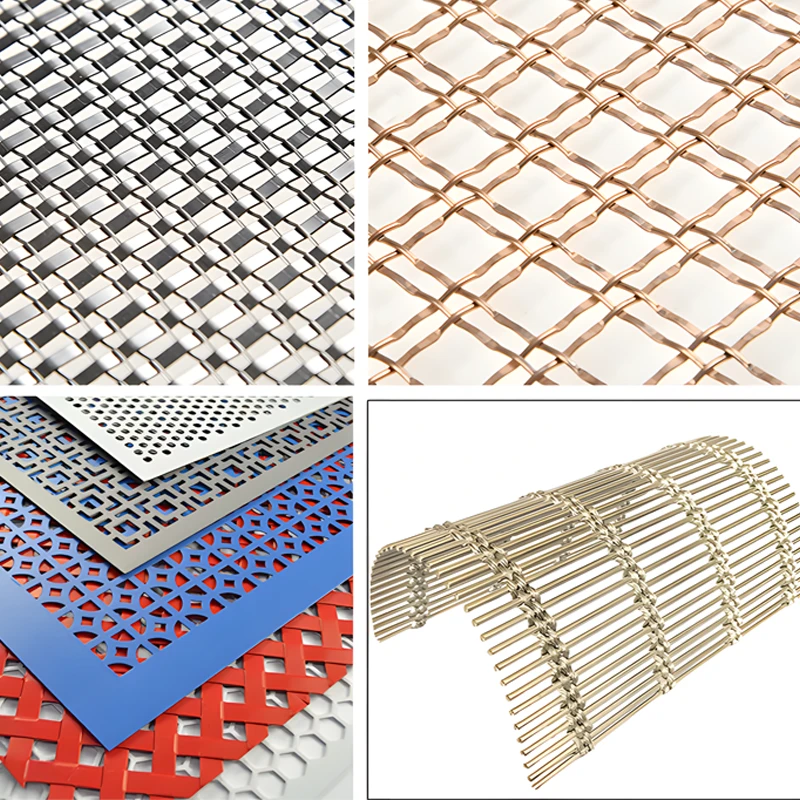
Technically speaking, these meshes vary in wire diameter, weave patterns, and aperture sizes, which collectively determine their filtration precision and strength. One interesting tidbit I’ve noticed: different grades of stainless steel, like 304 or 316, offer varying degrees of corrosion resistance and tensile strength, enabling customization based on environmental challenges. For example, in harsh chemical environments, 316-grade mesh is often preferred due to its enhanced molybdenum content.
| Specification | Details |
|---|---|
| Material | 304 / 316 Stainless Steel |
| Mesh Count | From 10 to 400 (mesh per inch) |
| Wire Diameter | 0.015 mm to 2 mm |
| Weave Type | Plain, Twilled, Dutch Weave |
| Max Temperature | 500°C / 932°F (approx.) |
| Corrosion Resistance | High (Salt, Acids, Alkalis) |
Benefits & Use Cases of Stainless Steel Sieve Mesh
When you get down to it, the reasons stainless steel sieve mesh is so widely embraced are pretty clear. It’s tough—it withstands abrasion and corrosion far better than alternative materials. That really counts in industries like mining or chemical processing where equipment gets a daily beat-down. Add to that the precision with which it can sort or filter particles, and you have a product that fits multiple roles without cutting corners.
In food production, for instance, this mesh ensures powders or liquids are contaminant-free, while the pharmaceutical sector counts on its hygienic, easy-to-clean properties. Also, the ability to customize weave density and wire thickness means businesses can specify meshes for everything from coarse separation to ultra-fine filtration.
Oddly enough, companies often tell me the reliability of stainless steel mesh reduces downtime—a huge value in high-stakes production lines.
Cost, Maintenance & User Experience
At face value, stainless steel sieve mesh may seem pricier than plastic or synthetic alternatives. But if you factor in the total cost of ownership, including lifespan, maintenance intervals, and performance consistency, it usually delivers better ROI. Durable stainless steel meshes resist wear and corrosion, cutting down replacement frequency.
Many engineers and plant managers I've chatted with often say that the ease of cleaning—no more “one-use-and-throw” scenarios—makes a big difference. Also, surfaces typically maintain their integrity well over time, which keeps processing consistent.
Feedback from users in harsh environments reveals the mesh can be custom-treated for added properties like anti-clogging or enhanced chemical resistance, further extending its practical value.
Sustainability & Market Trends
Sustainability is no longer just a buzzword; it’s a driving force shaping industrial material choices. Stainless steel sieve mesh fares well here—it’s 100% recyclable and often made from recycled steel, reducing environmental footprint. Plus, its durability means fewer replacements and less waste, which counts for a lot in lean manufacturing and green certification contexts.
Regulations tightening around contamination and product purity are pushing industries to demand higher-performance materials like stainless steel mesh. Market analysts project steady growth in this segment, especially as manufacturers seek eco-friendlier yet effective filtration solutions. So, in real terms, choosing stainless steel meshes aligns with both future compliance and responsible business practices.
| Vendor | Material Grades | Customization | Typical Lead Times | Price Range |
|---|---|---|---|---|
| QHFilter (https://www.qhfilter.com) | 304, 316, Duplex | Weave Type, Size, Treatments | 2-4 weeks | Mid-range / Bulk discounts |
| Vendor B | 304 only | Limited | 4-6 weeks | Lower end |
| Vendor C | 304, 316 | Standard only | 3-5 weeks | Mid to high |
Frequently Asked Questions about Stainless Steel Sieve Mesh
- What is Stainless Steel Sieve Mesh and how does it work?
- It’s a woven mesh made from stainless steel wires that acts like a filter or screen. Material passes through the openings and any oversized particles get separated out. So basically, it sorts solids by size for processing or quality control.
- What are the main benefits of using Stainless Steel Sieve Mesh in industrial applications?
- Key benefits include durability, corrosion resistance, precision filtering, and reusability. It often outlasts other materials, meaning less downtime and cost over time.
- How does Stainless Steel Sieve Mesh compare to traditional alternatives?
- Compared to plastics or fabric meshes, stainless steel offers superior strength and chemical resistance. Unlike disposable alternatives, it’s reusable and withstands higher temperatures and harsh chemicals.
- What industries can benefit most from Stainless Steel Sieve Mesh implementation?
- Industries like pharmaceuticals, food & beverage, mining, chemical processing, and wastewater treatment commonly use stainless steel sieve mesh to ensure material purity and operational efficiency.
Conclusion on Stainless Steel Sieve Mesh from china
To wrap up, Stainless Steel Sieve Mesh remains a vital tool in industrial filtration and separation. Its resilience, precision, and flexibility help companies tackle demanding production challenges head-on. For B2B decision makers, partnering with trusted suppliers like QHFilter ensures access to quality, customizable mesh products that deliver long-term value.
- Reliable material choice for diverse industrial needs
- Robust supply options and technical support through https://www.qhfilter.com
It’s really about marrying durability with precision—in this field, the right mesh makes all the difference.
References:
1. “Stainless Steel Wire Mesh Specifications,” QHFilter Technical Guide.
2. Industry case studies from chemical and food processing sectors.
3. Market trends report on filtration materials, 2023.