Stainless Steel Soil Sieve – Durable & Precise Solutions for Soil Analysis | QHFilter
Stainless Steel Soil Sieve is a key solution in the industry, specifically within sectors such as agriculture, environmental science, and civil engineering. This article explores how https://www.qhfilter.com supports professionals with durable, high-performance products, and explains why this product is an ideal choice for businesses in these sectors.
Table of Contents
- Stainless Steel Soil Sieve Overview
- Benefits & Use Cases of Stainless Steel Soil Sieve
- Cost, Maintenance & User Experience
- Sustainability & Market Trends
Stainless Steel Soil Sieve Overview
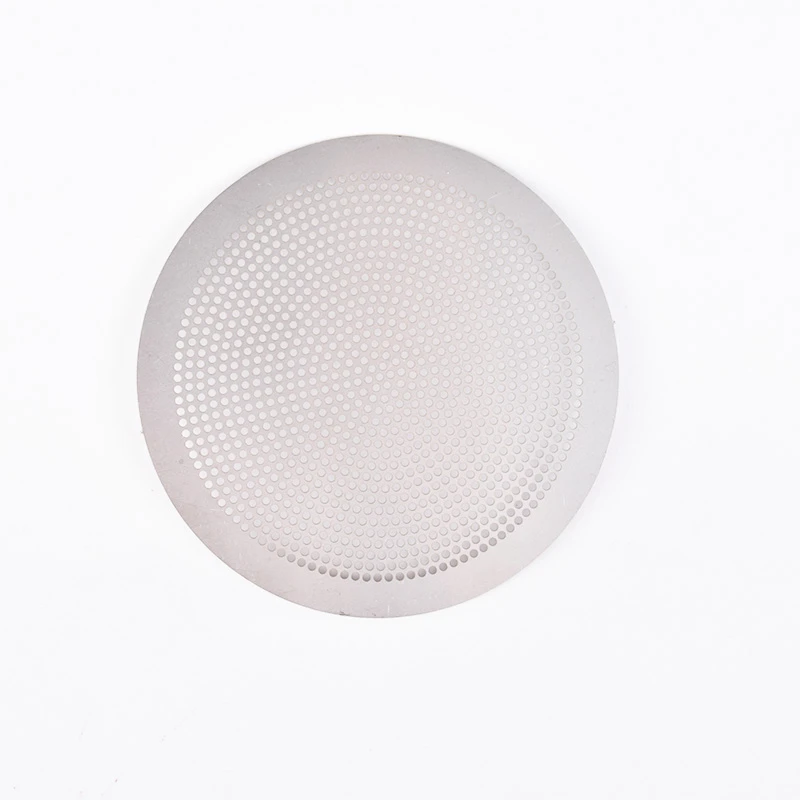
The Stainless Steel Soil Sieve is essentially a device designed to separate soil and aggregate particles by size, a vital step for ensuring quality and consistency in professional soil analysis and preparation. Its construction from high-grade stainless steel offers remarkable durability and resistance to rust and corrosion, which frankly makes it a reliable tool for long-term industrial and field use.
Generally, these soil sieves come in different mesh sizes, calibrated in microns, to suit varied testing or sorting needs. Oddly enough, many professionals underestimate how much the mesh specifications affect the accuracy of soil grading. For example, a commonly used model might feature mesh sizes ranging from 0.25 mm to 5 mm, allowing granular control over the particle separation process.
| Specification | Details |
|---|---|
| Material | 304 / 316 Stainless Steel |
| Typical Mesh Sizes | 0.25 mm to 5 mm (customizable) |
| Diameter Options | 200 mm, 300 mm, 450 mm |
| Frame Thickness | 1.2 mm - 2.0 mm |
| Compliance | ASTM E11 / ISO 3310-1 Standards |
Benefits & Use Cases of Stainless Steel Soil Sieve
Industries ranging from construction to agriculture depend on precise soil grading to optimize foundation design or crop yield. Using the Stainless Steel Soil Sieve lets operators achieve consistent and repeatable results while saving time — which is kind of the whole point, right? Its corrosion resistance is especially appreciated in wet or chemically active environments.
What sets these sieves apart? Well, the seamless welding, tight mesh tolerances, and easy-to-clean frame design make a difference in the day-to-day. For example, many soil testing labs report sharper separation and less contamination when switching from conventional wire mesh to stainless steel types, which frankly improves testing reliability and client confidence.
Vendor Comparison Table
| Feature | QHFilter | Competitor A | Competitor B |
|---|---|---|---|
| Material Grade | 304/316 Stainless Steel | 304 Stainless Steel | Carbon Steel |
| Mesh Precision | ±3% | ±5% | ±10% |
| Custom Sizes | Available | Limited | Not Available |
| Lead Time | 2-3 weeks | 4-6 weeks | Variable |
| Price Range | Moderate | High | Low |
Cost, Maintenance & User Experience
It's no secret that cost management is a top priority for B2B buyers. While stainless steel soil sieves carry a slightly higher upfront cost than plastic or carbon steel alternatives, their lifespan tends to far surpass those materials. Many engineers I've spoken to say the ROI comes from fewer replacements and less downtime due to corrosion or mesh breakage.
Maintenance usually involves a simple rinse with water; unlike wire mesh, stainless steel resists clogging and rusting, so you don’t have to fiddle around with abrasive cleaning agents or frequent replacements. And honestly, this makes them a breeze to integrate in busy workflows without taking up too much time or resources.
Sustainability & Market Trends
Sustainability is no buzzword here—it’s a business imperative. Stainless steel's recyclability and strength mean fewer disposed units and less environmental waste overall. Increasing government regulations around soil testing and quality control are pushing companies to demand more reliable and eco-friendly tools. That’s where stainless steel soil sieves shine with their longer lifecycle and recyclable components.
The market is steadily growing, driven by rising infrastructure projects and smarter agricultural practices worldwide. Choosing suppliers who align with these goals — like those at qhfilter.com — helps ensure you’re not only getting a quality product but also supporting sustainability in the industry.
Frequently Asked Questions about Stainless Steel Soil Sieve
- What is Stainless Steel Soil Sieve and how does it work?
- Simply put, it’s a sieve made from stainless steel mesh that separates soil particles by size. You place soil on the sieve and shake it—smaller particles pass through the mesh while larger ones remain on top.
- What are the main benefits of using Stainless Steel Soil Sieve in industrial applications?
- Durability, resistance to corrosion, and precision in particle separation are key benefits. This translates to more reliable test results and less equipment replacement over time.
- How does Stainless Steel Soil Sieve compare to traditional alternatives?
- Unlike plastic or carbon steel sieves, stainless steel offers superior longevity and mesh stability. This reduces downtime and leads to better long-term cost efficiency.
- What industries can benefit most from Stainless Steel Soil Sieve implementation?
- Primary sectors include agriculture, environmental labs, construction, geology, and any field requiring precise soil texture analysis. The versatility makes it a standard in quality testing.
Conclusion on Stainless Steel Soil Sieve from china
In real terms, investing in a Stainless Steel Soil Sieve means securing more than just a tool — it’s about reliability, precision, and sustainability. Whether you're in agriculture, civil engineering, or environmental analysis, the quality and durability of stainless steel combined with customizable options make it a smart, long-lasting choice.
- Reliable separation boosts productivity.
- Lower maintenance means less downtime.
- Environmentally friendly and built to last.
- Visit our website: https://www.qhfilter.com
Choosing the right soil sieve really boils down to a balance of durability, precision, and value — and stainless steel certainly ticks those boxes.
References:
- ASTM International, ASTM E11 Standard Specification for Woven Wire Test Sieve Cloth
- ISO 3310-1: Test Sieves—Technical Requirements
- Industry case studies from QHFilter soil sieve clients, 2023