Comprehensive Guide to 400 Micron Stainless Steel Mesh – Specifications & Uses
Understanding 400 Micron Stainless Steel Mesh: Why It Matters Worldwide
In an age where precision and durability are everything, the humble 400 micron stainless steel mesh quietly plays a massive role across industries and humanitarian sectors alike. This tiny, precisely measured mesh size isn’t just about fine filtration; it’s a cornerstone in processes spanning from water purification in developing nations to high-tech manufacturing lines in advanced economies.
Why think about it globally? Well, as the UN and ISO reports suggest, clean water access and industrial efficiency remain persistent challenges worldwide. Filtration solutions at this scale often represent the bridge between resource scarcity and sustainability – which frankly, affects all of us.
Mini takeaway: Understanding this mesh’s significance shines a light on invisible processes that support health, industry, and innovation globally.
Setting the Stage: The Global Role of 400 Micron Stainless Steel Mesh
Picture this: over 2 billion people lack access to safely managed drinking water, per WHO/UNICEF. Meanwhile, industries are under increasing pressure to ramp up operational efficiency while cutting waste. Enter the 400 micron stainless steel mesh—a tool indispensable for filtering particles roughly 0.4 millimeters in size, fine enough to sieve contaminants yet robust for reuse.
This mesh size fills a critical niche: fine enough to trap unwanted debris in various fluids but coarse enough to prevent clogging and enable high flow rates. Crucially, stainless steel offers chemical resistance and mechanical strength—features plastics or fabrics struggle to match.
Filtration challenges in water treatment plants, food processing, pharmaceuticals, and even aerospace have highlighted the need for standardized, reliable filtration media. Around the world, engineers, environmentalists, and operators turn to stainless steel meshes sized like this to keep processes smooth and ecosystems safe.
What Is a 400 Micron Stainless Steel Mesh, Exactly?
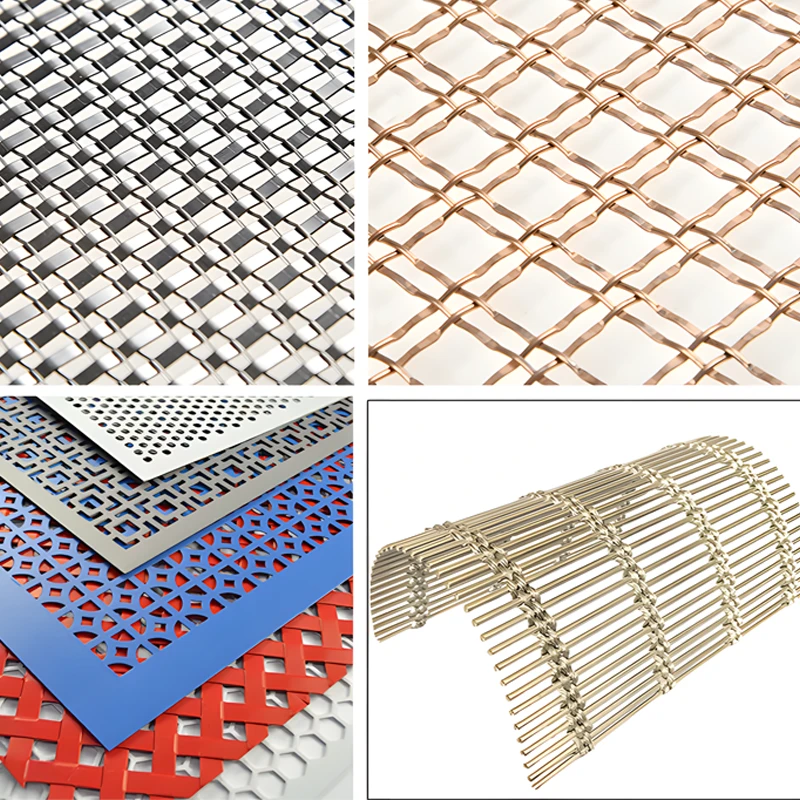
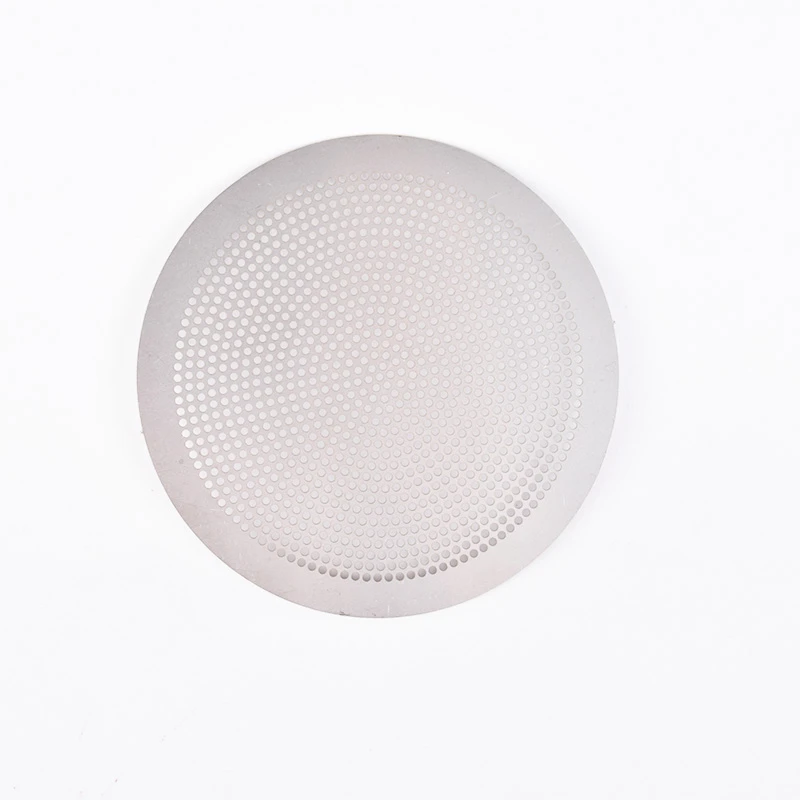
Let’s break it down simply. A stainless steel mesh with a 400 micron opening means each aperture—the tiny hole—is 0.4 millimeters wide. Imagine a tiny grid woven from corrosion-resistant steel wire, designed to block particles larger than this size. The mesh weave and the wire thickness determine how strong and permeable the mesh is.
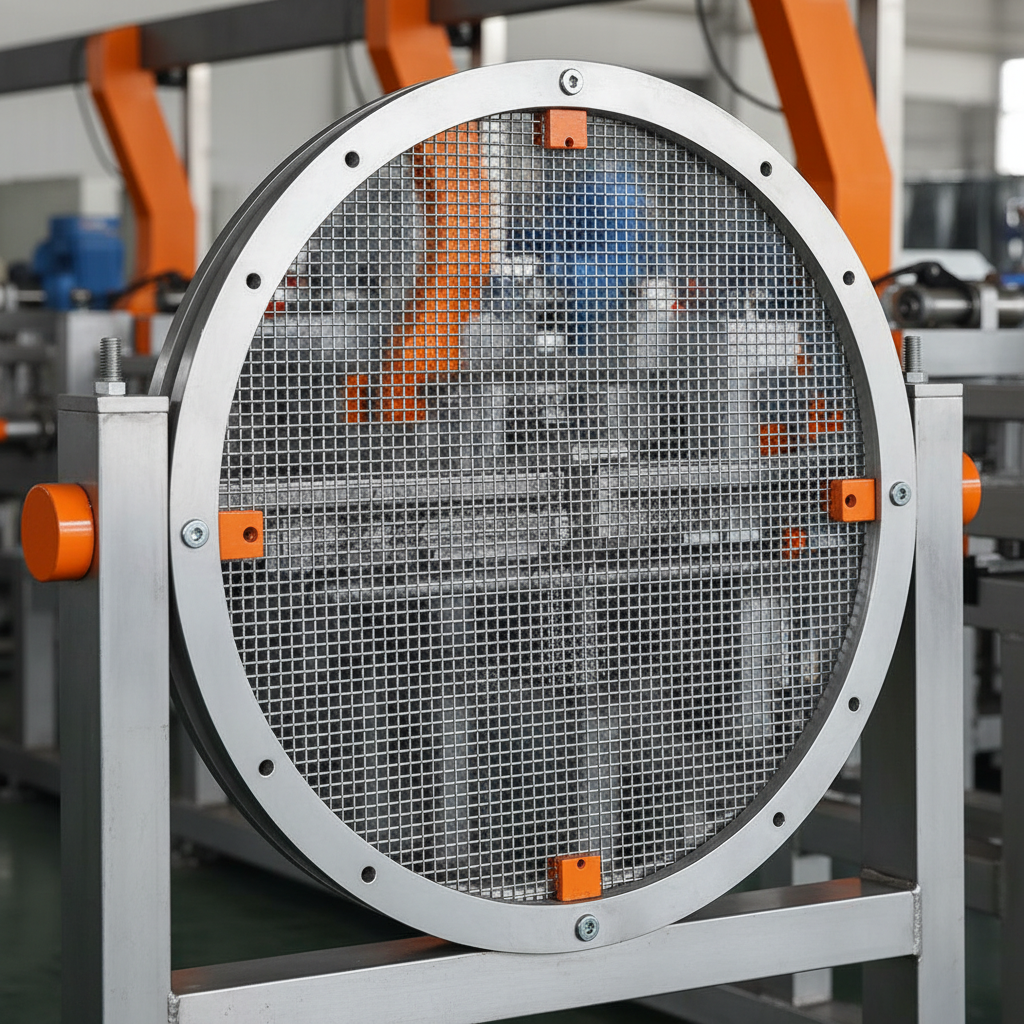
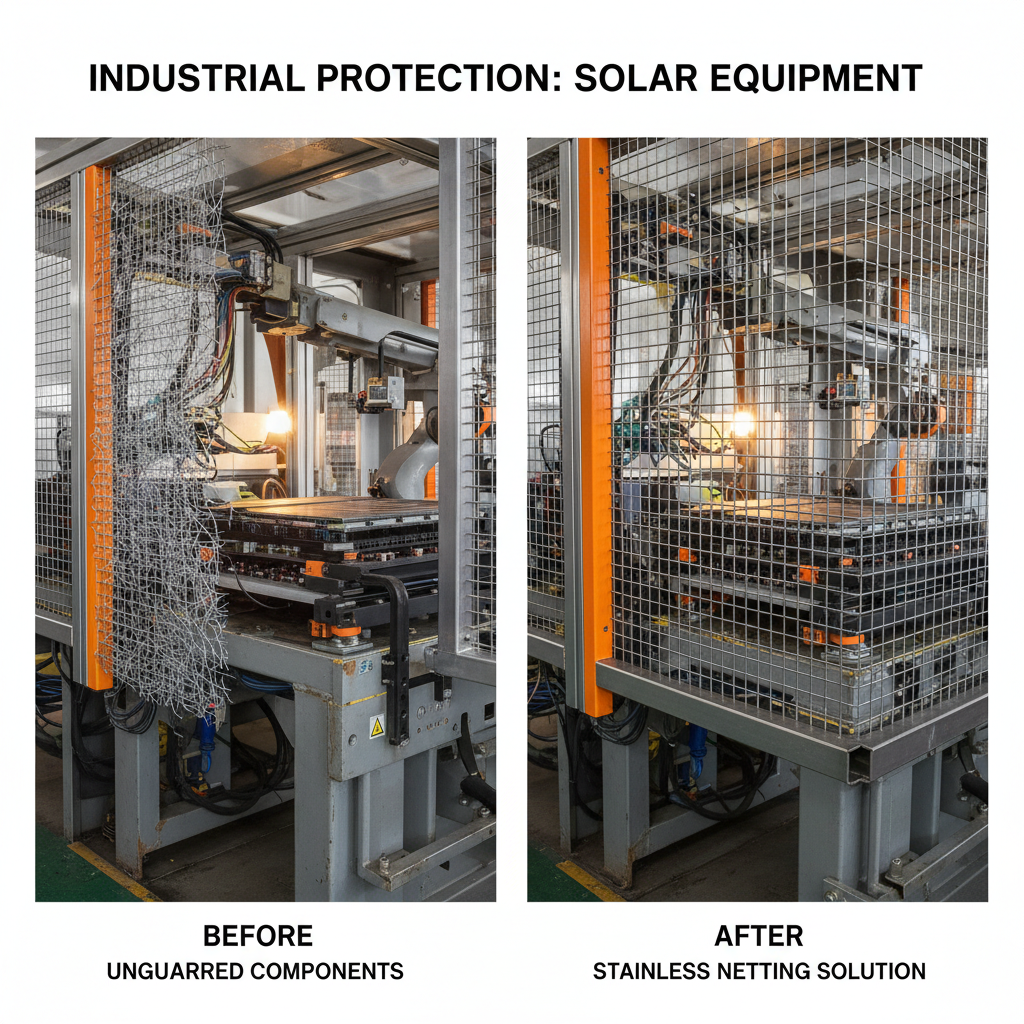
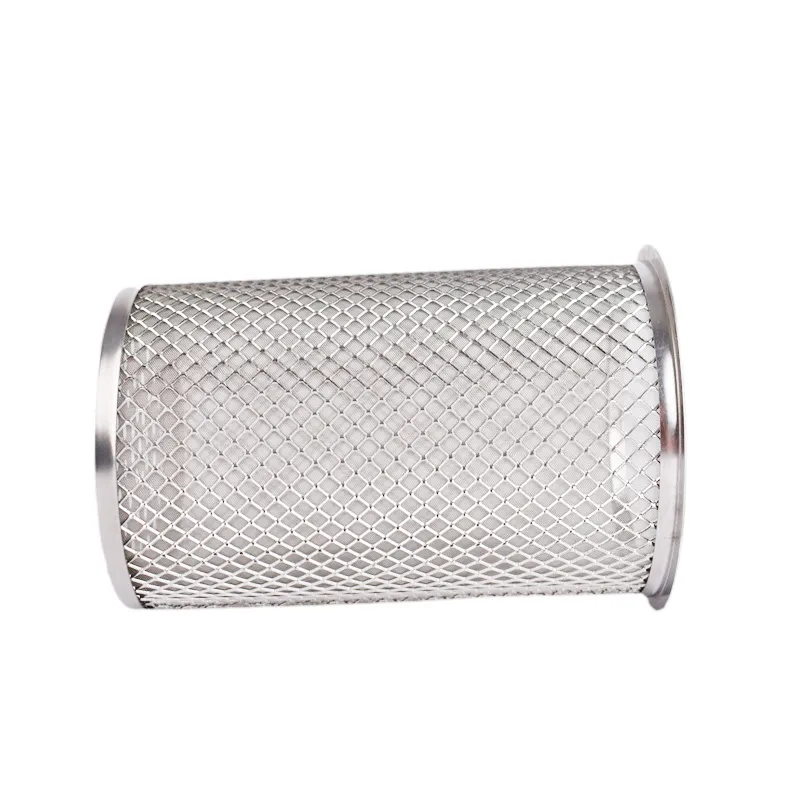
In practical terms, it acts like a sieve – allowing fluids or gases to pass but catching unwanted solids. That’s why you’ll find it in filtration cartridges, screens on pumps, or even in protective cages around sensors.
Its relevance extends from industrial machines filtering lubricants to NGOs installing water purification systems in flood-prone regions. Stainless steel’s cleanability, durability, and reusability make it a “go-to” material for engineers who can’t afford frequent downtime or replacements.
Key Features of 400 Micron Stainless Steel Mesh and Why They Matter
Durability:
One major point is its corrosion resistance. Stainless steel AISI 304 or 316 grades withstand harsh chemicals and environments. That’s crucial in marine settings or chemical plants.
Precision Filtration:
The uniform 400 micron aperture ensures consistent particle capture, essential when quality filters mean preventing costly equipment damage or contamination.
Cost Efficiency:
Reusability reduces frequent replacements, translating into long-term savings – especially vital in sectors operating under budget constraints.
Easy Maintenance:
The mesh cleans up well. It resists clogging better than finer plastic filters, making on-site cleaning possible without specialized tools.
Scalability:
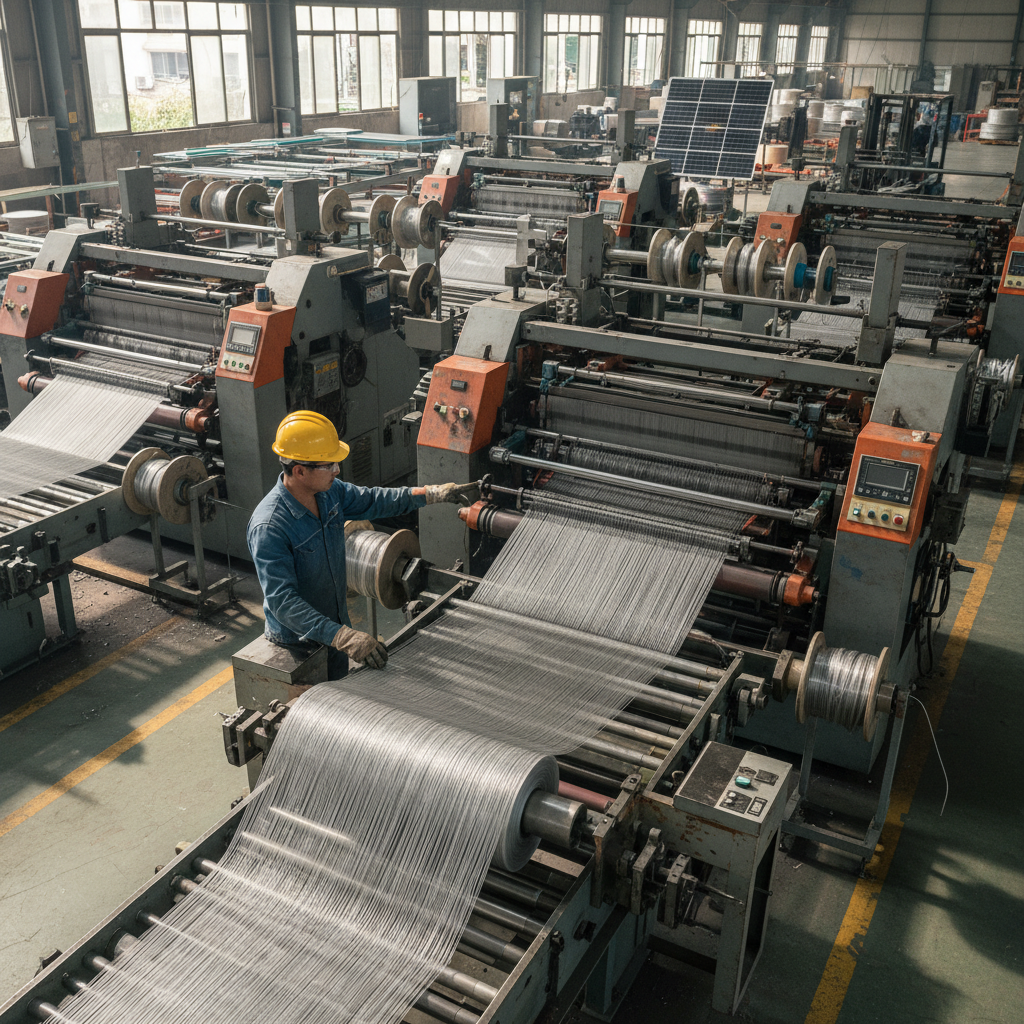
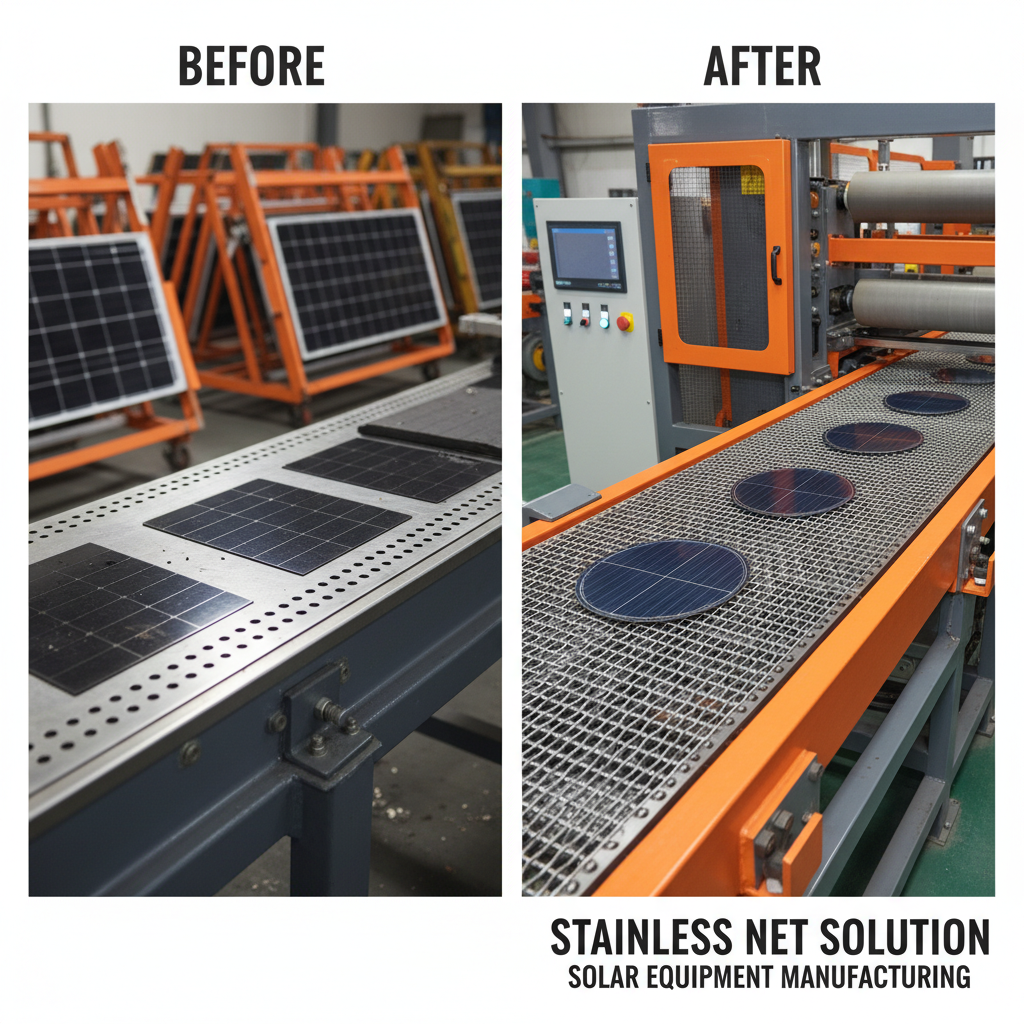
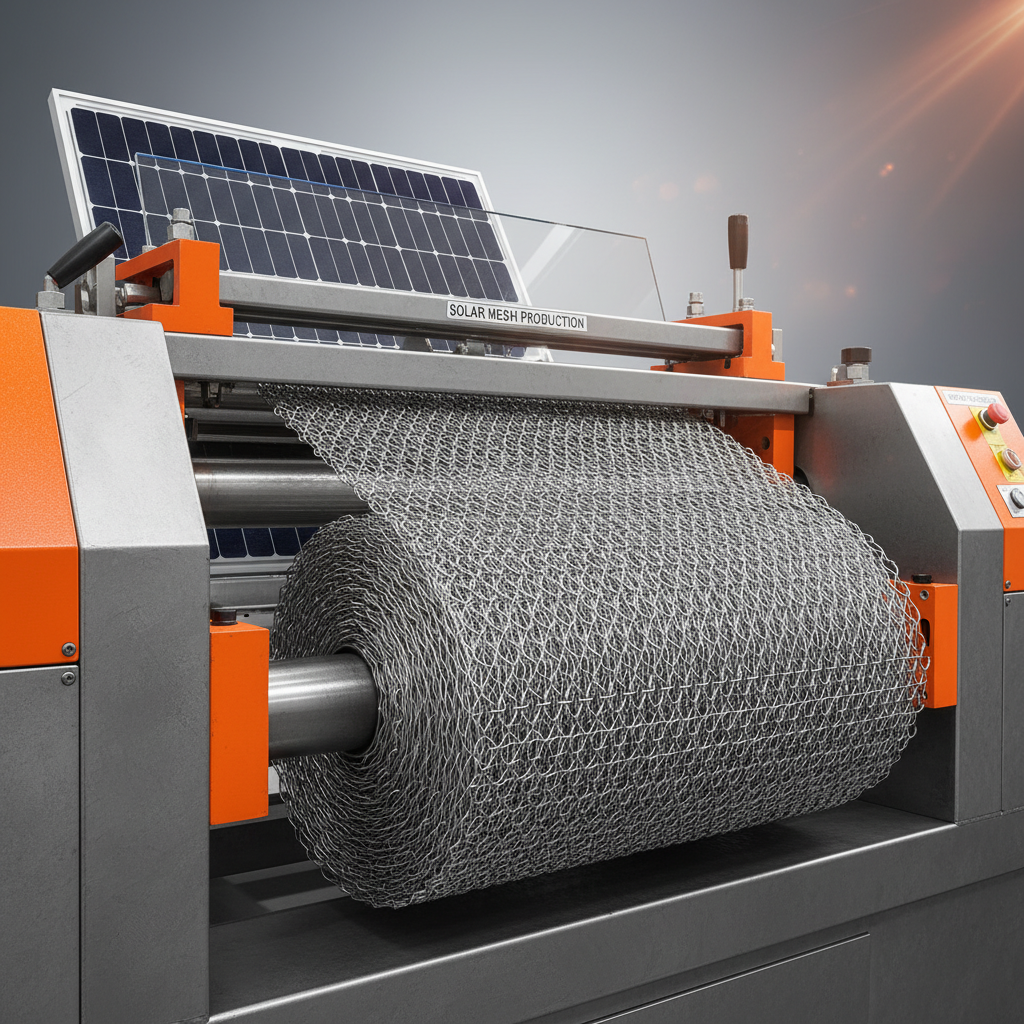
Available in sheets, rolls, or custom shapes, this mesh adapts from small laboratory filters to massive industrial screens.
Eco-consciousness:
Its stainless steel composition is recyclable, harmonizing with circular economy goals emerging globally.
Mini takeaway: This mesh’s blend of strength, precision, and eco-friendliness explains why it’s a staple in multiple sectors.
Global Applications & Use Cases for the 400 Micron Stainless Steel Mesh
- Water Treatment Plants: In South Asia and sub-Saharan Africa, NGOs deploy filtration units with these meshes to provide safe drinking water in rural communities.
- Food and Beverage Industry: From filtering pulp in juice production to ensuring product purity in breweries across Europe and North America.
- Automotive & Aerospace: In Japan and Germany, the mesh safeguards hydraulic fluids to extend engine lifespans and prevent system failures.
- Mining Operations: Used for ore separation and slurry filtration in Australia and Canada, boosting efficiency and reducing waste discharge.
- Pharmaceutical Manufacturing: Critical for filtering ingredients and ensuring sterile environments, especially in emerging biotech hubs.
For example, during flood relief in Southeast Asia, temporary water purification units equipped with 400 micron mesh filters have been deployed to help affected populations quickly regain access to potable water — a literal lifesaver.
Technical Specifications of a Typical 400 Micron Stainless Steel Mesh
| Feature | Specification |
|---|---|
| Mesh Opening | 400 microns (0.4 mm) |
| Wire Diameter | 0.23 mm (typical) |
| Material | Stainless Steel 304 / 316 |
| Open Area % | ~39% |
| Tensile Strength | >500 MPa |
| Standard Roll Size | 1.0 m width, customizable length |
How Vendors Compare: Types of 400 Micron Stainless Steel Mesh on the Market
| Vendor | Grade of Steel | Customization Availability | Typical Lead Time | Pricing Level |
|---|---|---|---|---|
| MeshTech Solutions | 304 & 316 | Custom mesh sizes, wire diameters, roll lengths | 2-3 weeks | Mid-range |
| Global Filters Inc. | 316L Specialty | Limited customization; focus on standard rolls | 1-2 weeks | Premium |
| EcoMesh | 304 Recycled Steel | Full customization for eco-conscious clients | 3-4 weeks | Budget-Friendly |
Advantages & Long-Term Value of Using 400 Micron Stainless Steel Mesh
Here’s where it always gets interesting: why choose a 400 micron stainless steel mesh over other filter types? The answer spirals from cost-effectiveness to emotional satisfaction.
Companies save on maintenance and downtime. Operators can trust their filtration won’t fail in harsh environments. Communities relying on clean water gain dignity and health. It’s innovation steeped in reliability, which is tough to beat.
And from a sustainability perspective? With rising regulations and public pressure, reusable and recyclable materials like stainless steel hit the sweet spot of environmental responsibility and high performance.
Peeking Ahead: Trends and Innovations On The Horizon
As the industry shifts, expect smart mesh filters with embedded sensors to monitor clogging or contamination levels. Advances in nanomaterial coatings might enhance fouling resistance. Also, additive manufacturing (3D printing) could enable bespoke mesh designs, streamlining supply chains.
Eco-conscious sourcing and post-use recycling programs will only grow in importance — global standards from bodies like ISO are pushing this agenda hard.
Challenges & Solutions In Deploying 400 Micron Stainless Steel Mesh
Yes, there are challenges. Cost can be upfrontly high compared to plastic meshes, and some users note a learning curve for effective cleaning to maintain flow rates. However, innovations such as automated ultrasonic cleaning and vendor training programs help bridge these gaps.
Plus, supply chain disruptions occasionally delay deliveries, prompting some industries to hold larger inventories or seek local manufacturers.
The takeaway? No product is without flaws, but thoughtful integration and ongoing R&D keep pushing stainless steel meshes forward.
FAQ: Frequently Asked Questions About 400 Micron Stainless Steel Mesh
- Q: Is a 400 micron stainless steel mesh suitable for removing bacteria from water?
A: While 400 microns traps larger particles, it does not remove bacteria directly as they are much smaller; however, it is effective as a pre-filter to protect downstream finer membranes or disinfectant systems. - Q: How do I clean and maintain stainless steel mesh filters?
A: Cleaning typically involves backflushing with water, chemical soaking for stubborn debris, or ultrasonic cleaning where available. Regular maintenance prevents clogging and extends service life. - Q: Can this mesh resist corrosion in saltwater environments?
A: Yes, grades like 316L stainless steel offer excellent corrosion resistance, making 400 micron meshes ideal for marine applications. - Q: What customization options are available for mesh size and wire thickness?
A: Vendors often offer tailored wire diameters and mesh configurations to suit specific industry needs, allowing adjustment of strength and filtration rates. - Q: Are these meshes recyclable after use?
A: Absolutely. Stainless steel can be melted down and reused multiple times without losing quality, supporting circular economy goals.
Bringing It All Together
In real terms, the 400 micron stainless steel mesh quietly carries heavy weight worldwide—from vital clean water access to industrial excellence and sustainable practices. Its unique blend of durability, precision, and eco-friendliness makes it one of those “unsung heroes” in material technology.
For engineers, NGOs, or procurement teams hunting for high-quality filtration, exploring and investing in this mesh type is an investment in reliability, safety, and future-ready solutions. Curious to learn more or source the right mesh tailored for your needs? Visit our website: https://www.qhfilter.com.
Because sometimes, the smallest holes make the biggest difference in the world.
References: