Comprehensive Guide to 40 Mesh Stainless Steel Screen – Uses, Specs & Vendors
What Is a 40 Mesh Stainless Steel Screen and Why It Matters Globally
Every so often, a seemingly simple item quietly powers an entire industry or sustainability effort worldwide. The 40 mesh stainless steel screen is exactly one of those unsung heroes. Though it might look like just a plain metal sheet filled with tiny holes, it plays big roles — from water filtration to industrial sieving and contamination control. Understanding this humble screen’s capacity offers insight into cleaner production, safer drinking water, and even humanitarian aid.
On a global scale, products like these contribute to massive resource efficiency or health improvements. The World Health Organization estimates that waterborne diseases account for billions of illness cases per year; robust filtration like that offered by 40 mesh stainless steel screens can mitigate such problems significantly. So, digging a little deeper beneath its mesh counts and micron-sized passages, we find a world of impact.
The Big Picture: Why 40 Mesh Stainless Steel Screens Are Crucial Today
The stainless steel screen with a 40 mesh count (meaning 40 openings per linear inch) is more than an industry standard — it is a global problem solver. In fact, ISO standards mention mesh sizing explicitly to ensure quality and reliability for industrial usage. Roughly 40 mesh offers a balanced filtering fineness, fine enough to filter out many particulates yet large enough to maintain flow rate, which matters for sectors globally.
Countries experiencing increased industrial pollution or water scarcity often turn to mesh filtration tech like this. For example, in developing regions of Asia and Africa, water purification facilities leverage these screens to tackle turbidity and particle contamination in drinking water supply lines. And it’s not just about water. The mining and food processing industries depend on this mesh size to ensure product consistency and regulatory compliance.
Yet challenges remain — inconsistent quality of mesh screens flooding the market, durability concerns under harsh conditions, and cost barriers for smaller operations. That’s where understanding specifications and vendor offerings truly pays off.
Mini Takeaway:
Having a well-made 40 mesh stainless steel screen on hand can literally mean cleaner water, safer products, and smoother industry processes in many corners of the world.
Breaking It Down: What Exactly Is a 40 Mesh Stainless Steel Screen?
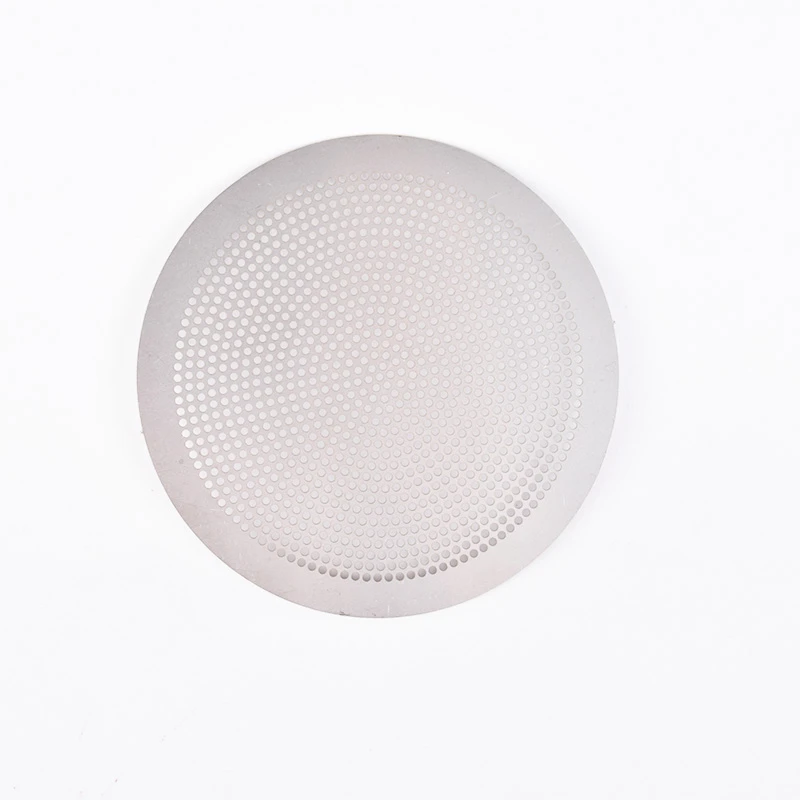
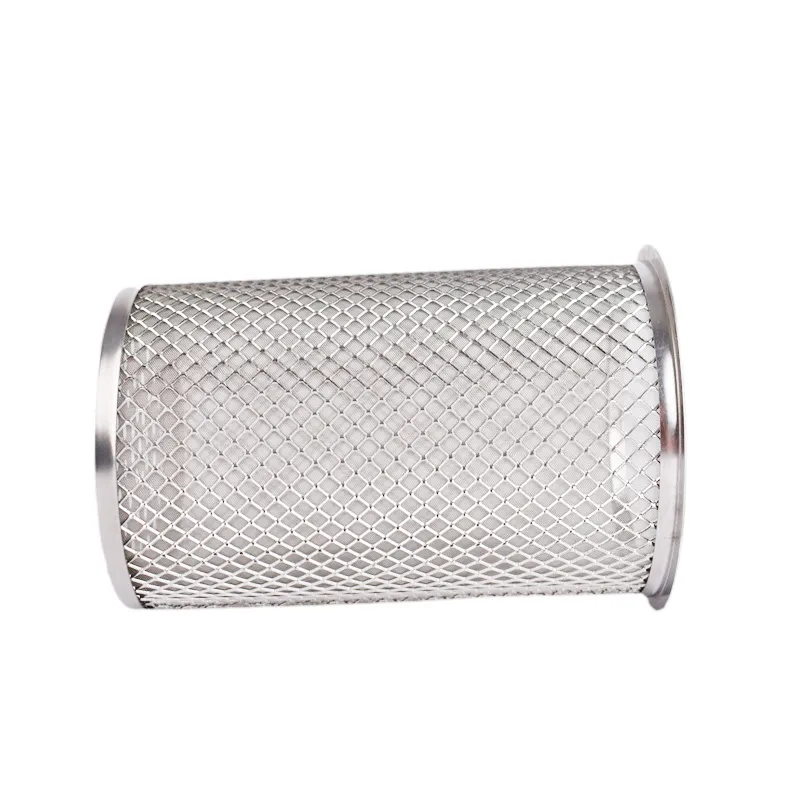
Simply put, a 40 mesh stainless steel screen consists of thin stainless steel wires woven tightly to create 40 openings per inch in each direction. Think of it like a tiny metal net, where each "hole" roughly measures around 425 microns. This mesh size offers a sweet spot between filtering out medium-sized particles and maintaining fluid or air flow.
Stainless steel refers to the corrosion-resistant alloy made primarily of iron, chromium (minimum 10.5%), and sometimes other elements like nickel or molybdenum. This ensures the screen withstands rust, harsh chemicals, or temperature extremes — key for industrial or even humanitarian use cases.
Industries typically deploy them where particulate filtering is critical. From filtering sediments out of wastewater to sieving raw materials in food production, these screens help keep processes safe, repeatable, and compliant with strict hygiene or environmental standards.
Key Factors That Make 40 Mesh Stainless Steel Screens So Valuable
Durability Through Stainless Steel Composition
Unlike cheaper plastic or fabric meshes that degrade quickly, stainless steel has a tough life expectancy. It resists corrosion even in marine environments or acidic applications, which was a game-changer in many remote mining or water treatment plants I’ve seen.
Precision Filtration With Consistent Aperture Size
The 40 mesh count ensures particles around 425 microns are reliably blocked, a perfect balance for many materials. You don’t want finer meshes clogging up too fast, or coarser ones letting contaminants slip through — this one hits the middle ground.
Cost Efficiency Across Industries
Buying good-quality 40 mesh screens is surprisingly affordable, especially factoring in their longevity. Over time, they lower operational costs by reducing replaceable parts and downtime for cleaning or repairs.
Adaptability to Various Applications
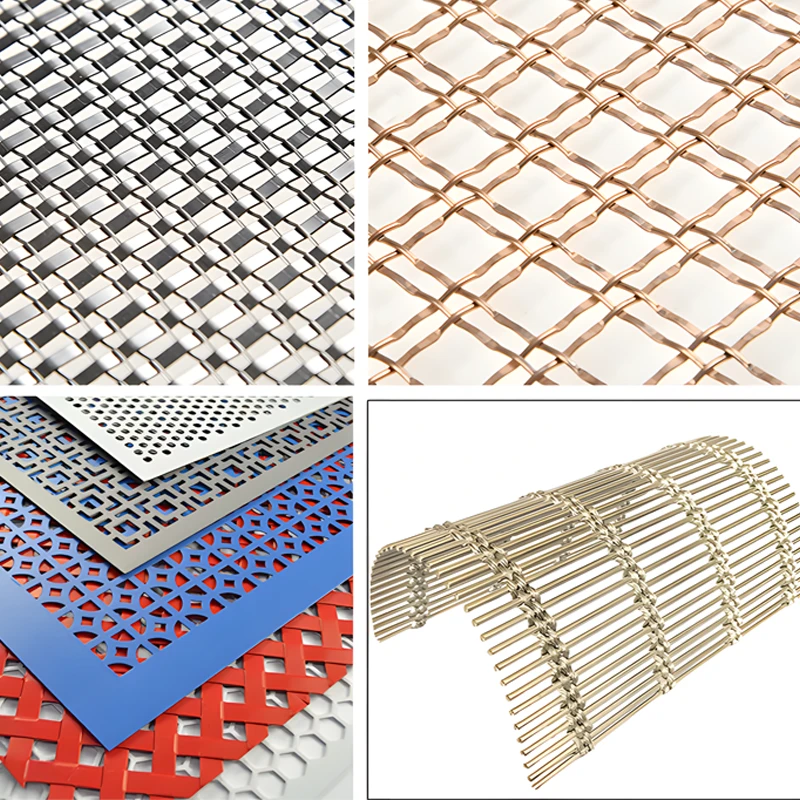
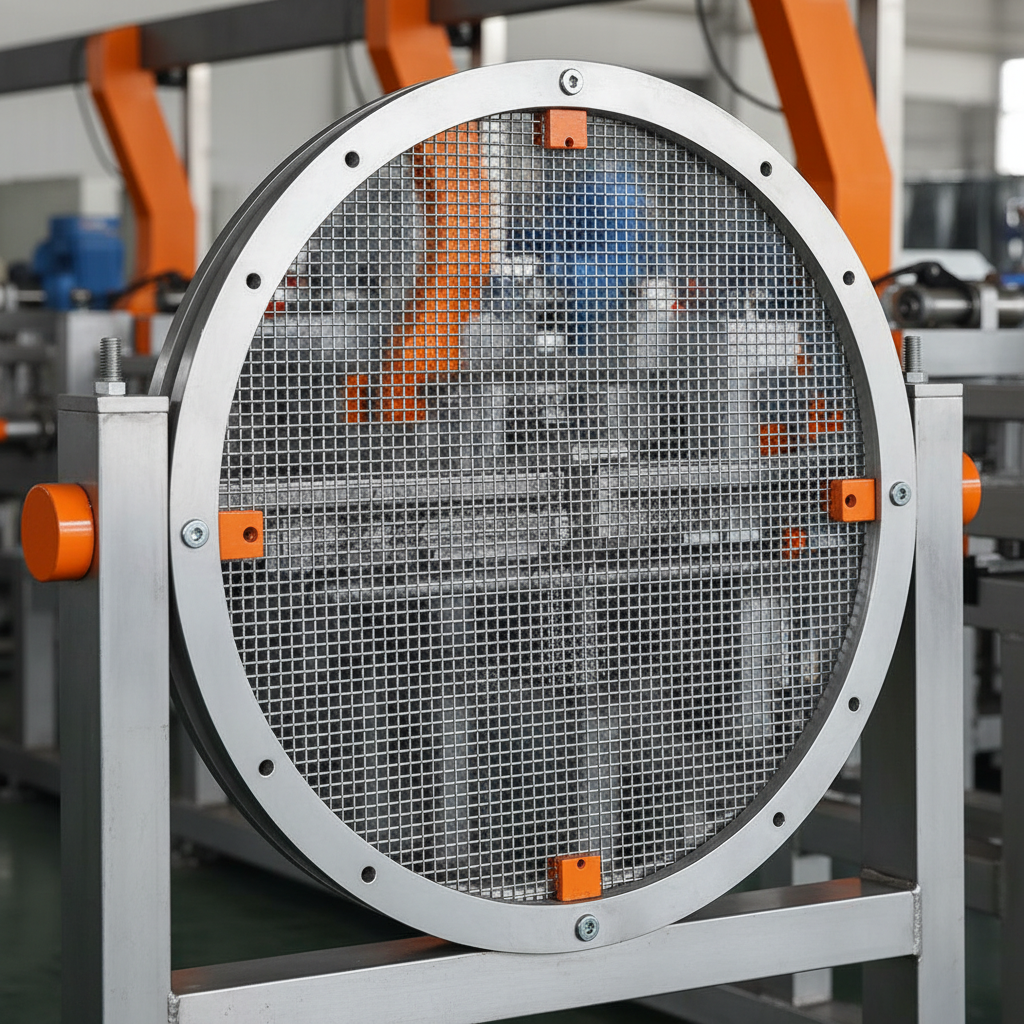
Whether for industrial fluids, air filtration, or even architectural uses like decorative panels (oddly enough), these screens adapt well. Their sturdy construction allows different mounting options — frames, cartridges, or rolls — making them a versatile part of the supply chain.
| Specification | Details |
|---|---|
| Mesh Count | 40 openings per inch |
| Aperture Size | ~425 microns (0.425 mm) |
| Material | 304 or 316 Stainless Steel (varies by grade) |
| Wire Diameter | 0.213 mm to 0.25 mm (depending on weave) |
| Surface Finish | Polished or satin |
| Roll Width | Customizable, typically up to 1.5 meters |
Mini Takeaway:
These four factors — durability, precision, cost-efficiency, and adaptability — explain why a 40 mesh stainless steel screen is such a favorite filter choice worldwide.
Real World Impact: Where and How These Screens Get Used
Oddly enough, these screens pop up in places you might not immediately expect. In Southeast Asia, water purification plants rely heavily on these screens to reduce silt and organic debris before final chemistry treatment. Mining operations in South America use them to separate ore from soil and gravel efficiently. And in Europe’s food processing scene, they help sieve flour and powders — keeping product quality safe and consistent.
Humanitarian NGOs operating in disaster zones (think earthquake aftermaths or flood relief) sometimes turn to filtration kits equipped with 40 mesh screens to provide immediate access to cleaner water. Such sustainable tech saves lives by preventing waterborne pathogens.
Even in architecturally creative projects, these screens feature as safety barriers or sun shading materials — a testament to the stainless steel’s strength and aesthetics.
Advantages: What Makes 40 Mesh Stainless Steel Screens Worth It?
- Longevity: Stainless steel resists rust & corrosion, extending service life.
- Consistent Filtering Performance: Tight tolerance in mesh ensures filtering accuracy.
- Easy Maintenance: Can be cleaned by backflushing or simple wipes, unlike paper or plastic filters.
- Environmental Sustainability: Reusable and recyclable; reduces single-use filters.
- Cost Savings: Less frequent replacement means better ROI.
There’s also a human aspect that’s less quantified but really important: using these screens means safer water and food. You gain a level of trust from consumers or clients knowing the process includes reliable filtration steps.
Looking Ahead: Innovations and Trends in Mesh Screens
Interestingly, researchers are experimenting with nanocoatings and graphene to boost stainless steel screen longevity and self-cleaning properties. Industry chatter also highlights the push for digital monitoring of filtration wear via embedded sensors, making predictive maintenance possible.
Sustainability remains king in manufacturing and material choices — expect more eco-friendly stainless alloys that lessen energy use during production. As automation spreads across factories, 40 mesh screens integrated with smart controls will likely see broader adoption.
Common Challenges and Smart Solutions
For all their strengths, 40 mesh stainless steel screens have hurdles. They can clog in very particulate-heavy flows or corrode faster if improperly specified alloys are used. Also, initial costs might deter smaller companies.
Experts recommend systems that incorporate easy-to-clean screen housings or automatic backflushing mechanisms. Switching to 316 stainless steel — with higher corrosion resistance — helps in more aggressive environments. Partnering with reputable suppliers (we'll get to that) ensures specifications meet real-world conditions.
| Vendor | Material Grades | Customization | Typical Lead Time | Price Range (per m²) |
|---|---|---|---|---|
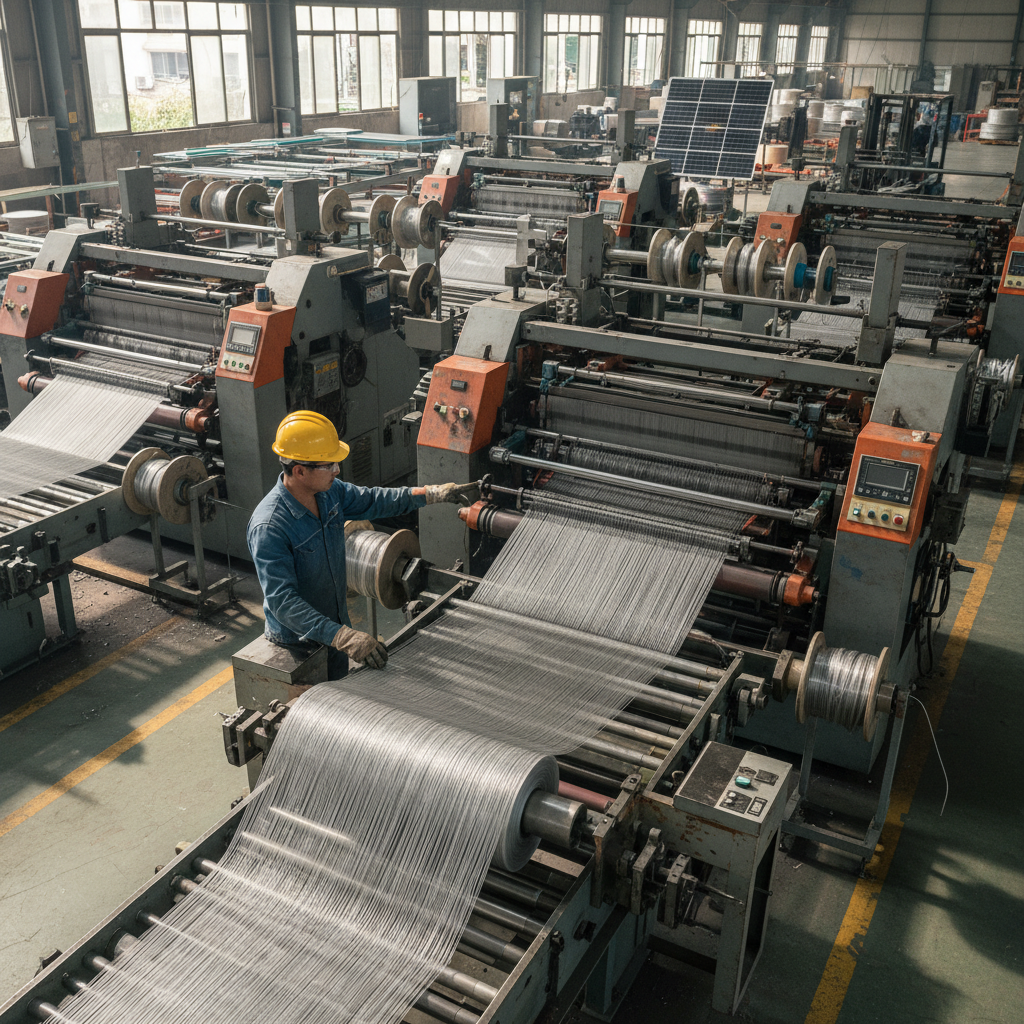
| QH Filter Co. | 304, 316 SS | Custom widths, finishes | 1-2 weeks | $30–$45 |
| SteelMesh Ltd. | 304 SS only | Limited sizes | 2-3 weeks | $25–$40 |
| Global Mesh Co. | 316 SS, specialty alloys | Extensive customization | 3-4 weeks | $40–$60+ |
FAQ: Quick Answers on 40 Mesh Stainless Steel Screens
- Q: How do I know if a 40 mesh screen suits my filtration needs?
- A: If your application requires filtering out particles roughly 400 microns or larger while maintaining decent flow rate, 40 mesh is a reliable size. For finer filtration, higher mesh counts are better, but risk clogging faster.
- Q: Can I use 40 mesh screens in food-grade applications?
- A: Absolutely. Screens made from 304 or 316 stainless steel grades meet hygiene and corrosion resistance standards suitable for food processing and pharmaceutical industries.
- Q: How often should I replace or clean these screens?
- A: Frequency depends on usage and contaminants but regular cleaning (weekly to monthly) via backflushing or soaking is typical. Replacement intervals range from 1-5 years depending on wear and environment.
- Q: Are customized sizes readily available?
- A: Many suppliers offer customization by width, length, and finish. It’s wise to verify lead time and MOQ (minimum order quantity) with the vendor before ordering.
Wrapping Up: Why 40 Mesh Stainless Steel Screens Deserve Attention
So, in real terms, these little mesh grids are proving their mettle worldwide. From keeping drinking water safe to improving manufacturing consistency, their reliable performance is hard to ignore. For businesses and organizations looking to balance cost, durability, and filtration quality, the 40 mesh stainless steel screen remains a go-to standard. If you’re curious or ready to explore customized options, a quick visit to our website might just open the door to smarter filtering solutions.
Final Mini Takeaway:
Investing in quality 40 mesh stainless steel screens today is a step toward cleaner, safer, and more sustainable industry practices tomorrow.