Comprehensive Guide to 4mm Stainless Steel Mesh – Industrial Strength & Versatility
Understanding 4mm Stainless Steel Mesh: A Small Detail with Global Impact
When you first hear 4mm stainless steel mesh, what springs to mind? Maybe something like a fence or a filter? Oddly enough, this seemingly humble product plays a surprisingly big role across industries worldwide. From safeguarding infrastructures to humanitarian aid projects, understanding the key benefits and applications of 4mm stainless steel mesh helps decode a lot about modern material science and global supply chains.
Fact is, mesh products like these are quietly essential in protecting people, equipment, and even ensuring clean water worldwide. And with increasing demand for durable, corrosion-resistant, and flexible materials, the spotlight on this specific stainless steel mesh size has never been brighter.
Why 4mm Stainless Steel Mesh is a Global Asset
Look around — infrastructure is under pressure everywhere. The International Organization for Standardization (ISO) reports rising global urbanization and industrialization rates demand more robust and reliable construction materials. Plus, rising environmental concerns push industries to adopt sustainable materials.
The 4mm stainless steel mesh emerges as a practical solution to several problems: durability, filtration, ventilation, and safety. For example, the World Bank highlights how infrastructure resilience is key in disaster-prone areas; robust materials that don’t degrade under harsh conditions are urgent needs.
So, what’s the catch? That’s the challenge the 4mm mesh solves — being strong enough to withstand strain, yet adaptable enough for varied uses.
What Exactly is 4mm Stainless Steel Mesh?
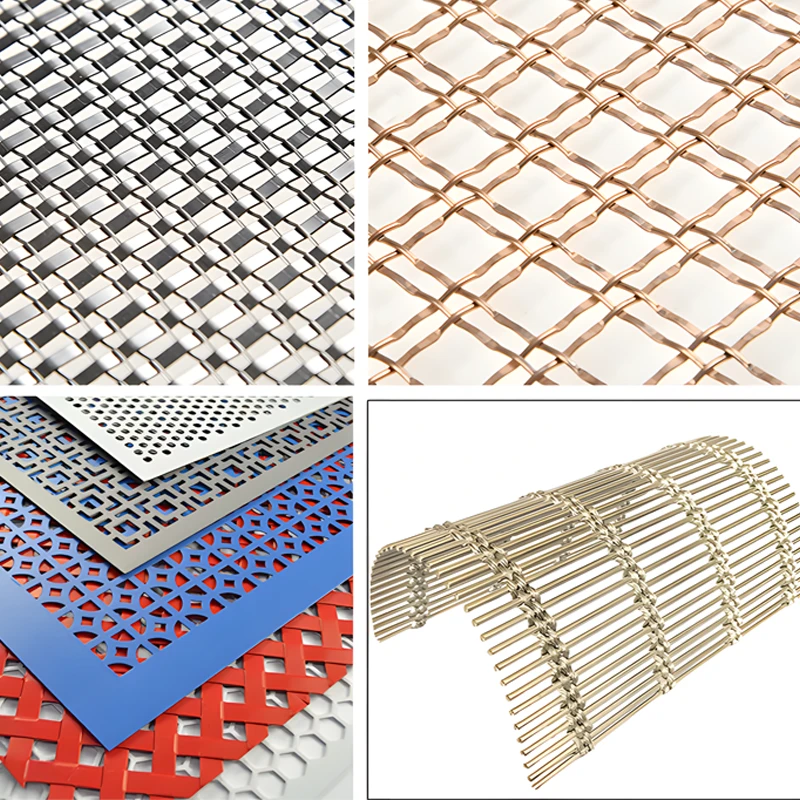
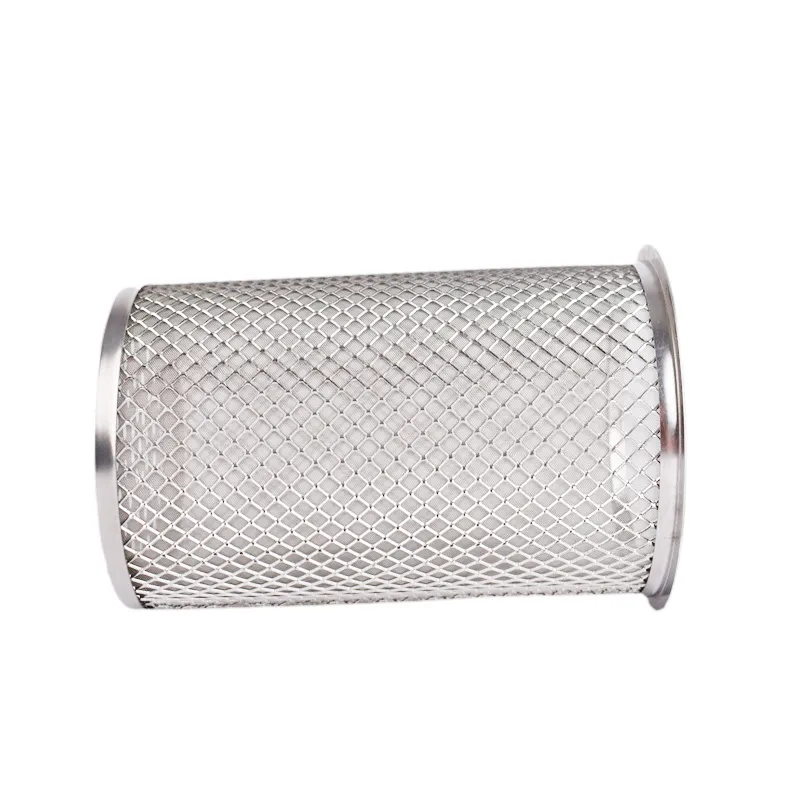
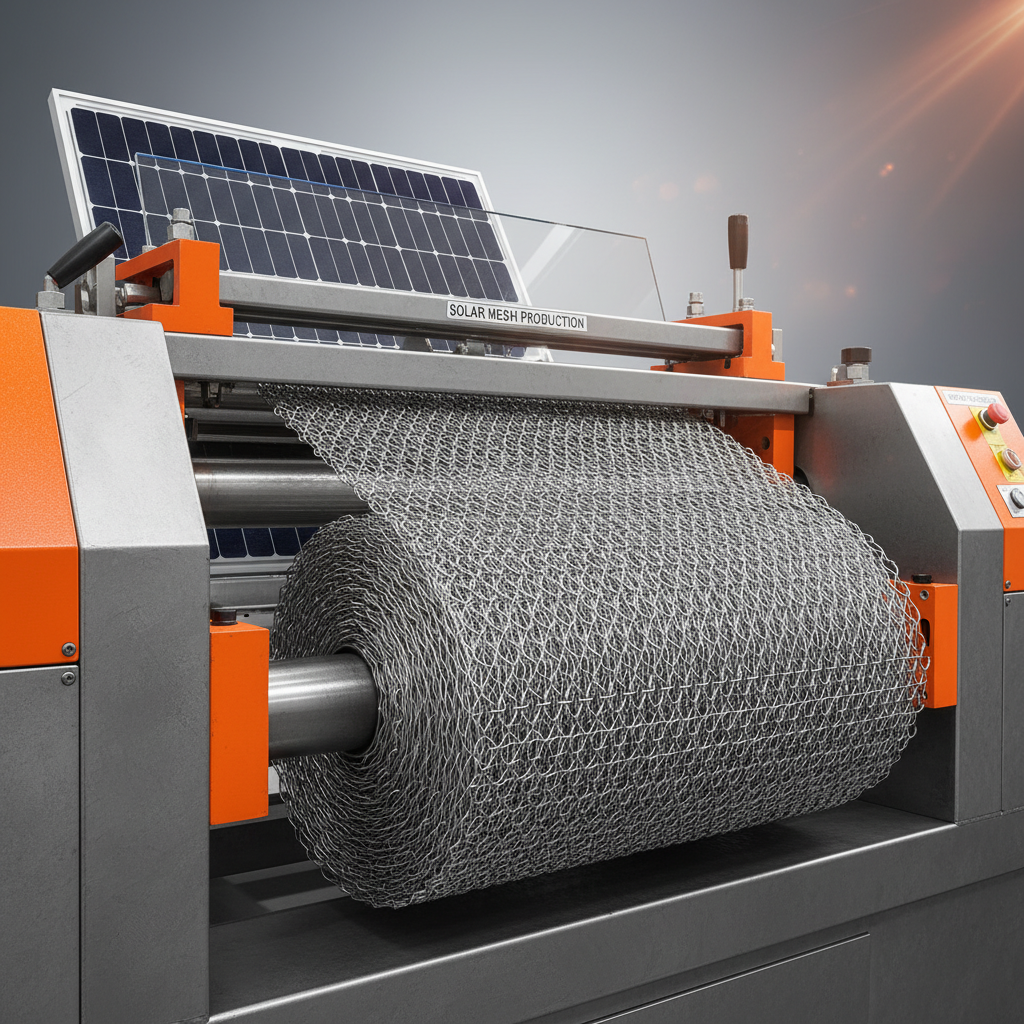
At its core, a 4mm stainless steel mesh is a wire mesh where each wire measures about 4 millimeters in diameter. Constructed from stainless steel alloys — typically grades like 304 or 316 — it combines metal strength with corrosion resistance. The mesh refers to the pattern of interlacing wires, creating a grid that can be fine or coarse depending on use.
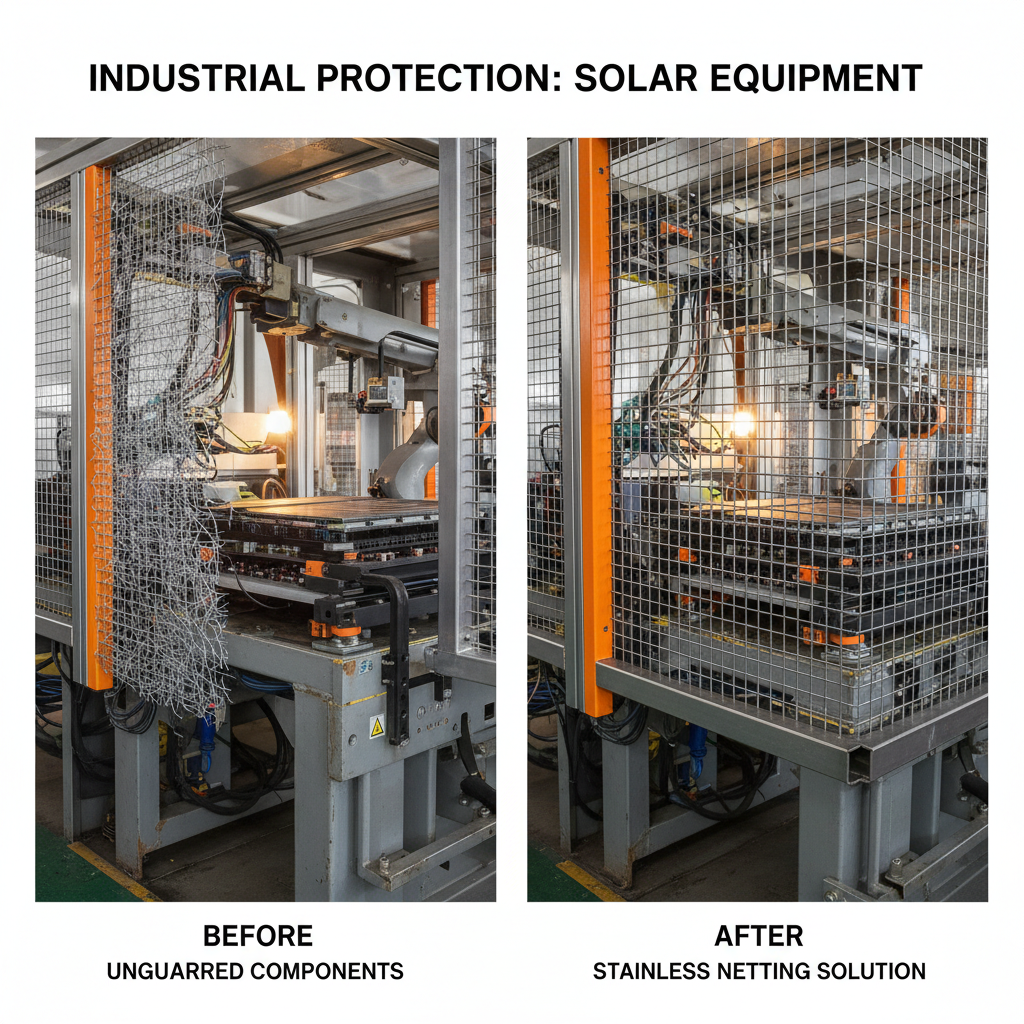
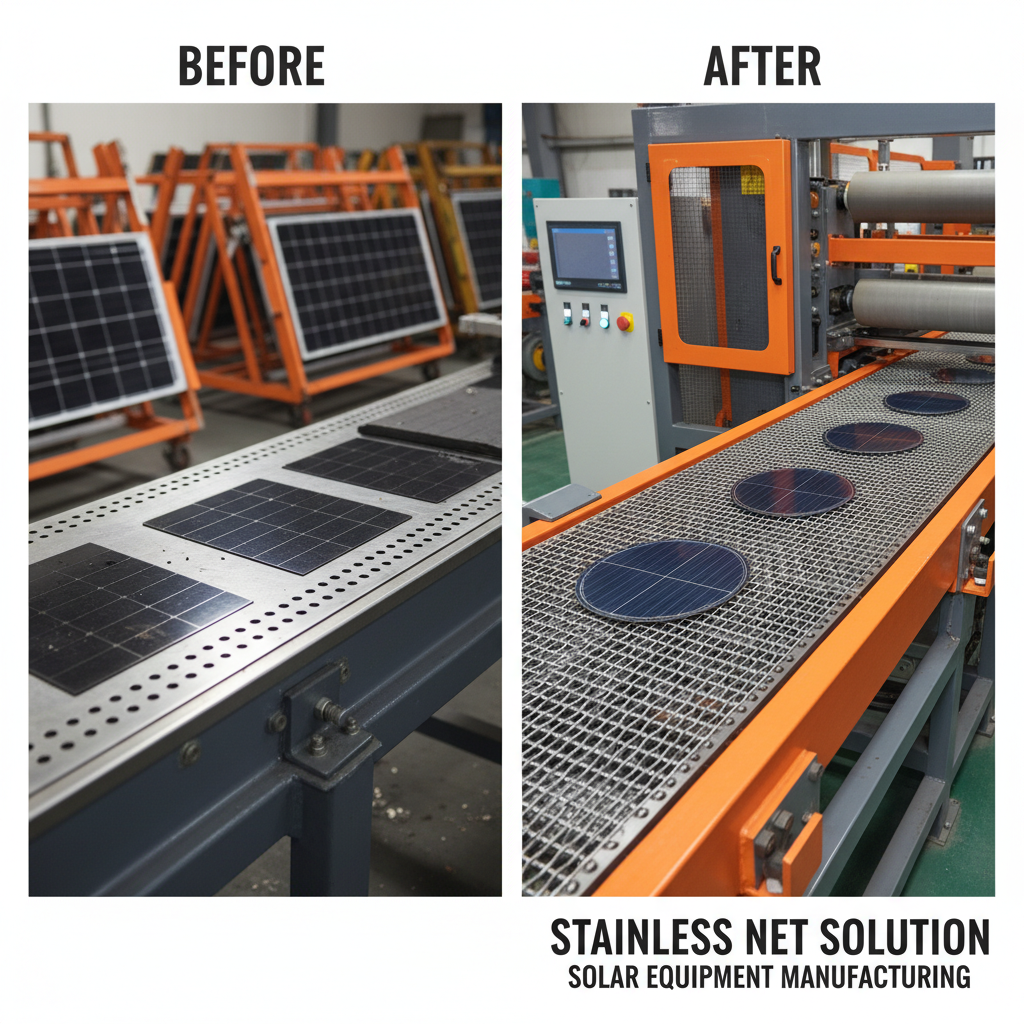
In modern industry, this mesh finds roles in filtration, architecture, security fencing, and even agricultural sectors. Humanitarian efforts also lean on such meshes for durable but lightweight protective barriers and modular construction.
Mini Takeaway:
Think of 4mm stainless steel mesh as a versatile, resilient fabric made of metal wires — strong, reliable, and weatherproof.
Core Factors that Make 4mm Stainless Steel Mesh Special
1. Durability
The stainless steel composition means the mesh won’t easily rust or corrode, which is critical in harsh climates — coastal regions, industrial plants, or dusty deserts.
2. Strength and Flexibility
4mm wire thickness offers the “sweet spot” between rigidity and formability. It won’t just break under tension but can be bent or cut to fit multiple applications, from fences to filtration screens.
3. Cost Efficiency
While heavier wire meshes exist, 4mm variants provide solid protection without breaking the bank. Their longevity reduces replacement cycles — a real money saver.
4. Scalability
You can scale production for massive infrastructure or custom small projects. That makes it favorable for both industrial use and niche purposes like artisanal crafts or architectural decor.
5. Hygiene & Cleanability
Some industries, like food processing or pharmaceuticals, rely heavily on stainless steel mesh because it’s easier to sanitize and maintain — important for meeting rigorous safety standards.
6. Environmental Resistance
UV rays, moisture, chemicals — most won’t degrade the mesh quickly, ensuring long-term reliability.
Mini Takeaway:
Durability, strength, affordability, and adaptability make 4mm stainless steel mesh a material many engineers swear by.
Real-World Applications Across the Globe
Let’s look at some practical examples — because context matters:
- Construction and Architecture: Used in concrete reinforcement, facades, and partition walls, it ensures structural safety and aesthetic appeal.
- Water Treatment: Municipalities worldwide utilize stainless steel mesh filters to trap debris and contaminants in water systems.
- Industrial Screening: Mining and chemical plants rely on 4mm mesh screens to separate materials efficiently, even in remote areas.
- Humanitarian Aid: In disaster-hit zones, modular shelters or fencing made from stainless steel mesh ensure secure, long-lasting protection for displaced people.
- Agriculture: Wire mesh fencing protects crops against pests while withstanding weather extremes.
In places prone to hurricanes or flooding, like parts of Southeast Asia or the Gulf Coast in the U.S., 4mm stainless steel mesh is part of how communities harden infrastructure and mitigate damage.
Mini Takeaway:
From city skylines to rural farms, the 4mm stainless steel mesh quietly supports critical infrastructure and livelihoods.
Advantages and Long-Term Value You Can’t Ignore
Why choose 4mm stainless steel mesh over alternatives? As one engineer put it to me recently, “It’s the trust you place in a material to just keep working.” It’s emotionally reassuring and economically smart.
- Cost-effective longevity: Stands up to corrosion and stress better than plastics or cheaper metals.
- Sustainability: Mostly recyclable and often produced under ISO guidelines ensuring minimal waste.
- Safety and dignity: In humanitarian settings, durable fencing and reliable barriers contribute to community security and psychological well-being.
- Innovation-ready: Compatible with modern welding, coating, or digital manufacturing techniques.
Quick Product Specification Table
| Specification | Detail |
|---|---|
| Wire Diameter | 4 mm ± 0.05 mm |
| Material Grade | Stainless Steel 304 / 316 |
| Mesh Opening Size | 5 mm – 50 mm (customizable) |
| Surface Treatment | Electro-polished / passivated |
| Max Width | 2 meters |
| Weight per sqm | Approx. 6.2 kg/m² |
Vendor Comparison: Choosing Your 4mm Stainless Steel Mesh Supplier
| Vendor | Product Range | Customization | Price Range | Lead Time |
|---|---|---|---|---|
| QH Filter | 4mm mesh, custom mesh openings | High | $$ | 2-4 weeks |
| SteelNet Corp. | Standard meshes, limited customization | Low | $ | 1-3 weeks |
| Global Mesh Ltd. | Wide range, premium grades | Medium | $$$ | 4-6 weeks |
Emerging Trends and Innovations for 4mm Stainless Steel Mesh
As if the mesh weren’t already versatile enough, new tech and policies are shaking things up. Environmental regulations push for cleaner production, making suppliers refine processes to reduce waste and carbon footprints.
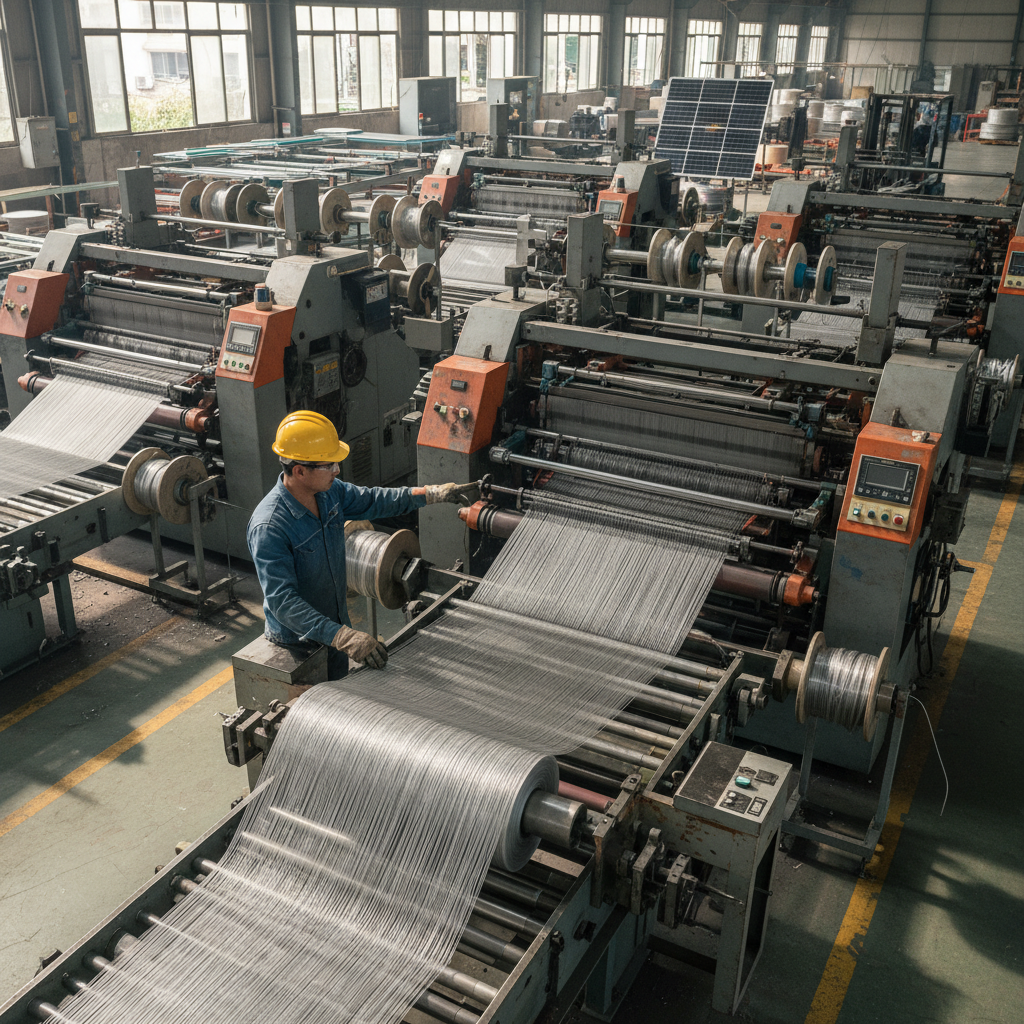
On the tech front, digital weaving techniques and laser cutting enable intricate, customized mesh patterns — for aesthetics and function. And oddly enough, some companies are exploring coatings embedded with antibacterial agents, especially relevant in food and healthcare sectors.
Looking forward, expect more automation in manufacturing and integration of sensor tech in composites that incorporate stainless steel mesh — opening up smart infrastructure possibilities.
Challenges & How the Industry is Tackling Them
No material’s perfect, right? One persistent challenge with 4mm stainless steel mesh is balancing weight and cost in large-scale projects. Heavier mesh can add up to logistical headaches and higher shipping fees, especially for remote sites.
Another is corrosion under extreme conditions where cheap or lower-grade stainless steel can fail unexpectedly.
Experts recommend specifying correct stainless grades (316 for marine, for example) and partnering with vendors that offer surface treatments like passivation or electro-polishing. Custom cutting onsite also reduces wastage and transportation load.
FAQ: Practical Questions on 4mm Stainless Steel Mesh
Q1: How long does 4mm stainless steel mesh typically last outdoors?
With proper grade selection (304 or 316) and maintenance, such mesh can last upwards of 20-30 years outdoors, even in harsh environments. The longevity depends heavily on exposure conditions and surface treatments.
Q2: Can 4mm stainless steel mesh be customized for specialty applications?
Absolutely. Vendors like 4mm stainless steel mesh suppliers often offer custom mesh openings, wire coatings, and roll sizes to match specific project requirements, including unusual shapes or patterns.
Q3: Is the stainless steel mesh suitable for food-grade filtration?
Yes. The corrosion resistance and easy cleanability of stainless steel make 4mm mesh ideal for food processing filters, where hygiene is paramount. Surface treatments can further enhance suitability.
Q4: What is the typical lead time when ordering 4mm stainless steel mesh in bulk?
Lead times vary but generally range from 2-6 weeks depending on customization levels and vendor capacity. Planning ahead helps avoid project delays.
Q5: Can this mesh be recycled?
Good news — stainless steel meshes are highly recyclable, supporting circular economy goals. Recycling reduces energy consumption compared to new metal production.
Wrapping Up: Why 4mm Stainless Steel Mesh Holds Its Ground
If you take anything from this, it’s that this mesh size, seemingly a tiny detail, underpins countless big projects worldwide. It blends strength, durability, and versatility like few materials out there — helping shape safer cities, cleaner industries, and more resilient communities.
Curious to see its specs or get samples? Visit our site to learn more about how 4mm stainless steel mesh can fit your needs — whether it’s industrial filtration, fencing, or something entirely new.
Final Thought:
Materials like 4mm stainless steel mesh aren’t glamorous, but they’re the silent backbone of modern progress. A little steel, a lot of impact.