Exploring the Versatility and Benefits of Stainless Steel Mesh Applications
Understanding Stainless Steel Mesh: Applications and Benefits
Stainless steel mesh is a versatile material with a broad range of industrial and commercial applications. Its durability, corrosion resistance, and unique properties make it a preferred choice for filtration, separation, security, and more. This article will explore the key characteristics of stainless steel mesh, delve into its diverse applications, and outline the benefits of using it. Choosing the right type of mesh is crucial for optimal performance; we'll cover common weaves and materials to help you make informed decisions.
What is Stainless Steel Mesh?
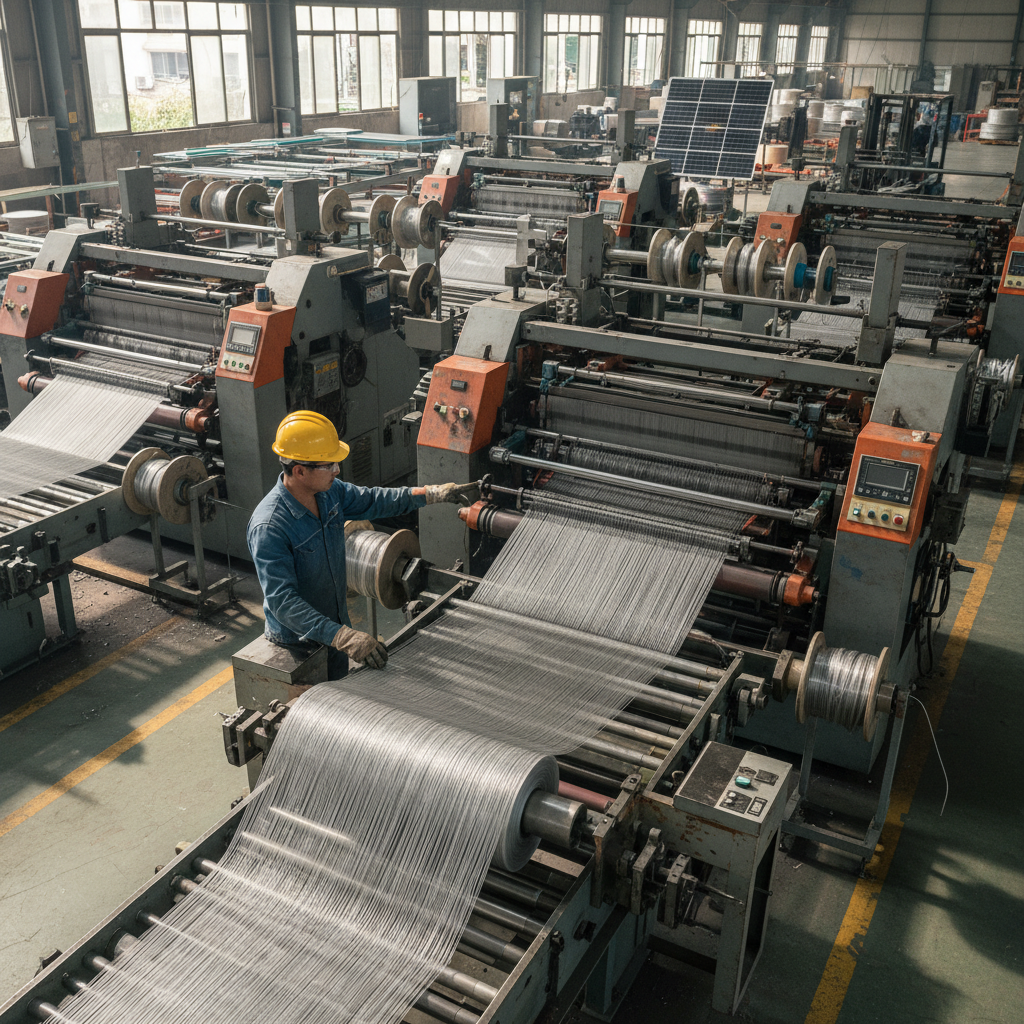
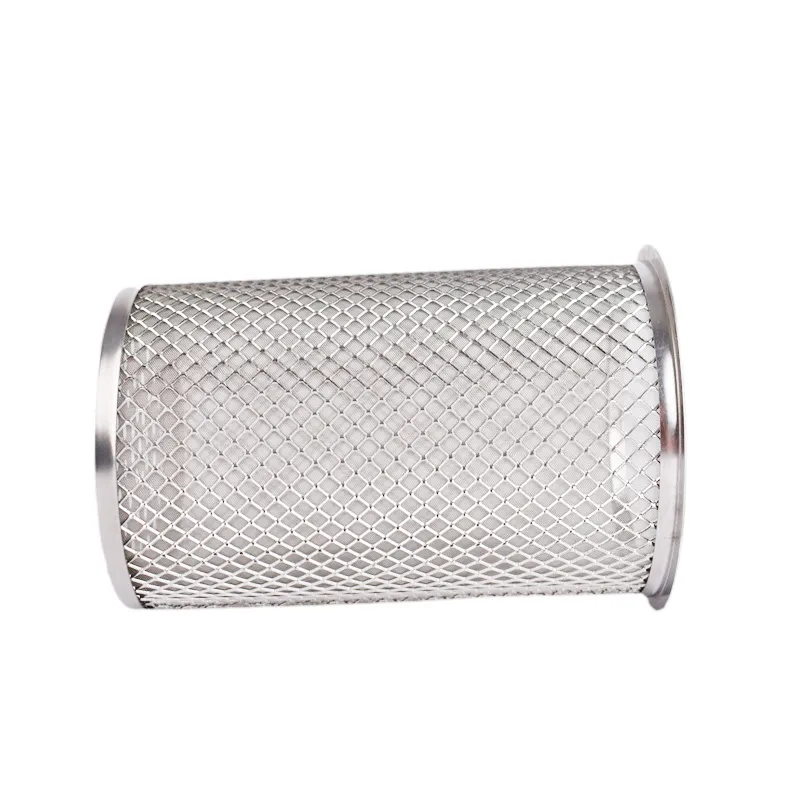
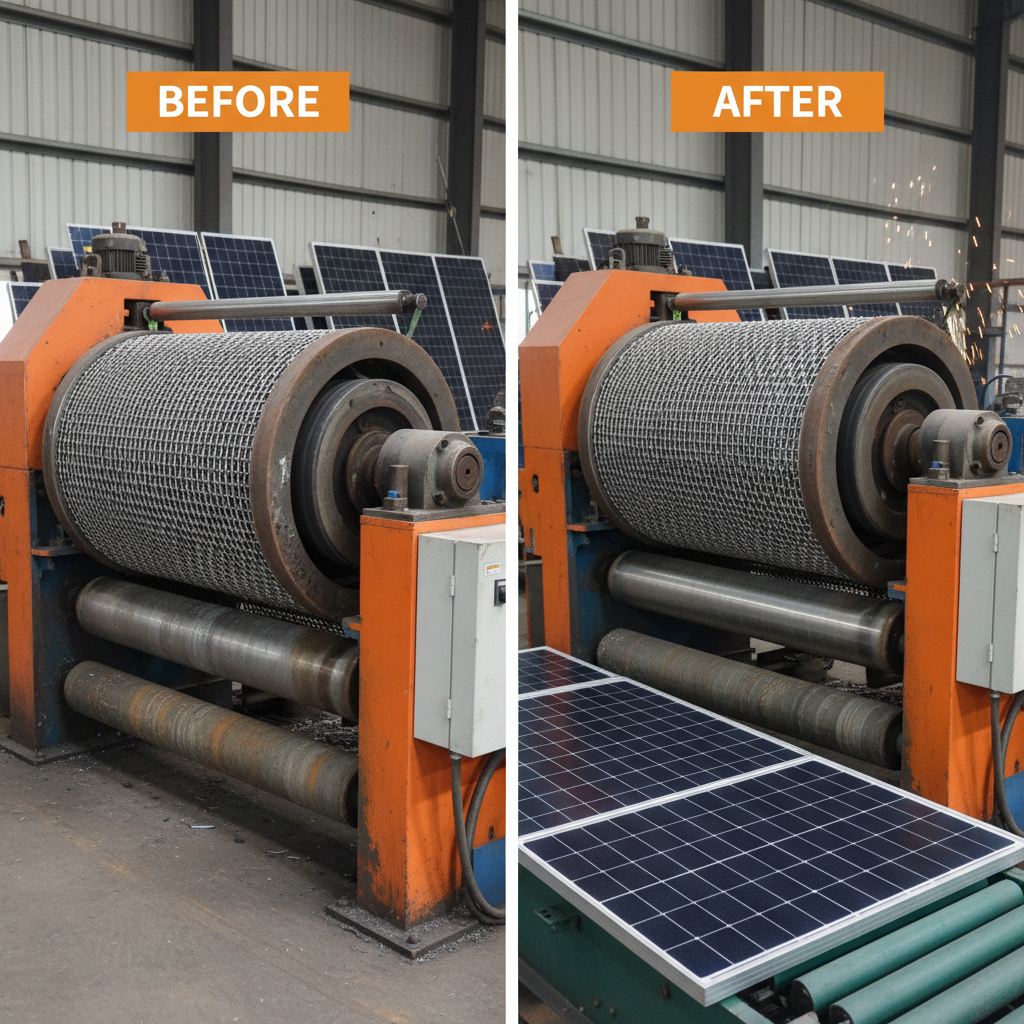
Stainless steel mesh is created by weaving or welding together thin strands of stainless steel wire. The resulting material is characterized by its open, grid-like structure. The specific properties of the mesh—such as its aperture size, wire diameter, and weave pattern—are tailored to meet the demands of a particular application. Stainless steel's inherent resistance to corrosion makes this mesh ideal for challenging environments, including those involving exposure to moisture, chemicals, and extreme temperatures. It is offered in a variety of grades, with 304 and 316 being the most commonly used.
Key Properties: Corrosion resistance, durability, high tensile strength, temperature resistance, and versatility.
Common Weave Types of Stainless Steel Mesh
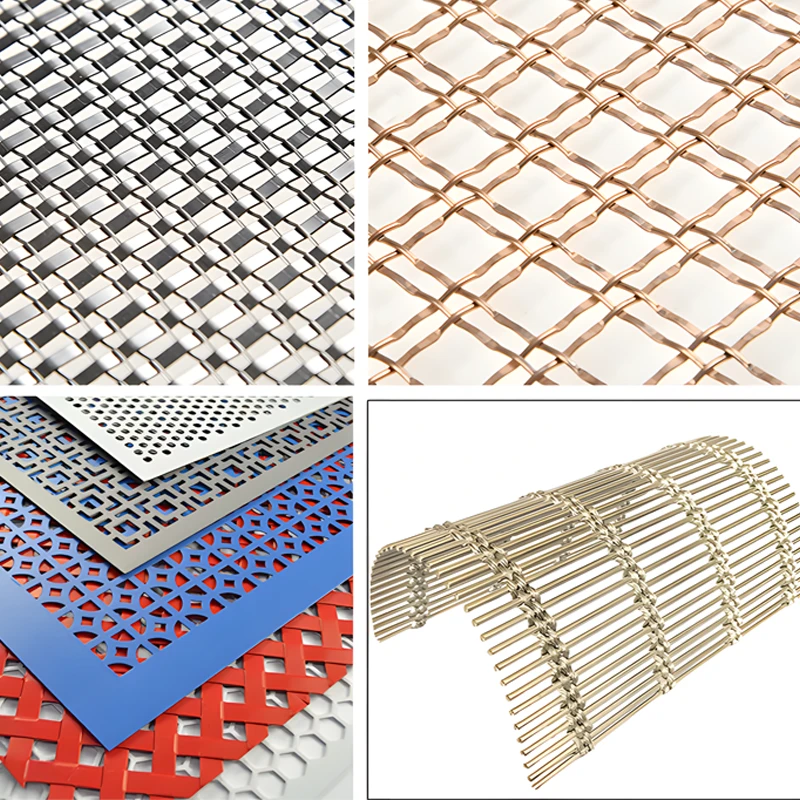
Different weave patterns offer unique characteristics suited for various applications. Some of the most common weaves include plain weave, twill weave, Dutch weave (also known as reverse Dutch weave), and crimped weave. Plain weave provides good stability and evenness, while twill weave offers greater density and filtration efficiency. Dutch weave features a tightly woven warp and a more open weft, creating a high-flow filter. Crimped weave, with its interlocking wires, adds increased strength and resilience. The selection of the appropriate weave depends heavily on the intended use and required performance characteristics. Qhfilter can help with selecting the right weave for your needs.
Weave Pattern Benefits:
• Plain Weave: Stability, evenness
• Twill Weave: Density, high filtration
• Dutch Weave: High flow, filtration
• Crimped Weave: Strength, resilience
Stainless Steel Mesh Grades Comparison
Different grades of stainless steel offer varying levels of corrosion resistance and mechanical properties. The two most frequently used grades for mesh are 304 and 316. 304 stainless steel provides excellent corrosion resistance in a wide range of environments, while 316 contains molybdenum, which significantly enhances its resistance to chlorides and other harsh chemicals. This makes 316 stainless steel the preferred choice for marine applications and environments prone to salt spray. Understanding the differences between these grades is essential for selecting the most appropriate material for your application.
Applications of Stainless Steel Mesh
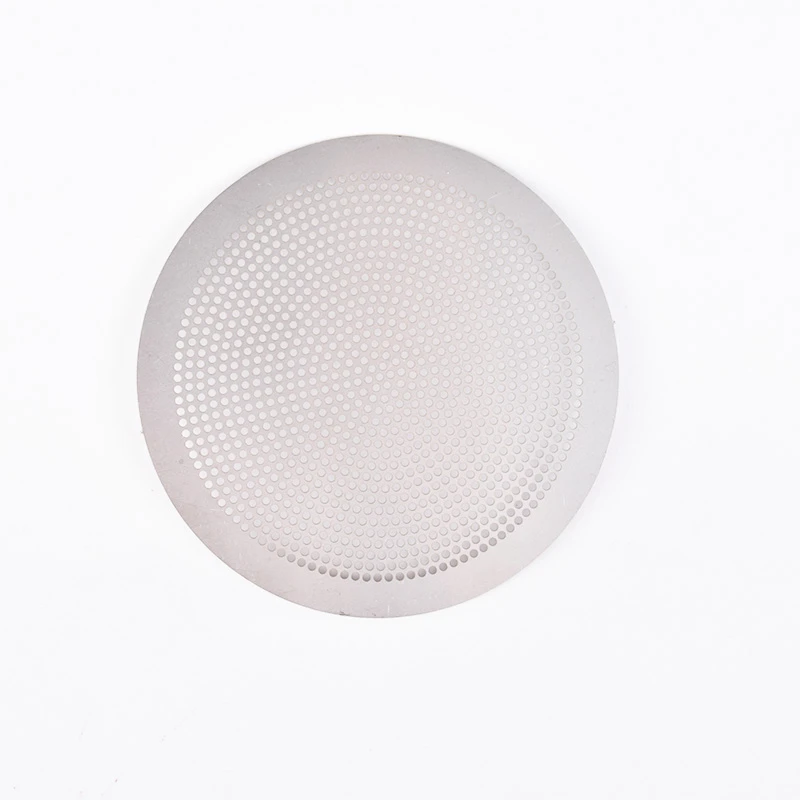
The applications of stainless steel mesh are incredibly diverse. In filtration, it’s used in air filters, liquid filters, and strainers. In security, it provides robust barriers for windows and doors. The mesh is also crucial in industrial processes such as sieving, screening, and separating materials. Furthermore, it’s found in architectural applications for facades and sun shading, as well as in the medical field for surgical implants and sterilization processes. It also has key applications in the food and beverage industry for straining and filtering liquids, and in the automotive industry for exhaust systems.
Benefits of Using Stainless Steel Mesh
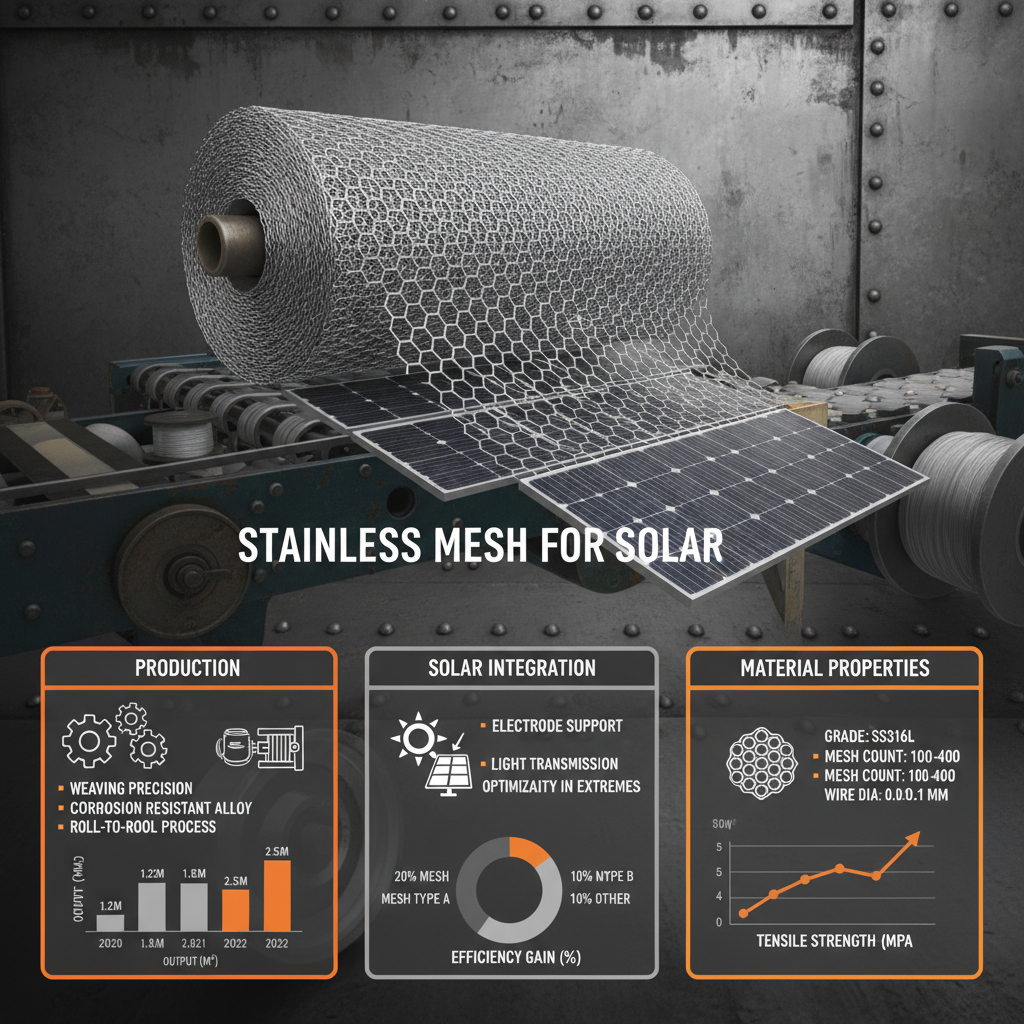
Choosing stainless steel mesh offers several advantages. Its exceptional corrosion resistance ensures long-lasting performance in harsh environments. Its high strength and durability contribute to its reliability and longevity. The mesh is easy to clean and maintain, reducing downtime and maintenance costs. It’s also recyclable, making it an environmentally responsible choice. Finally, the versatility of stainless steel mesh allows it to be customized to meet specific application requirements. Contact Qhfilter today for a custom quote.
Conclusion
Stainless steel mesh remains a critical component across countless industries due to its unique blend of strength, corrosion resistance, and versatility. Selecting the right grade, weave, and specifications is paramount to maximizing its performance and ensuring a long-lasting, reliable solution.
Frequently Asked Questions (FAQs)
What is the typical lifespan of stainless steel mesh?
The lifespan of stainless steel mesh depends significantly on the environment it's exposed to and the grade of stainless steel used. In general, with proper care and maintenance, stainless steel mesh can last for decades. However, exposure to highly corrosive substances, extreme temperatures, or physical damage can shorten its lifespan. Regular inspection for signs of wear, corrosion, or damage is recommended. Properly maintained 316 stainless steel mesh in a relatively benign environment can easily last 20 years or more.
Can stainless steel mesh be cut to custom sizes?
Yes, stainless steel mesh can be easily cut to custom sizes using various methods, including shears, rotary cutters, and laser cutting. However, it's important to use appropriate tools and techniques to avoid fraying or damaging the mesh. Professional fabrication services, like those offered at Qhfilter, can provide precise cuts and finished edges tailored to your specific requirements.
How do I clean and maintain stainless steel mesh?
Stainless steel mesh is relatively easy to clean. Regular cleaning with mild soap and water is typically sufficient. For more stubborn dirt or grime, you can use a specialized stainless steel cleaner. Avoid abrasive cleaners or scouring pads, as these can scratch the surface. Rinsing thoroughly and drying completely after cleaning helps prevent corrosion. Inspect the mesh regularly for any signs of damage and address them promptly.
Is stainless steel mesh suitable for food contact applications?
Yes, certain grades of stainless steel mesh, particularly 304 and 316, are suitable for food contact applications. These grades are non-toxic and resistant to corrosion, making them safe for use in food processing and handling. However, it's essential to ensure the mesh meets relevant food safety regulations and standards in your region. Qhfilter offers food-grade stainless steel mesh options.