5 Micron Stainless Steel Filter – Durable Fine Filtration Solutions for Industry | QHFilter
5 Micron Stainless Steel Filter is a key solution in the industry, specifically within sectors that demand high durability and fine filtration. This article explores how https://www.qhfilter.com supports professionals with durable, high-performance products, and explains why this product is an ideal choice for businesses in these sectors.
Table of Contents
- 5 Micron Stainless Steel Filter Overview
- Benefits & Use Cases of 5 Micron Stainless Steel Filter
- Cost, Maintenance & User Experience
- Sustainability & Market Trends
- Frequently Asked Questions
- Conclusion on 5 Micron Stainless Steel Filter from China
5 Micron Stainless Steel Filter Overview
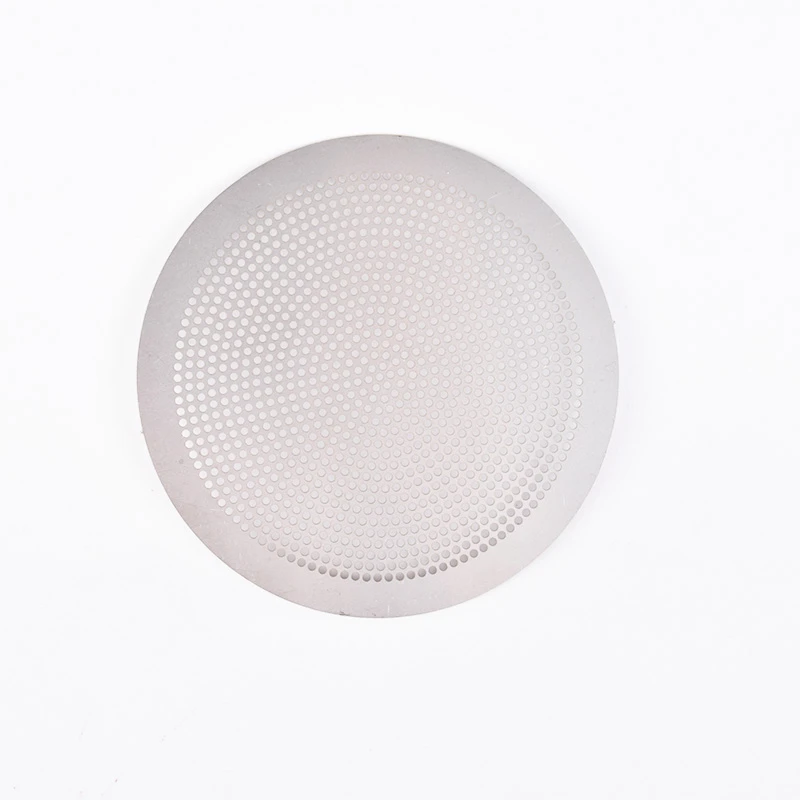
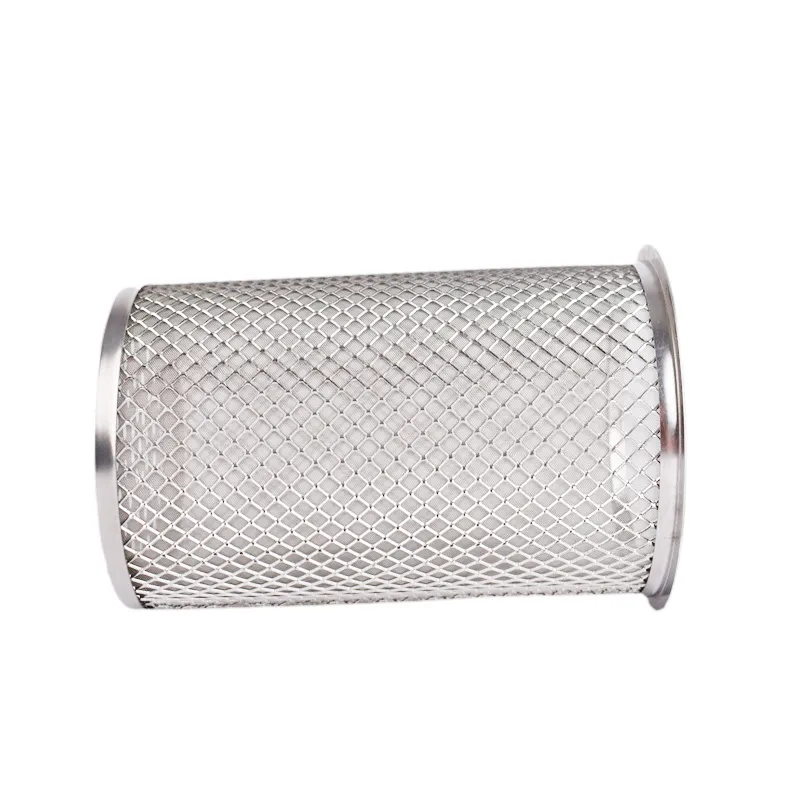
At its core, the 5 Micron Stainless Steel Filter is designed to trap particles as small as five microns—that’s about one-fifteenth the diameter of a human hair—making it a fine but robust filtration choice for many industrial needs. Stainless steel lends this filter an edge: it resists corrosion, takes some serious mechanical abuse, and handles elevated temperatures better than many alternatives.
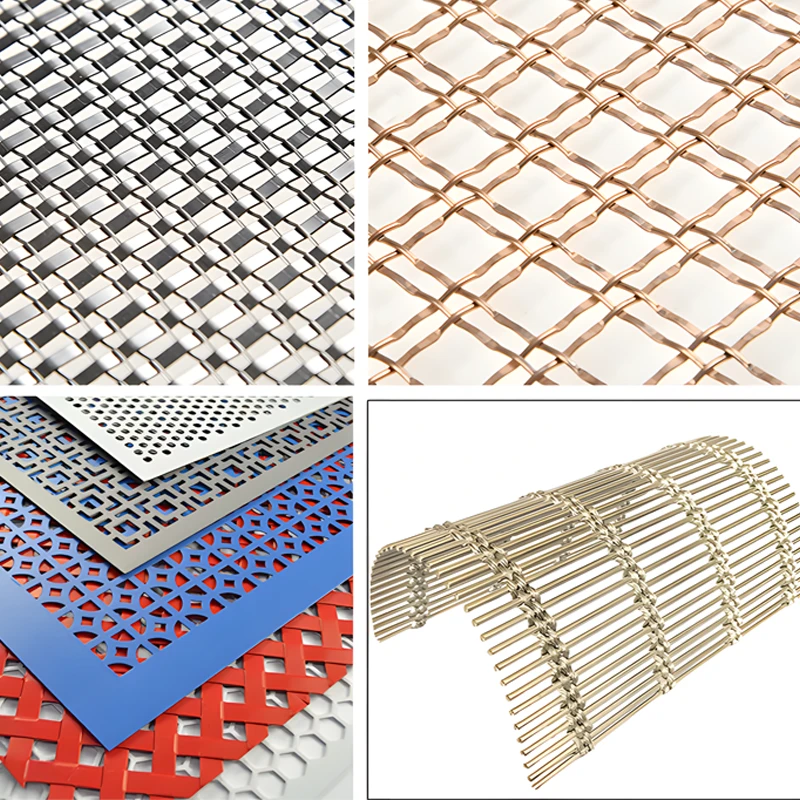
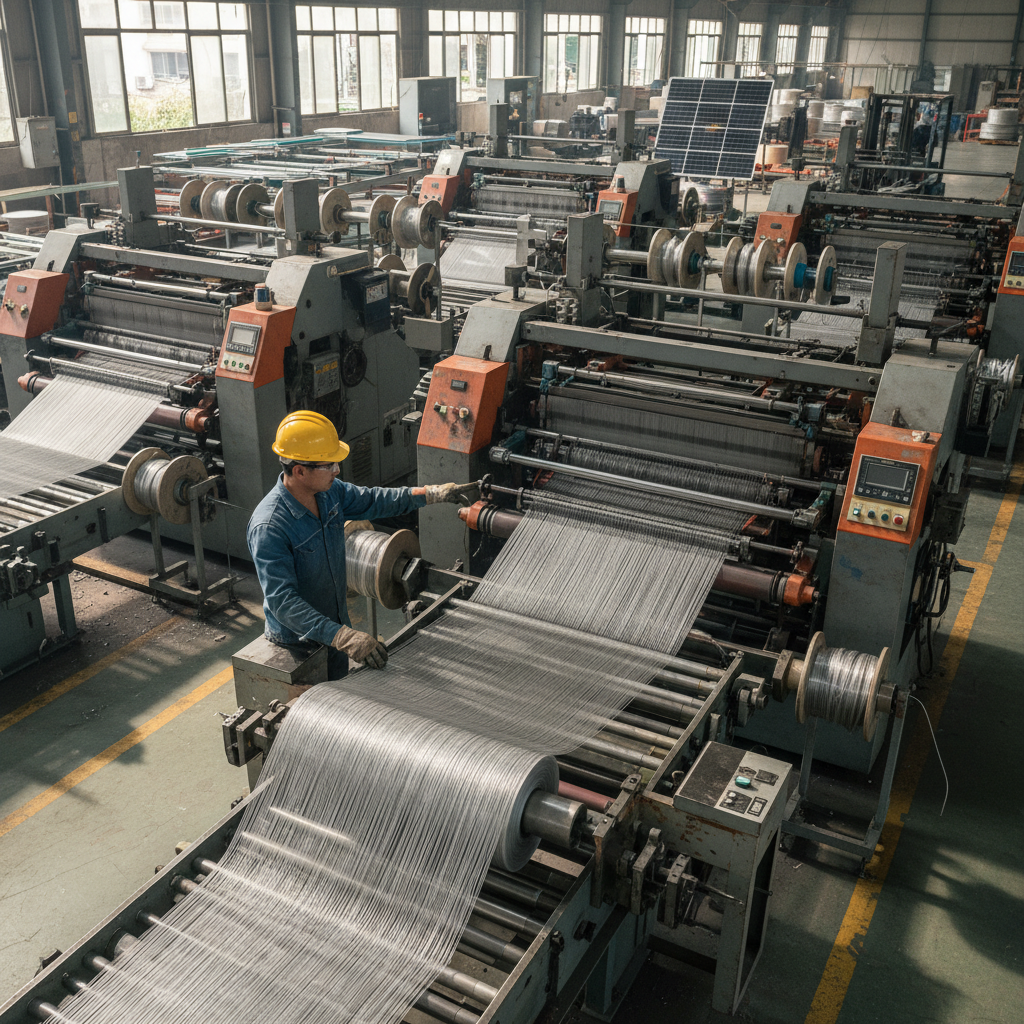
From an engineering standpoint, these filters are made with woven mesh or sintered metal—in short, layers of stainless steel mesh designed to allow fluid flow while blocking contaminants. For instance, in a recent case study, a chemical processing plant upgraded to 5 micron stainless steel filters to remove fine particulate from their pumping systems. The result? Reduced maintenance downtime and a longer equipment lifespan, cutting costs significantly over traditional paper or plastic media filters.
| Specification | Details |
|---|---|
| Material | 304 / 316 Stainless Steel |
| Micron Rating | 5 Microns |
| Operating Temp. Range | -50°C to 450°C |
| Max Pressure | 50 Bar |
| Mesh Type | Woven or Sintered |
Benefits & Use Cases of 5 Micron Stainless Steel Filter
This filter’s appeal, frankly, lies in its balance of precision filtration and durability. Industries like oil & gas, pharmaceuticals, food & beverage, and chemicals leverage this technology to ensure product purity while protecting critical downstream equipment. Because stainless steel can tolerate cleaning cycles—sometimes even ultrasonic cleaning—it offers repeated use without material degradation.
For instance, in the pharmaceutical sector, the ability to filter contaminants down to 5 microns helps prevent product contamination and ensures compliance with strict quality standards. On top of that, stainless steel’s inert nature means it won’t leach or react with sensitive fluids, something many polymer-based filters struggle with.
Then there’s the competitive aspect. Compared to disposable filters, the reusable stainless steel version powers lower lifecycle costs despite a higher upfront investment. It’s kind of like choosing a reliable workhorse over the cheaper but fragile alternatives. Plus, companies cite easier maintenance and rapid filtration rates—important when downtime is not an option.
Cost, Maintenance & User Experience
Talking about the bottom line, total cost of ownership (TCO) becomes crucial. While a stainless steel filter like this costs more initially than, say, a paper filter, it often lasts years, essentially paying for itself. In dusty, abrasive environments where clogging and replacement are frequent pains, businesses see real savings.
Add to that the ease of cleaning. Most users report that backflushing or manual cleaning restores filter performance rapidly without special tools—meaning maintenance staff find it less of a hassle. In fact, many engineers I’ve talked to say these filters reduce unscheduled downtime and improve overall system reliability.
Now, user feedback from clients at QHFilter's manufacturing level confirms these sentiments. One chemical processing company noted a 30% reduction in filter replacements across their plant after switching, which directly boosted operational uptime. I suppose such data demonstrates that quality and durability don’t just sound good on paper—they translate to real-world benefits.
| Feature | QHFilter 5 Micron SS | Plastic Media Filters | Paper Cartridge Filters |
|---|---|---|---|
| Durability | High (corrosion resistant) | Moderate | Low (disposable) |
| Max Operating Temp. | Up to 450°C | Up to 80°C | Up to 120°C |
| Reusability | Yes, multiple cleaning cycles | Rarely | No |
| Initial Cost | Moderate | Low | Lowest |
Sustainability & Market Trends
Oddly enough, sustainability is becoming more of a driver even in traditionally “hard” industries relying on metal filters. Companies now demand products that cut waste and energy consumption. Reusable filters like the 5 micron stainless steel kind not only reduce landfill waste but also lower carbon footprints connected to repeated manufacturing of disposable options.
Regulations increasingly push industries to select materials that last longer and meet stricter environmental standards. Stainless steel fits the bill because it’s recyclable at end of life and maintains performance without chemical additives. Meanwhile, market research suggests growing demand for rugged filters in Asia-Pacific and Europe, pointing toward a long-term expansion.
In real terms, this means suppliers like QHFilter invest heavily in R&D to refine mesh technology and optimize flow rates, ensuring their products align with evolving customer and regulatory demands. So, it’s not just about filtering fluids but also about filtering choices for a greener future.
Frequently Asked Questions about 5 Micron Stainless Steel Filter
- What is 5 Micron Stainless Steel Filter and how does it work?
- It’s a filtration device made from stainless steel mesh with openings sized at 5 microns, physically trapping particles larger than that size while letting clean fluid through. The stainless steel material offers durability in harsh industrial conditions.
- What are the main benefits of using 5 Micron Stainless Steel Filter in industrial applications?
- Benefits include high durability, resistance to corrosion and temperature, reusability which cuts costs over time, and ability to handle abrasive or chemically aggressive fluids without degradation.
- How does 5 Micron Stainless Steel Filter compare to traditional alternatives?
- Compared to paper or plastic filters, stainless steel filters last longer, tolerate higher pressure and heat, and can be cleaned and reused multiple times, meaning less waste and lower long-term cost.
- What industries can benefit most from 5 Micron Stainless Steel Filter implementation?
- Chemical processing, pharmaceuticals, food & beverage, oil & gas, water treatment, and even aerospace—any field requiring fine filtration combined with durability in demanding environments.
Conclusion on 5 Micron Stainless Steel Filter from China
To sum it up, the 5 Micron Stainless Steel Filter is more than just a basic component; it’s a durable, efficient, and increasingly sustainable filtration solution that responds well to modern industrial demands. For B2B professionals evaluating filtration options, these filters represent a smart investment – balancing upfront costs with long-term performance and reduced waste. Oddly enough, this "small" product often turns out to make a big difference in operational success.
- Recap the value of 5 Micron Stainless Steel Filter.
- - Visit our website: https://www.qhfilter.com
Thanks for reading! If you’re sorting through filter options, thinking practically about lifecycle costs and sustainability should guide your choice – and 5 micron stainless steel filters are worth a close look.
- Industry Filtration Trends Report, 2023
- Case Study: Chemical Plant Filtration Upgrade, QHFilter, 2022
- Environmental Benefits of Reusable Filters, Sustainability Journal, 2023