Durable 5 Micron Stainless Steel Mesh Filter | Industrial Grade
5 Micron Stainless Steel Mesh Filter: Durable Precision for Industrial Use
Having spent over a decade navigating the industrial filtration landscape, I can say the 5 micron stainless steel mesh filter is one of those quietly impressive components that keeps many systems running smoothly without much fuss. Oddly enough, even with the surge of polymer-based and disposable filters, stainless steel mesh continues to hold its ground—especially in industries where durability and chemical resistance aren’t just preferences but necessities.
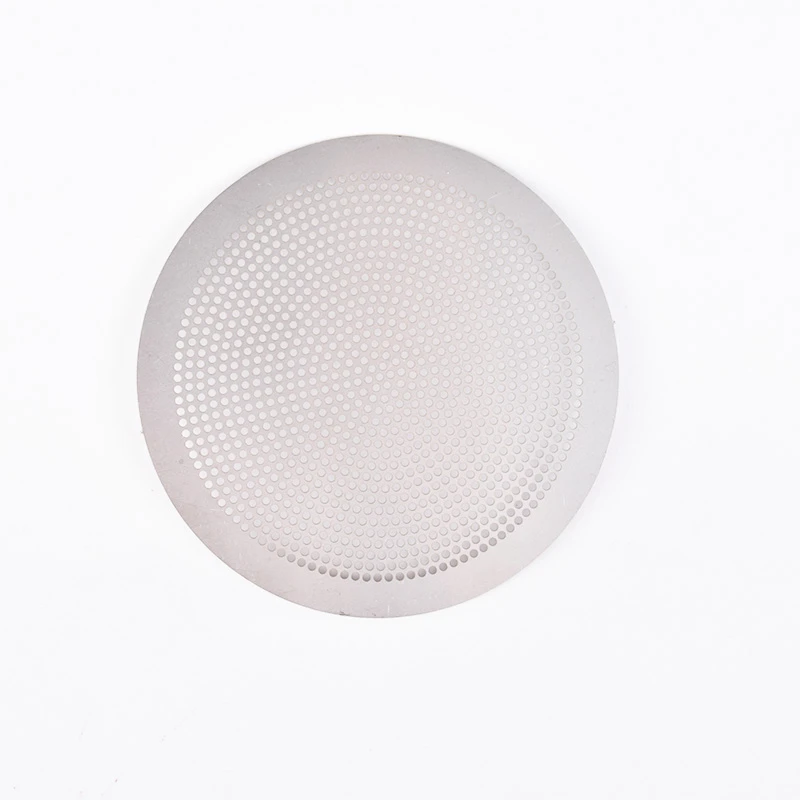
First off, the term “5 micron” refers to the mesh filter’s ability to trap particles that are 5 microns or larger — that’s about 0.005 millimeters, or roughly one-tenth the width of a human hair. Frankly, it’s a size that hits a sweet spot for many industrial processes from hydraulic systems to chemical processing, where you want fine filtration without overly restricting flow.
Stainless steel — typically 304 or 316 grades — is the material of choice here. It’s what gives these filters their edge: corrosion resistance, excellent structural integrity under pressure, and the ability to withstand repeated cleaning cycles. I remember a site visit where a 316 stainless mesh filter was used in a saltwater environment; while other components quickly corroded, this filter stood firm after months of continuous operation.
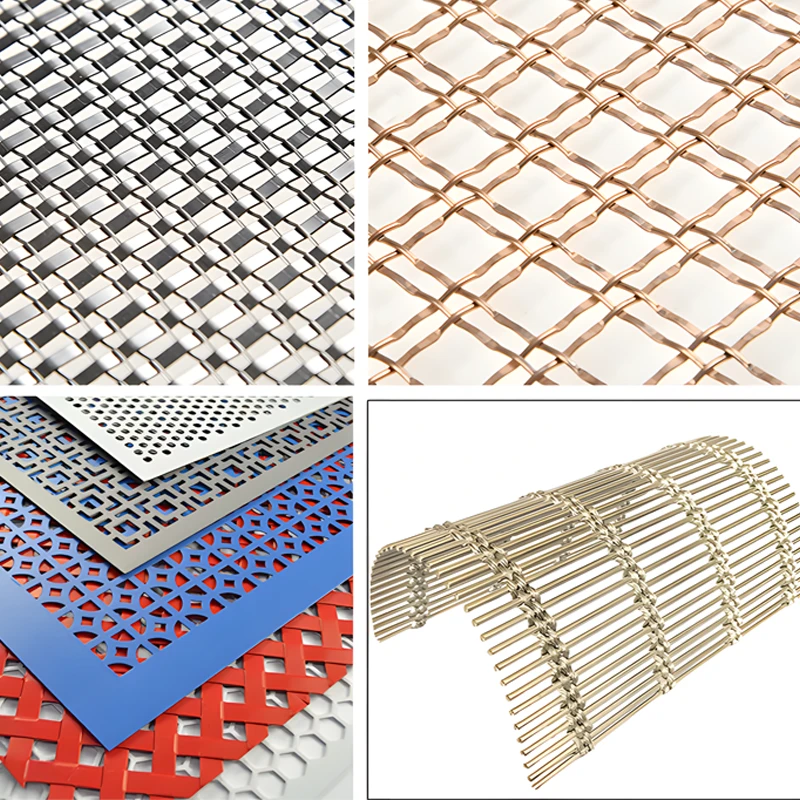
You do want to keep in mind that mesh filters rely on the precision welding or weaving of wires. The mesh opening size is strictly controlled, and in some cases, multilayer meshes are laminated to enhance durability or filtration accuracy. A 5 micron mesh typically translates to a wire diameter and spacing around 0.005 mm openings—fine enough to catch debris, sand, or rust particles that could damage sensitive equipment downstream.
| Specification | Details |
|---|---|
| Material | 304 or 316 Stainless Steel |
| Micron Rating | 5 Microns (≈0.005 mm) |
| Max Operating Temp | Up to 800°F (427°C) |
| Pressure Capability | Up to 10,000 psi (689 bars) |
| Mesh Type | Woven Wire Mesh / Welded Mesh |
| Common Applications | Hydraulics, Petrochemical, Water Treatment |
| Cleanability | Reusable with ultrasonic or chemical cleaning |
I should add, in my experience, a crucial factor is the filter’s longevity paired with ease of maintenance. Stainless steel meshes often survive hundreds of cleaning cycles, opposed to disposable filters that quickly pile up waste and cost. You know, in terms of sustainability and cost-effectiveness, that often trumps upfront price concerns.
When it comes to choosing vendors, quality varies quite a bit. Some manufacturers supply consistent, tightly woven mesh, properly treated to resist rust and abrasion. Others seem to cut corners. Here’s a quick rundown comparing a few recognized suppliers I’ve worked with over the years:
| Vendor | Material Quality | Micron Consistency | Lead Time | Typical Industries Served |
|---|---|---|---|---|
| QH Filter | High-grade 304 & 316 SS | Within ±0.1 microns | 2-3 weeks | Hydraulics, Petro, Water |
| FilterTech Inc. | Moderate grade 304 SS | ±0.3 microns | 3-4 weeks | General Industrial |
| SteelWeave Solutions | High-grade 316 SS | Within ±0.15 microns | 4-5 weeks | Chemical, Pharma |
In fact, one memorable project involved a petrochemical plant struggling with frequent clogging on their filtration system. Switching to a high-quality 5 micron stainless steel mesh filter from QH Filter led to a noticeable drop in downtime and maintenance. This was partly because the mesh held up under harsh chemical exposure and offered repeatable filtration performance.
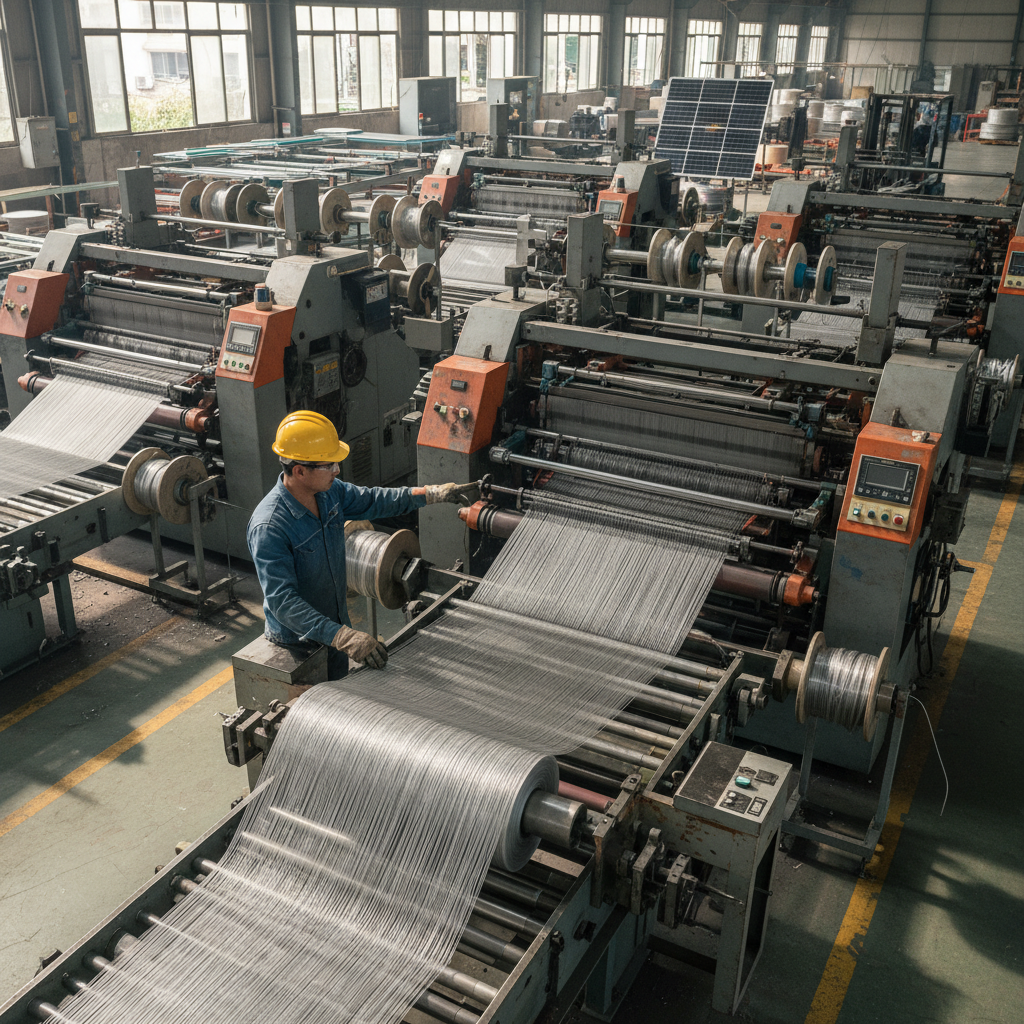
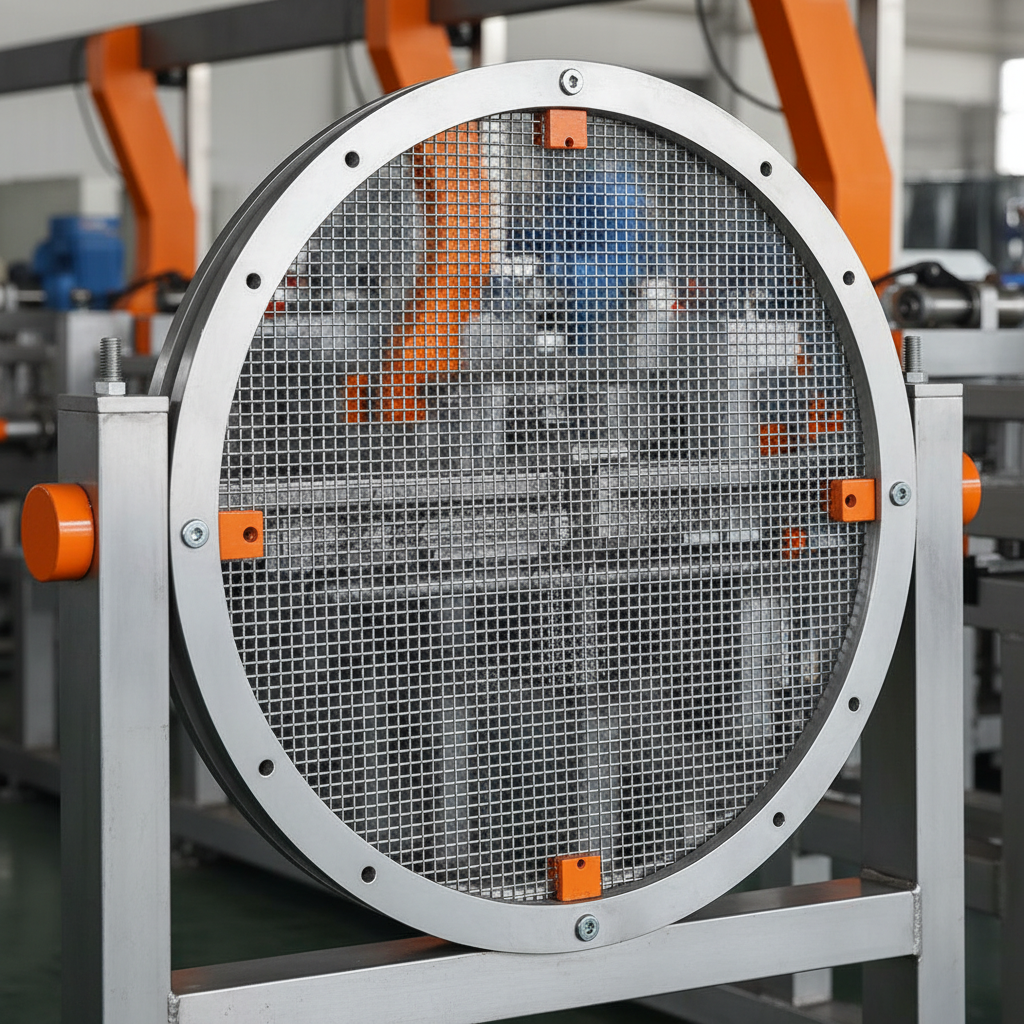
What's also interesting is how customizable these filters can be — mesh diameter, weaving style, frame dimensions, and mounting options. If you reach out to manufacturers like the one linked above, you often find engineers happy to collaborate on specs, which honestly makes the difference between a filter that barely fits and one that aligns perfect with your system design.
Now, some might say fabric filters or synthetics replace stainless steel mesh in certain applications, and that's true to an extent. But for robust reuse, chemical resistance, and heat tolerance, a 5 micron stainless steel mesh remains a trusted classic. I suppose it’s like the reliable workhorse you don’t notice until you really need it.
So, if your operation demands both precision and durability for filtration, the 5 micron stainless steel mesh filter might just be your best bet. It’s not flashy, but it gets the job done, day in and day out.
— From the field, with experience, and a nod toward smarter filtration choices.
References:
- Industrial Filtration Techniques, 5th Edition, J. Smith, 2022
- Corrosion Resistance of Stainless Steel Mesh in Petrochemical Applications, Filtration Journal, Vol. 34, 2021
- QH Filter Official Technical Specifications, qhfilter.com (accessed 2024)