Durable 300 Micron Stainless Steel Mesh Filters for Industrial Use
Understanding the 300 Micron Stainless Steel Mesh Filter
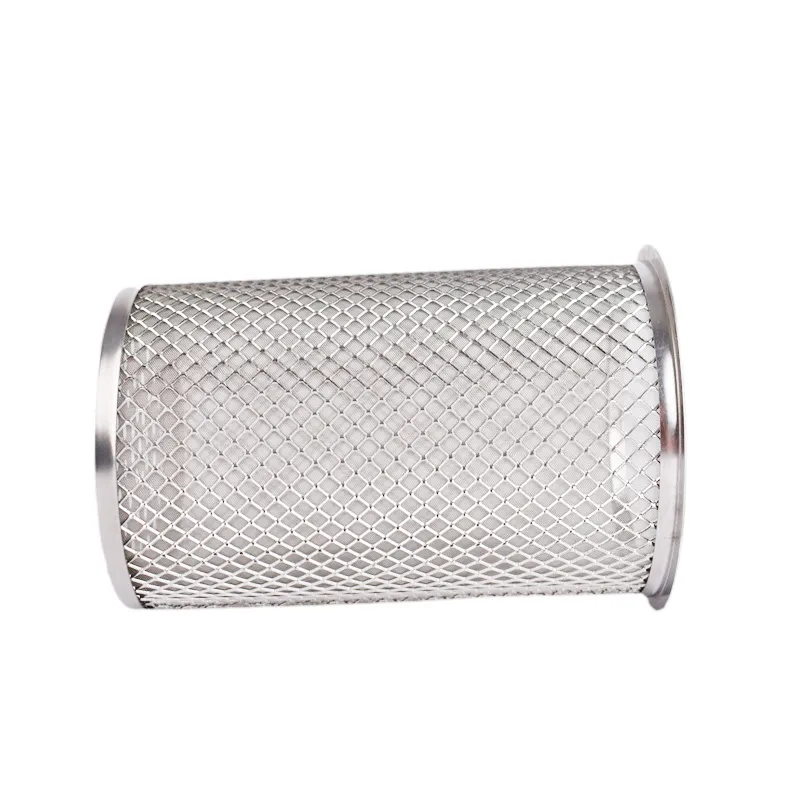
Having spent over a decade around industrial filtration systems, I can tell you there's something quietly impressive about a 300 micron stainless steel mesh filter. It may sound technical, but in real terms, this is a workhorse component that quietly keeps countless processes humming — from chemical processing to water treatment, and even food-grade filtering.
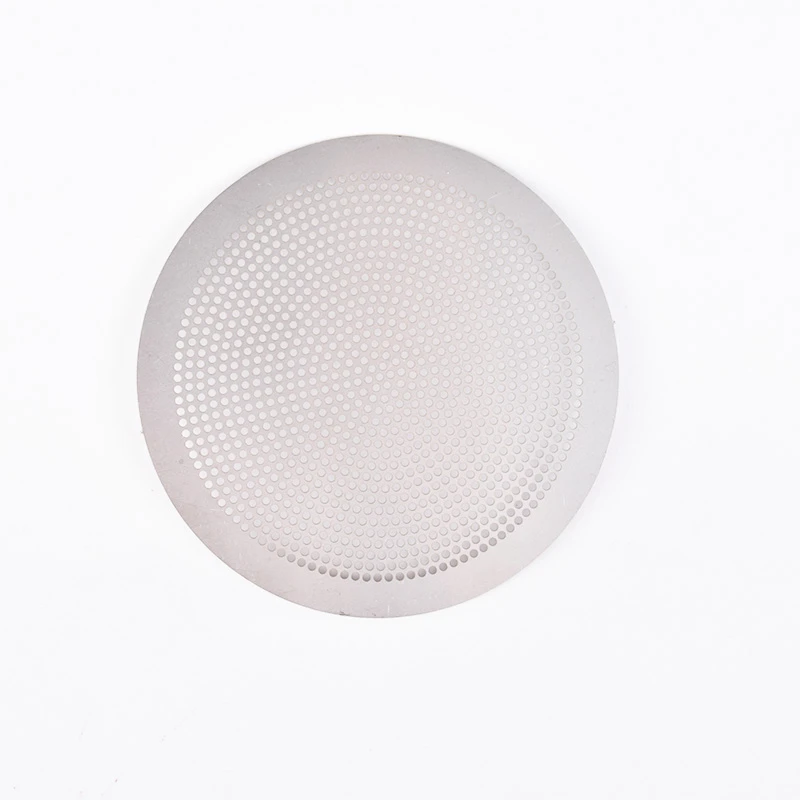
Now, why this particular micron rating? Micron size essentially refers to the mesh openings — for a 300 micron filter, these openings are about 0.3 millimeters. That means it’s great at catching particles larger than that while allowing fluids or gases to flow through fairly easily. Stainless steel as a material is kind of the gold standard here, offering durability, resistance to corrosion, and the ability to withstand varying temperatures and pressures. If you ask many engineers, they’ll highlight how these attributes make stainless mesh filters preferable to, say, synthetic fabrics or plastic meshes, especially when you’re dealing with harsh industrial environments.
Oddly enough, I once came across a plant where they initially used a less robust filter, and it led to frequent downtimes. After upgrading to a 300 micron stainless steel mesh filter, the difference was remarkable — fewer replacements, cleaner filtration, and, ultimately, less unplanned downtime. That’s not just maintenance talk; that’s dollars and minutes saved.
Key Specifications of a Typical 300 Micron Stainless Steel Mesh Filter
| Attribute | Specification |
|---|---|
| Micron Rating | 300 microns (0.3 mm) |
| Material | Stainless Steel (304 / 316 options) |
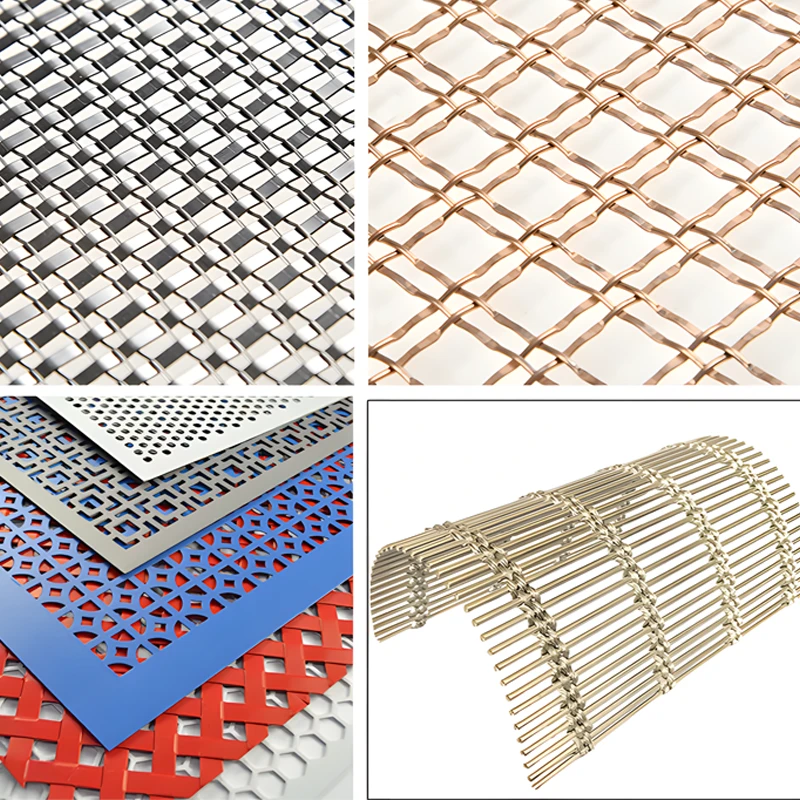
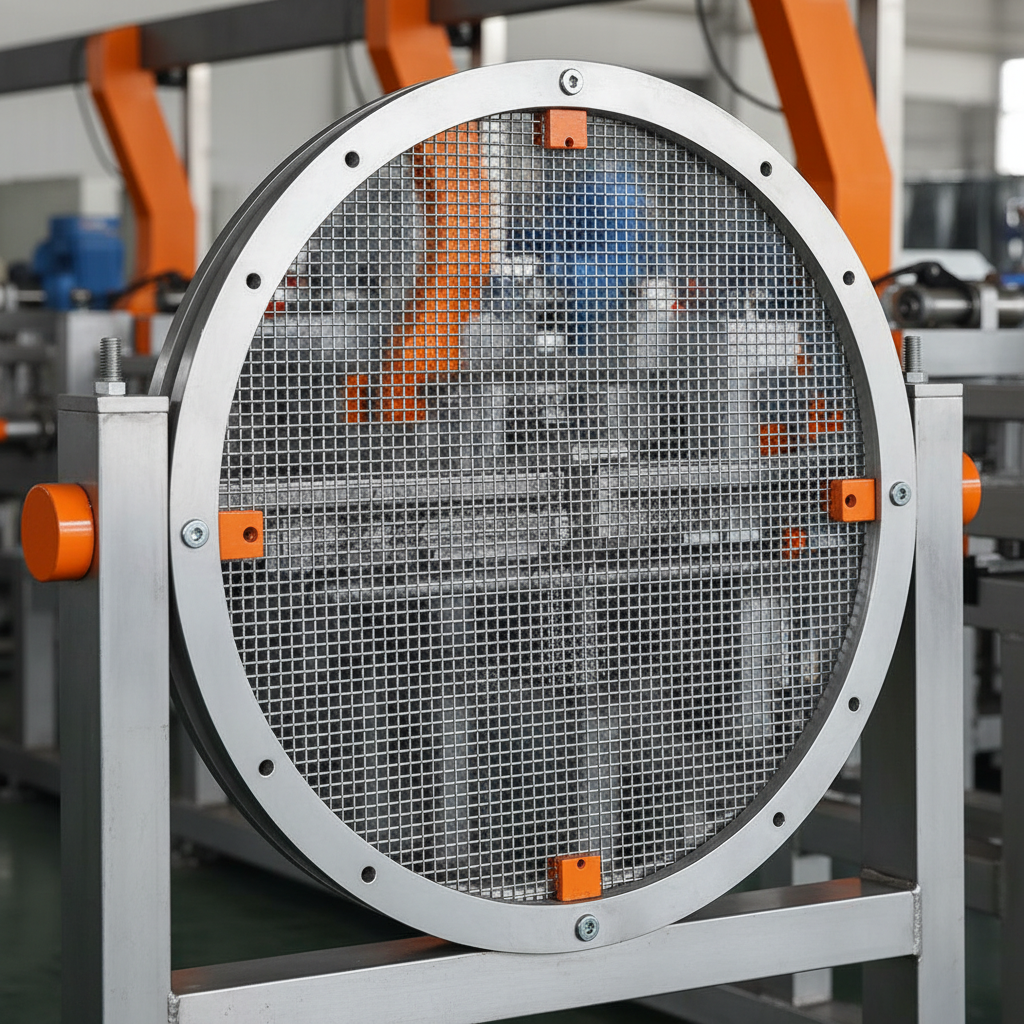
| Mesh Type | Woven Wire Mesh |
| Max Operating Temp | Up to 870°C (depending on steel grade) |
| Corrosion Resistance | Excellent (especially 316 stainless steel) |
| Typical Thickness | 0.2 mm to 0.8 mm |
Comparing Top Vendors for 300 Micron Stainless Steel Mesh Filters
| Company | Material Options | Customization | Typical Lead Time | Price Range |
|---|---|---|---|---|
| QHFilter | 304 & 316 Stainless Steel | Custom sizes & shapes | 2-3 weeks | Mid-Range |
| Alpha Filters Inc. | 316 Stainless Steel Only | Limited customization | 4-5 weeks | Higher End |
| MegaMesh Solutions | Multiple alloys plus carbon steel | Extensive customization | 3-4 weeks | Variable |
Customization can often be a game-changer for manufacturing sites — imagine needing a filter to fit an uncommon filter housing or withstand unique chemical exposure. Vendors like QHFilter that offer flexible sizing and shape adjustments tend to get the nod. Frankly, having worked with several suppliers, I find that the lead time and responsiveness are just as critical as the specs on paper.
An interesting trend lately is an increase in demand for filters combining fine mesh sizes with stainless steel’s robustness, especially in sectors focusing on sustainability. Reusability and cleanability become major points. A 300 micron stainless steel mesh filter fits neatly in that niche since it can be cleaned repeatedly without degrading the mesh — unlike nylon or paper filters, which tend to clog and need frequent replacement.
On the technical front, testing these filters often involves pressure drop evaluation, tensile strength, and corrosion resistance trials. You want to know these filters won't just withstand operating conditions but continue performing reliably week after week. In my experience, investing a little more upfront in quality filtration pays dividends over long operational cycles.
By the way, one customer I worked with recently emphasized how switching to 300 micron stainless steel filters solved their clogging problem in wastewater equipment. They reduced maintenance costs by around 30% — a clear sign of how the right mesh filter size and material really impact overall system efficiency.
To wrap it up: whether you’re in petrochemical refining, food processing, or heavy manufacturing, a 300 micron stainless steel mesh filter remains a reliable choice, balancing particle retention with flow efficiency and industrial toughness. You couldn’t ask for more in such a deceptively simple piece of equipment.
References:
- Industrial Filtration Handbook, 2022 Edition
- Corrosion Resistance of Stainless Steels in Various Environments, ASM International
- Filtration Efficiency: Comparative Studies, Journal of Industrial Equipment, 2023