Durable Mesh Filter Discs for Industrial Filtration | QH Filter
Understanding the mesh filter disc in Industrial Applications
Having spent quite a few years working hands-on in the industrial equipment sector, I’ve come to appreciate the unsung heroes like the mesh filter disc. If you haven’t encountered them directly, these components quietly ensure that machinery runs smoothly by keeping out unwanted particles from liquids or gases. Frankly, their role is often overlooked, but get one wrong and you can see entire systems grinding to a halt—or worse.
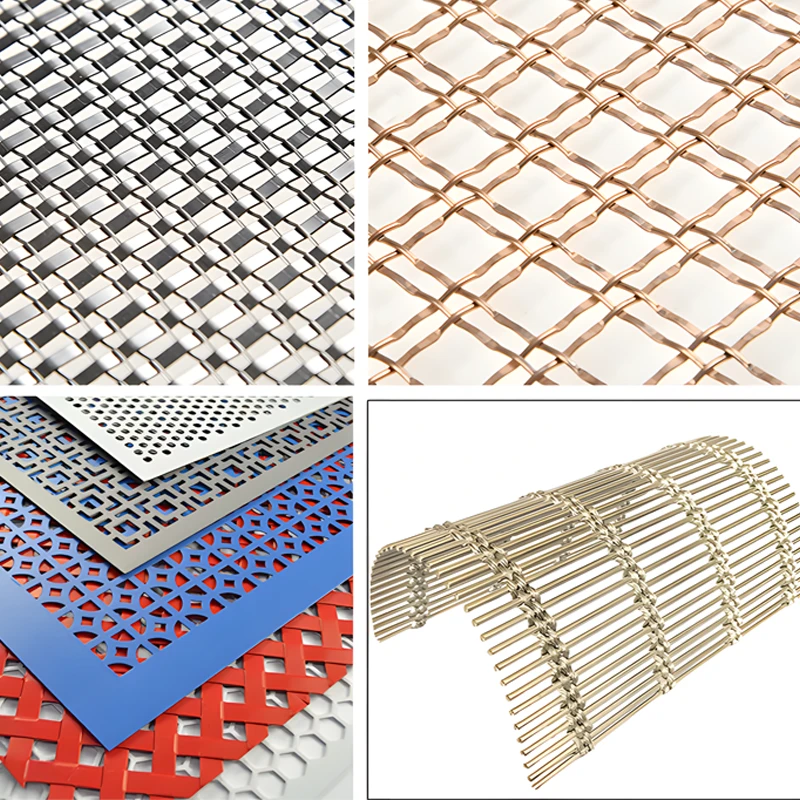
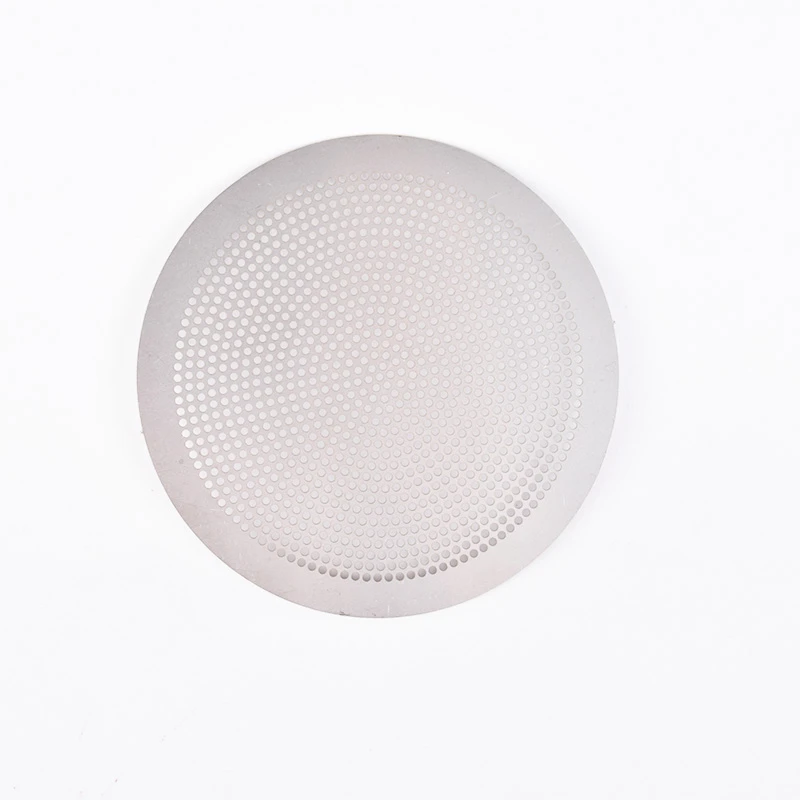
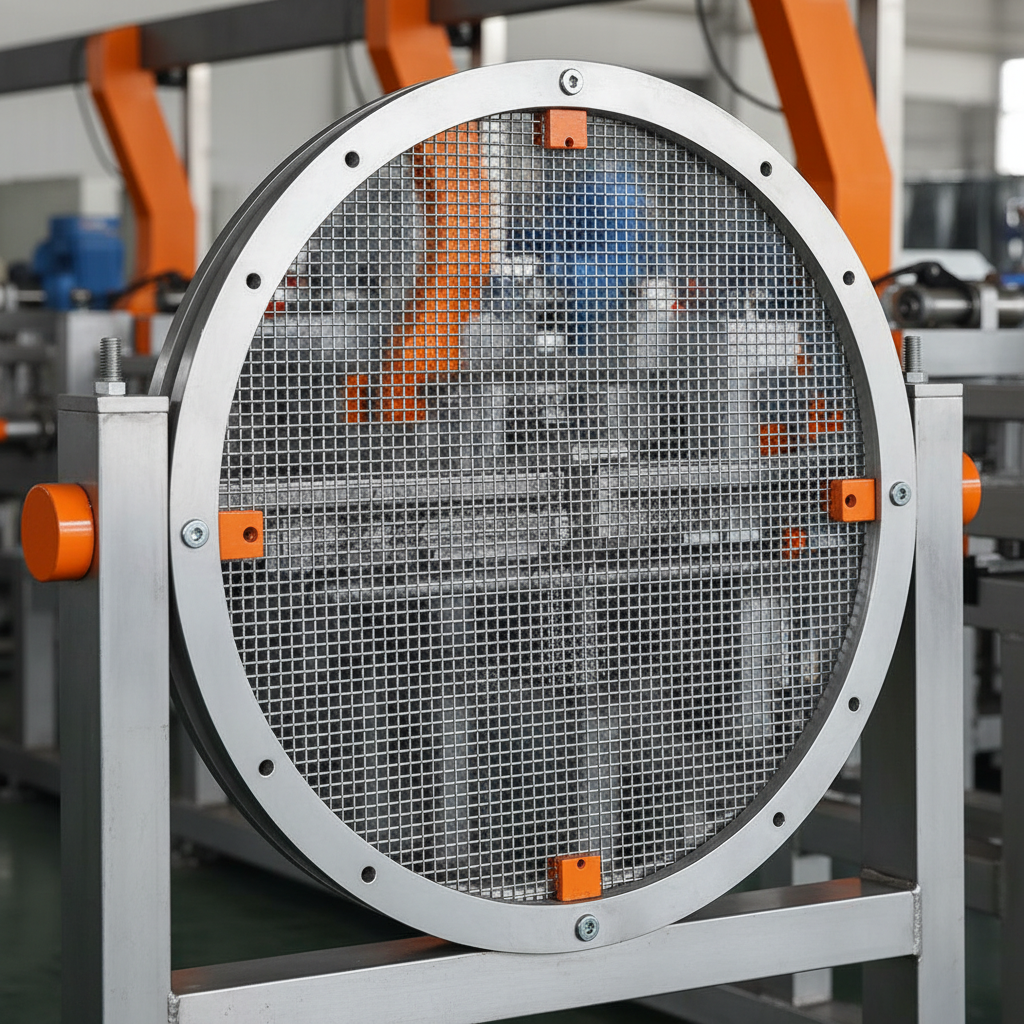
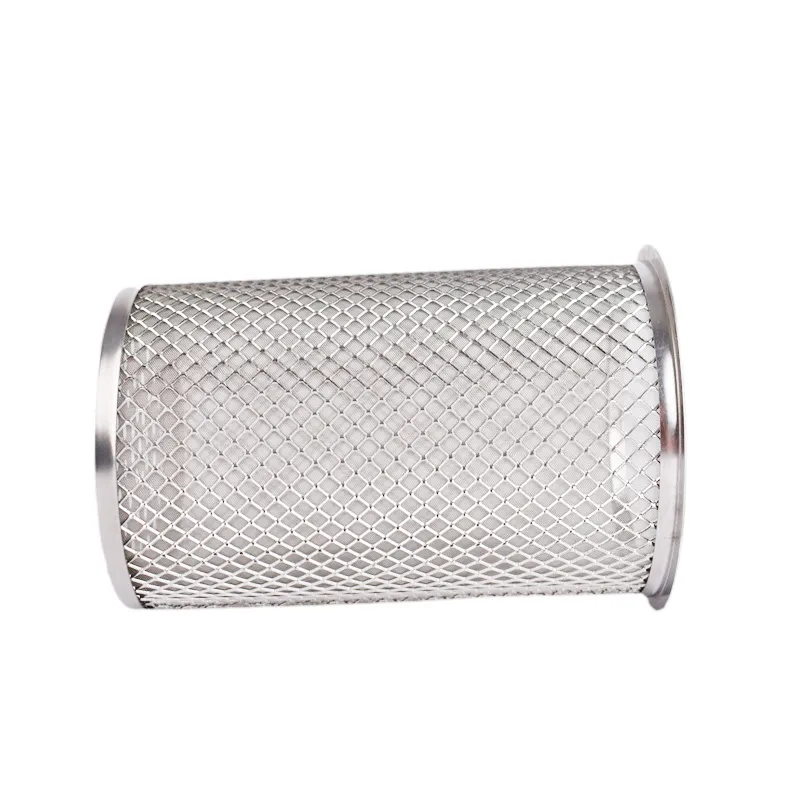
In real terms, a mesh filter disc is a precision-made circular screen, often woven from stainless steel wire or occasionally nickel or even bronze alloys. The weave is configured to balance filtration fineness with flow rate. Oddly enough, earlier in my career I noticed many clients stuck to off-the-shelf options without considering finer details like weave density or frame rigidity, which can dramatically impact longevity under harsh conditions.
Nowadays, the trend leans towards more tailored solutions. One engineer I worked with told me how switching to a customized mesh filter disc reduced unplanned downtime by 40% in their chemical processing plant. It makes sense since different industries, from food and beverage to petrochemical, demand varying levels of contaminant exclusion and corrosion resistance.
Common specifications to consider
| Feature | Details |
|---|---|
| Material | Stainless Steel 304/316, Nickel, Bronze |
| Mesh Size (Microns) | 20 - 500 (customizable) |
| Diameter | 15mm to 500mm (varies by application) |
| Frame Type | Welded, Crimped, or Soldered edge rims |
| Operating Temperature | Up to 600°C depending on material |
Speaking of materials, stainless steel mesh discs are by far the most popular, especially grades 304 and 316. They resist corrosion impressively, which is necessary when filtering aggressive liquids or gases. You’ll also find stainless steel’s durability handy when dealing with high-pressure systems. I recall an instance where switching from bronze to 316 stainless steel mesh saved a pulp and paper mill millions in replacement costs alone.
Vendor Comparison: What to Watch For
| Feature / Vendor | Vendor A | Vendor B | Vendor C |
|---|---|---|---|
| Material Options | SS 304/316, Bronze | SS 304/316, Nickel | SS 304 only |
| Customization | Full mesh size & frame | Limited mesh size | Standard sizes only |
| Lead Time | 2-3 weeks | 1-2 weeks | 4+ weeks |
| Pricing | Mid-range | High-end | Budget-friendly |
| Certifications | ISO 9001, RoHS | ISO 9001 only | None listed |
When selecting a vendor, it's not just about the lowest price, as I quickly learned. The difference often lies in mesh consistency and the quality of the mesh frame welds — things that only someone who’s taken apart filters in a dusty plant can truly judge. For example, some vendors rush fabrication, which results in weaker edges prone to deformation. You might save a few bucks upfront but end up replacing discs more often. A worthwhile investment keeps downtime low and saves headaches.
Testing and certification also matter. Mesh filter discs intended for food or pharmaceutical industries should meet strict hygiene standards, which might not be top of mind for those newer to the industry but is absolutely critical. So, do your homework.
Oddly enough, despite the availability of high-tech filtration solutions, the resilience and simplicity of a well-crafted mesh filter disc still make it essential across many sectors. It’s a reminder that sometimes, the best solutions come down to solid basics executed exceptionally well.
If you’re in the market or just wanting to learn more about quality mesh filter discs, I recommend checking out trusted suppliers like mesh filter disc specialists who not only offer standard products but also customize as per your specific industrial demands.
Reflections from the field: The more time I spend around industrial filtration, the clearer it gets — quality mesh filtering isn’t glamorous, but it’s the backbone that keeps so many processes clean and efficient.
References:
1. Industrial Filtration Handbook, 5th Edition (2019).
2. Corrosion Considerations in Stainless Steel Mesh Equipment, Journal of Industrial Materials (2021).
3. Case Study: Optimizing Filtration in Chemical Processing Plants, Industrial Equipment Review (2022).