Stainless Steel Mesh Filter Discs: Durable Filtration Solutions for Industrial Applications | QHFilter
Stainless Steel Mesh Filter Discs are a crucial component for many industrial filtration systems, especially in sectors where reliability and performance cannot be compromised. At QHFilter, professionals find a dependable partner offering filter discs that hold up in demanding environments. In this article, we’ll explore why these discs are so vital to industries like chemical processing, food production, and wastewater management, and what sets QHFilter’s products apart from the rest.
Table of Contents
- Stainless Steel Mesh Filter Discs Overview
- Benefits & Use Cases of Stainless Steel Mesh Filter Discs
- Cost, Maintenance & User Experience
- Sustainability & Market Trends
Stainless Steel Mesh Filter Discs Overview
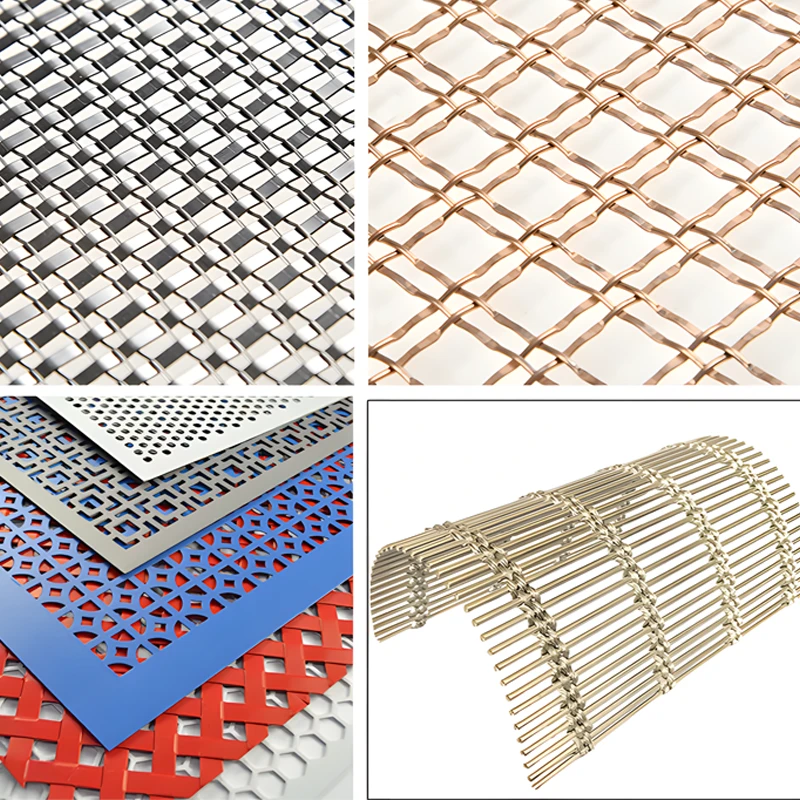
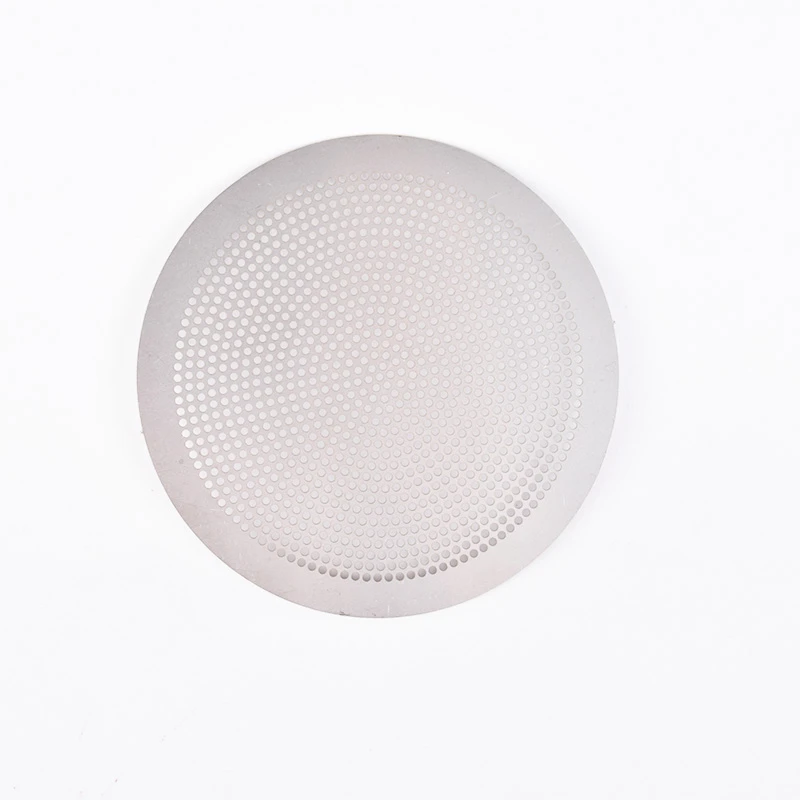
First things first: what exactly are Stainless Steel Mesh Filter Discs? Simply put, they are circular filtering elements made from woven stainless steel wire mesh, designed to trap particles and contaminants while allowing fluids to flow freely. It might sound straightforward, but the design and choice of stainless steel markedly influence durability and filtration precision.
In industrial scenarios, these discs are used extensively in filtration systems — from filtering lubricants and coolants in manufacturing to purifying liquids in food and beverage processing. What I find interesting is how the mesh’s micron rating (which determines the size of particles filtered out) can be custom-tailored. For example, QHFilter offers mesh sizes ranging from as fine as 10 microns to coarser 300 microns, catering to various purity needs.
To give a quick snapshot, here’s a typical spec table for these filter discs:
| Specification | Details |
|---|---|
| Material | 304, 316L, or 321 Stainless Steel |
| Mesh Size | 10 - 300 microns (customizable) |
| Diameter Range | 5 mm to 300 mm (standard sizes) |
| Working Temperature | Up to 550°C (depending on steel grade) |
Benefits & Use Cases of Stainless Steel Mesh Filter Discs
Industrially, these filter discs cover a remarkably wide field of applications. To name a few: refining petrochemicals, filtering wastewater in treatment plants, protecting turbines from impurity damage, and even in food-grade filtration, where hygiene is critical.
Why do people pick stainless steel mesh discs over other filters? Well, it mostly boils down to durability and resistance. Stainless steel doesn’t degrade easily under harsh chemical exposures or high temperatures, which frankly saves companies a lot in downtime and replacements. The open weave mesh design also means lower pressure drops compared to packed beds or layered media.
From what I’ve gathered chatting with industry engineers, the customization QHFilter offers—different wire diameters, weave patterns, and finishing methods—really lets clients fine-tune filtration efficiency versus flow rate to suit their unique processes. There’s a nod sometimes to ‘precision without sacrificing throughput,’ which feels like an apt summary.
Cost, Maintenance & User Experience
Now, on the more practical side, a lot of questions revolve around cost-effectiveness. Stainless steel mesh filter discs typically have a higher upfront cost than plastic or fabric alternatives, but here’s where ROI kicks in. Their longevity—sometimes lasting years versus months for other types—and minimal maintenance requirements often make the total cost of ownership surprisingly attractive.
Maintenance usually means periodic cleaning, which can often be handled on-site without expensive downtime. Also, since these discs can tolerate aggressive cleaning methods (like ultrasonic baths or acid washes), that helps extend usable life even further.
QHFilter’s customers often share that after switching to these discs, there’s a notable drop in filtration inefficiency complaints and a smoother operation of downstream equipment. One story I came across involved a chemical plant that reduced their filter replacement downtime by nearly 40% after moving to stainless steel mesh discs supplied by QHFilter—a real-world win.
| Vendor | Product Quality | Customization | Price | Lead Time |
|---|---|---|---|---|
| QHFilter | High, ISO-certified | Wide (mesh sizes, shapes) | Competitive | 2-4 weeks |
| Vendor B | Medium | Limited | Low | 3-6 weeks |
| Vendor C | High | Moderate | Higher | 4-8 weeks |
Sustainability & Market Trends
Looking to the bigger picture, sustainability has become impossible to ignore in manufacturing and filtration supply chains. Stainless steel mesh filter discs fare well here — stainless steel itself is highly recyclable, and these reusable filters reduce waste compared to disposable alternatives.
Government regulations that tighten allowable emission and contaminant levels also increase demand for more effective filtration like stainless steel mesh. Industry analysts forecast healthy growth in the filtration market, partly driven by rising environmental standards and the shift toward circular economies.
Companies like QHFilter are already responding by enhancing product lines with eco-conscious materials and pushing innovation in mesh weaving techniques to squeeze out even better performance combined with extended lifespan.
Frequently Asked Questions about Stainless Steel Mesh Filter Discs
- What is Stainless Steel Mesh Filter Discs and how does it work?
- These are circular filter elements made with woven stainless steel wire mesh. They trap particles suspended in fluids by passing the fluid through the mesh while preventing unwanted impurities from continuing downstream.
- What are the main benefits of using Stainless Steel Mesh Filter Discs in industrial applications?
- Key advantages include excellent corrosion resistance, high temperature tolerance, reusable nature, and precise filtration control, resulting in longer service life and improved process efficiency.
- How does Stainless Steel Mesh Filter Discs compare to traditional alternatives?
- Compared to plastic or fabric filters, stainless steel mesh discs are more durable, easier to clean, and perform consistently under harsh conditions, though they may have slightly higher initial costs.
- What industries can benefit most from Stainless Steel Mesh Filter Discs implementation?
- Industries like chemical processing, oil & gas, food and beverage, pharmaceutical manufacturing, and wastewater treatment find these discs particularly beneficial due to their demanding filtration needs.
Conclusion on Stainless Steel Mesh Filter Discs from china
Bringing it all together: stainless steel mesh filter discs really stand out as a high-value filtration solution. Their combination of toughness, filtration accuracy, and reusable nature makes them ideal for B2B industries aiming for efficiency and sustainability. And from what I’ve seen, QHFilter offers solid expertise and quality backed by customization and reliable supply chains — a combination that decision makers will appreciate.
- If you’re in the market for durable filtration products, it’s worth exploring more at https://www.qhfilter.com.
It reminds me that investing in quality filtration not only protects your equipment but often reduces costs in surprising ways over time.
1. Industry Filtration Journal, 2023
2. QHFilter Technical Report, 2024
3. Environmental Impact of Industrial Filtration Systems, 2022