Comprehensive Guide to Stainless Steel Wire Mesh Filter Selection and Applications
Understanding Stainless Steel Wire Mesh Filters
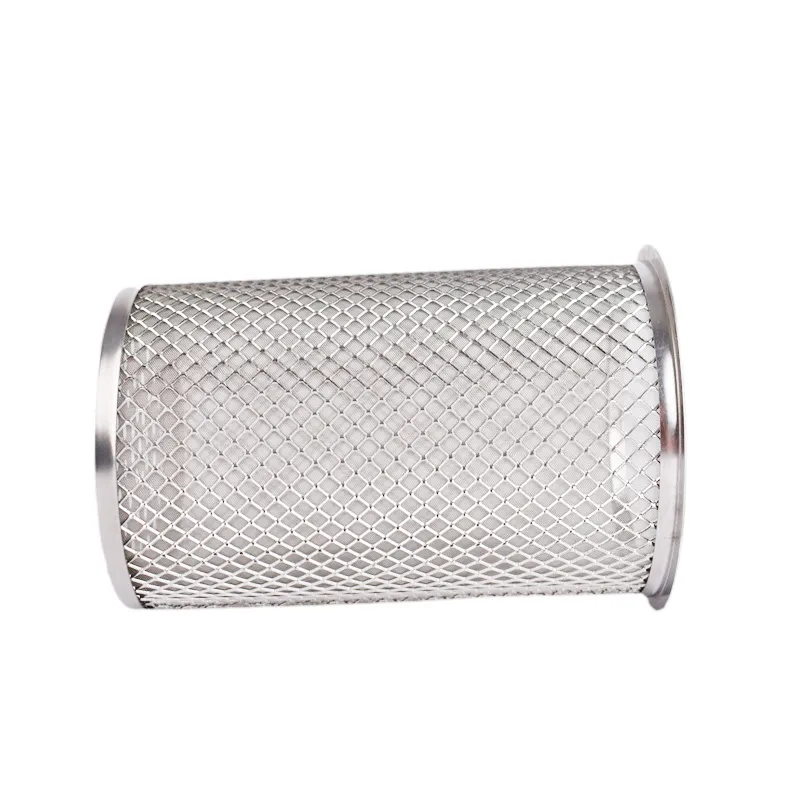
Stainless steel wire mesh filters are crucial components in a wide array of industrial applications, from water purification to chemical processing. Their durability, corrosion resistance, and ability to separate solids from liquids or gases make them an indispensable part of many operations. This article will explore the features, benefits, applications, and selection criteria for these filters, providing a comprehensive guide for businesses and engineers. QH Filter specializes in high-quality stainless steel wire mesh filters tailored to your specific needs.
Key Benefits of Stainless Steel Wire Mesh Filters
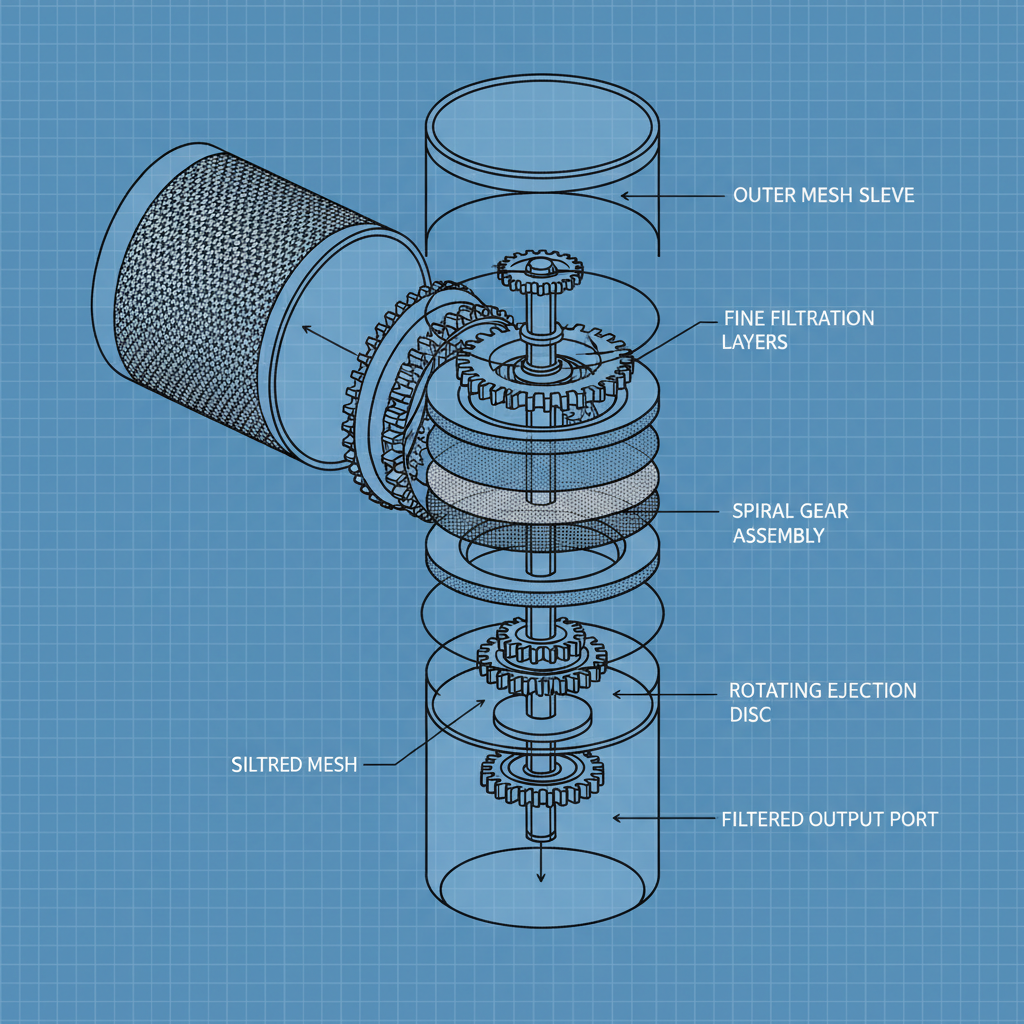
The popularity of stainless steel wire mesh filters stems from their numerous advantages. First and foremost is their exceptional corrosion resistance, making them suitable for use with a variety of aggressive media. Unlike filters made from carbon steel or other materials, stainless steel won't rust or degrade over time, ensuring a longer service life and reduced maintenance costs. Secondly, these filters offer high strength and durability, withstanding significant pressure differentials and mechanical stress. Finally, stainless steel is non-magnetic, ensuring compatibility with sensitive applications. This makes stainless steel wire mesh filters a cost-effective and reliable choice for demanding environments.
Key Highlights: Exceptional corrosion resistance, high strength & durability, non-magnetic properties, and long service life.
Applications of Stainless Steel Wire Mesh Filters
The versatility of stainless steel wire mesh filters allows for their use in a broad spectrum of industries. In the chemical industry, they are employed to remove particulates from process streams and protect sensitive equipment. Water treatment facilities utilize them for sediment filtration and pre-filtration before more advanced purification stages. The pharmaceutical industry relies on these filters to ensure product purity and sterility. Food and beverage processing benefits from their hygienic properties and ability to maintain product quality. Even in the aerospace industry, stainless steel mesh filters are used in fuel systems and hydraulic lines. QH Filter offers customized filter solutions for these and many other applications.
Application Examples:
• Chemical Processing: Removing solids from liquids
• Water Treatment: Sediment and pre-filtration
• Pharmaceutical: Ensuring product purity
• Food & Beverage: Maintaining product quality
Choosing the Right Stainless Steel Wire Mesh Filter
Selecting the appropriate stainless steel wire mesh filter depends on several factors, including the particle size to be removed, the flow rate, the operating pressure, and the chemical compatibility of the materials. Mesh count, which refers to the number of wires per inch, directly impacts the filter’s ability to capture smaller particles. Higher mesh counts result in finer filtration but can also reduce flow rate. The grade of stainless steel (e.g., 304, 316) is crucial for corrosion resistance, with 316 offering superior protection in harsh environments. Understanding these parameters is essential for ensuring optimal filter performance and longevity.
Stainless Steel Wire Mesh Filter Grades & Properties
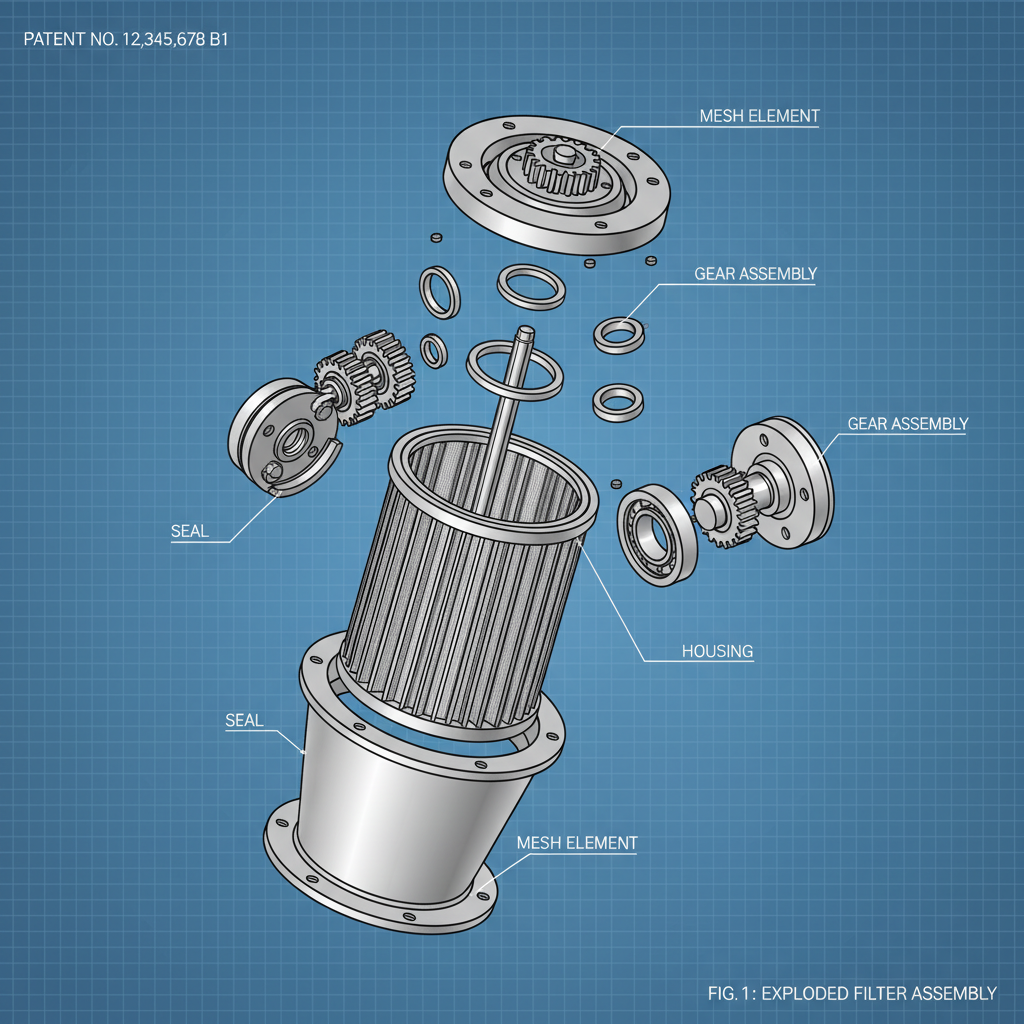
Different grades of stainless steel offer varying levels of corrosion resistance and mechanical strength. 304 stainless steel is the most common grade, providing good corrosion resistance in many applications. 316 stainless steel contains molybdenum, which enhances its resistance to chlorides and other corrosive agents, making it ideal for marine environments or chemical processing. Other alloys, such as 325 mesh, may be used for specialized applications requiring extremely fine filtration. The chart below provides a comparison of common stainless steel grades used in filter manufacturing.
Working with QH Filter: Your Trusted Supplier
QH Filter is dedicated to providing high-quality stainless steel wire mesh filters tailored to your specific requirements. We offer a wide range of mesh sizes, stainless steel grades, and filter configurations. Our experienced team can assist you in selecting the optimal filter for your application and provide custom fabrication services to meet your unique needs. We are committed to delivering reliable products and exceptional customer service.
Conclusion: Reliable Filtration with QH Filter
Stainless steel wire mesh filters are essential components for countless industrial processes. Choosing the right filter, and a reliable supplier like QH Filter, ensures optimal performance, longevity, and cost-effectiveness. We are here to help you find the perfect filtration solution for your needs.
Frequently Asked Questions (FAQs)
What is the typical lifespan of a stainless steel wire mesh filter?
The lifespan of a stainless steel wire mesh filter varies depending on several factors, including the nature of the fluid being filtered, the operating pressure, and the frequency of cleaning. Generally, with proper maintenance, these filters can last for several years. Regular inspection for clogging, damage, or corrosion is crucial. Cleaning the filter periodically to remove accumulated debris can significantly extend its lifespan. If the filter experiences a significant drop in flow rate or exhibits signs of damage, it should be replaced. QH Filter offers filter cleaning services and recommendations to maximize filter life.
Can stainless steel wire mesh filters be cleaned and reused?
Yes, many stainless steel wire mesh filters can be cleaned and reused, depending on the type of contamination and the filter's construction. Simple backwashing with water or a mild cleaning solution can remove loose particles. For more stubborn buildup, ultrasonic cleaning or chemical cleaning methods may be necessary. It’s important to select a cleaning method compatible with the stainless steel grade and the type of contaminant. However, repeated cleaning can eventually degrade the filter’s performance, so regular inspections are crucial. QH Filter provides guidelines on cleaning methods and offers filter regeneration services.
What is the difference between 304 and 316 stainless steel filters?
Both 304 and 316 stainless steel offer excellent corrosion resistance, but 316 contains molybdenum, which significantly enhances its resistance to chlorides and other harsh chemicals. This makes 316 ideal for applications in marine environments, chemical processing, or any situation where exposure to corrosive substances is a concern. 304 is a more cost-effective option for less demanding applications where corrosion is not a major issue. QH Filter can help you determine the appropriate stainless steel grade for your specific application.
Do you offer custom stainless steel wire mesh filter fabrication?
Yes, QH Filter specializes in custom stainless steel wire mesh filter fabrication. We can create filters to your exact specifications, including size, shape, mesh count, and material grade. We work closely with our clients to understand their unique needs and provide tailored filtration solutions. We leverage advanced manufacturing techniques to ensure precision and quality in every filter we produce.