Harnessing Solar Energy with Balconies A Guide to Solar Panels for Balconies
Solar Panels for Balconies: Power Your Home, Even in the City
Living in an apartment or urban area doesn't mean you can't enjoy the benefits of solar energy. Solar panels for balconies are becoming increasingly popular, offering a convenient and cost-effective way to generate clean electricity. This article will explore the advantages, installation considerations, and types of balcony solar panels available. We'll also discuss how to choose the right system for your needs and maximize your energy savings. As concerns about energy costs and sustainability grow, balcony solar panels represent a smart and accessible solution for many homeowners.
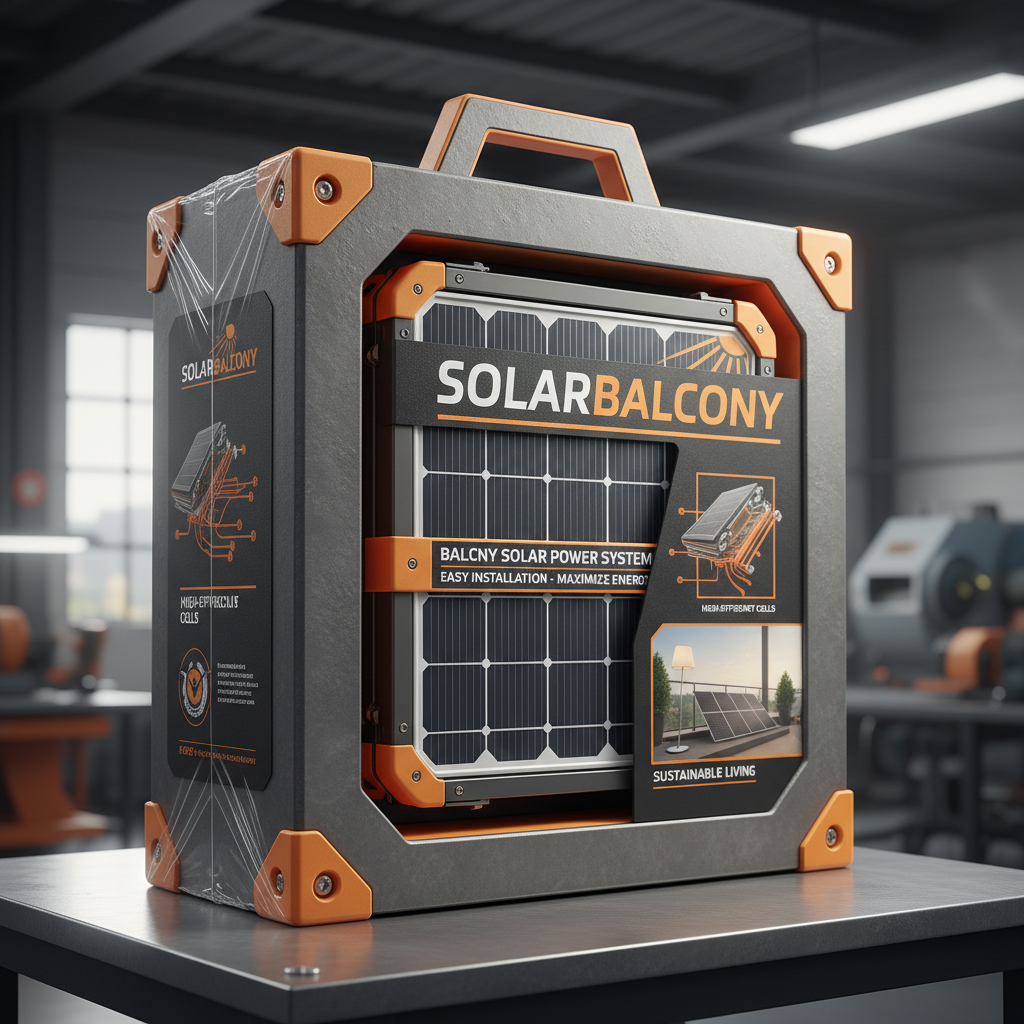
Why Choose Solar Panels for Your Balcony?
Balcony solar panels offer several compelling benefits. Firstly, they allow you to reduce your electricity bill by generating your own power. Secondly, they contribute to a greener environment by reducing your reliance on fossil fuels. Thirdly, they’re relatively easy to install, often requiring no complex wiring or professional assistance. Many systems are "plug-and-play," connecting directly to a standard outlet. Finally, they increase your energy independence, shielding you from fluctuating energy prices. These panels are especially attractive for renters or those who cannot install traditional rooftop solar systems. Investing in balcony solar panels is a step towards a sustainable future.
Key Highlights: Reduce your electricity bill, contribute to a greener environment, easy installation, increase energy independence, and a smart investment for a sustainable future.
Types of Balcony Solar Panels
There are primarily two types of solar panels suitable for balconies: flexible solar panels and rigid solar panels. Flexible panels are lightweight and can conform to curved surfaces, making them ideal for balconies with unique shapes. Rigid panels are more durable and typically more efficient, but they are heavier and require a sturdy mounting system. Another consideration is the type of solar cells used – monocrystalline cells are more efficient but also more expensive, while polycrystalline cells are more affordable but slightly less efficient. Choosing the right panel type depends on your balcony's size, shape, weight capacity, and budget. QHFilter offers a range of both flexible and rigid balcony solar panels to meet diverse needs.
Balcony Solar Panel Types:
• Flexible Solar Panels: Lightweight, conform to curved surfaces.
• Rigid Solar Panels: Durable, typically more efficient.
• Monocrystalline: More efficient, higher cost.
• Polycrystalline: More affordable, slightly lower efficiency.
Balcony Solar Panel Comparison
Understanding the differences between panel types is crucial for making an informed decision. Here’s a comparison to help you visualize the pros and cons:
Installation and Safety Considerations
Proper installation is vital for both performance and safety. Ensure your balcony can support the weight of the panels and mounting system. Securely mount the panels using appropriate brackets designed for balcony use. Always follow the manufacturer’s instructions carefully. Check local regulations regarding solar panel installations, as some areas may have specific requirements. It's also important to ensure the electrical connection is safe and compliant with local electrical codes. If you're unsure about any aspect of the installation, consult with a qualified professional. Remember, safety should always be your top priority when working with electricity.
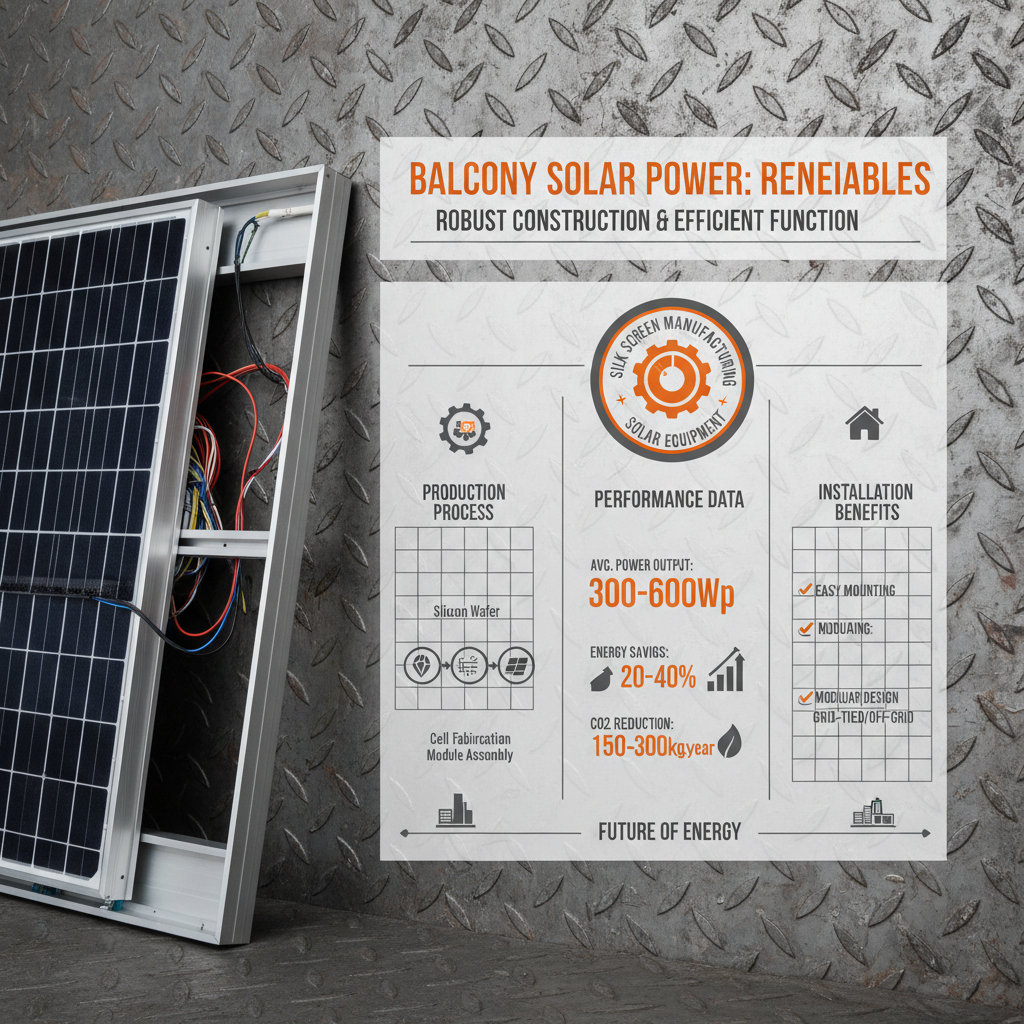
Maximizing Your Energy Savings with Balcony Solar Panels
To get the most out of your balcony solar panels, consider the following tips: Position the panels to receive maximum sunlight throughout the day. Keep the panels clean to maintain their efficiency. Use energy-efficient appliances to reduce your overall energy consumption. Monitor your energy generation and usage to identify areas for improvement. QHFilter offers smart monitoring systems to help you track your solar panel performance. By combining solar energy with energy-saving practices, you can significantly reduce your carbon footprint and save money on your electricity bills.
Conclusion: Embrace Sustainable Energy with Balcony Solar
Balcony solar panels offer a practical and accessible way to harness the power of the sun, even in urban environments. With a variety of options available and relatively simple installation, they are an excellent investment for homeowners seeking to reduce their energy costs and environmental impact. Take the first step towards a greener future today!
Frequently Asked Questions (FAQs)
How much electricity can balcony solar panels generate?
The amount of electricity generated depends on factors like panel size, sunlight exposure, and efficiency. A typical balcony solar panel system can generate between 300-800 watts of power, potentially offsetting a significant portion of your electricity bill. The actual output will vary based on your location and weather conditions. Generally, even a small system can contribute noticeably to reducing your reliance on grid electricity, especially during peak sunlight hours. QHFilter's website provides estimations based on your geographical location.
Are balcony solar panels legal?
Regulations regarding balcony solar panels vary by location. Some municipalities may have specific rules regarding installation, aesthetics, and electrical connections. It’s crucial to check with your local authorities or homeowners association (HOA) before installing a system. Many areas are becoming more supportive of renewable energy and offer incentives for solar panel installations. QHFilter can provide information about regulations in your region.
How long do balcony solar panels last?
Most balcony solar panels are designed to last for 25-30 years, although their efficiency will gradually decrease over time. Regular maintenance, such as cleaning, can help maximize their lifespan. The quality of the panels and the mounting system also plays a role in their longevity. Investing in high-quality panels from a reputable manufacturer, like those offered by QHFilter, ensures long-term performance and reliability.
Do I need a battery to store the energy?
While not essential, a battery can store excess energy generated by the solar panels for use when sunlight isn't available, such as at night or on cloudy days. However, batteries add to the overall cost and complexity of the system. Many balcony solar panel systems are designed to feed excess energy directly back into the grid, allowing you to receive credits on your electricity bill (net metering). Whether you need a battery depends on your energy consumption patterns and your desire for greater energy independence.