Powering Security and Sustainability with Advanced Solar Fencing Panels
Solar Fencing Panels: Powering Security and Sustainability
In today's world, safeguarding property while embracing sustainable energy solutions is paramount. Solar fencing panels offer a powerful combination of both, providing enhanced security and independent power supply for a variety of applications. This article will explore the benefits, applications, and key considerations when investing in solar fencing, offering insights for homeowners, farmers, and security professionals. From livestock protection to perimeter security, solar fencing is a smart and effective solution for a wide range of needs.
Understanding Solar Fencing Technology
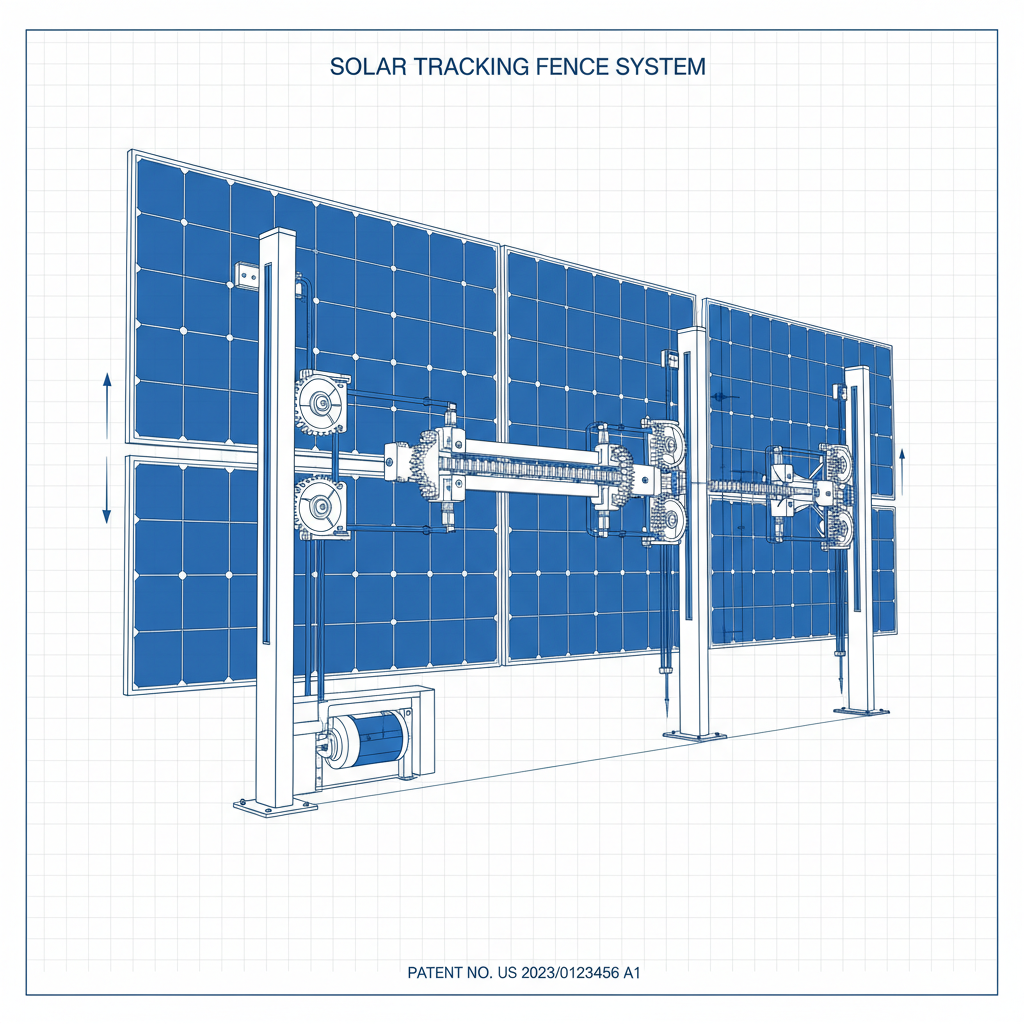
Solar fencing utilizes standard electric fencing technology, but with a crucial addition: a solar panel to power the energizer. This eliminates the need for grid power or batteries in many applications, making it a cost-effective and environmentally friendly option. The solar panel charges a small battery during daylight hours, providing continuous power to the energizer even at night or during cloudy conditions. The system includes the solar panel, an energizer (which delivers the electric pulse), fencing wire or tape, insulators, and grounding rods. QH Filter offers a range of solar fencing solutions tailored to different security and agricultural needs.
Key Benefits: Eliminates the need for grid power, reduces electricity costs, environmentally friendly, reliable operation, enhanced security.
Applications of Solar Fencing Panels
The versatility of solar fencing panels makes them suitable for a broad spectrum of applications. Livestock management is a primary use, effectively containing animals and deterring predators. Perimeter security is another key area, protecting properties from trespassers and theft. Agricultural applications extend to crop protection, preventing damage from wildlife. Furthermore, solar fencing can be used in remote locations where access to grid power is limited or unavailable, such as oil and gas sites, communication towers, and wildlife research stations.
Common Applications:
• Livestock Containment (Cattle, Sheep, Goats, Horses)
• Predator Control (Wolves, Coyotes, Bears)
• Perimeter Security (Residential, Commercial, Industrial)
• Crop Protection (Deer, Birds, Rabbits)
Solar Fencing Panels vs. Traditional Electric Fencing: A Comparison
While traditional electric fencing relies on grid power or batteries, solar fencing offers a more sustainable and often more cost-effective solution. Traditional systems can be expensive to operate due to electricity costs or require frequent battery replacements. Solar fencing eliminates these costs, providing a long-term, environmentally friendly alternative. The initial investment in a solar fencing system may be slightly higher, but the long-term savings and environmental benefits often outweigh the upfront cost. QH Filter's solar fencing panels are designed for optimal performance and longevity.
Choosing the Right Solar Fencing Panels
Selecting the appropriate solar fencing panels involves considering several factors. The size of the area to be fenced, the type of animals or security threats, and the local climate all play a role. The power output of the solar panel should be sufficient to energize the fence effectively, even during periods of low sunlight. The quality of the energizer is also critical, ensuring reliable performance and long-term durability. QH Filter provides expert guidance to help you choose the best solar fencing solution for your specific needs.
Product Specifications & Key Considerations
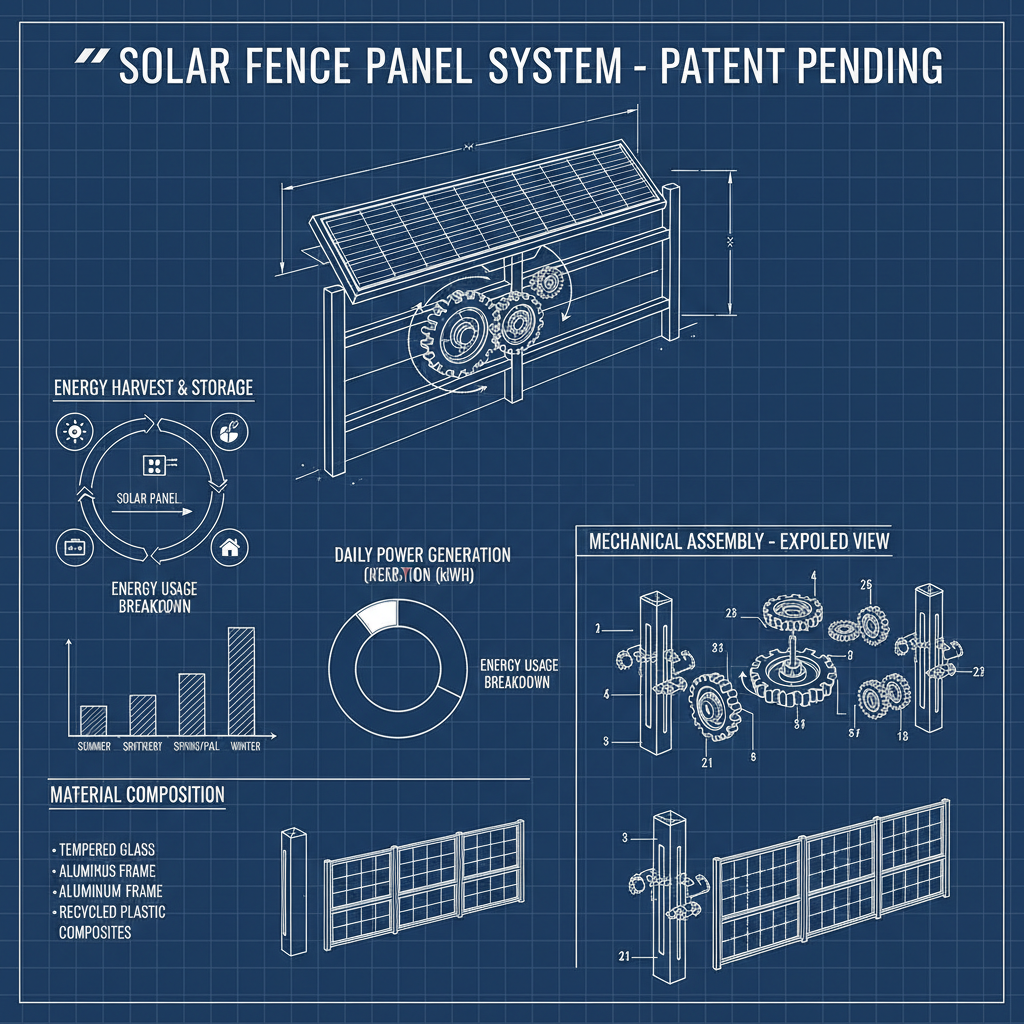
Understanding the specifications of QH Filter's solar fencing panels is crucial for making an informed decision. Here’s a brief overview:
Conclusion: A Secure and Sustainable Future with Solar Fencing
Investing in solar fencing panels represents a smart and forward-thinking decision. The benefits of enhanced security, reduced costs, and environmental sustainability are undeniable. Whether you're a farmer protecting livestock, a homeowner safeguarding property, or a security professional ensuring perimeter control, solar fencing provides a reliable and effective solution.
Frequently Asked Questions (FAQs)
How often do I need to maintain a solar fencing system?
Solar fencing systems require minimal maintenance. Regularly check the solar panel for dust or debris and clean it as needed to ensure optimal performance. Inspect the fencing wire or tape for any breaks or damage and repair them promptly. Periodically check the grounding rods to ensure they are securely in place. Battery replacement may be necessary every few years, depending on usage and battery type. Overall, the maintenance requirements are significantly lower than those of traditional electric fencing systems.
Is solar fencing safe for animals and humans?
When installed and maintained correctly, solar fencing is generally safe for animals and humans. The electric pulse delivered by the energizer is designed to deter, not harm. However, it's important to follow safety precautions, such as using proper signage to warn of the electric fence, and ensuring the fence is properly grounded. It's also crucial to select an energizer with adjustable power levels to ensure the pulse is appropriate for the type of animal being contained.
Can solar fencing work effectively in cloudy climates?
Yes, solar fencing can work effectively in cloudy climates. The solar panel charges the battery during daylight hours, even on cloudy days. The battery then provides power to the energizer at night or during extended periods of cloud cover. However, the battery capacity and solar panel size should be appropriately sized for the local climate and expected sunlight conditions. QH Filter offers systems specifically designed for lower-sunlight environments.
What is the typical lifespan of a solar fencing energizer?
A high-quality solar fencing energizer, such as those offered by QH Filter, typically has a lifespan of 5-10 years with proper care and maintenance. Factors that can affect lifespan include exposure to extreme weather conditions, voltage surges, and the quality of the internal components. Regular inspection and cleaning can help prolong the energizer's life.