Wire Mesh Sieve: Durable Solutions for Industrial Filtration
Understanding the Wire Mesh Sieve: An Industrial Backbone
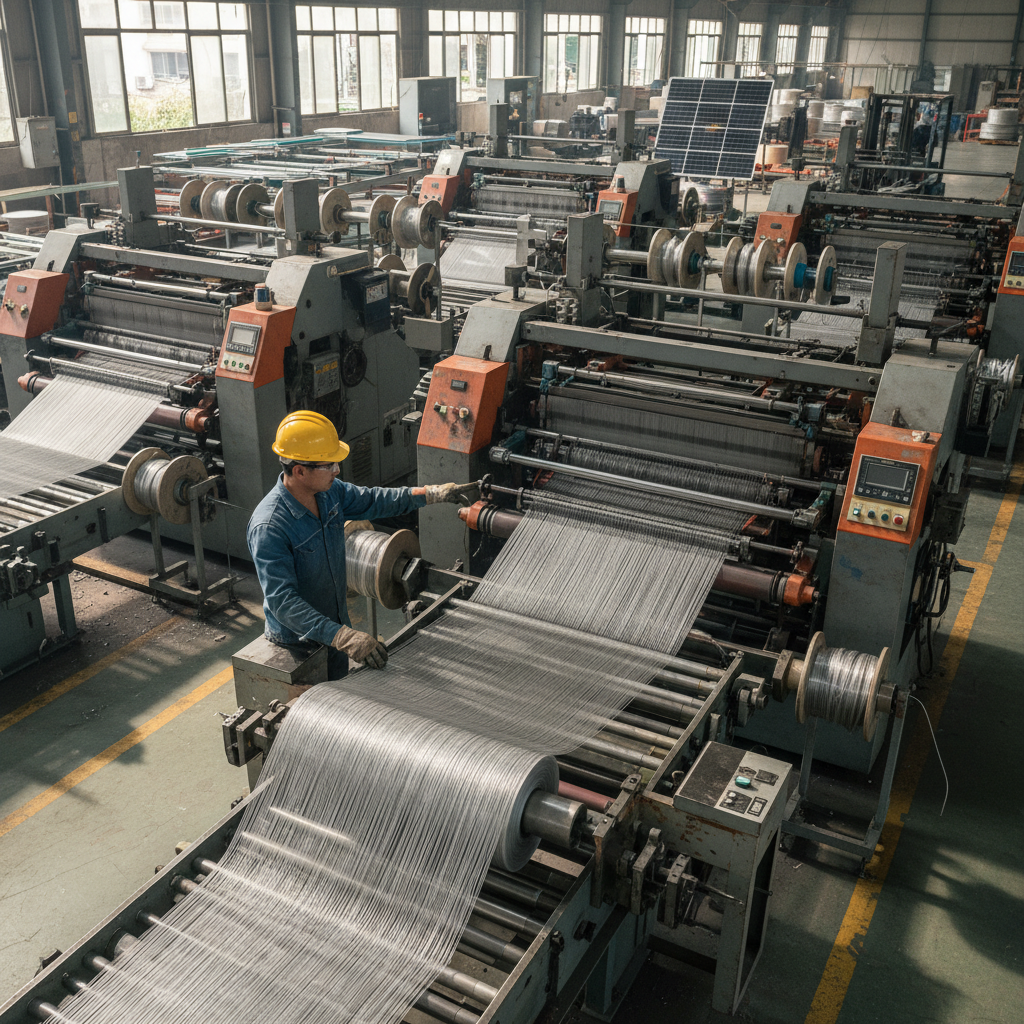
Having spent over a decade in the industrial equipment sector, I’ve always found wire mesh sieves fascinating—not just because they’re fundamental to so many processes, but because the craftsmanship behind them is often overlooked. These unassuming metal screens are everywhere: sorting aggregates in construction, filtering powders in food production, even in pharmaceutical labs. If you pause to think about it, wire mesh sieve technology quietly supports industries that keep our world turning.
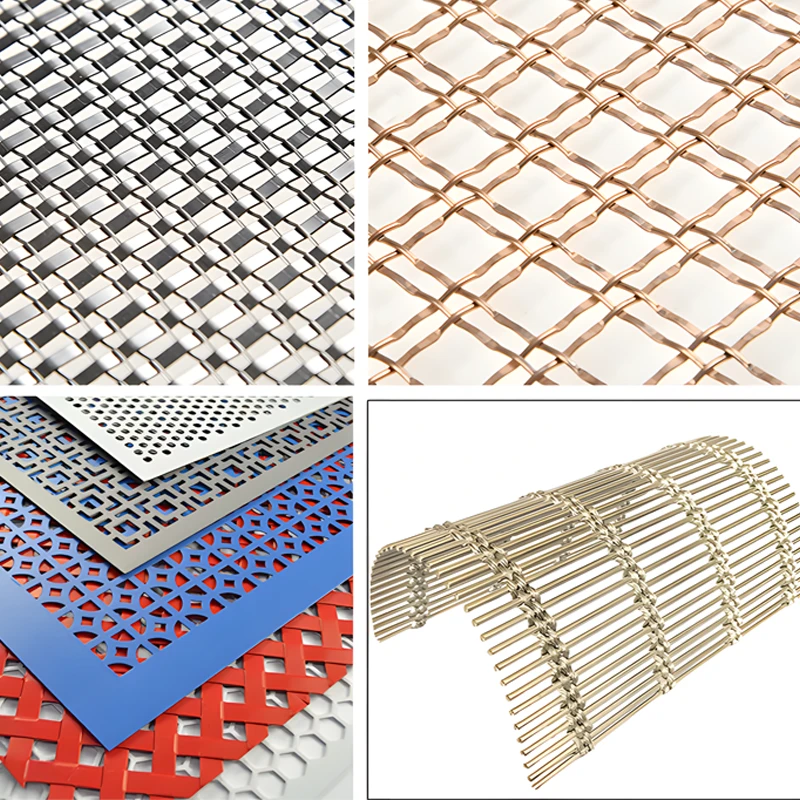
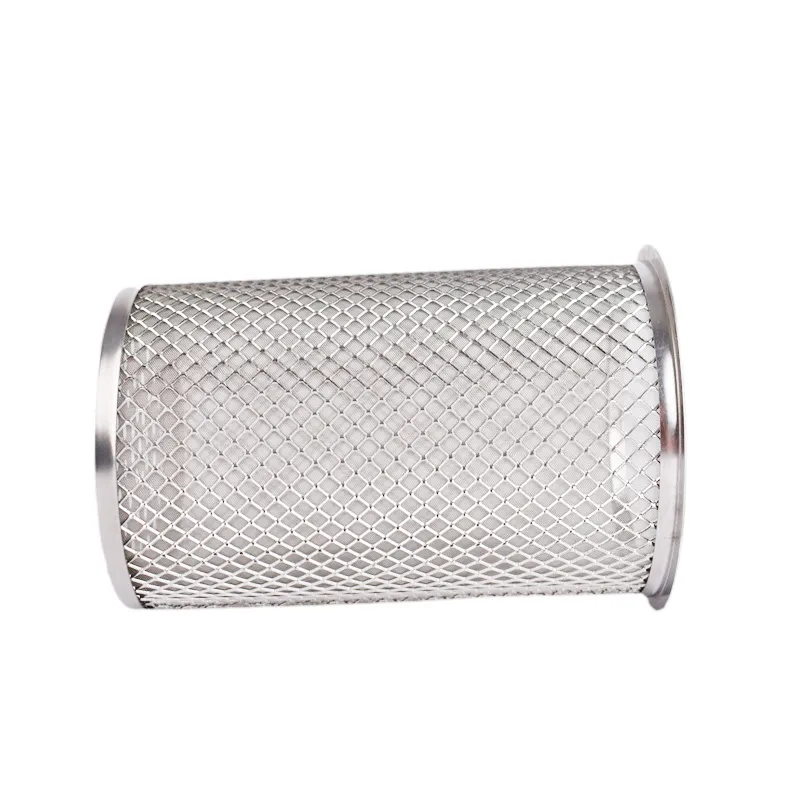
Oddly enough, the art of making a quality sieve goes beyond just weaving wire together. The selection of material, mesh size, and weaving technique all converge to create a tool that balances durability with precision. For example, stainless steel wire meshes are industry favorites due to their corrosion resistance and longevity. You’d be surprised how a poorly made sieve, say using mild steel in a humid environment, can end up costing more money in downtime and replacements than the initial savings are worth.
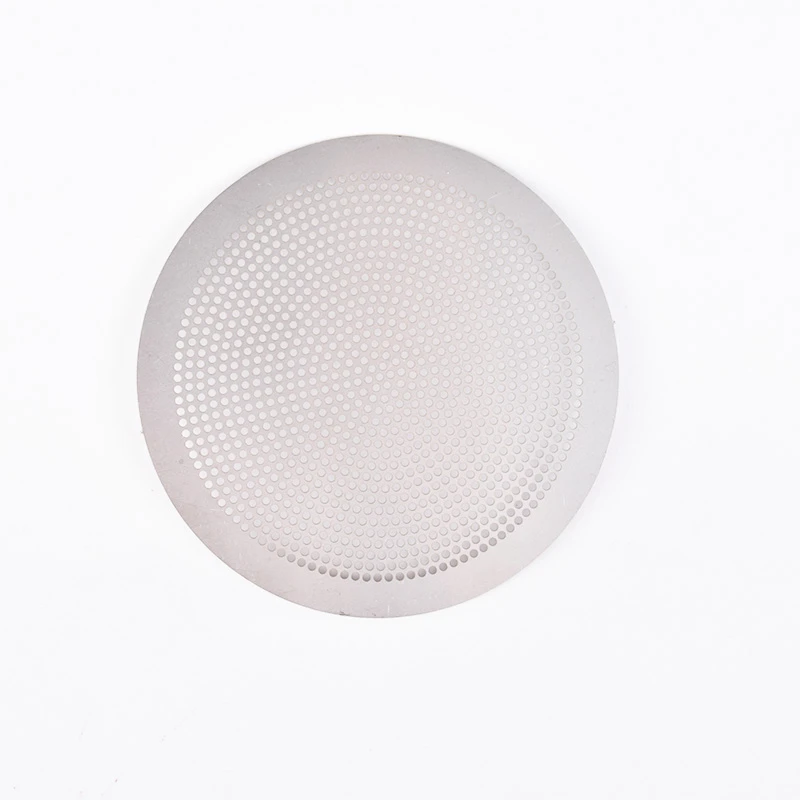
In my early days, I once visited a facility where they tested several mesh sizes side by side to refine their product sorting efficiency. It struck me how critical "mesh opening" specification is—the tiniest difference in aperture can change throughput and product quality dramatically. And frankly, you can’t just eyeball it. Proper testing and strict quality standards ensure the mesh performs consistently.
| Specification | Details |
|---|---|
| Material | Stainless Steel (304/316), Galvanized Steel, Brass |
| Mesh Size (Aperture) | From 10 microns up to several millimeters |
| Wire Diameter | 0.02 mm to 2 mm |
| Weaving Types | Plain weave, Twilled weave, Dutch weave |
| Max Width | Up to 2 meters (custom sizes available) |
Choosing the right vendor for these sieves is equally vital. A sieve might look similar across different sellers but the manufacturing tolerances, customization options, and aftersales support vary widely. In my experience, some vendors are just assemblers, while others invest heavily in R&D and quality assurance. That difference shows up down the line, especially when the sieve sits inside critical production lines.
| Feature | Vendor A | Vendor B | Vendor C |
|---|---|---|---|
| Material Options | Wide (SS304/316, Brass) | Limited (SS304 only) | Wide + Custom alloys |
| Custom Mesh Size | Yes, very flexible | Standard sizes only | Yes, tailored engineering support |
| Lead Time | 2-3 weeks | 1 week | 3-4 weeks (custom orders) |
| Price Range | Mid to high | Low | Mid to premium |
One particularly memorable project involved a food processing company that needed a sieve capable of extremely fine filtering without clogging – a frequent challenge in starch powder production. After some back and forth with their R&D team, we recommended a wire mesh sieve with a Dutch weave pattern made from 316 stainless steel. This mesh balanced fine filtration with good flow rate, and the company reported a surprising improvement in both throughput and product consistency.
In real terms, it feels like choosing the right wire mesh sieve is about respecting small details that add up—in wire thickness, weave type, and finishing. Many engineers say a sieve is just a sieve, but years in this field tell me that’s too simplistic. It’s a blend of engineering precision, material science, and practical usability.
For industrial users, the lesson here is: don’t just settle for the cheapest option or the one that ships fastest. Understand your requirements, ask vendors for detailed specs, and if possible, test samples under real conditions before committing. You’ll save headaches later on.
So, if you’re just starting out or looking to upgrade your filtration or sorting equipment, give wire mesh sieves a little more thought. They’re not glamorous, but they sure are essential.
Final thought: sometimes, the smallest holes connect the biggest dots in industry.
References:
- “Industrial Wire Cloth,” Ulbrich Stainless Steels & Special Metals, 2019.
- “Woven Wire Mesh Technology Guide,” QH Filter, 2023.
- “Material Selection for Sieves,” Journal of Manufacturing Processes, Vol. 54, 2021.